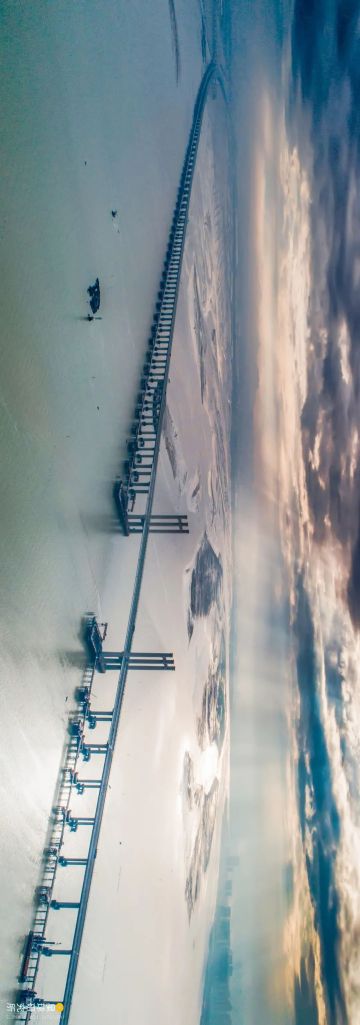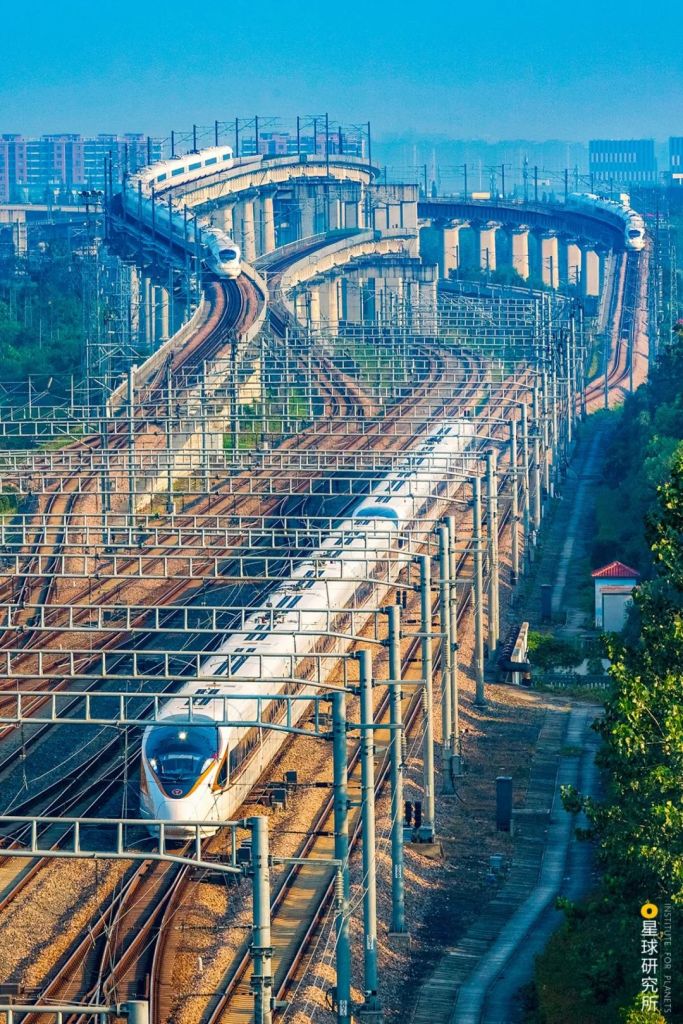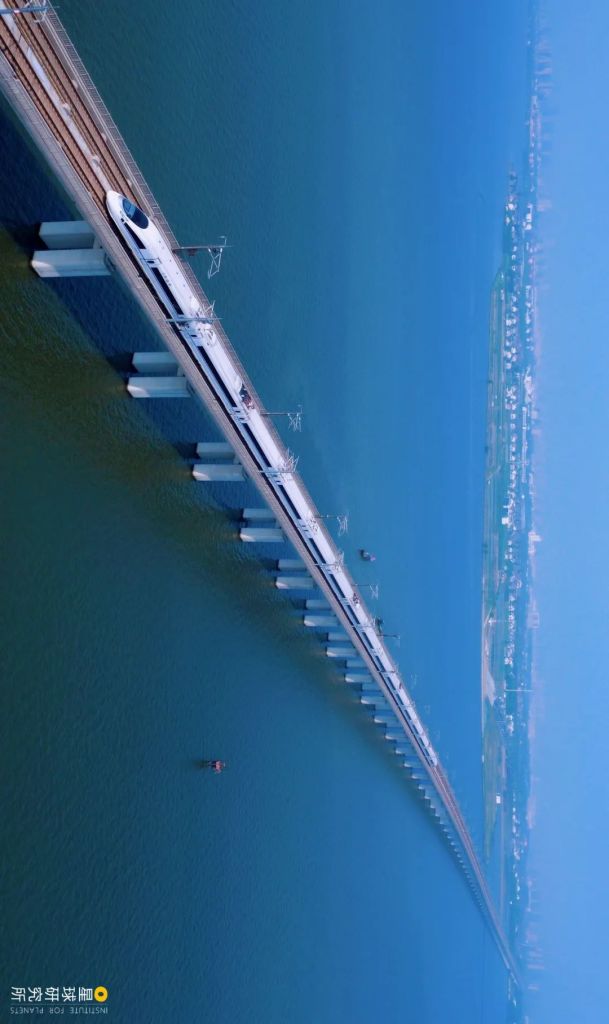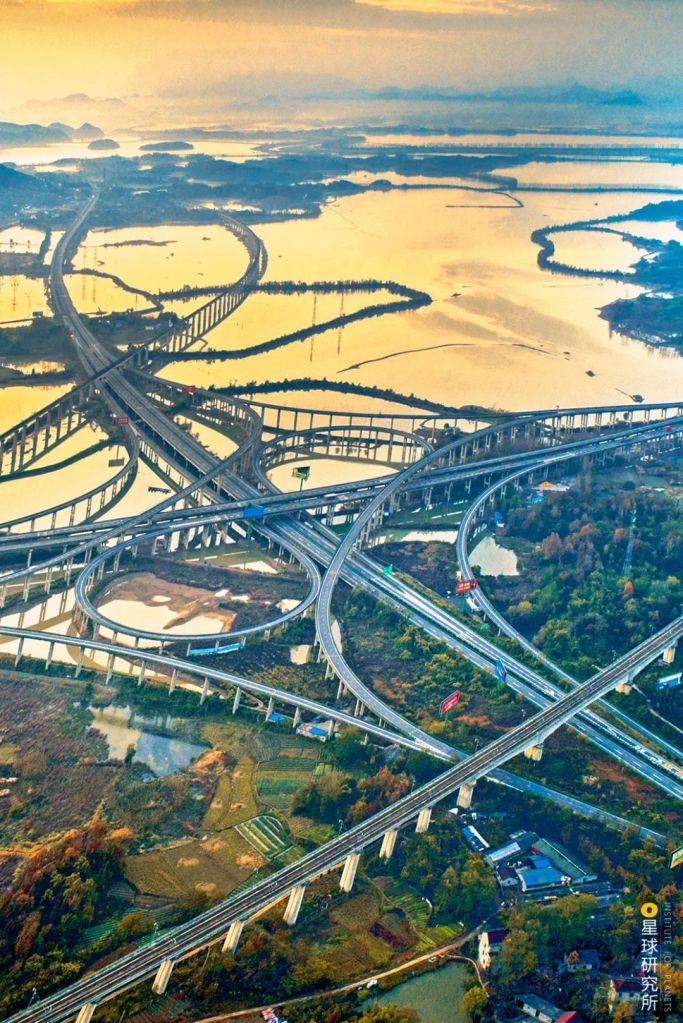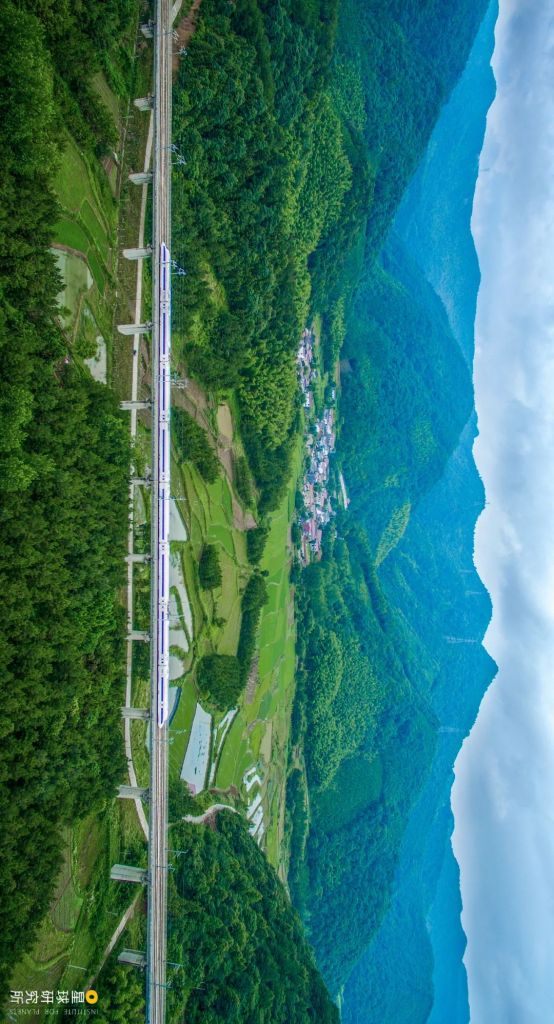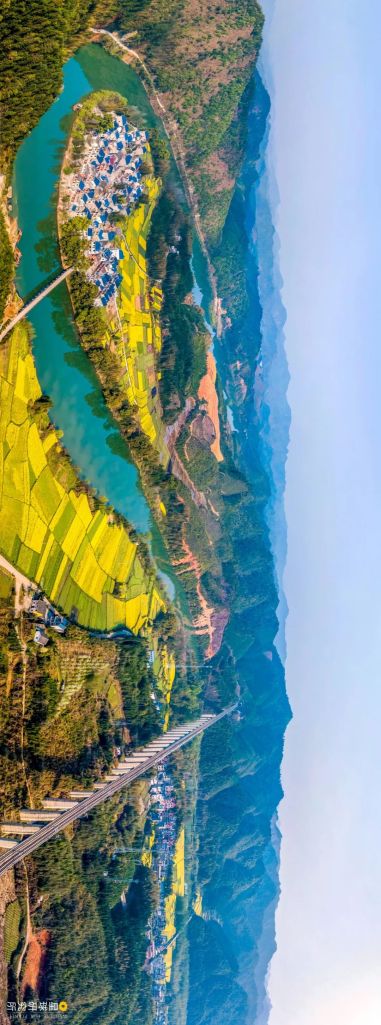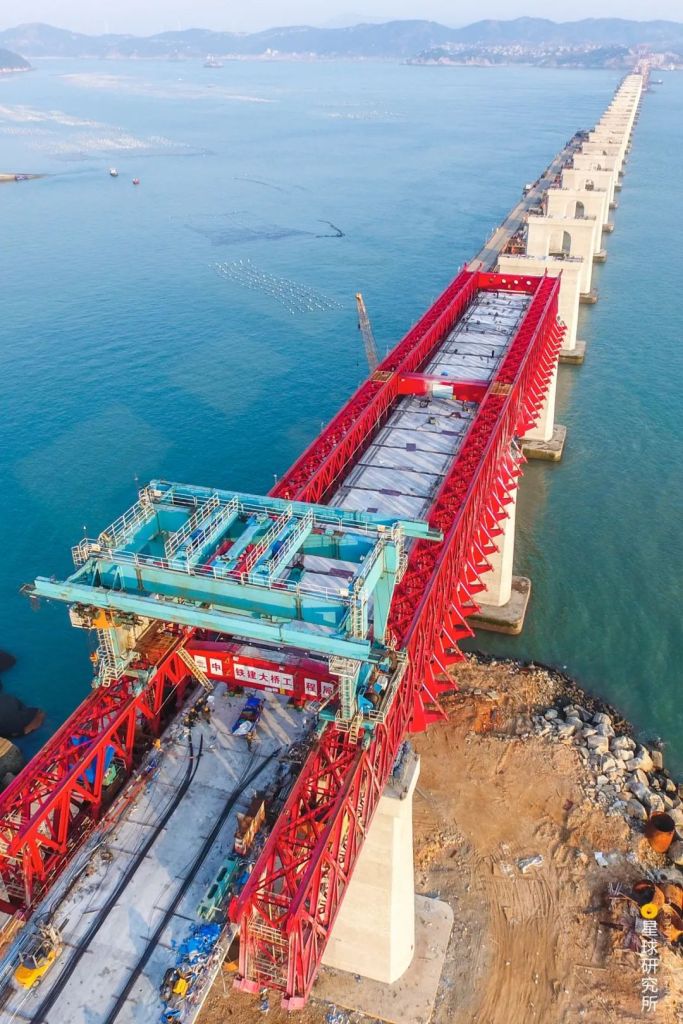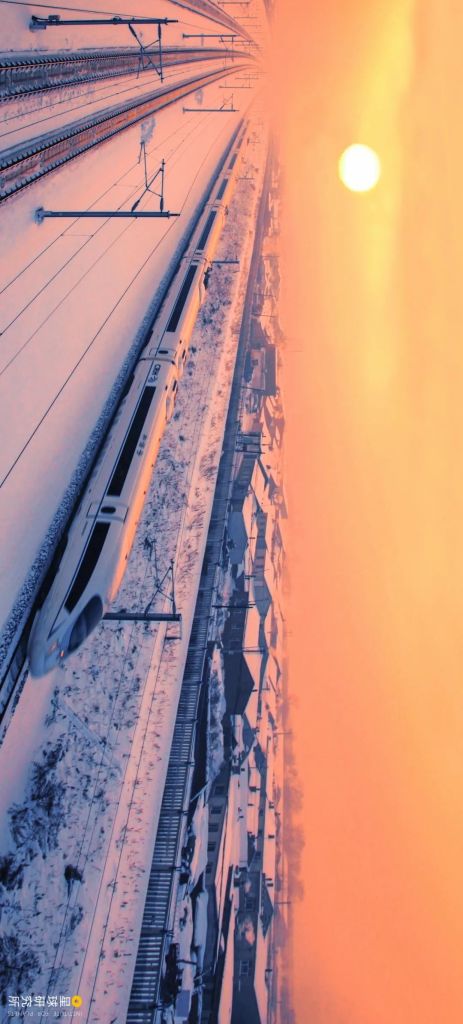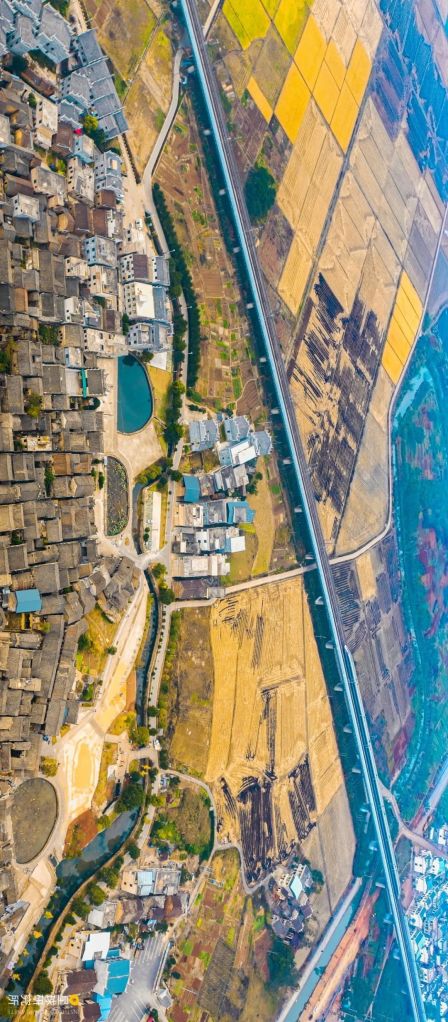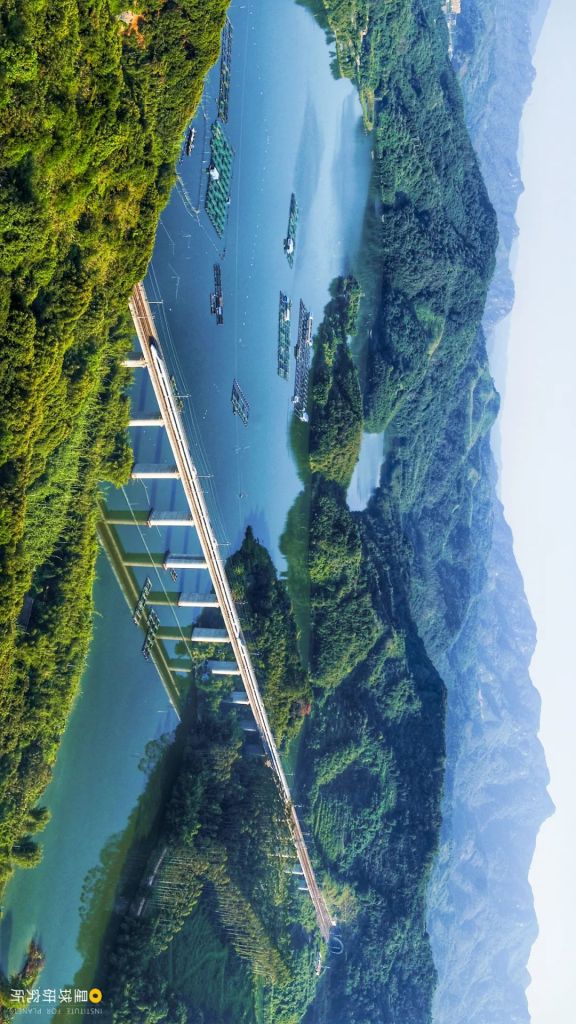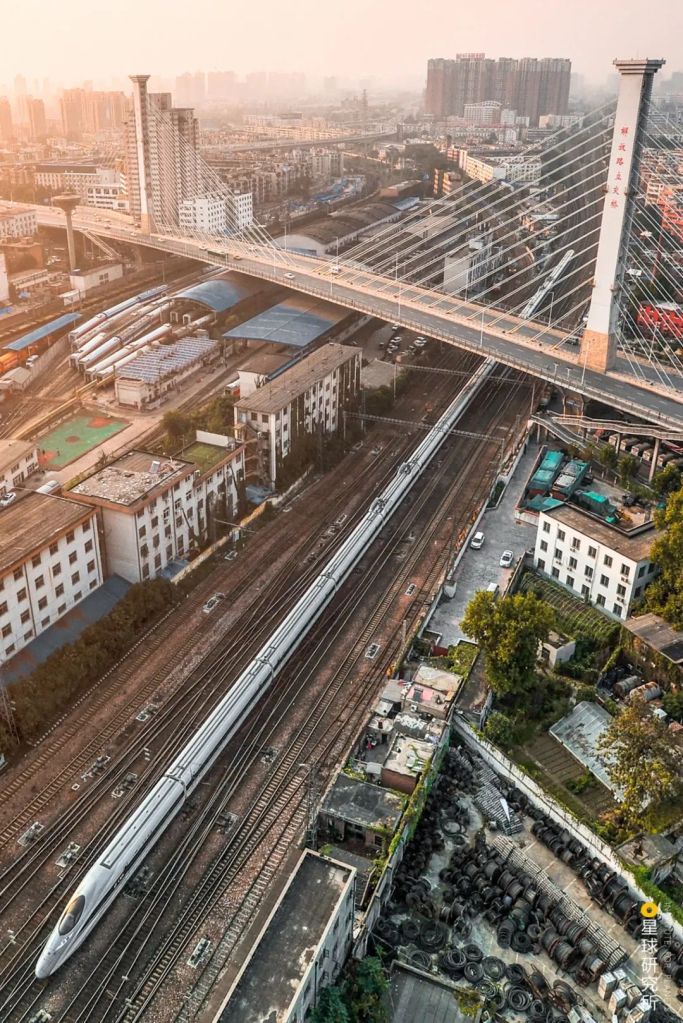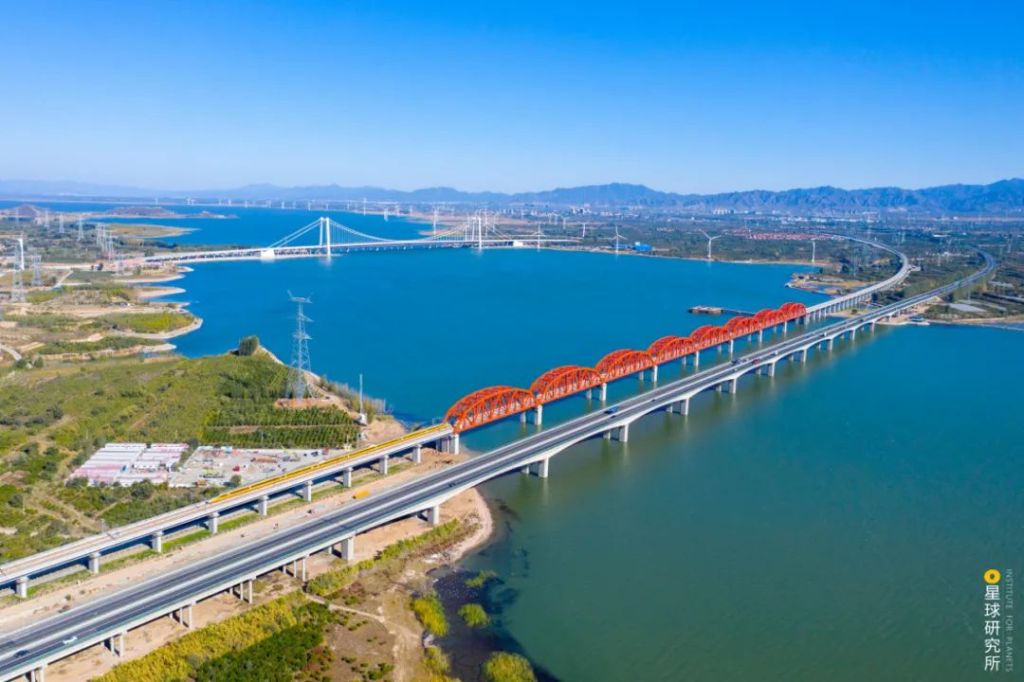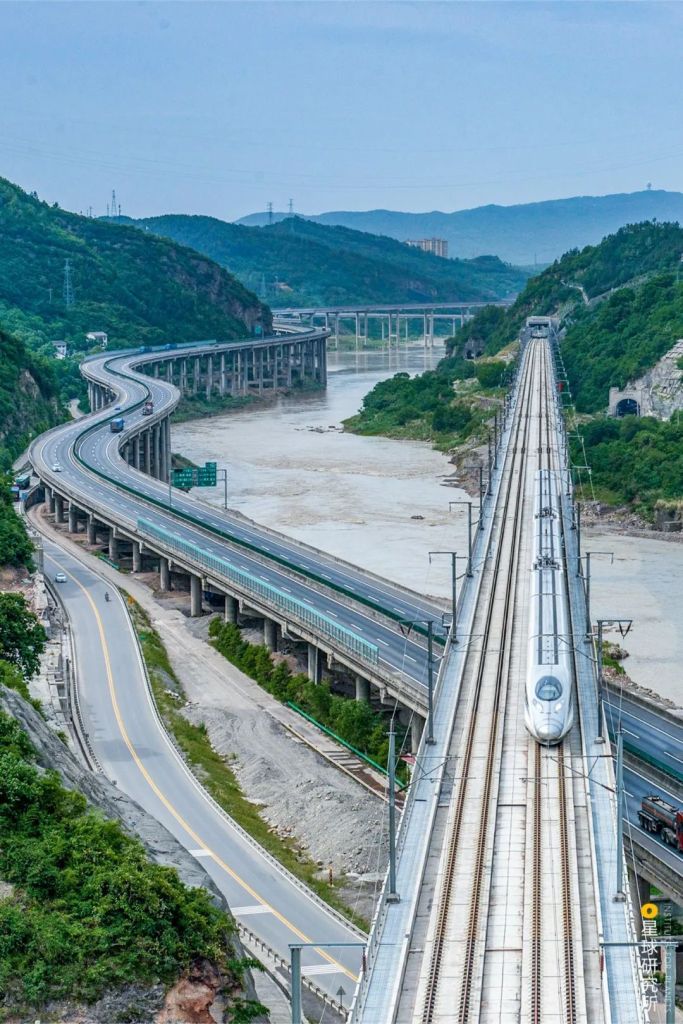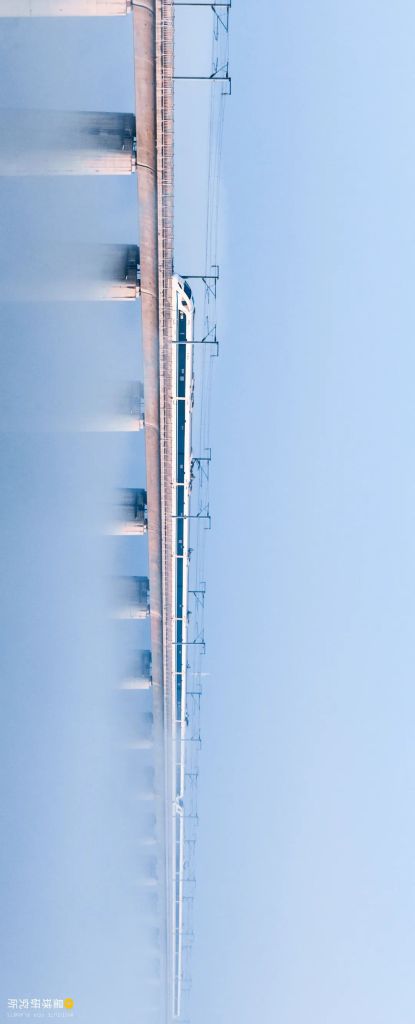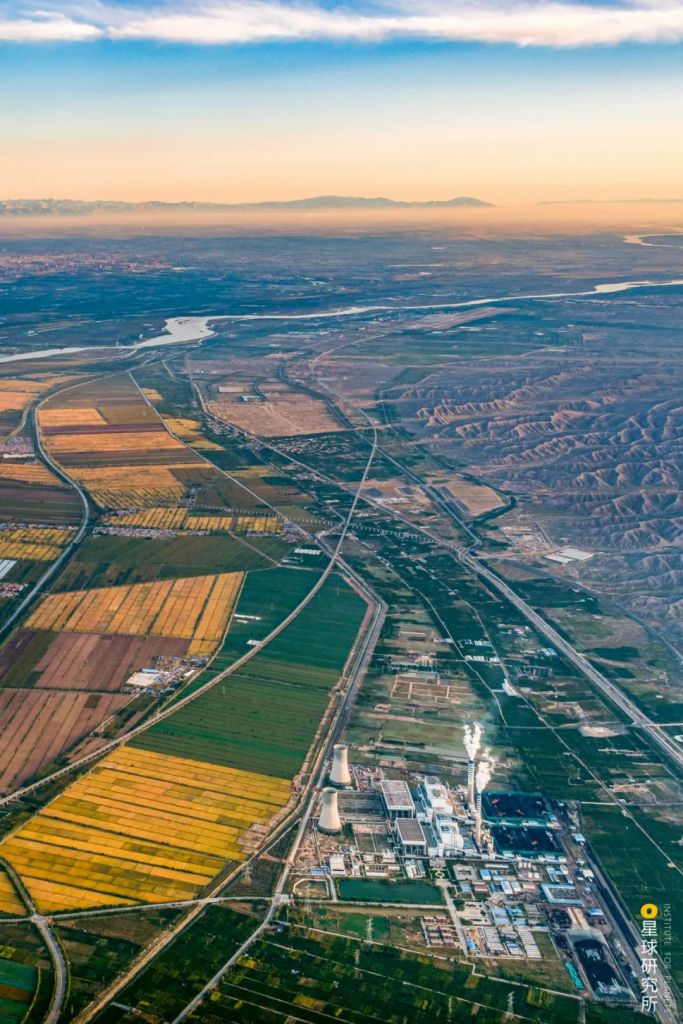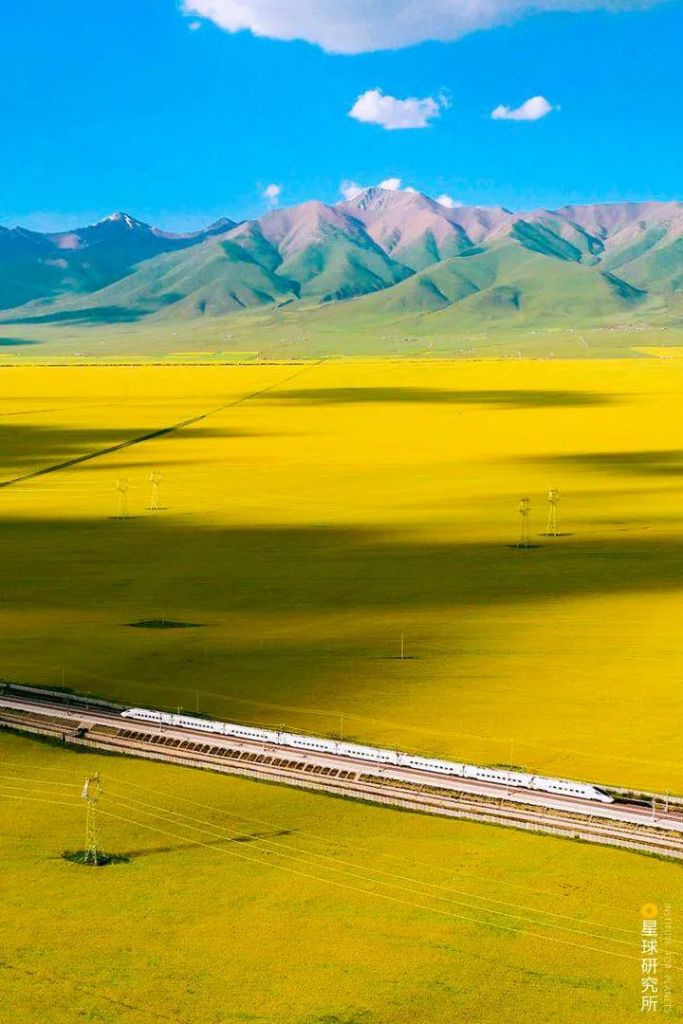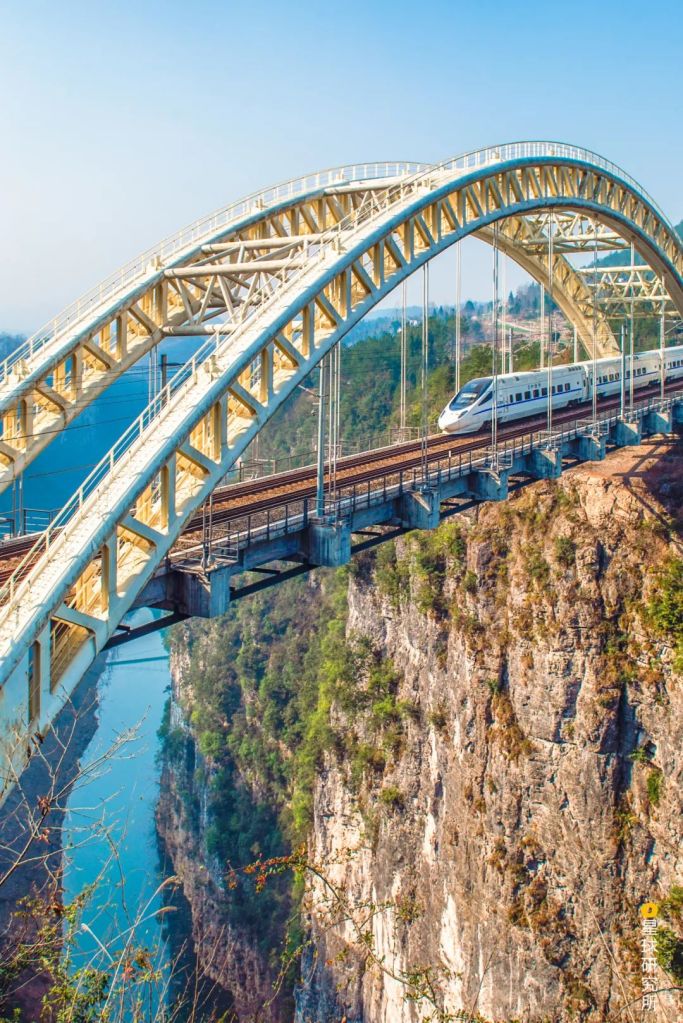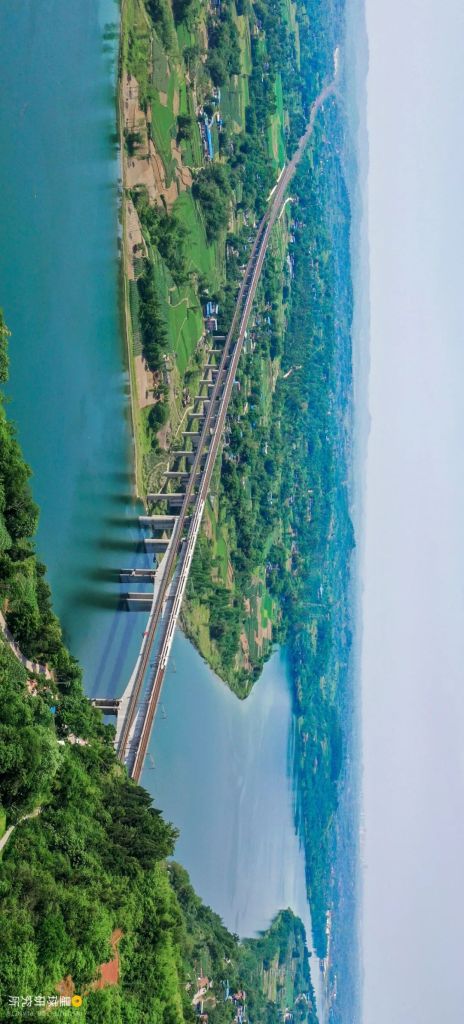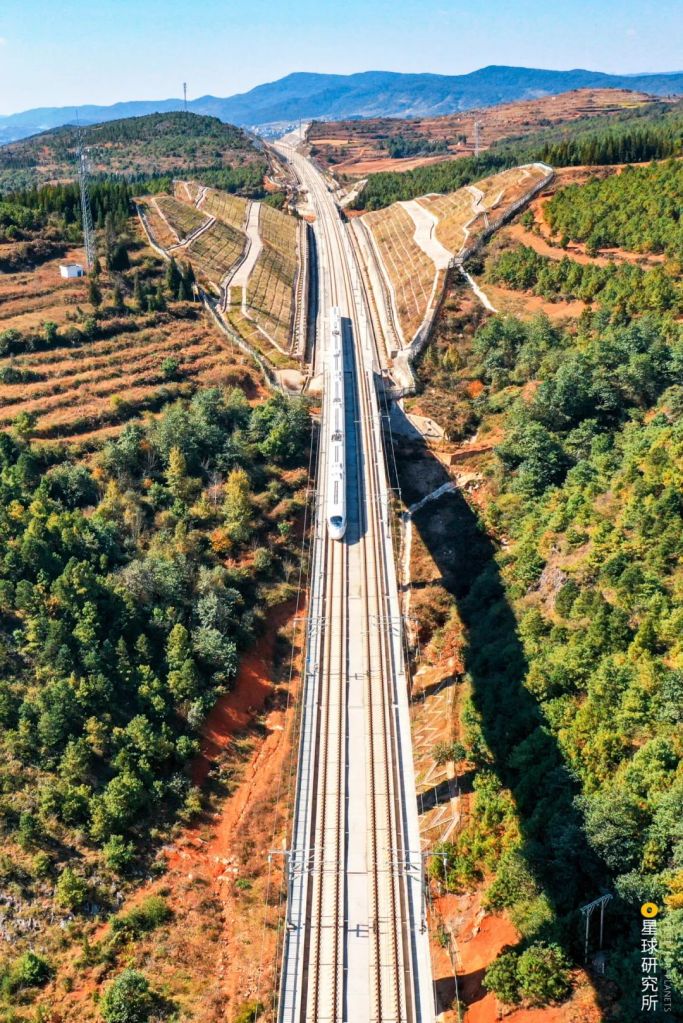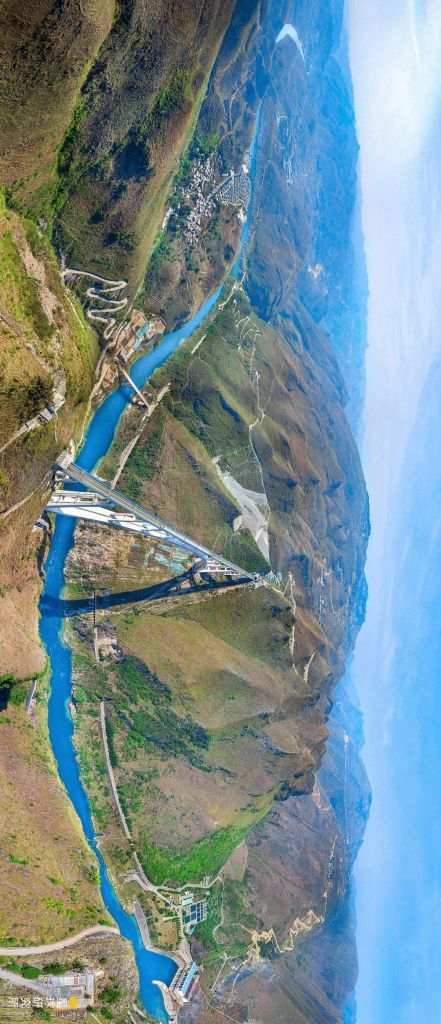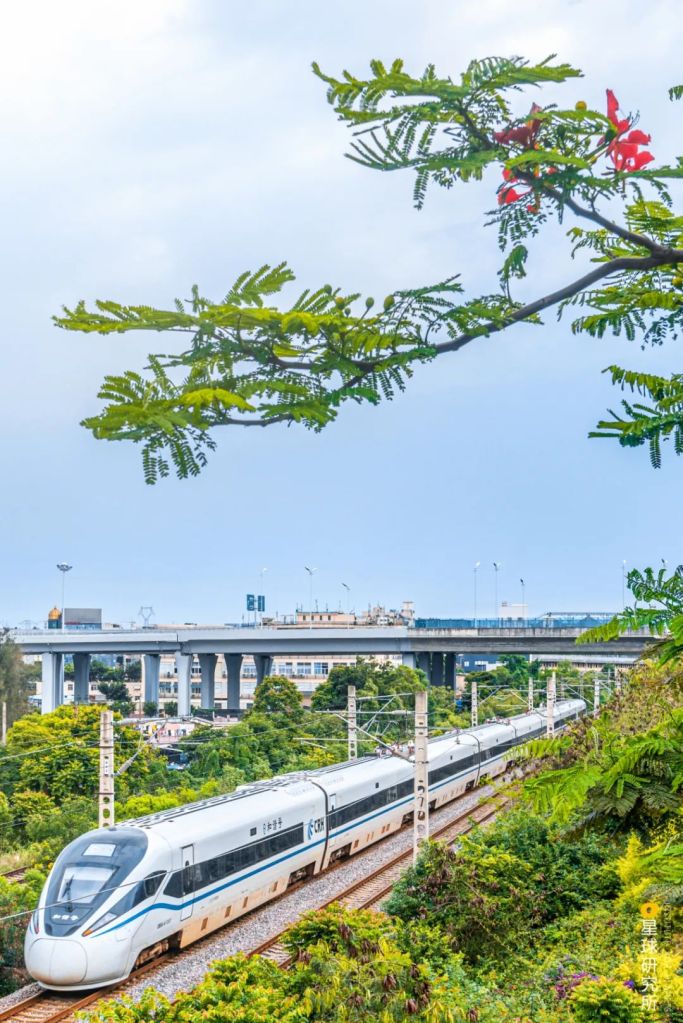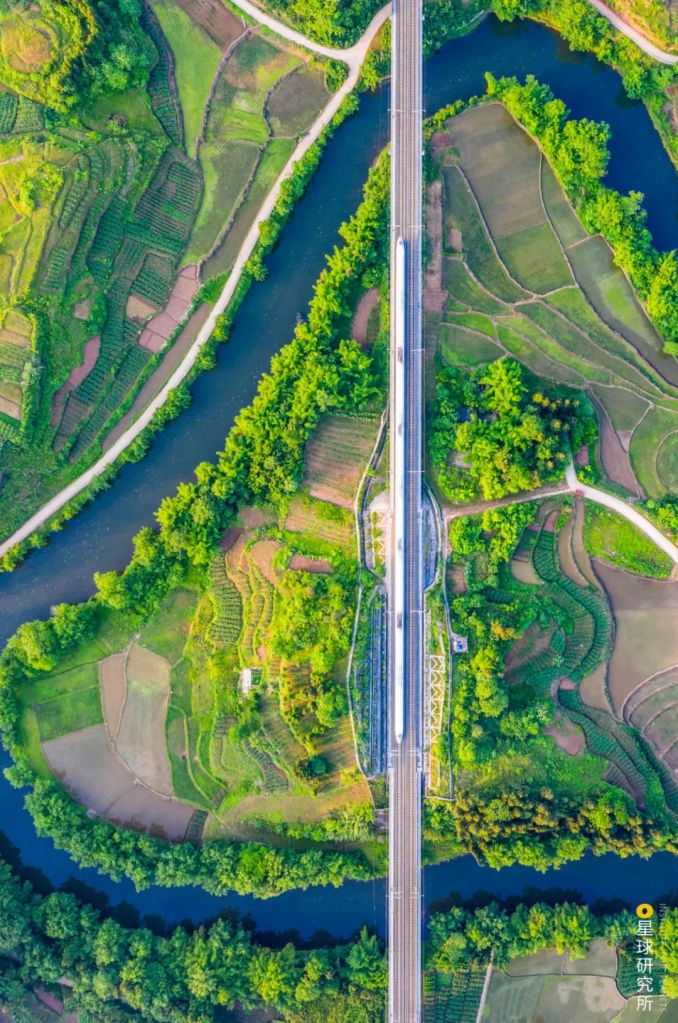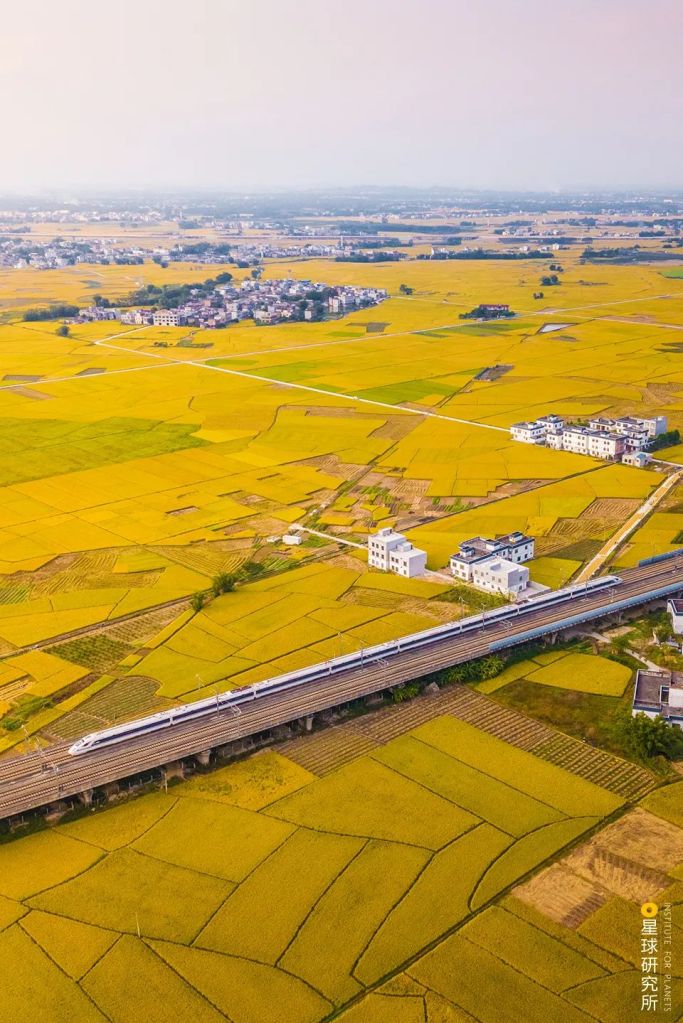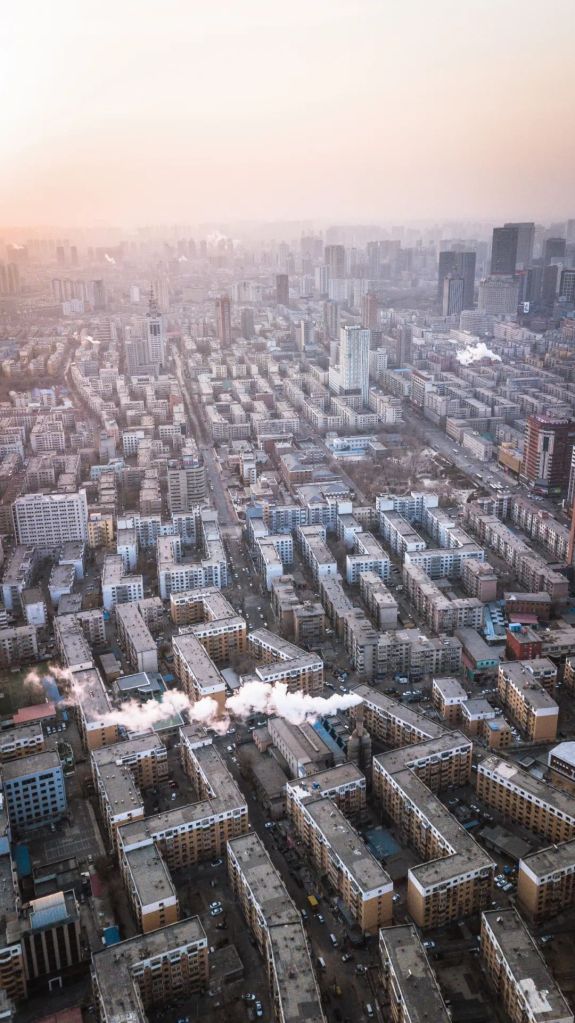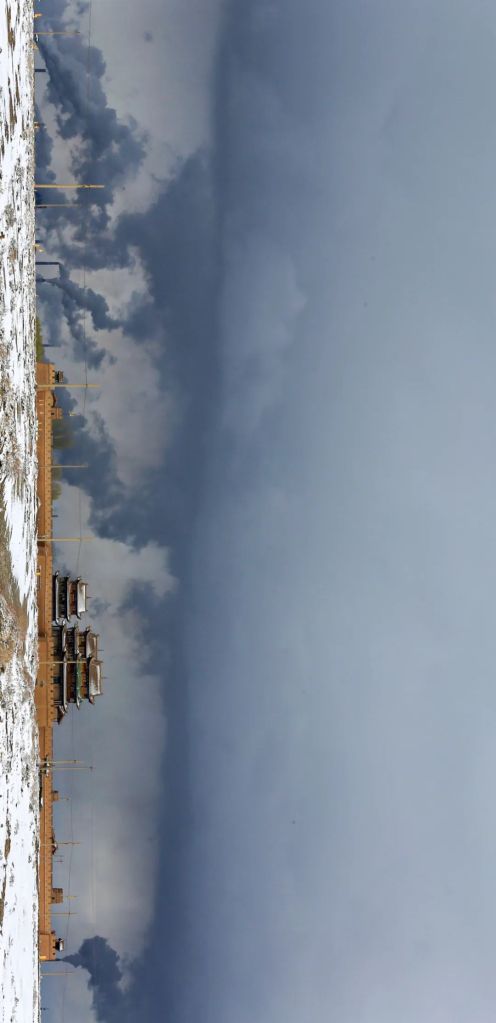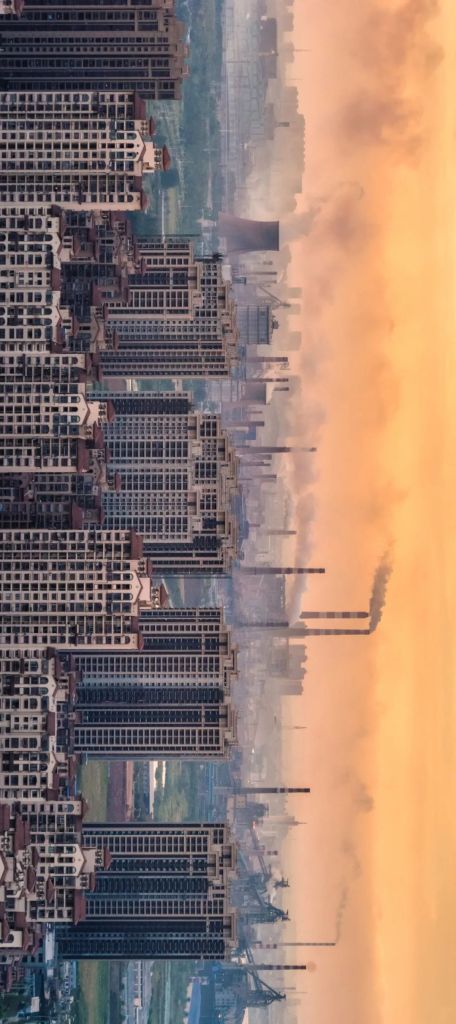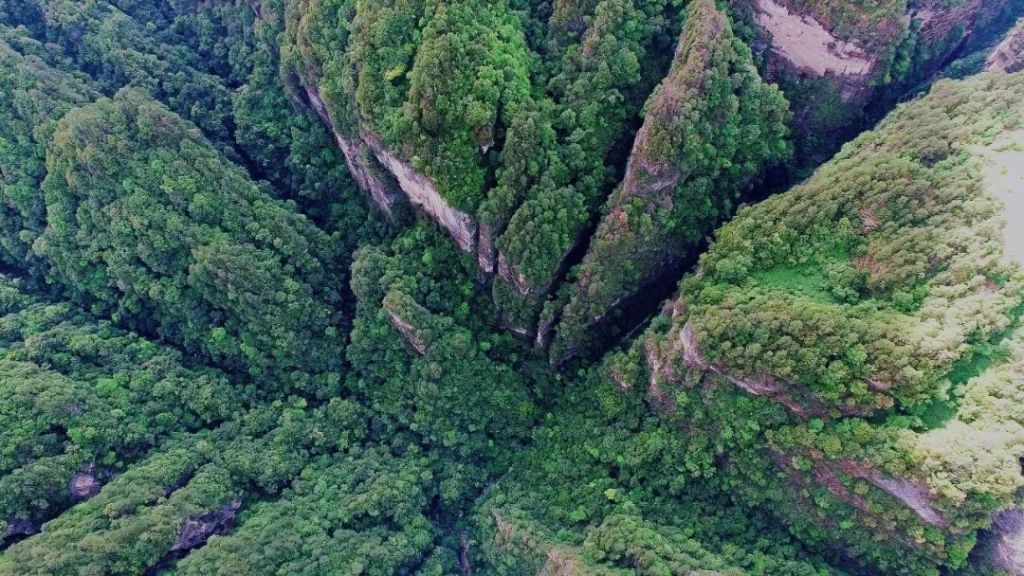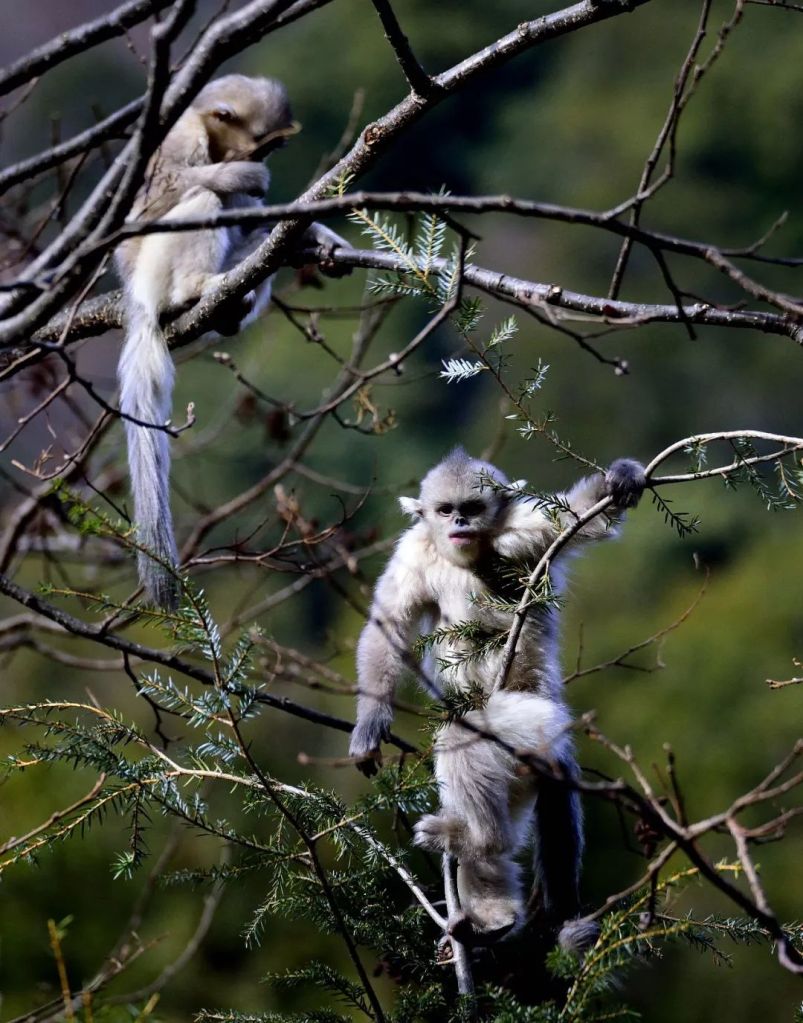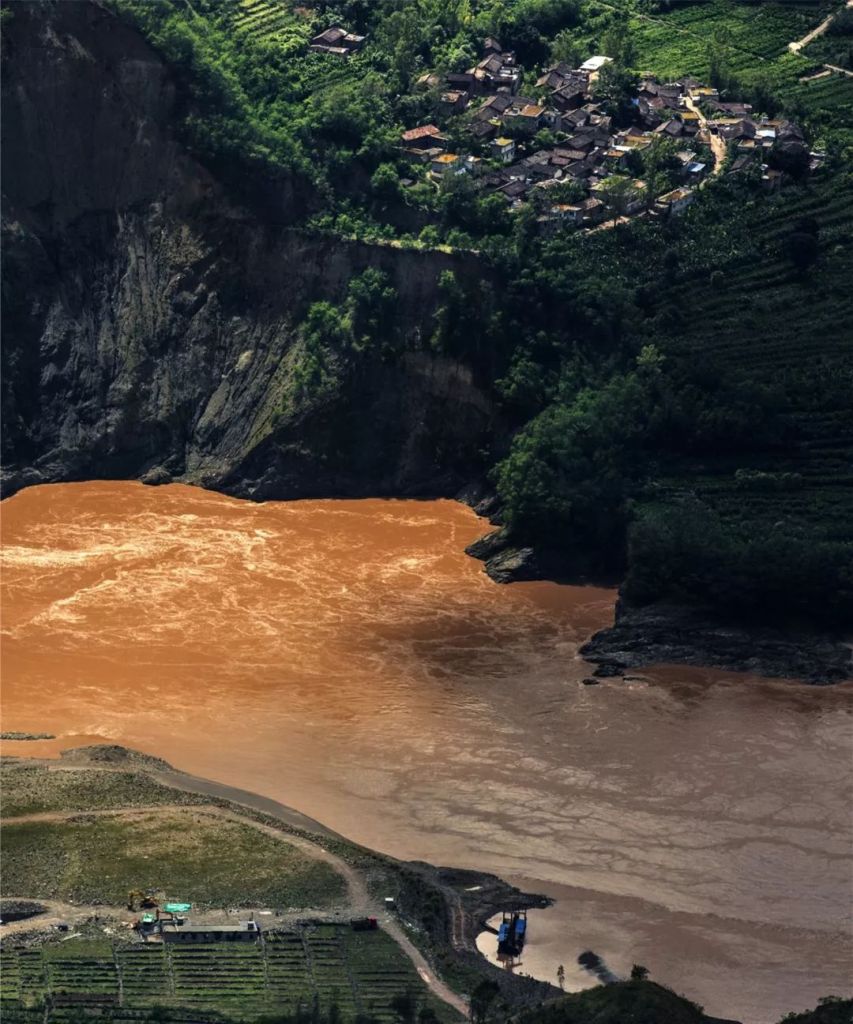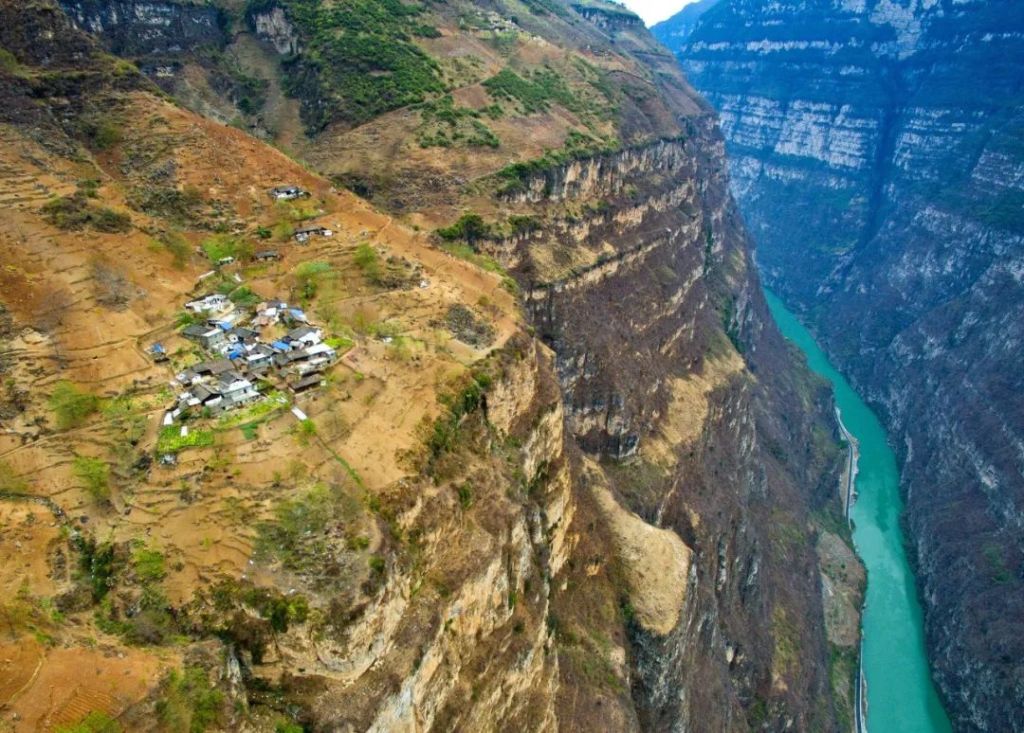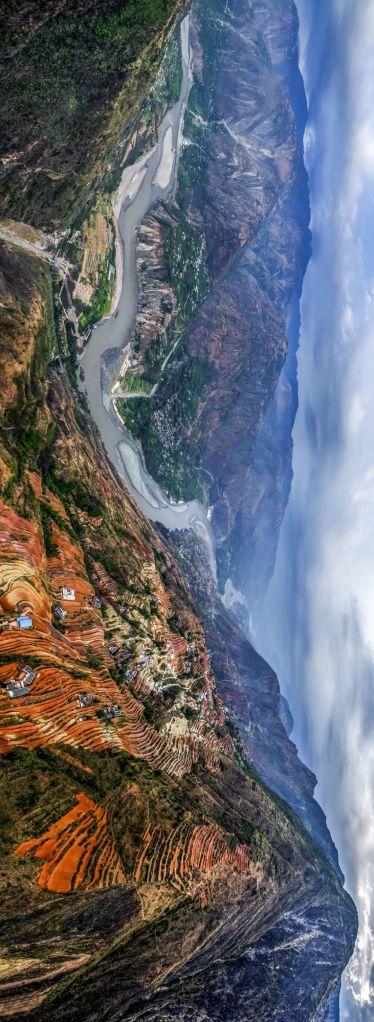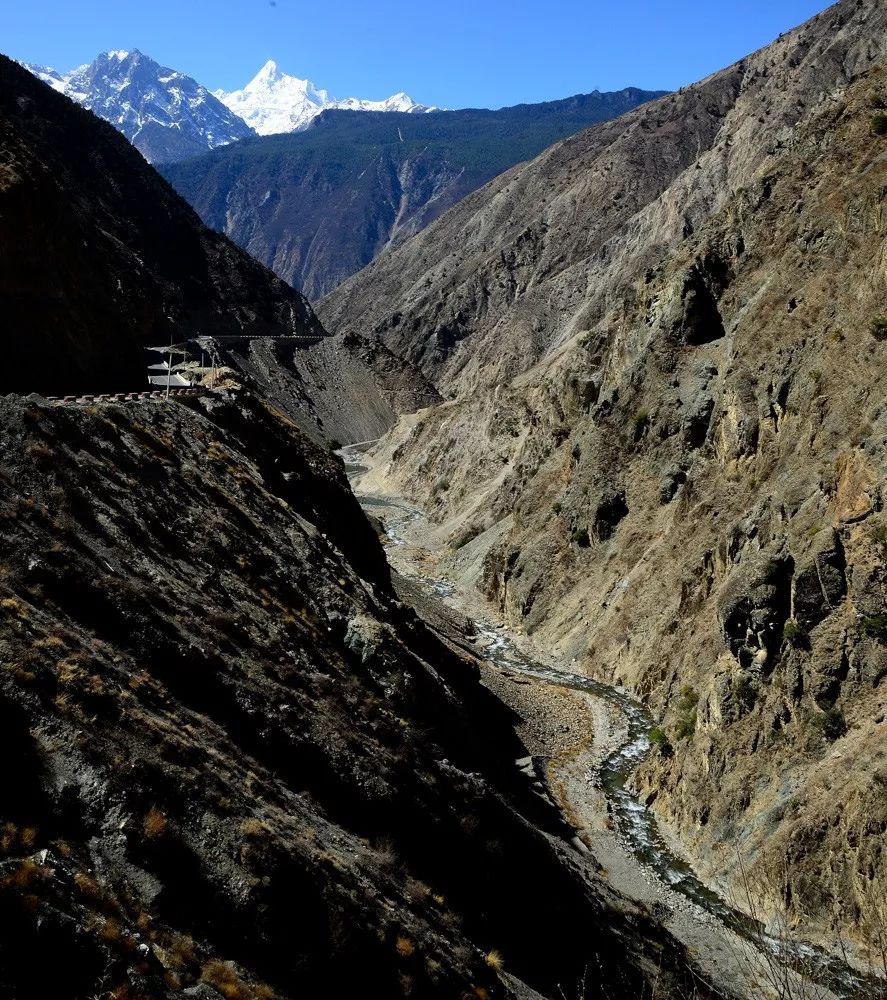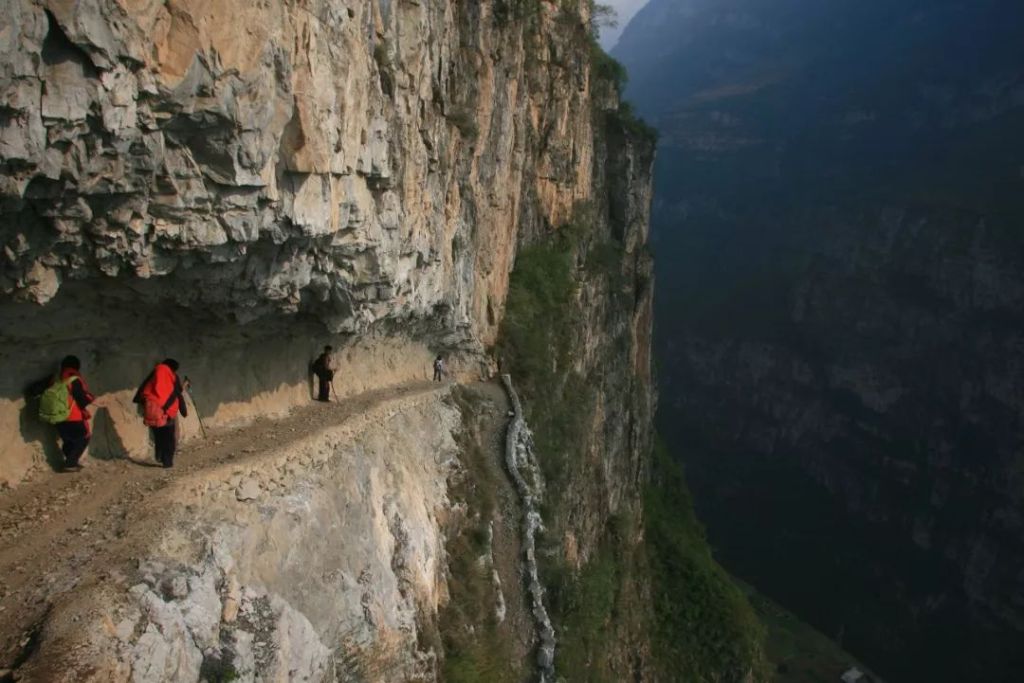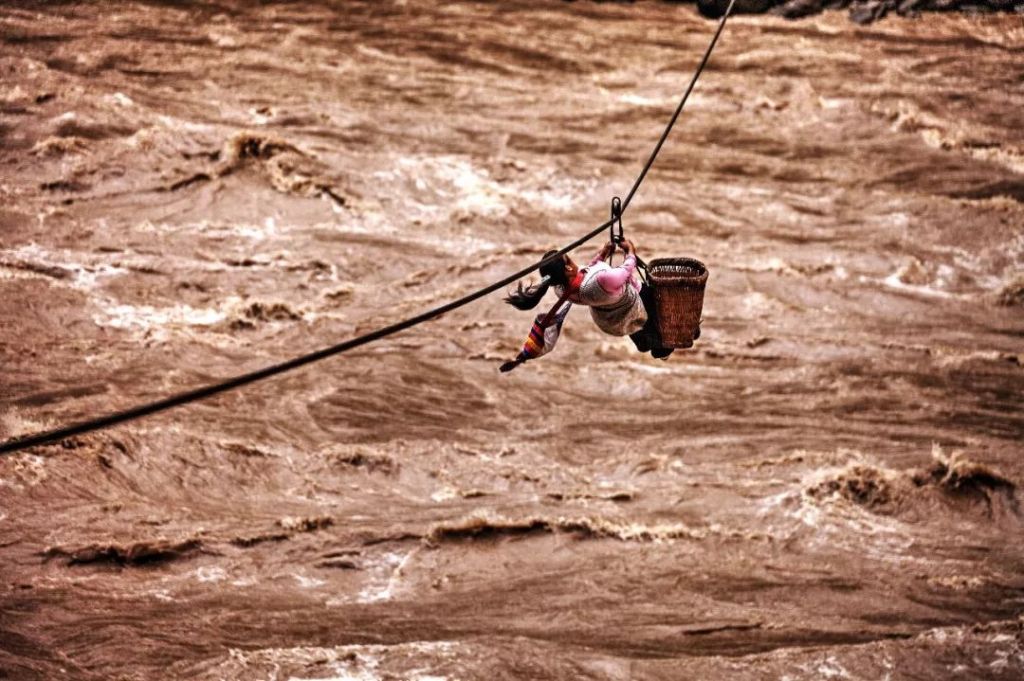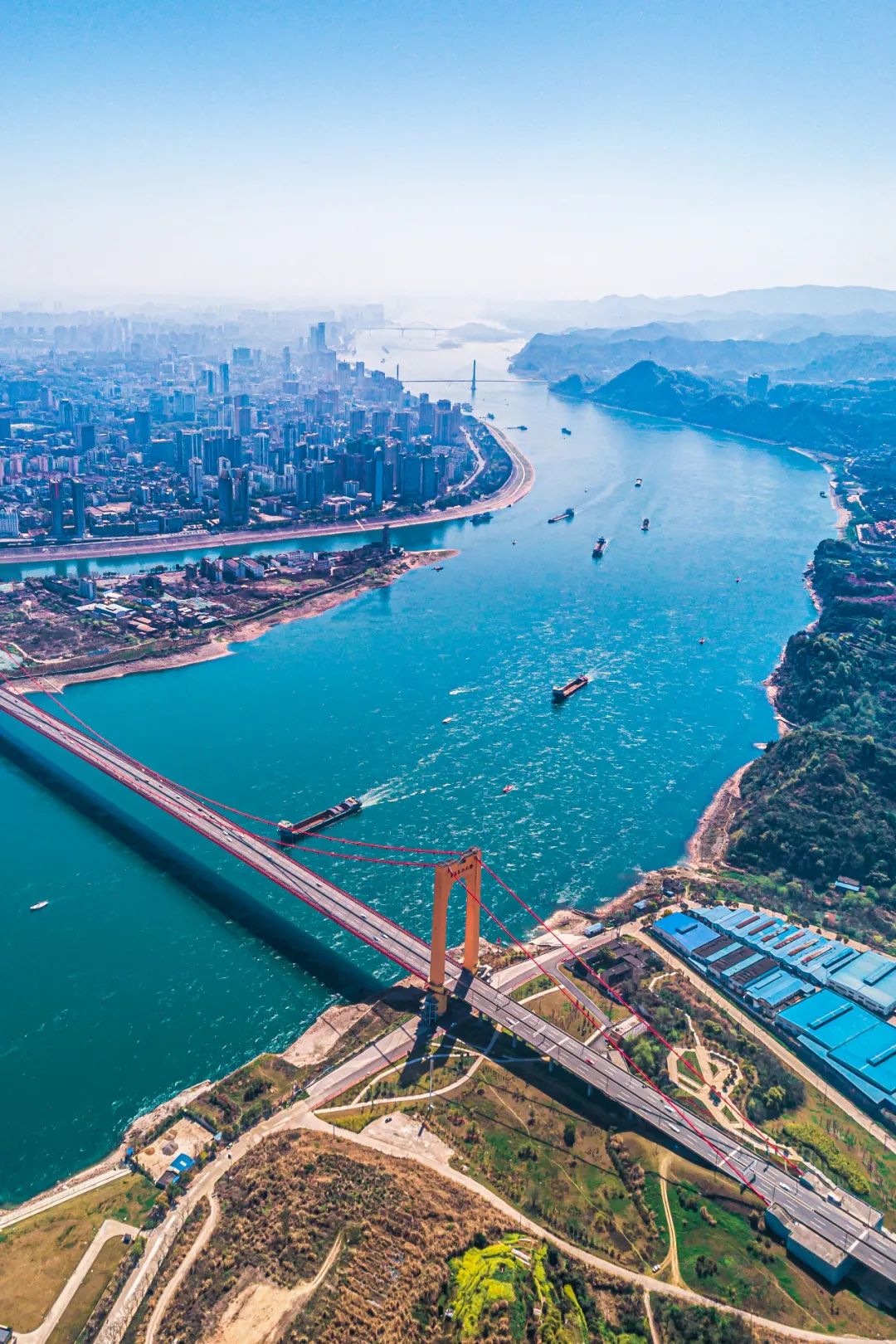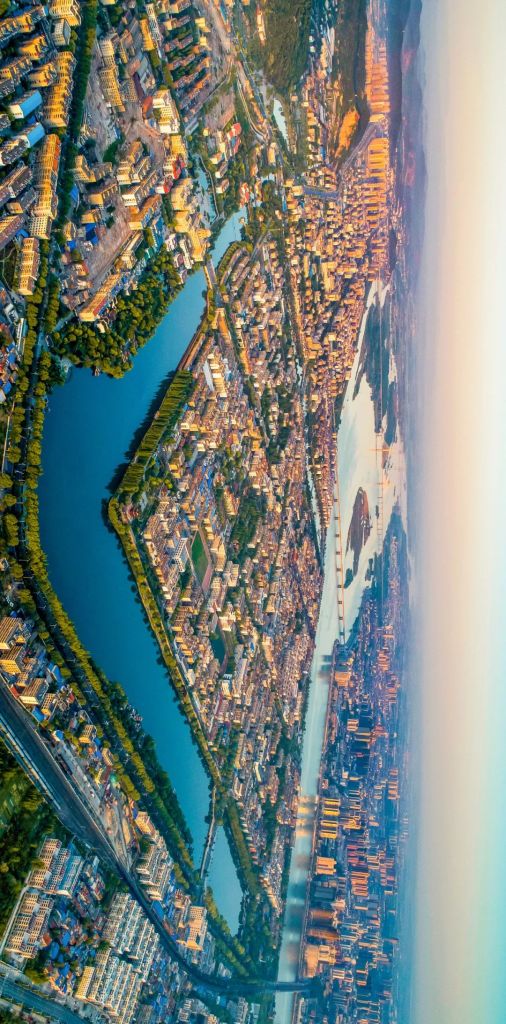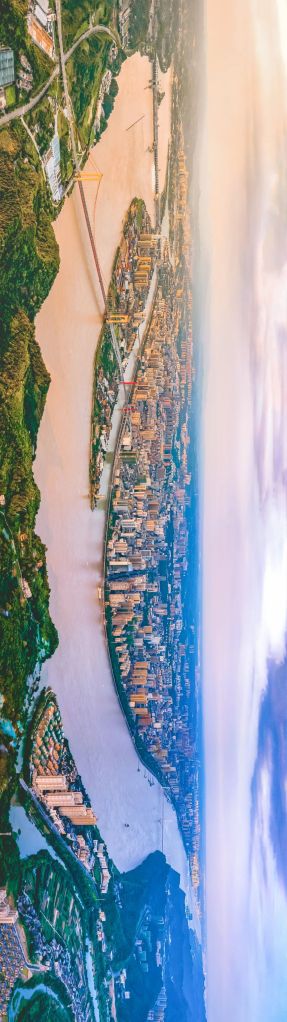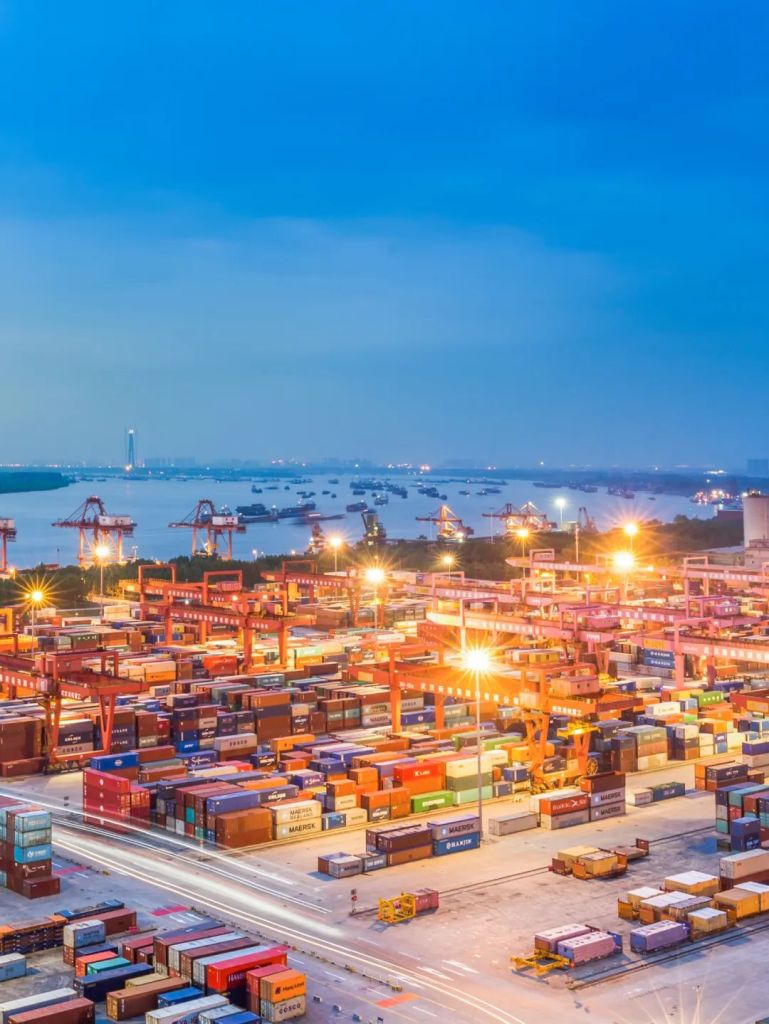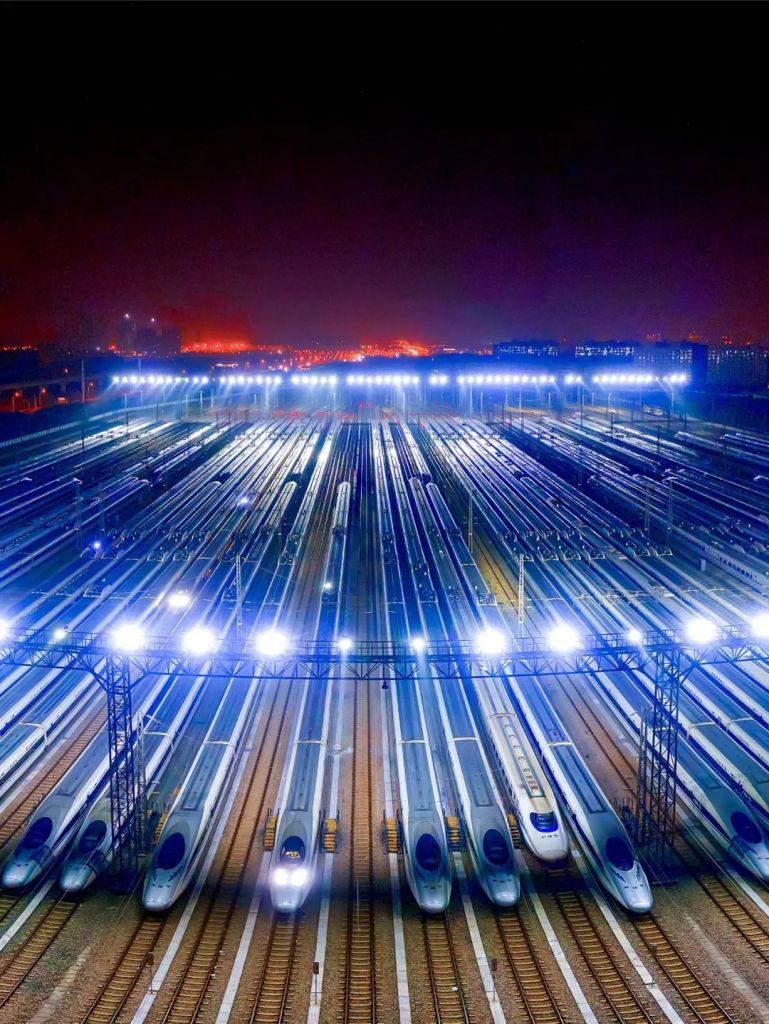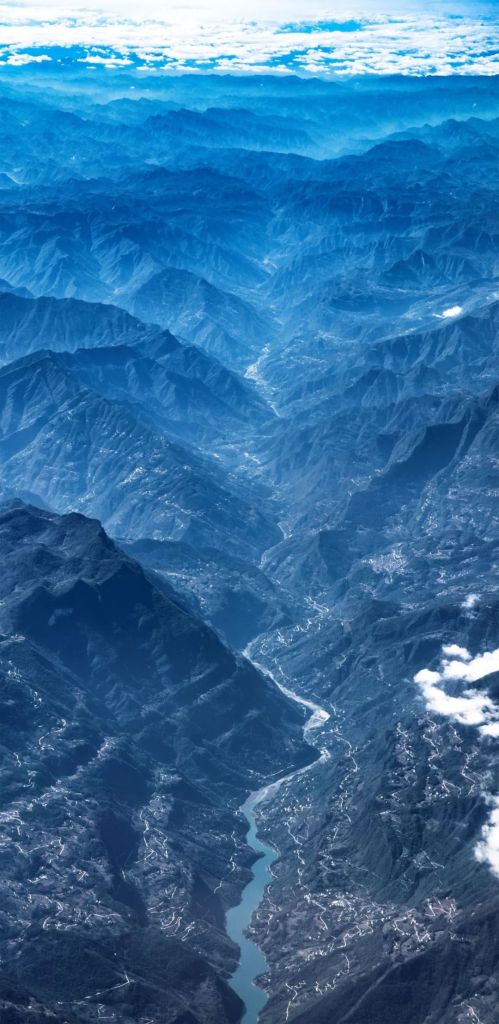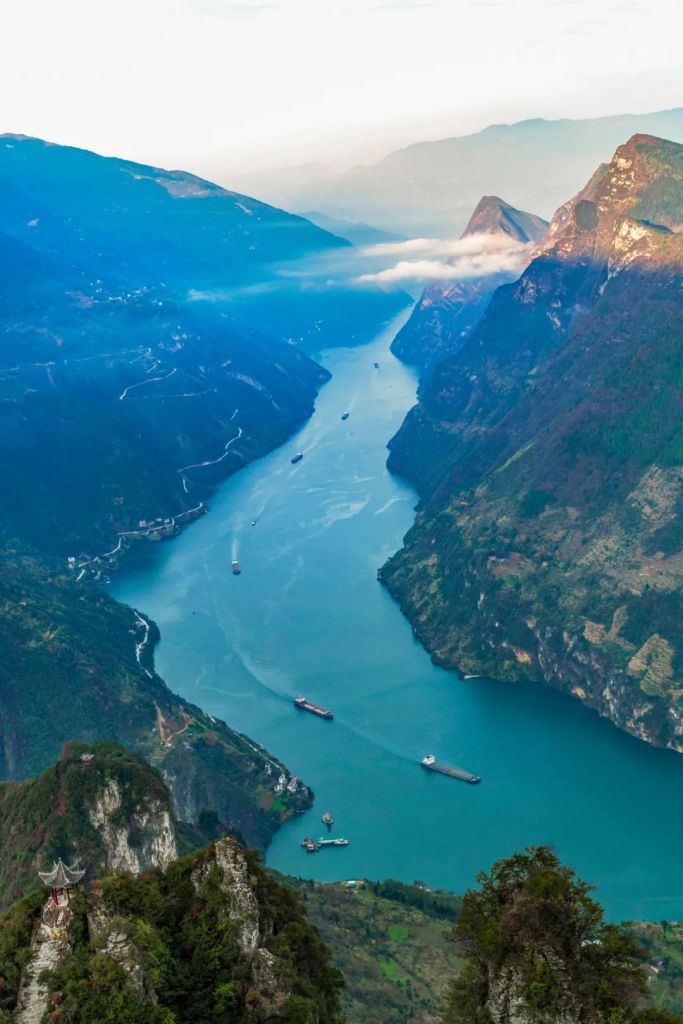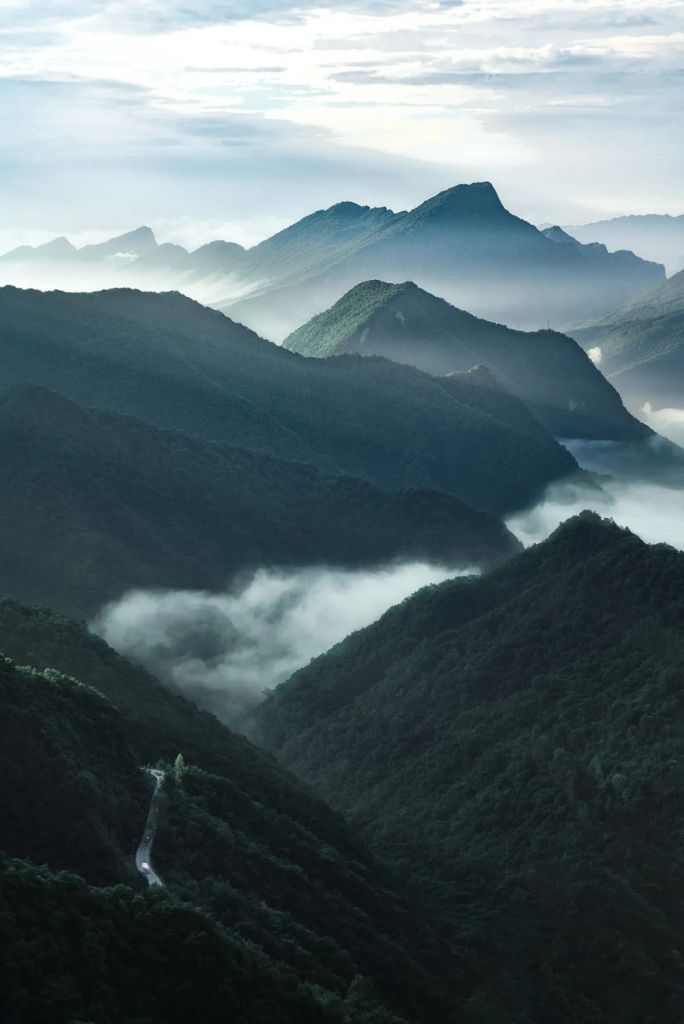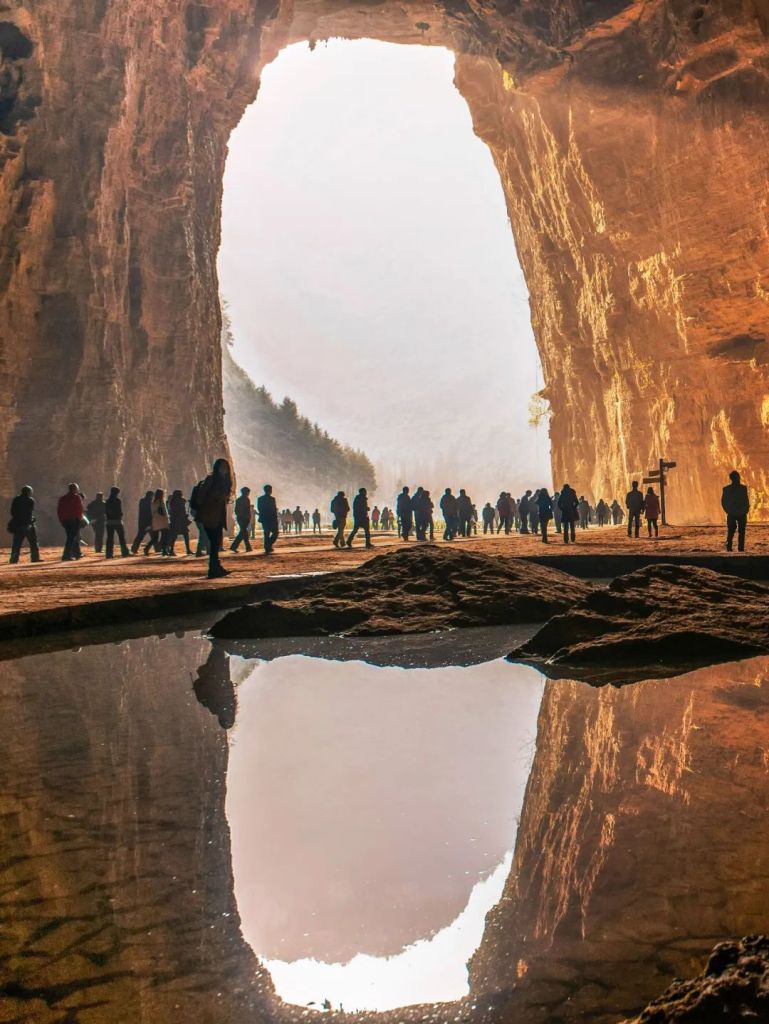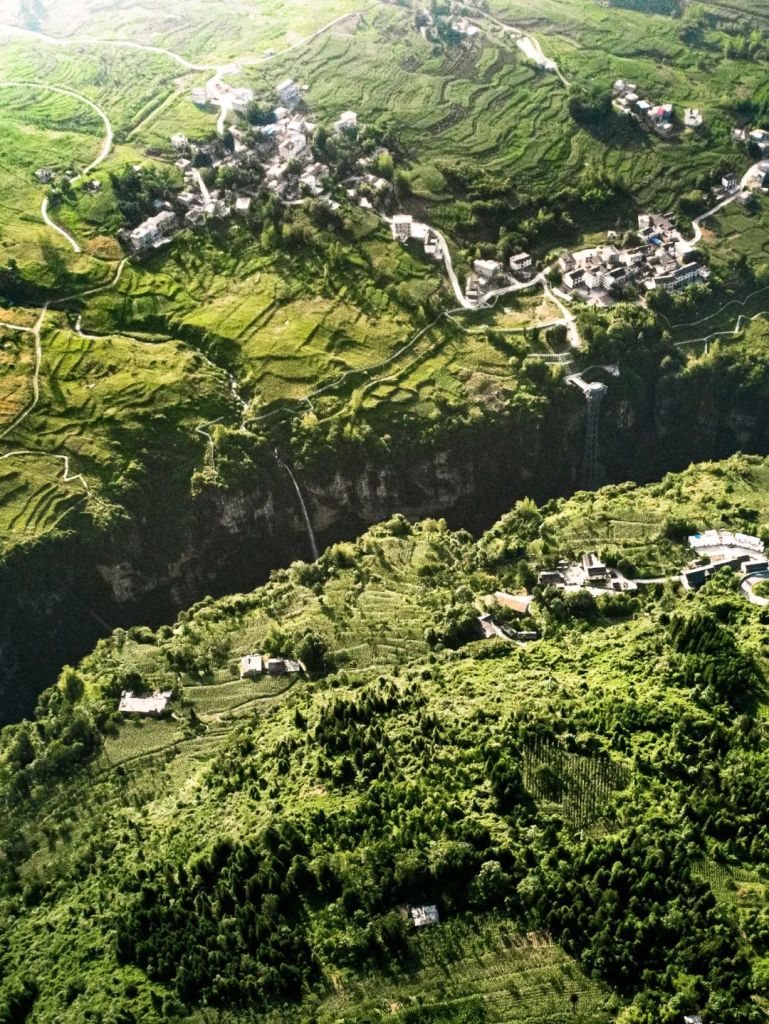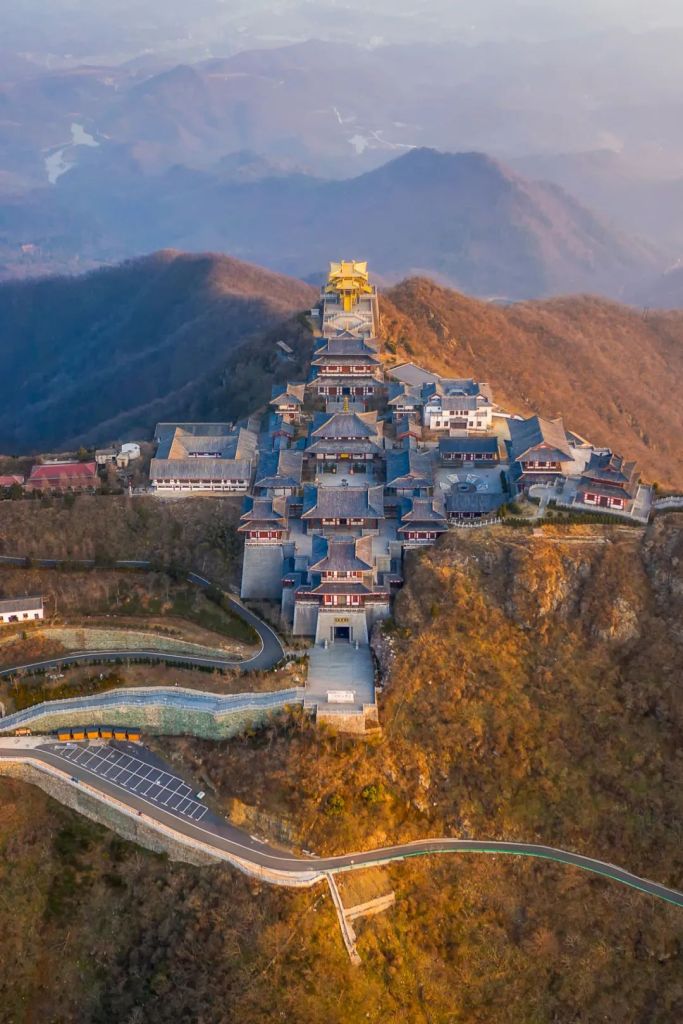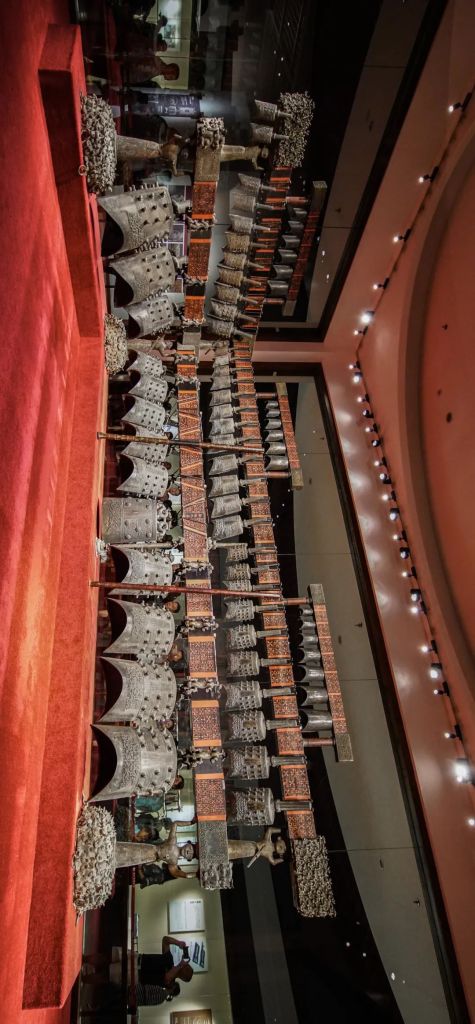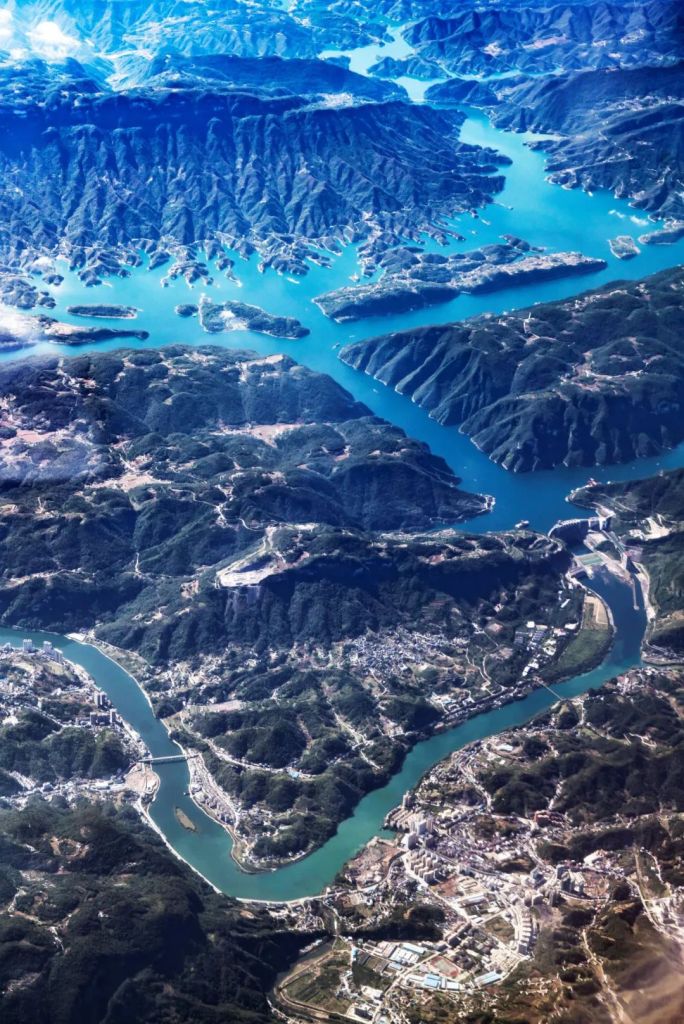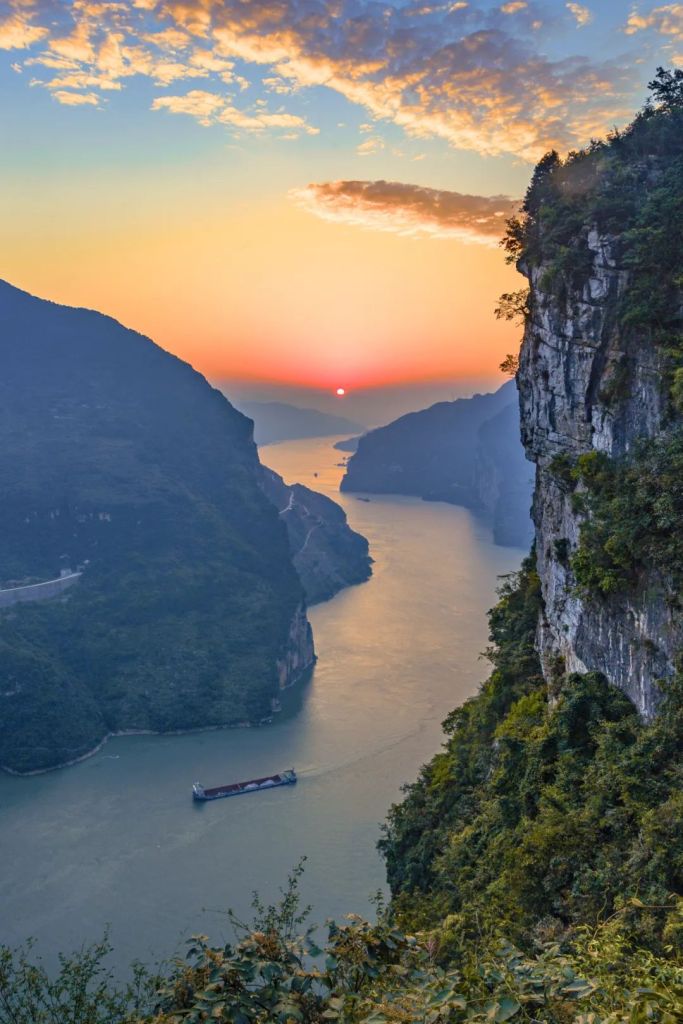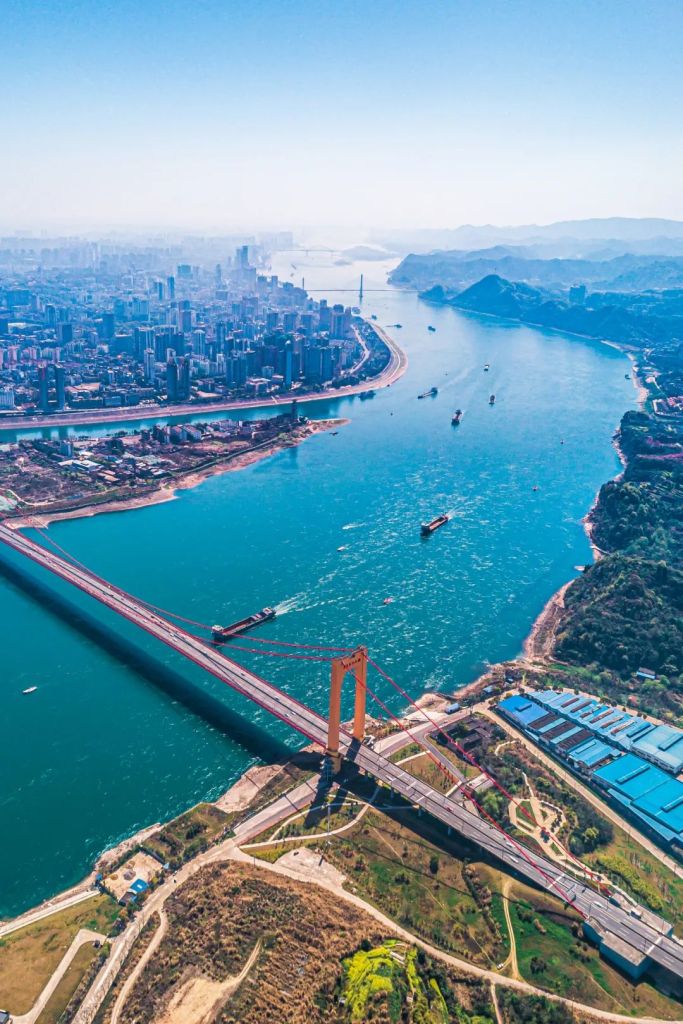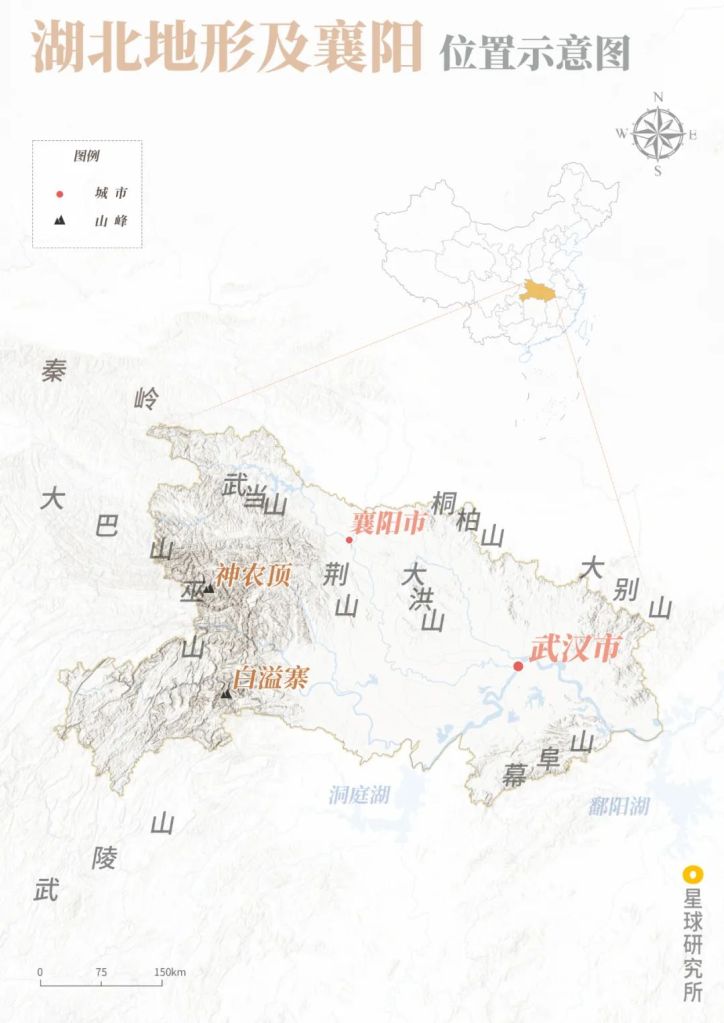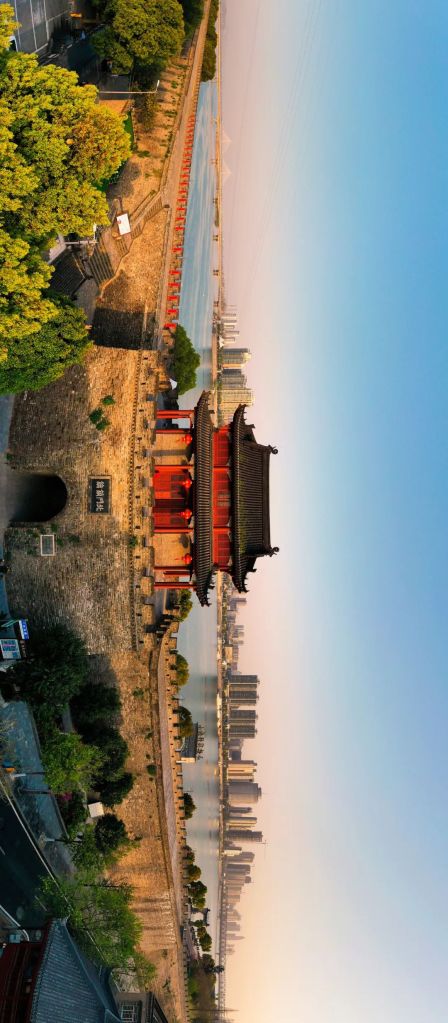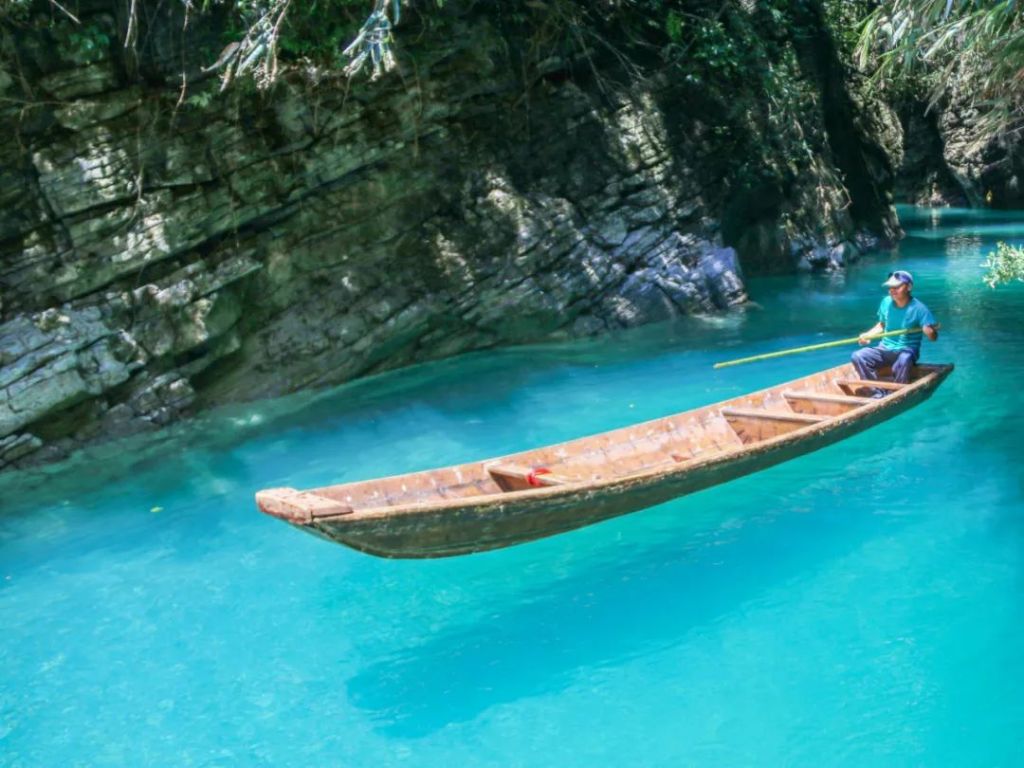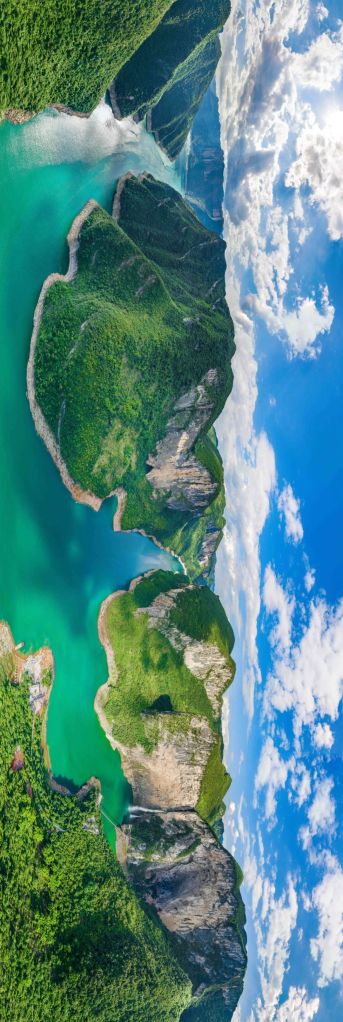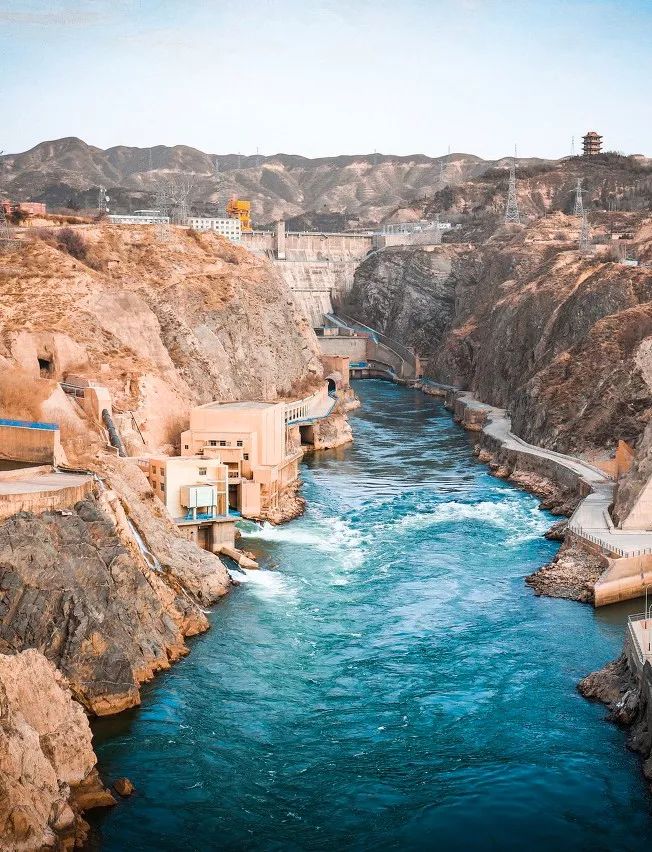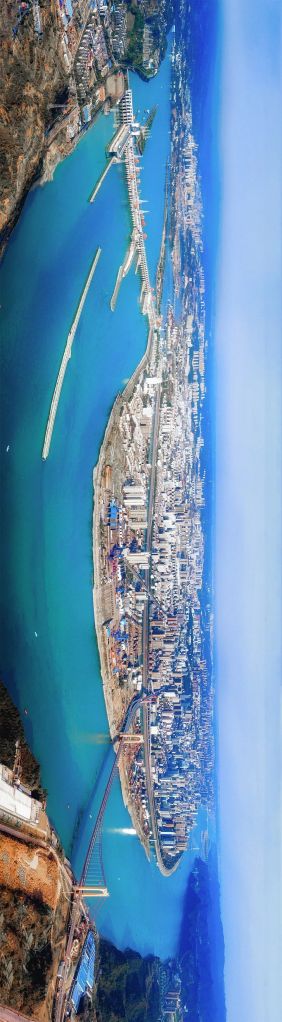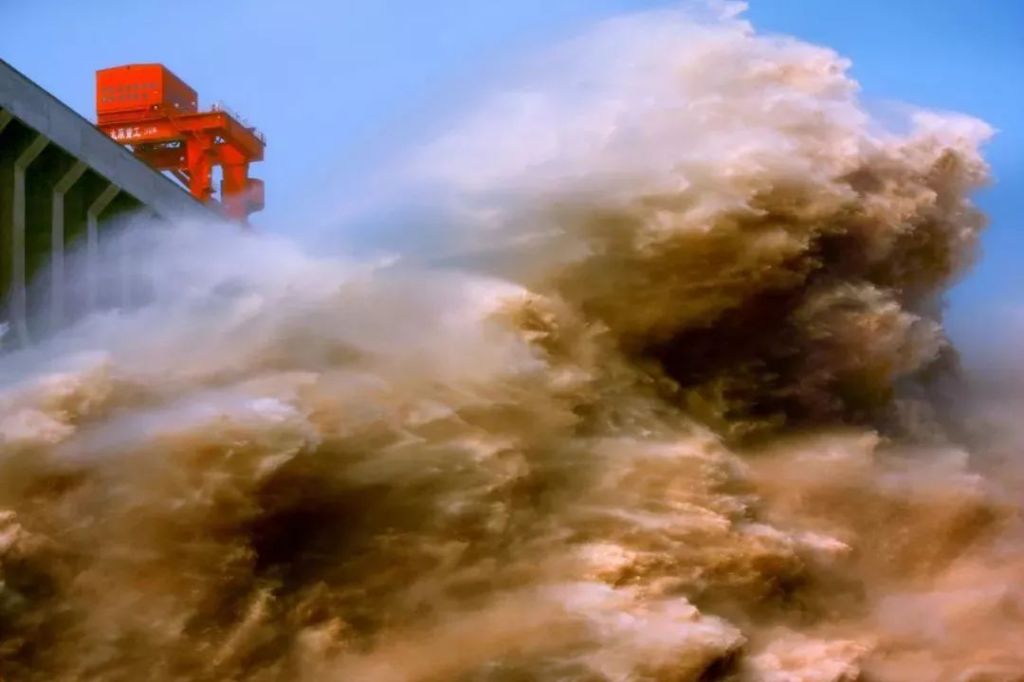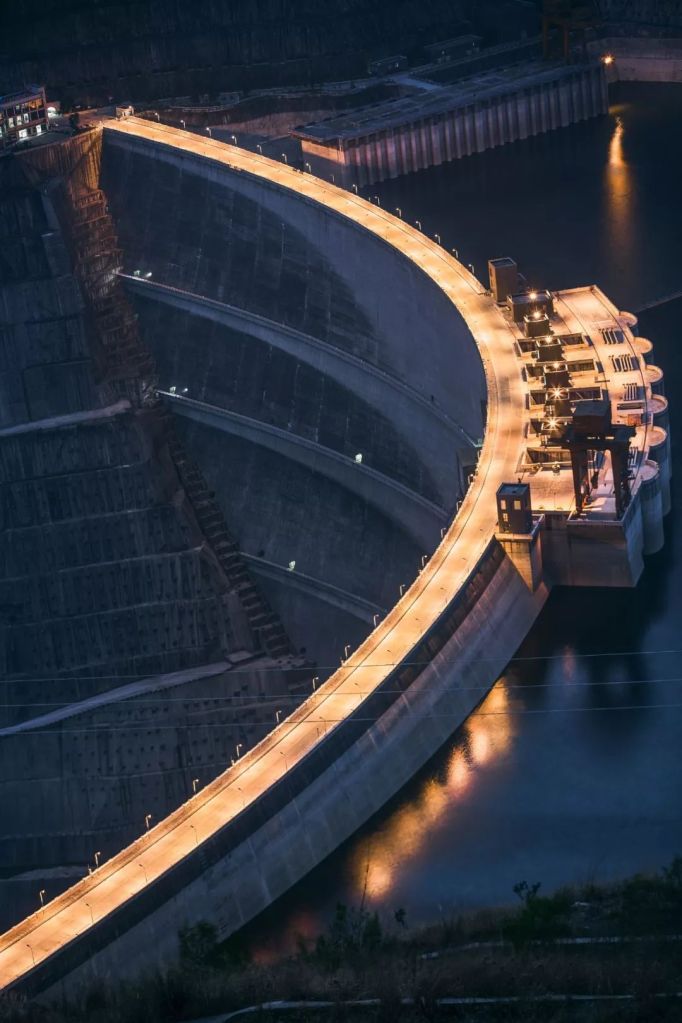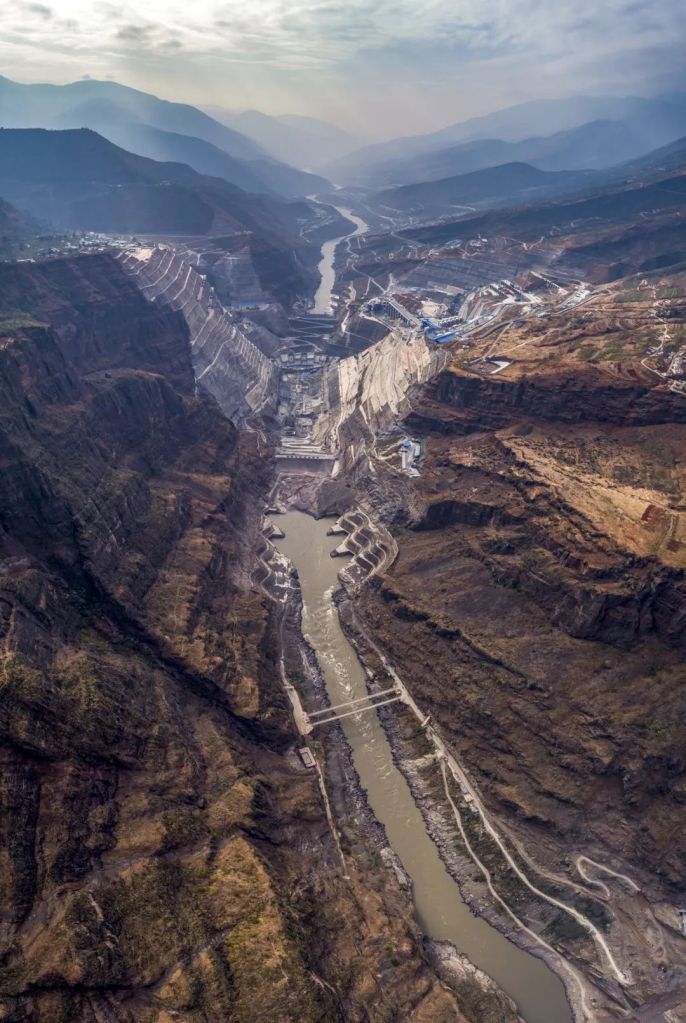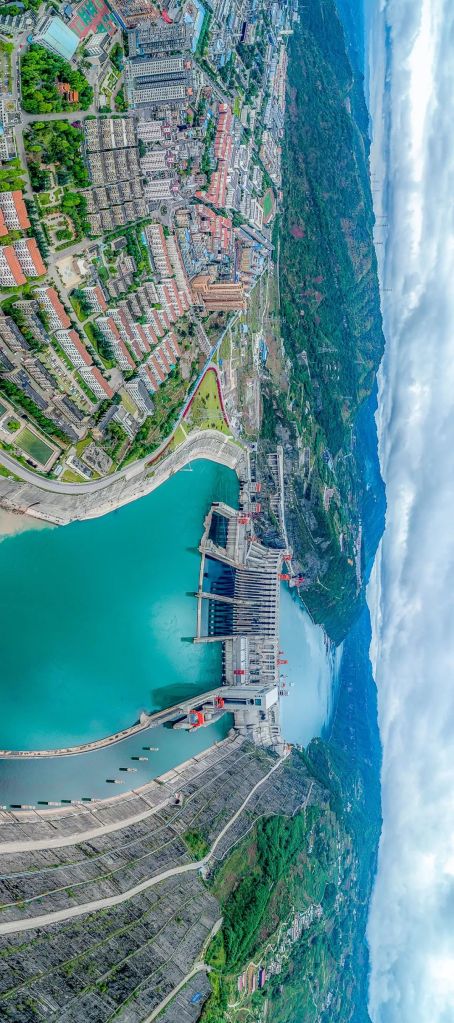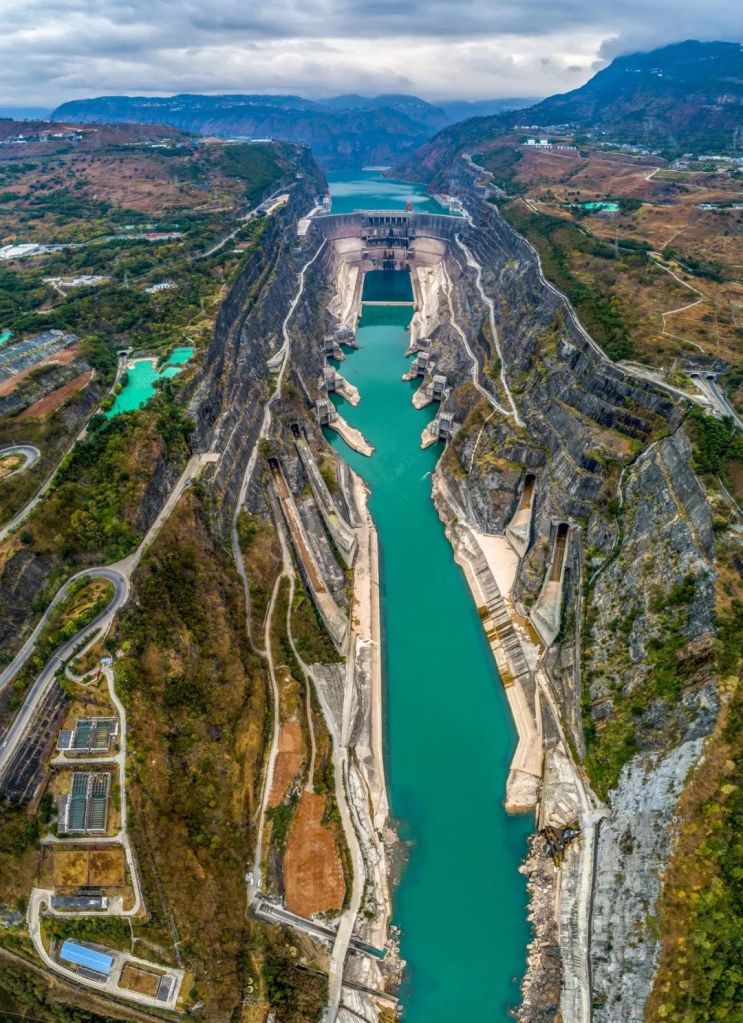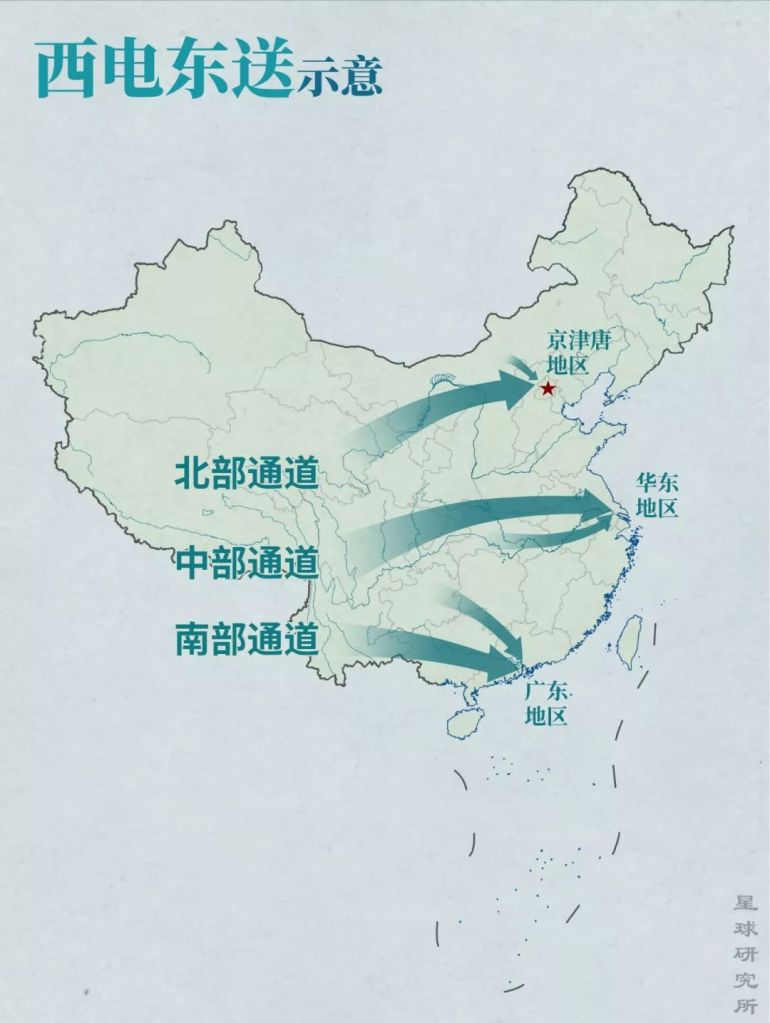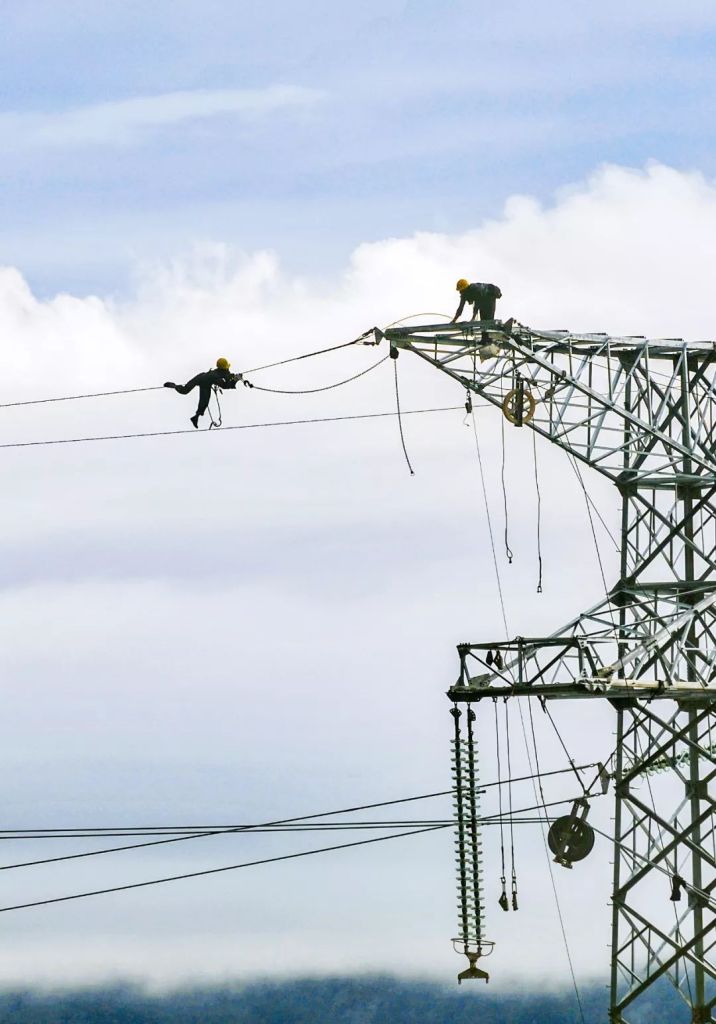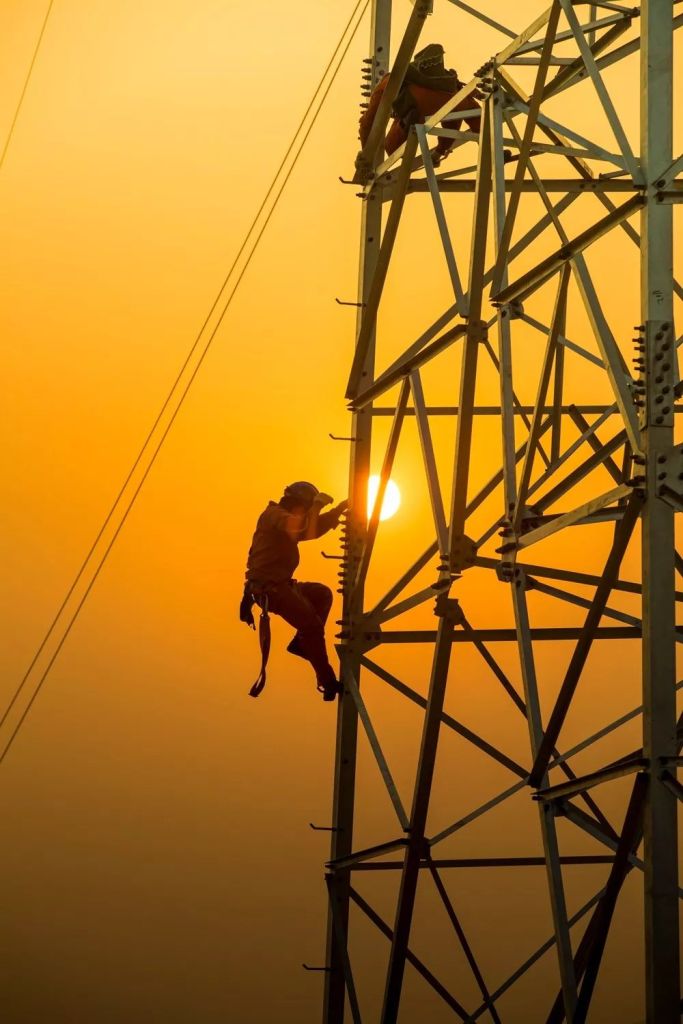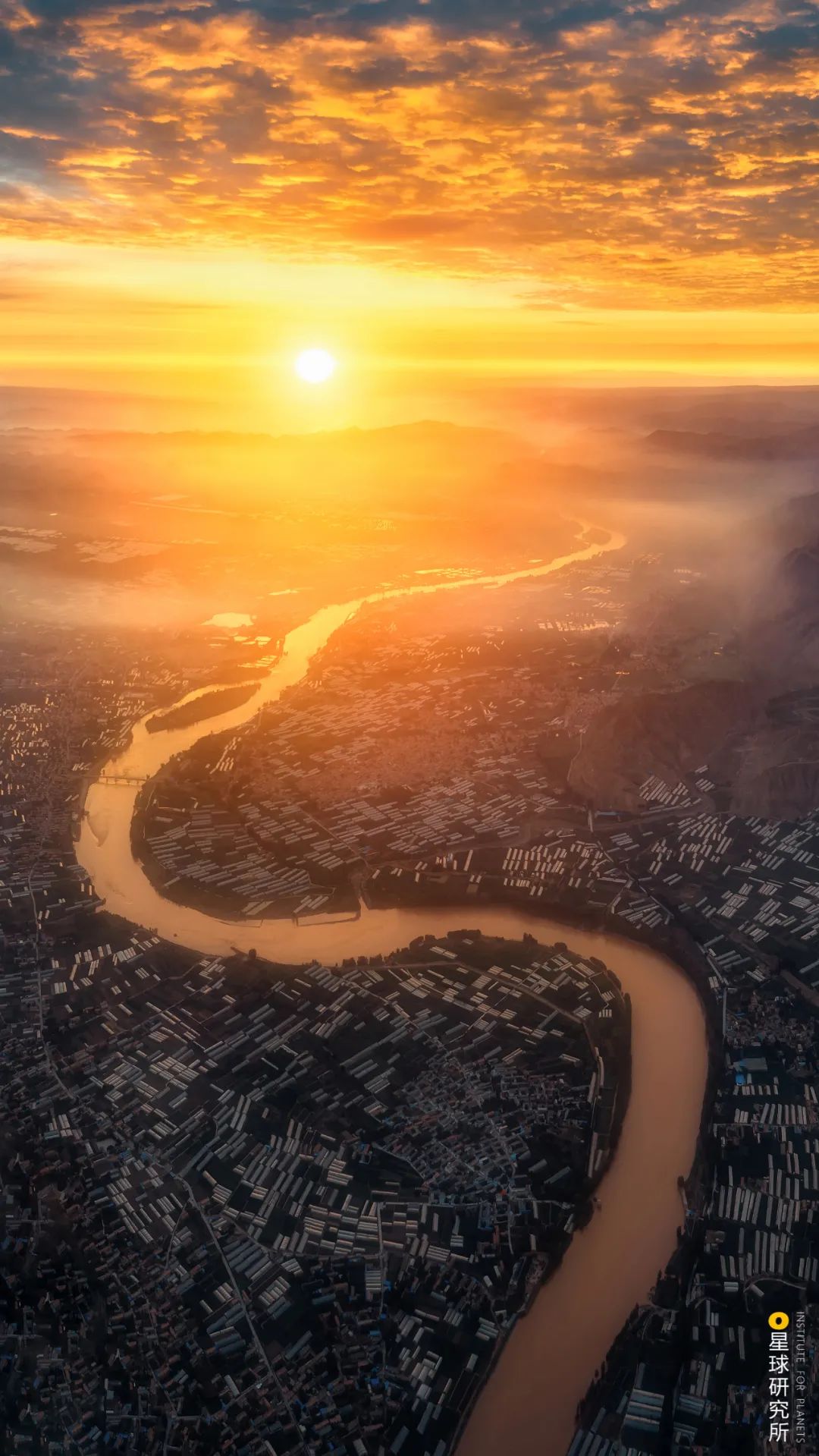
Cradle of Chinese Civilisation

Original piece: 《什么是黄河?》
Produced by Institute for Planets (星球研究所)
Written by 风子
Translated by Kelvin Kwok

Posted with permission from Institute for Planets

The surging power of a surging nation

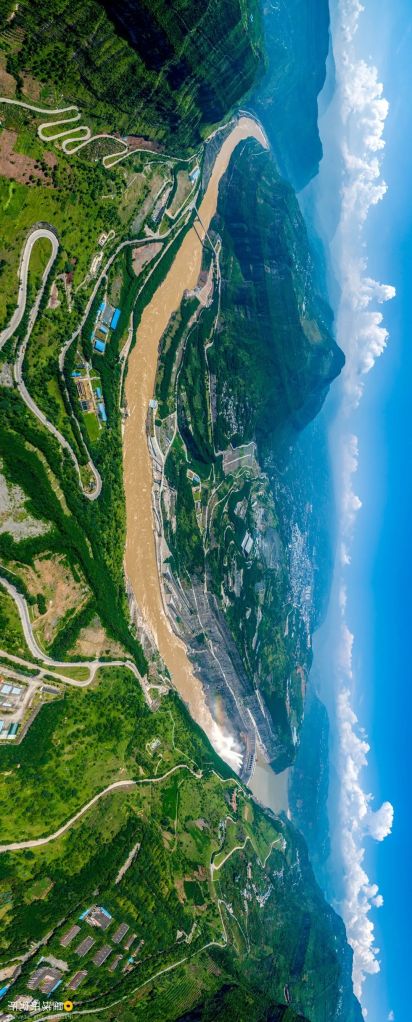
Most people have heard of the Yellow River of China, but few truly know its brilliance.

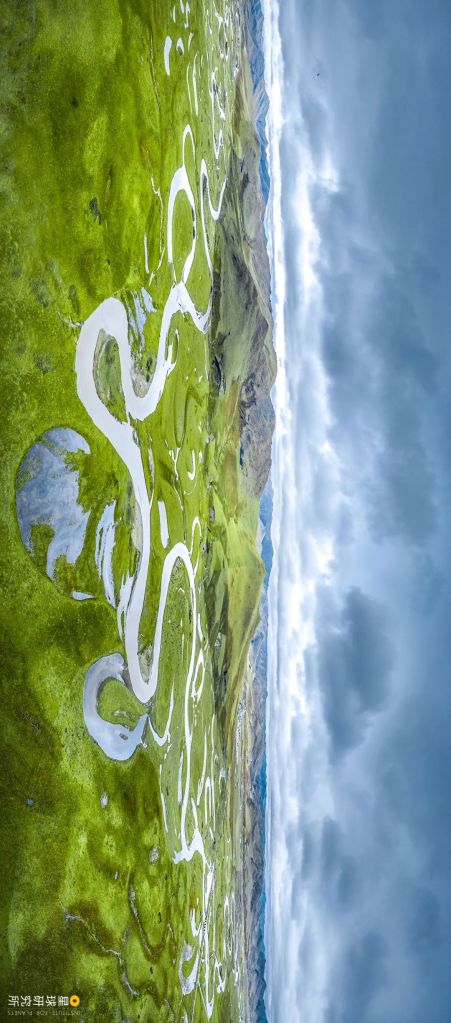
The river travels across vast distance. Close to its origin, Yellow River is a clear and gentle stream.
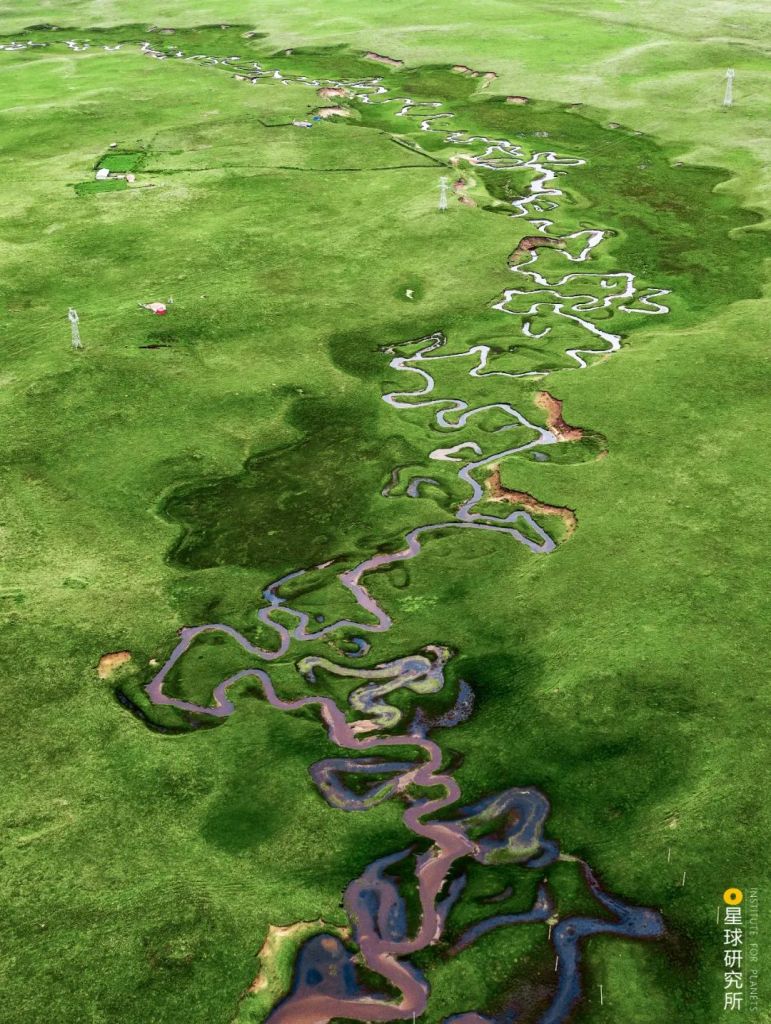
Upstream tributary of Yellow River passing through Zoige Basin
(photo: 陈二狗的摩旅)

In the midstream, the giant river courses through breathtaking sceneries.

Yellow River winding around the Shanxi-Shaanxi (Jinshan) Grand Canyon
(photo: 许兆超)

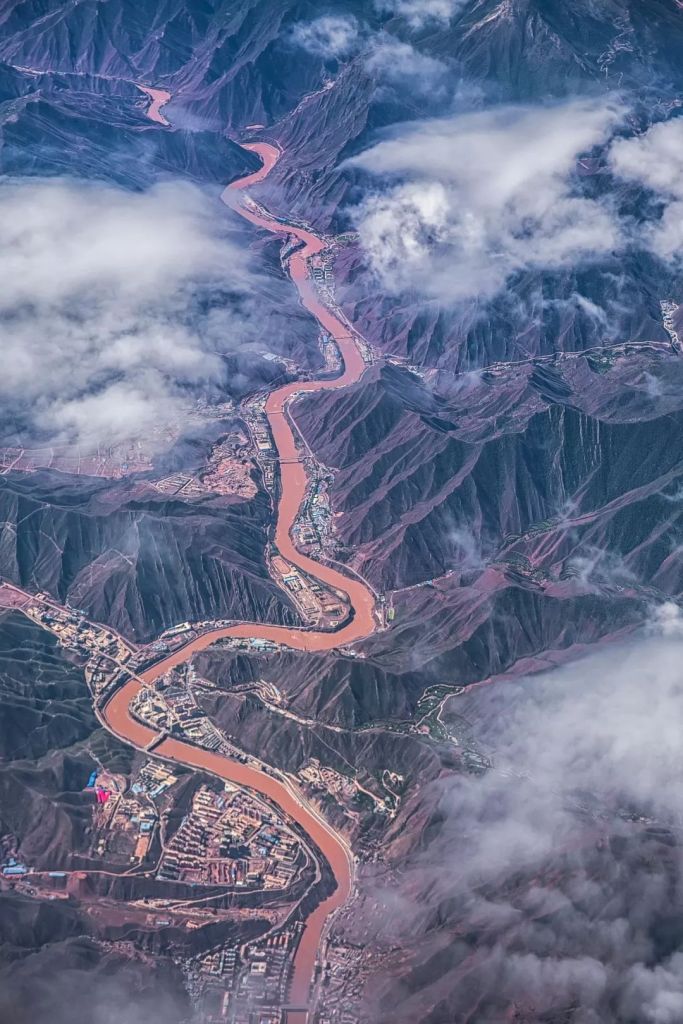
As it charges on, it leaves behind a serpentine trail in the downstream.
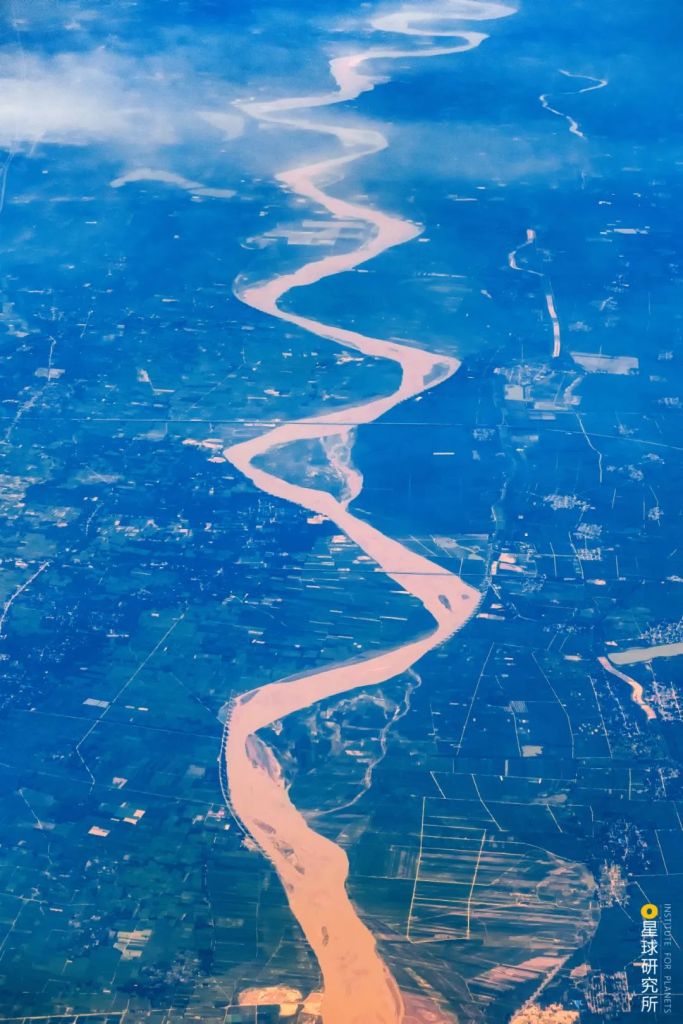
Yellow River in Kaifeng
(photo: 吴亦丹)

Yellow River is a perennial witness of time.
It observed all changes in the landscape throughout the last 3.7 million years.
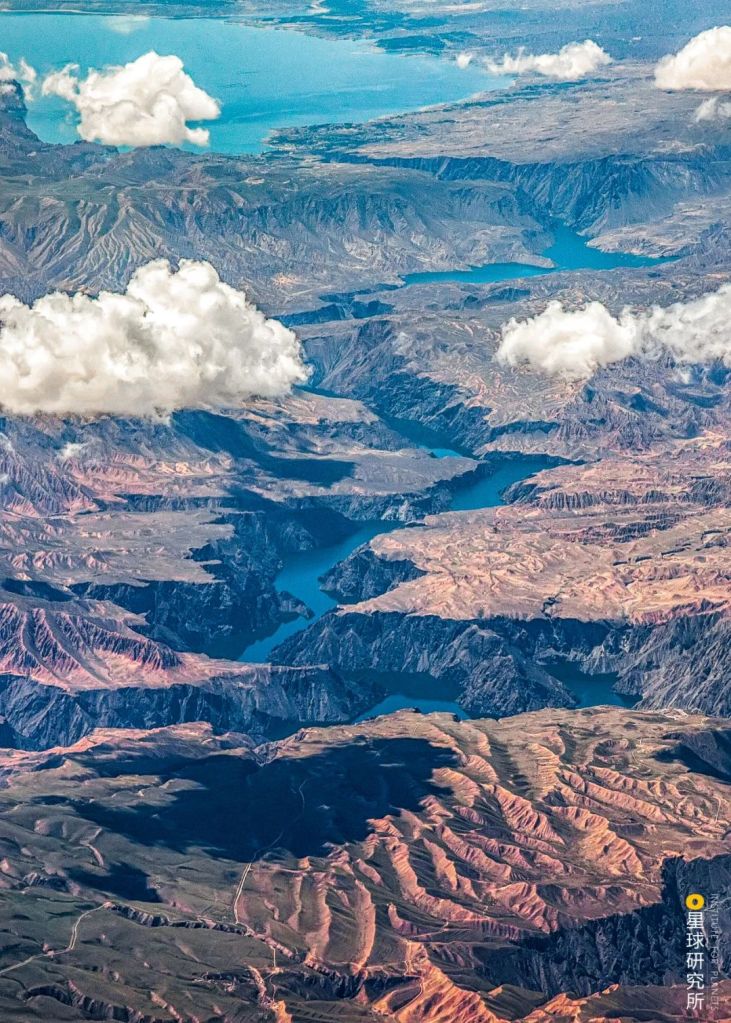
Longyang Gorge
(photo: 李珩)

And saw the rise of a grand civilisation that spanned five millennia.
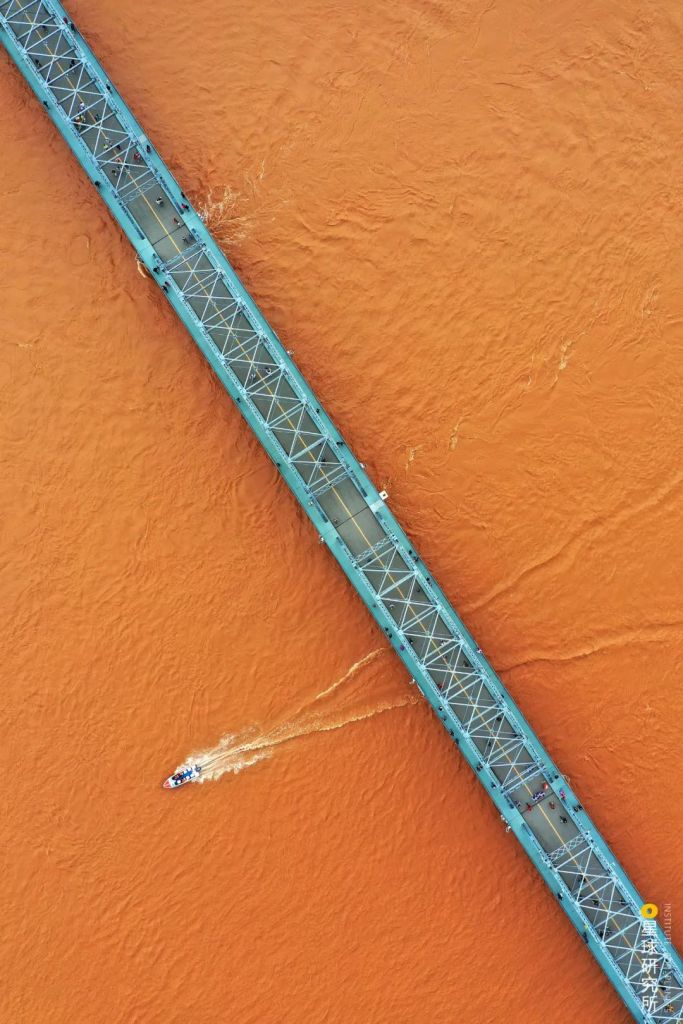
Zhongshan Bridge in Lanzhou
(photo: 李琼)

To the Chinese people, it is the spiritual stronghold that holds the nation together in its most dire moments.

The wind is howling, the horses screaming
And the Yellow River roaring
……
Defend our homeland!

Defend the Yellow River!
Defend the Northern Plains!

Defend our country!

风在吼,马在叫
黄河在咆哮
……
保卫家乡!保卫黄河!
保卫华北!保卫全中国!

Yellow River Cantana (7th movement: Defend the Yellow River) by Guang Weiran
《黄河大合唱》第七乐章《保卫黄河》– 光未然

What gives Yellow River its unmatched brilliance?

The Institute for Planets sees it as a strong bond that strings up the Chinese civilisation in time and space. Being the second longest river in China, it overcomes all barriers and runs entwined with all on its way to the sea. And in doing so, it shapes a nation that is always surging with vibrance.

1. The traverse

Over the last 65 million years, tectonic collision between the Indian Plate and the Eurasian Plate had created a unique topography in China where the west is much more elevated than the east. It also led to deformation of the inland which, together with movements of the Pacific Plate, ruptured the North China Plain. A series of rift valleys and basins were hence formed sequentially.

Fast forward to 3.7 million years ago, each of these depressions had by then gathered sufficient water to become lakes of various sizes, which were relatively dispersed and lacked any form of connection. At this stage, the Yellow River was still no where to be seen.
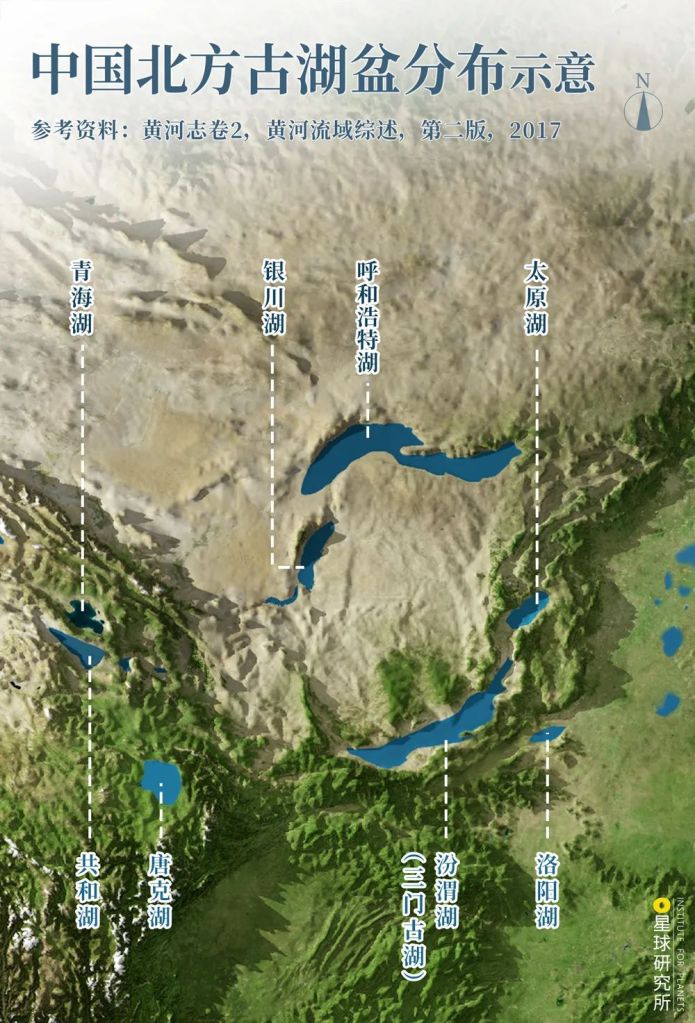
Distribution of paleolake basins in North China
Nomenclature of ancient basins may vary among different sources
Qinghai Paleolake (青海湖), Yinchuan Paleolake (银川湖), Hohhot Paleolake (呼和浩特湖), Taiyuan Paleolake (太原湖), Gonghe Paleolake (共和湖), Tangke Paleolake (唐克湖), Fenwei Paleolake (汾渭湖; Sanmen Paleolake, 三门古湖), Luoyang Paleolake (洛阳湖)
(diagram: 陈景逸&王申雯, Institute for Planets)

As tectonic movements persisted, the Tibetan Plateau and Loess Plateau kept rising higher. This natural process continued to enlarge the elevation difference between the west and east, much like a divine force holding an enormous pot of water high up in the sky and still lifting it further.

As a consequence, the previously disconnected lake systems started to invade into each other’s territories down the slopes. This initiated a series of lake and river concatenation on a massive scale on North China Plain.

By about 1.8 million years ago, the river channel between Lanzhou and Hetao (literally ‘river loop’) was the very first section to take form on the western stretches of Loess Plateau.
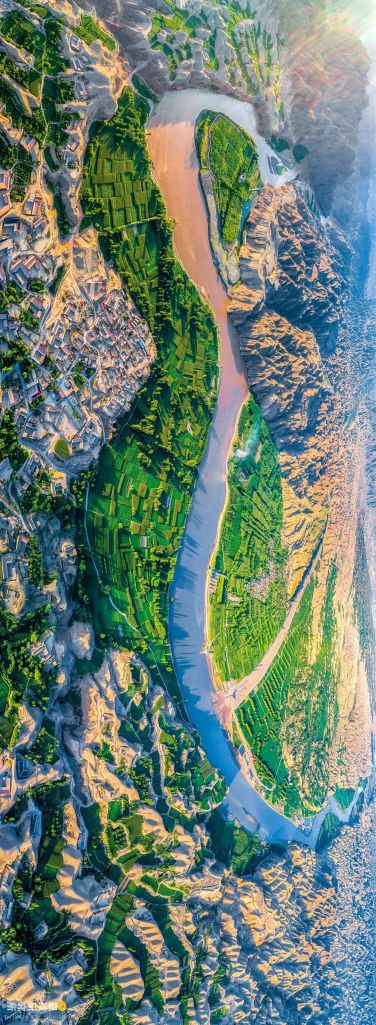
Baiyin section of Yellow River in Gansu
(photo: 王生晖)

Water systems merged together by this included the Lanzhou Basin, Zhongwei Basin, Yinchuan Basin and Hetao Basin.
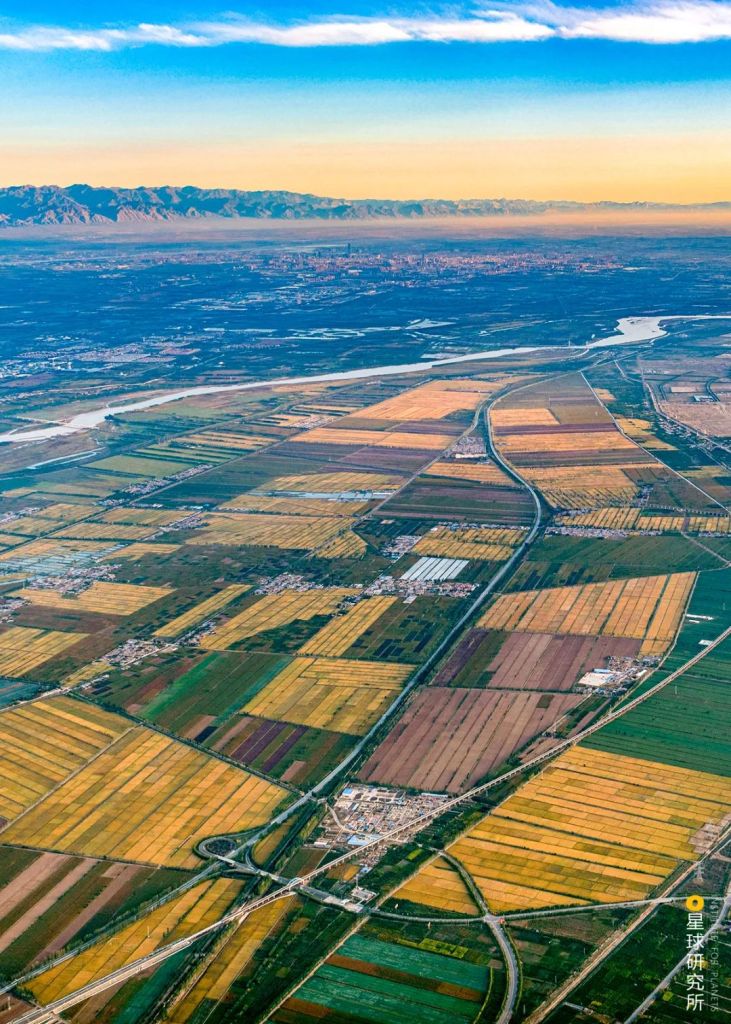
Yinchuan Basin
(photo: 陈剑峰)

There were numerous gorges engraved along the way, including the Bapan Gorge, Chaijia Gorge, Sangyuan Gorge, Wujin Gorge, Hongshan Gorge, Heishan Gorge, Hu Gorge and Qingtong Gorge.
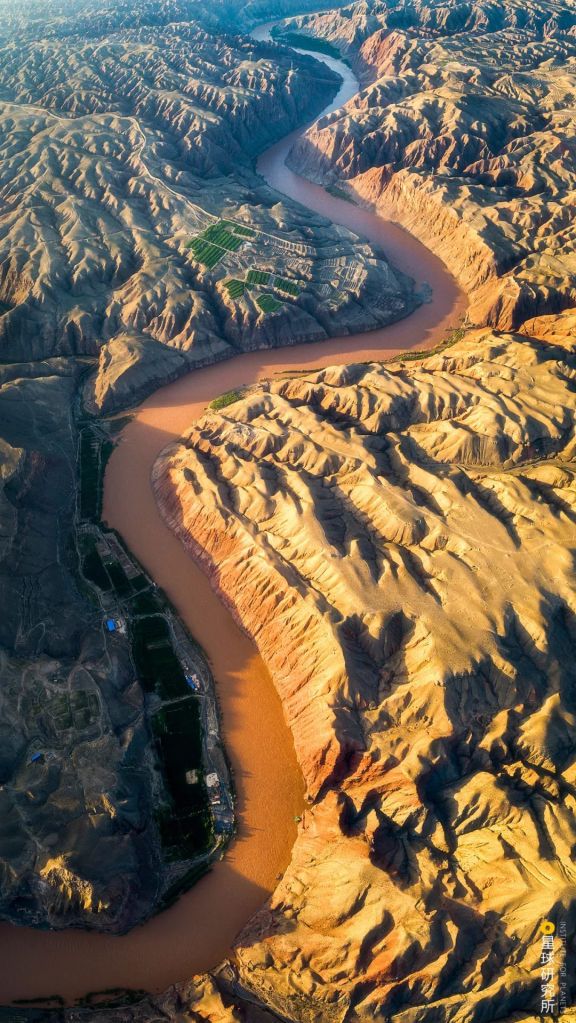
Hongshan Gorge
(photo: 王生晖)

In Central China, rivers running across the northern regions of Fenwei Basin carved out a northbound path over time through the Loess Plateau, which eventually met up with the Hetao Basin around 1.2 million years ago. This formed the Shanxi-Shaanxi section we see today that demarcates the two provinces.
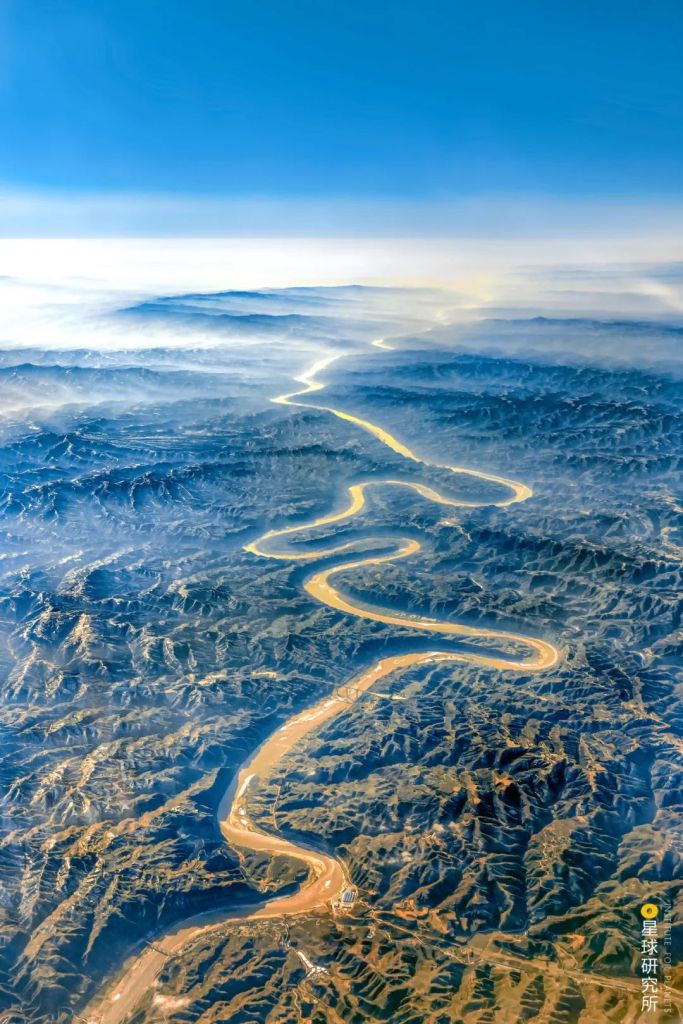
Shanxi-Shaanxi section of Yellow River
Stretching from Togtoh County of Inner Mongolia in the north and Yumenkou of Shanxi in the south, the section has a total length of 725 kilometres
(photo: 陈肖)

Happening simultaneously was the westward invasion of rivers flowing by the eastern foothills of Taiheng Mountains. Approximately 1.2 million years ago, one of these rivers finally penetrated the Xiao Mountains and carved out the Sanmen Gorge, thereby making a way out of the Fenwei Basin into the North China Plain.
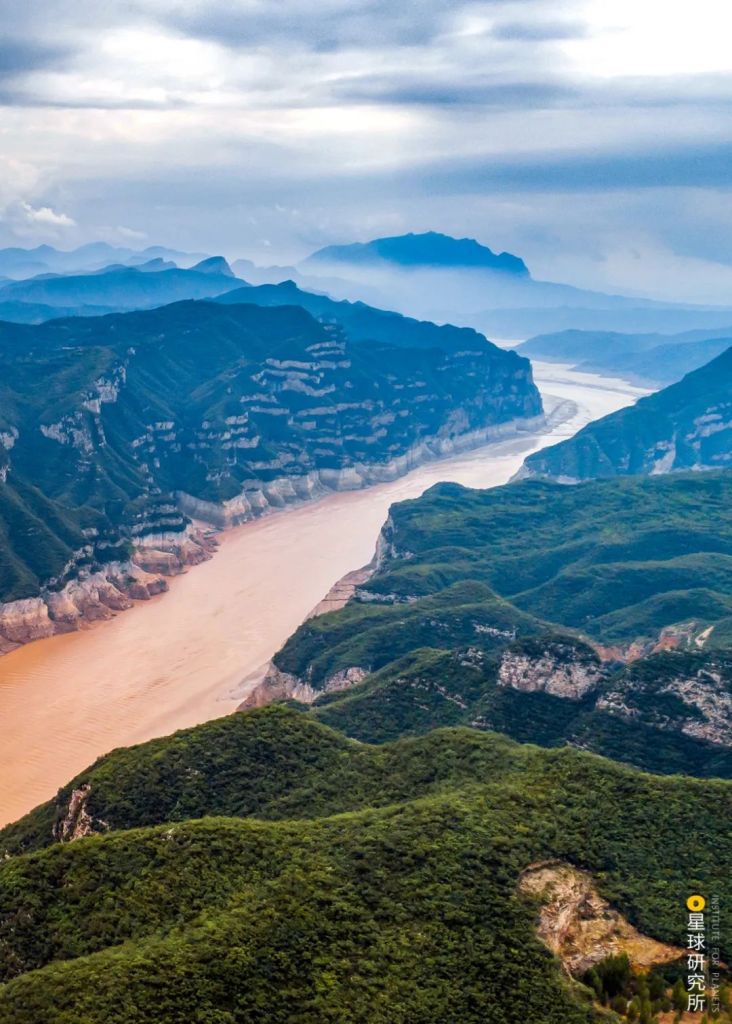
Bali Gorge
This is the last gorge in the midstream of Yellow River
(photo: 邓国晖)

This breach allowed the vast paleolake to gush down the heights through the Sanmen Gorge and embark on a one way journey to the east.

Yellow River traversing the Sanmen Gorge
Loess Plateau (黄土高原), North China plains (华北平原)
Sanmen Paleolake (三门古湖), Sanmen Gorge (三门峡)
(diagram: 王申雯&陈景逸, Institute for Planets)

As such, a new river that first traverses the Loess Plateau and North China Plain then dashes towards the sea in the far east was officially born. This was the Yellow River in its adolescence.
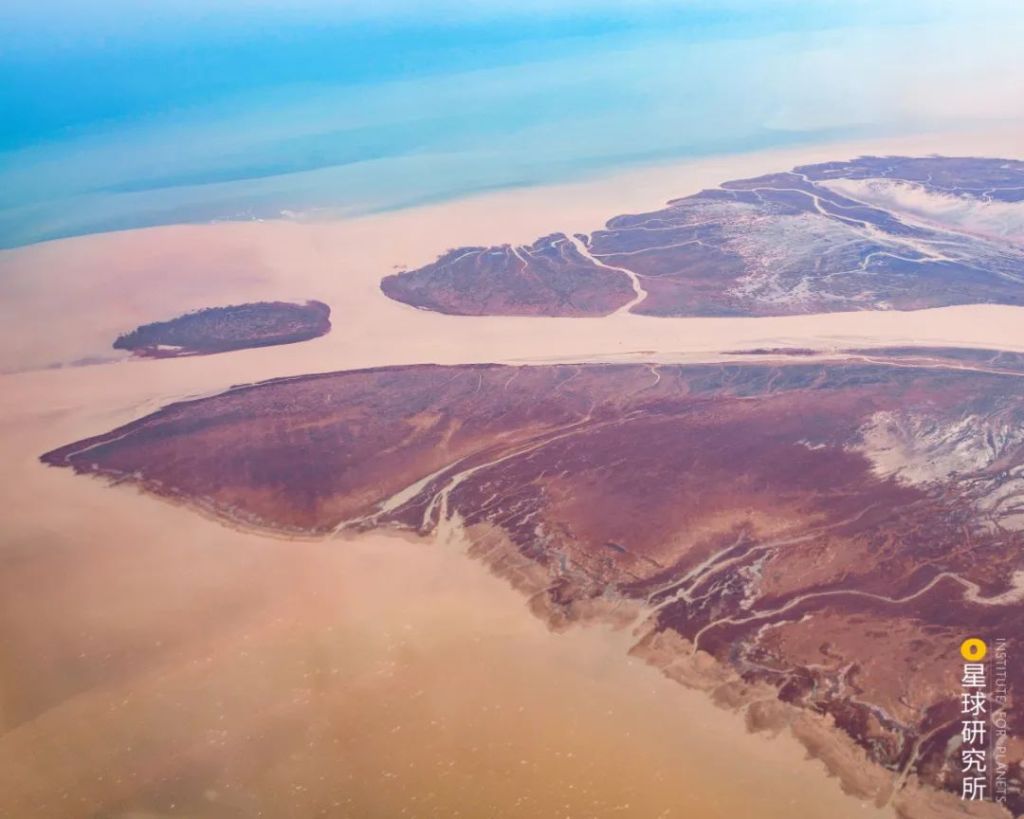
Yellow River estuary
(photo: 赵斌)

The young river was still rather short, spanning only about 60% of the current length. Moreover, the upstream travelled mainly through dry areas in the northwest, where water source was relatively scarce.
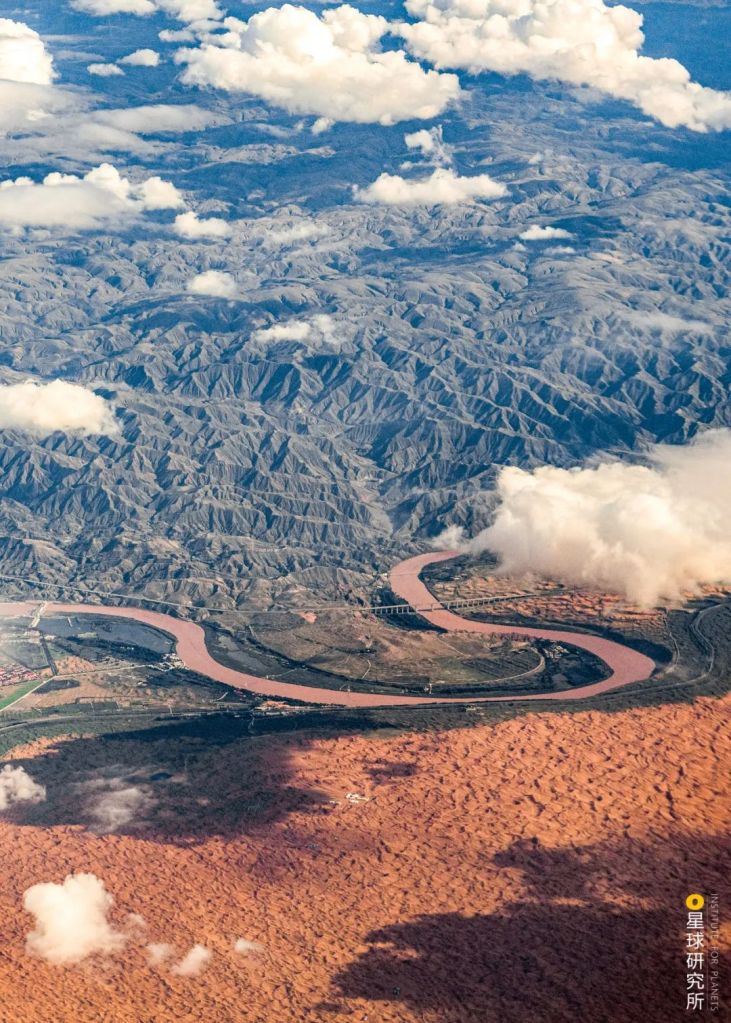
Yellow River running beside Tengger Desert in Ningxia
(photo: 陈剑峰)

Therefore, it was still far from becoming what we know of the Yellow River — a majestic river with impressive length and turbulent waters. What it needed was to extend further away from the sea and climb even higher up the mountains.

2. The expansion

Approximately 1.2 million years ago, the Amne Machin (also known as Mount Jishi) standing between Xunhua Basin in Qinghai and Linxia Basin in Gansu was cut open by Yellow River. This opened up a new route for the upstream flowing across Linxia Basin, which then changed course and entered the Tibetan Plateau through Jishi Gorge.
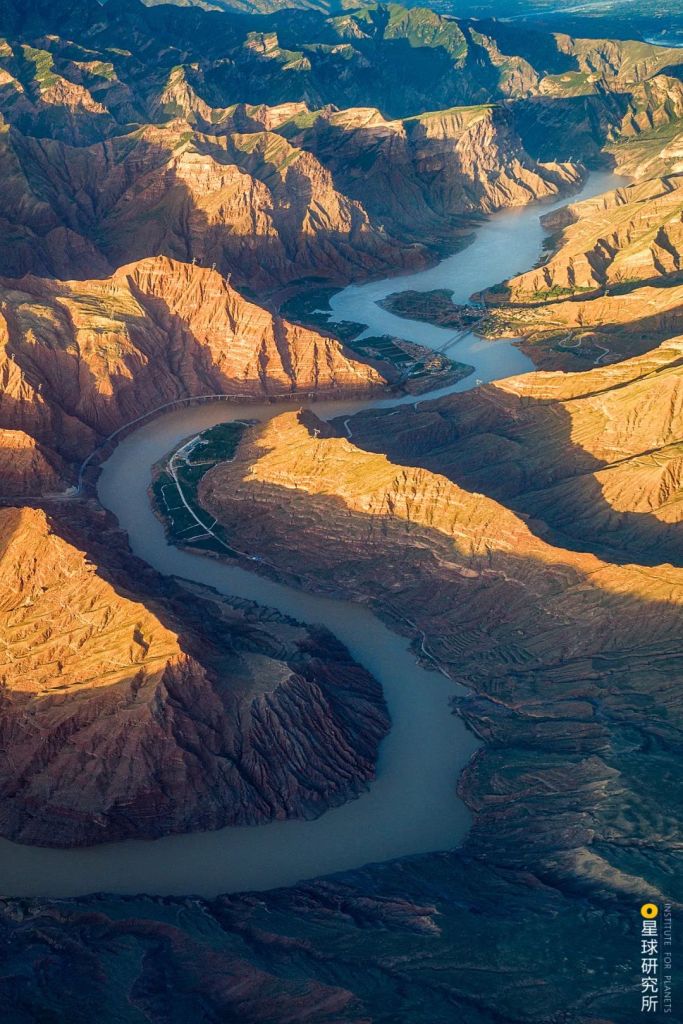
Jishi Gorge
(photo: 王生晖)

Once on the loose, Yellow River met almost no resistance as it raged across the Tibetan Plateau, carving out a chain of gorges including the Songba Gorge, Ashgang Gorge, Longyang Gorge, Lagan Gorge, Yehu Gorge and Lajia Gorge.
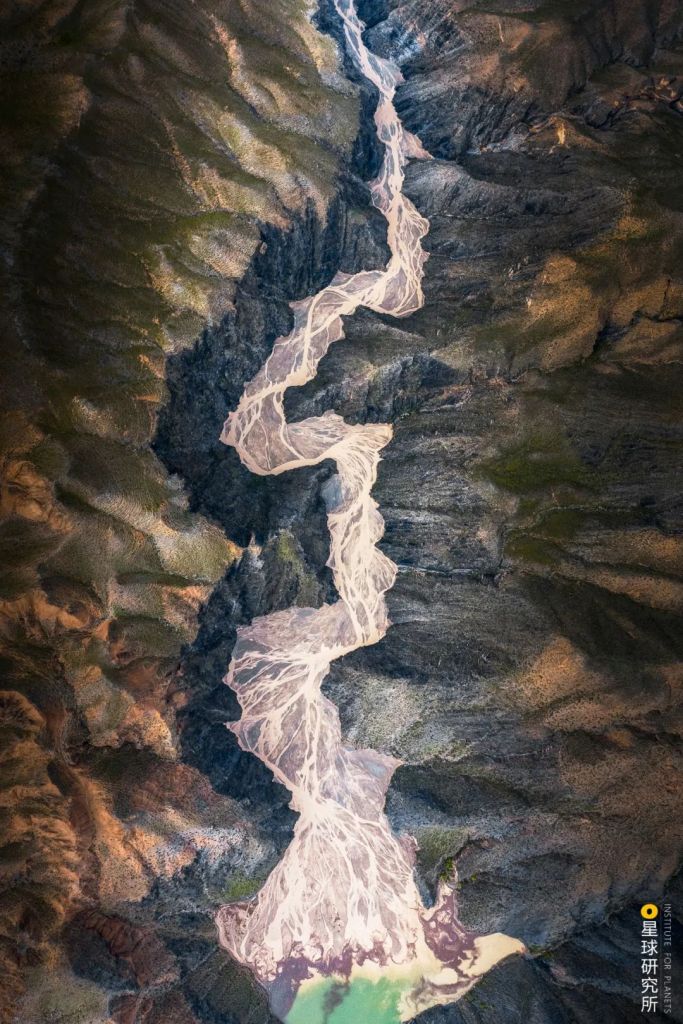
Longyang Gorge
(photo: 孙建鑫)

As it progressed, it linked up Guide Basin, Gonghe Basin, Xinghai-Tongde Basin and Zoige Basin.
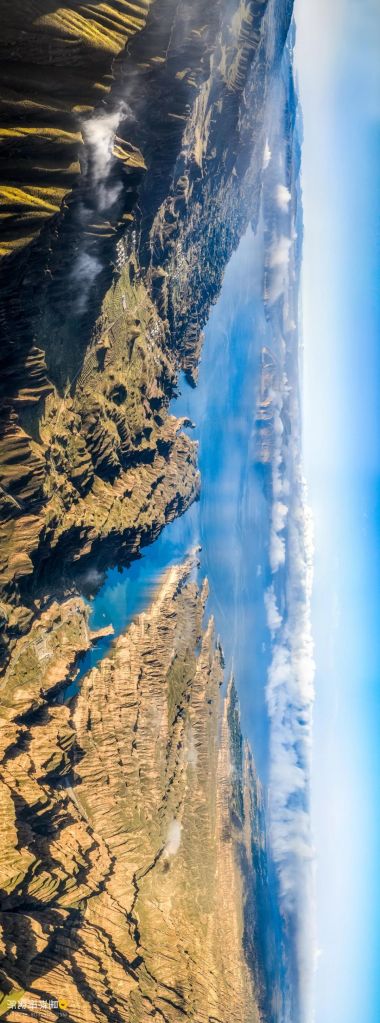
Longyangxia Reservoir located in Gonghe Basin
(photo: 孙建鑫)

But it was not until about 10,000 years ago when Yellow River finally cut through the Duoshi Gorge did the Gyaring Lake-Ngoring Lake systems become incorporated into the grand river.
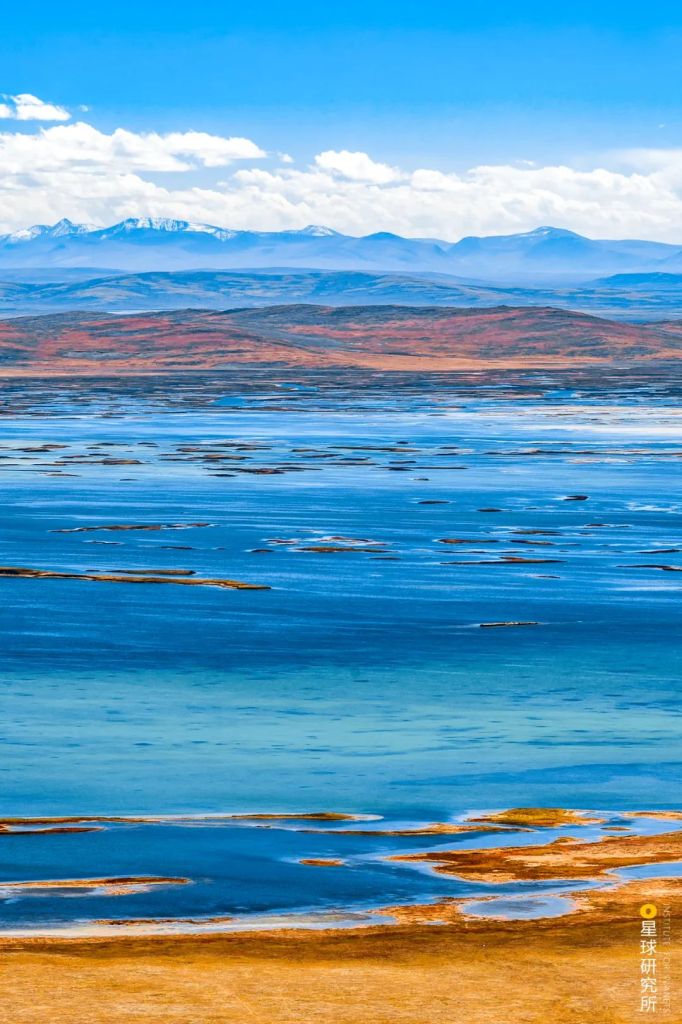
Ngoring Lake in front of the Bayar Han Mountains
(photo: 仇梦晗)

That marked the completion of modern Yellow River system.

Modern Yellow River system
Yellow River have had multiple diversions in the lower course in recorded history, shown here are the current river channels
Plateau/plains: Tibetan Plateau (青藏高原), Loess Plateau (黄土高原), North China Plain (华北平原)
Basins: Zoige Basin (若尔盖盆地), Zhongwei Basin (中卫盆地), Yinchuan Basin (银川盆地), Weihe Basin (渭河盆地), Houtao Basin (后套盆地), Fenhe Basin (汾河盆地), Qiantao Basin (前套盆地), Luoyang Basin (洛阳盆地)
Gorges: Duoshi Gorge (多石峡), Longyang Gorge (龙羊峡), Jishi Gorge (积石峡), Liujia Gorge (刘家峡), Qingtong Gorge (青铜峡), Sanmen Gorge (三门峡), Shanxi-Shaanxi Grand Canyon (晋陕大峡谷)
(diagram: 陈景逸&王申雯, Institute for Planets)

Through diversion and expansion that lasted more than 1.2 million years, Yellow River not only extended its length by almost 2000 kilometres…
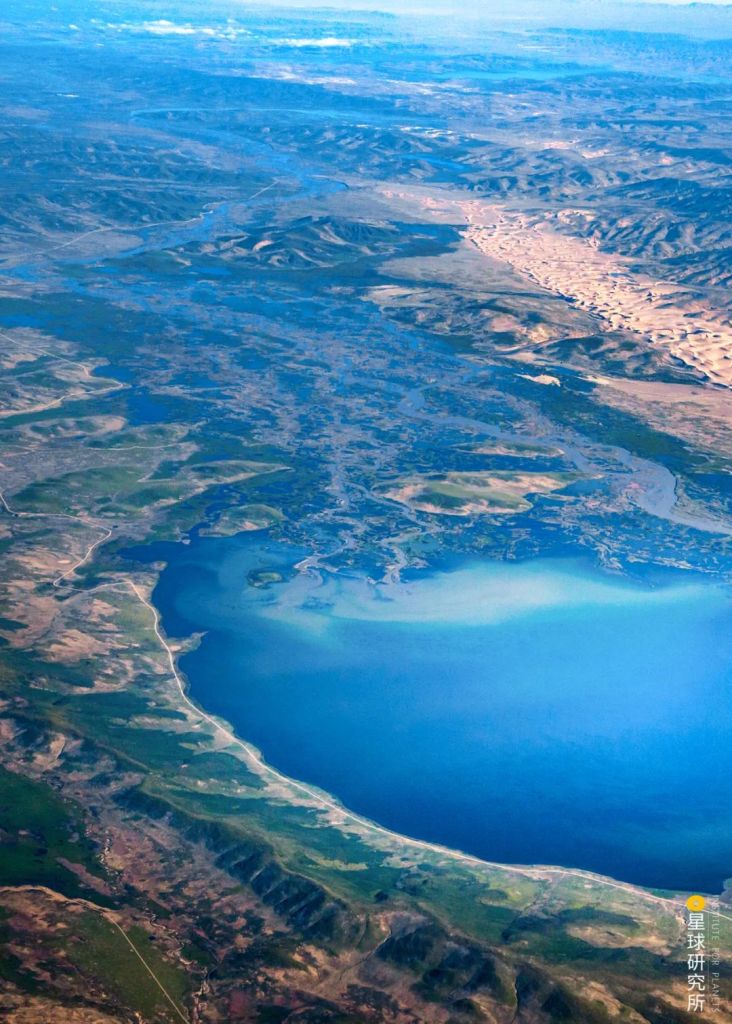
Headwater source of Yellow River in Gangnagema Co, Qinghai
(photo: 蒋晨明)

But also acquired a number tributaries in the upstream for replenishment, including Qiemuqu, Hei River, Bai River and Jiaqu.
Jiaqu
(photo: 李威男)

All these water sources upstream of Jishi Gorge contribute up to around 40% of the entire basin volume. If tributaries further downstream are included, particularly Huangshui River and Tao River which also originate from Tibetan Plateau, the sections up to Lanzhou would make up for 61.7% of the total runoff of Yellow River.
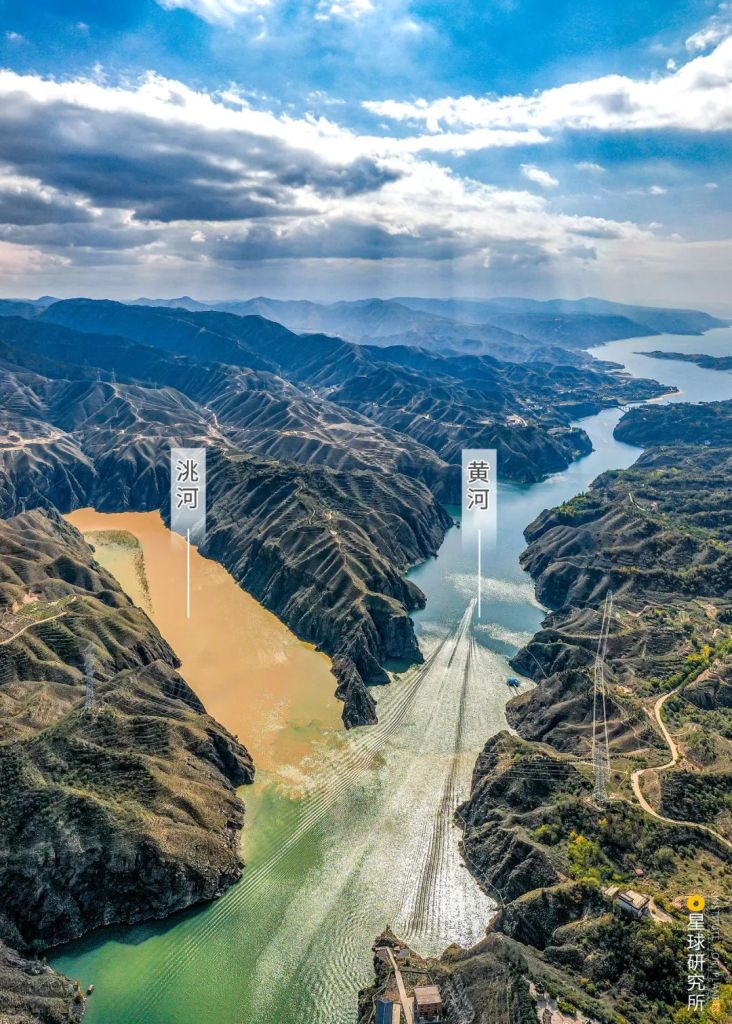
Confluence of Tao River (洮河) and Yellow River (黄河)
(photo: 李俊博)

The Tibetan Plateau, standing on average 4000 metres above sea level, has clearly become the predominant drainage basin for Yellow River.

As Li Bai, the renowned poet of Tang Dynasty, once exclaimed:

(Do you not see) the Yellow River coming down from the sky,
Rushing to the sea and never come back?

(君不见)
黄河之水天上来
奔流到海不复回?

Invitation to Wine by Li Bai (Translation by Li Yuanchong)
《将进酒》李白 (李渊冲 翻译)
Amne Machin
This is where Yellow River makes the first big turn around the mountain ranges; the majority of meltwater from Amne Machin flows into Yellow River
(photo: 行影不离)

As Yellow River expanded, it gained more power to reshape the land. It transformed the Shanxi-Shaanxi river channel into Shanxi-Shaanxi Grand Canyon.
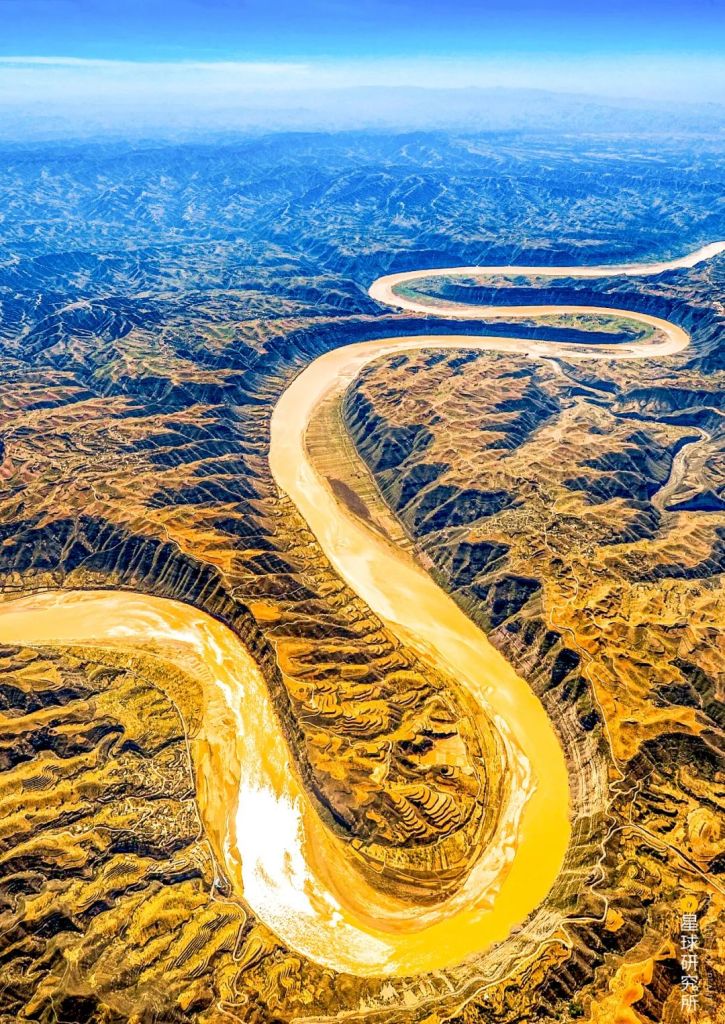
Shanxi-Shaanxi Grand Canyon
(photo: 许兆超)

With constant erosion, the Hukou Waterfall slowly retreated away from Yumenkou, leaving behind the ‘Ten-mile Dragon Trough (十里龙槽)’ that exhibits a valley-within-valley terrain.
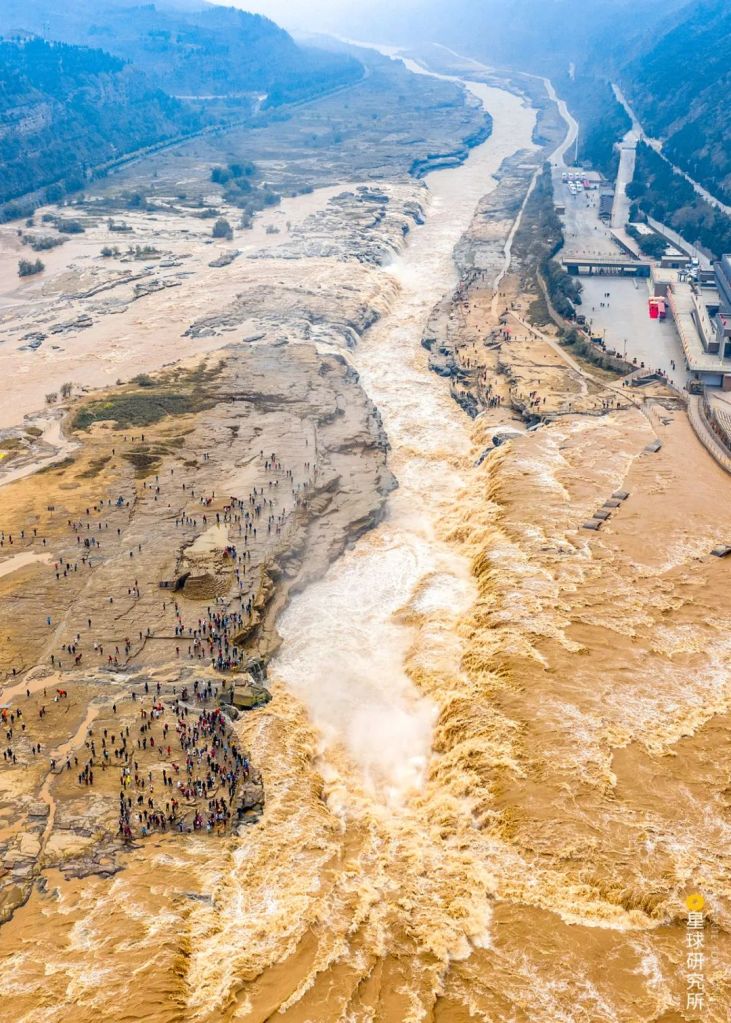
Ten-mile Dragon Trough
Hukou Waterfall has retreated by around 5 kilometres from the Mengmen Mountain over the past several thousand years, leaving behind the Ten-mile Dragon Trough, a river terrace which has now become a popular tourist spot
(photo: 李顺武)

More importantly, formation of Yellow River basin and the coinciding climate changes have gradually drained a number of ancient lakes and marshes, which were initially connected to the basin through various tributaries. The discharge at Zoige Paleolake had turned it into Zoige Wetland.
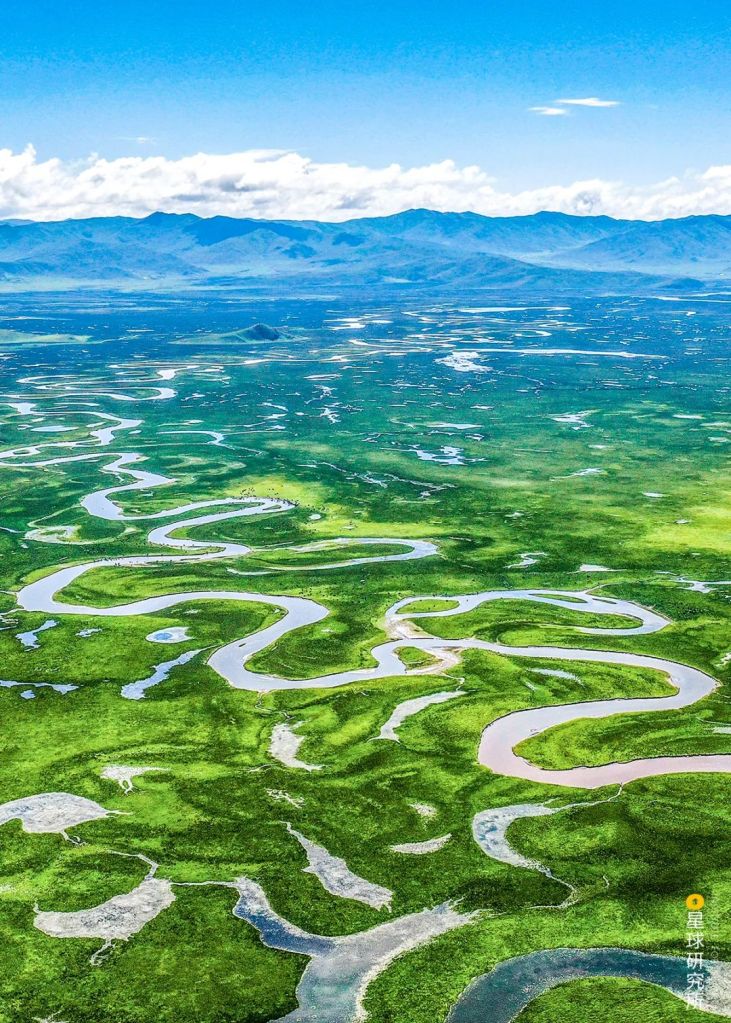
Zoige Wetland
(photo: 熊可)

The Sanmen Paleolake in Fenwei Basin is pretty much nonexistent today. Whatever remained had evolved into the Yuncheng Salt Lake

Yuncheng Salt Lake
(photo: 赵高翔)

And various alluvial plains, including Zhongwei Plain, Yinchuan Plain, Hetao Plain, Weihe Plain and Fenhe Plain.
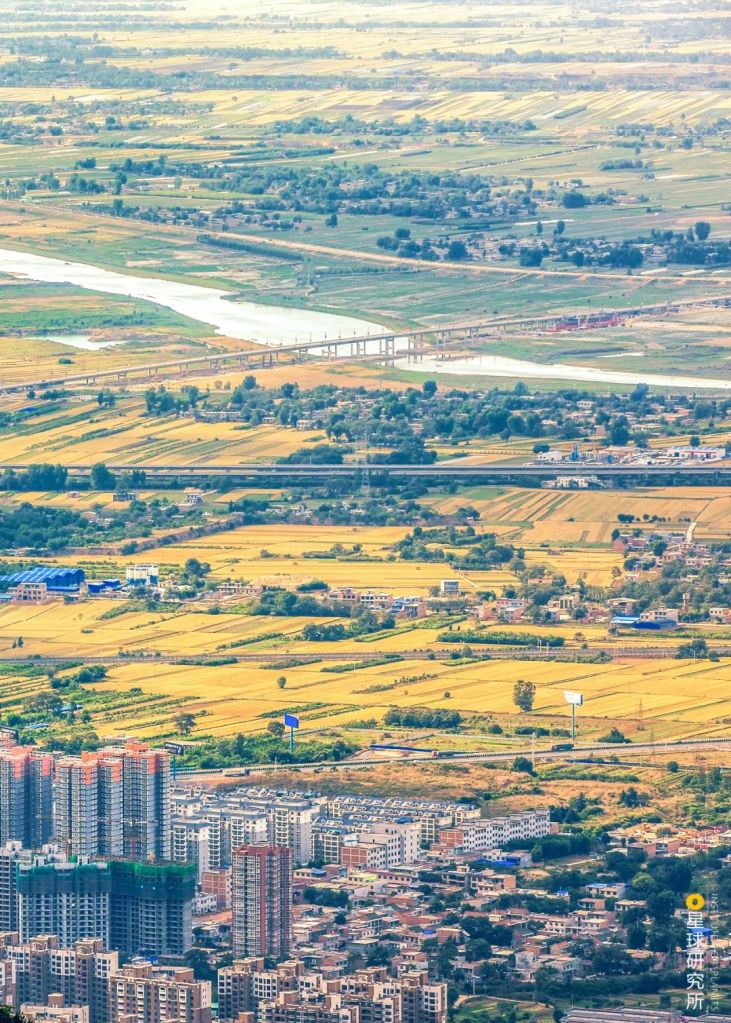
Weihe Plain
(photo: 魏炜)

In the meantime, silt coming from the upstream had further flattened the North China Plain.
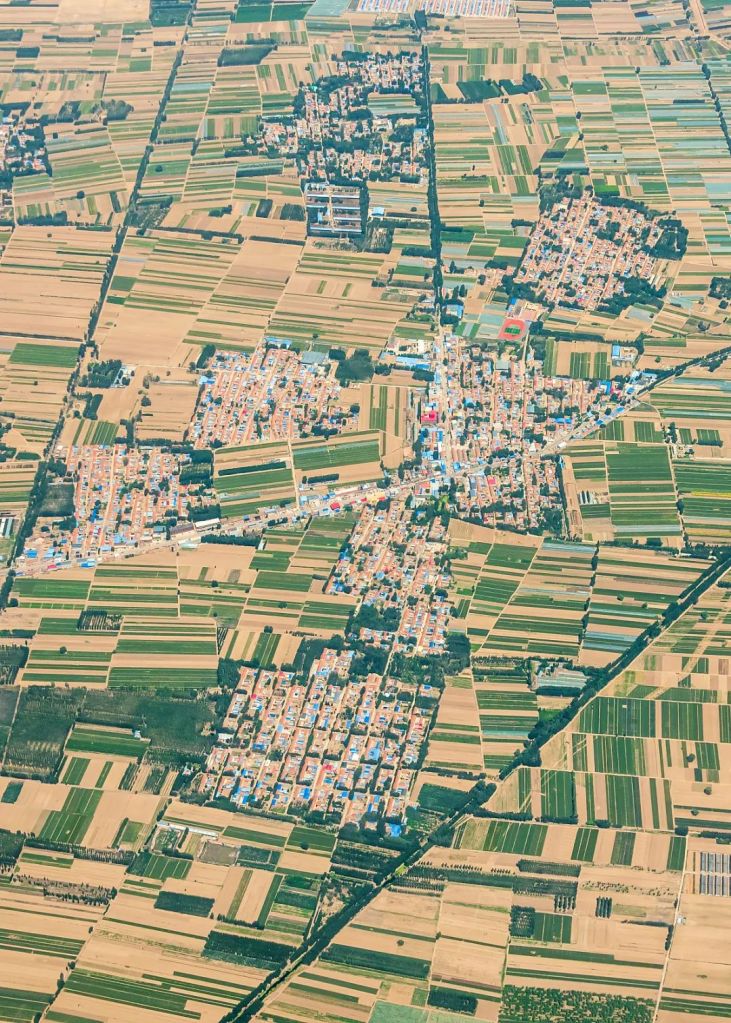
North China Plain
(photo: 视觉中国)

In a way, Yellow River managed to stitch all the largest alluvial plains in China together.
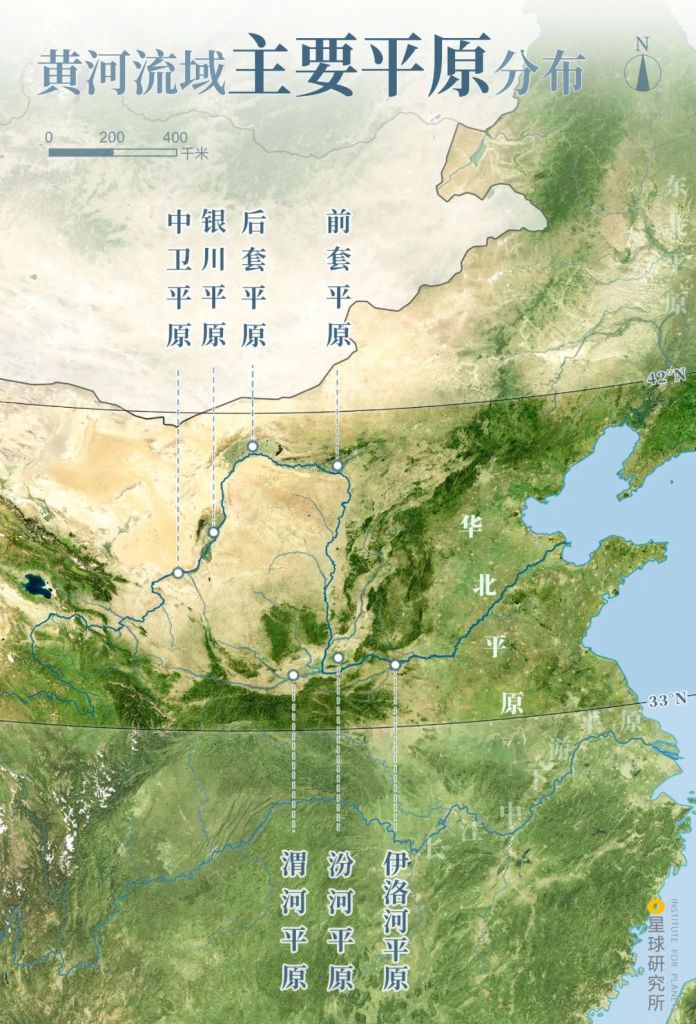
Major plains along Yellow River basin
Zhongwei Plain (中卫平原), Yinchuan Plain (银川平原), Houtao Plain (后套平原), Qiantao Plain (前套平原), Weihe Plain (渭河平原), Fenhe Plain (汾河平原), Yiluohe Plain (伊洛河平原)
(diagram: 陈景逸&王申雯, Institute for Planets)

Since all these plains were mostly located in warm climate zones, they provided perfect conditions for societal development in the age of agriculture.

Everything was set for the coming to be of a grand civilisation.

3. The civilisation

The first cultures to emerge along the Yellow River basin were scattered around the midstream, dotting the Weihe Plain, Fenhe Plain, Liluohe Plain, Taiheng Mountains and eastern foothills of Mount Song.

Agriculture developed rapidly here as the climate was warm and humid, and the land was very fertile and easy to farm. To maintain a stable food source, our ancestors domesticated several crops that did not require excessive attention, including foxtail millet and broomcorn millet. This guaranteed the basic needs for the survival of a population.
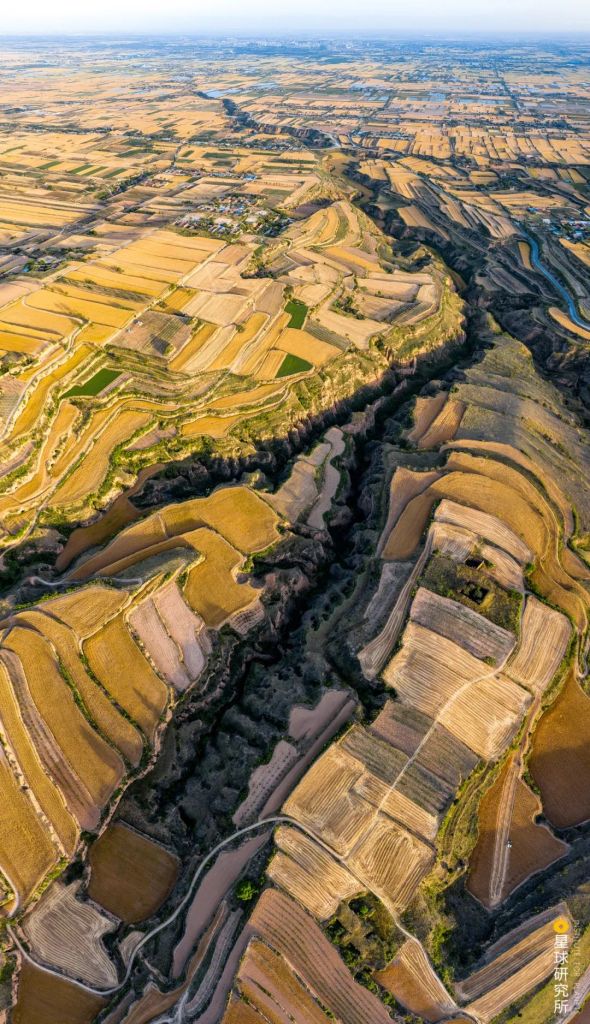
Farms on the Weihe Plain in Shaanxi
Millets are now replaced with wheat
(photo: 射虎)

And to have a ceiling, caves and crypts were extensively built on loess-covered terraces.
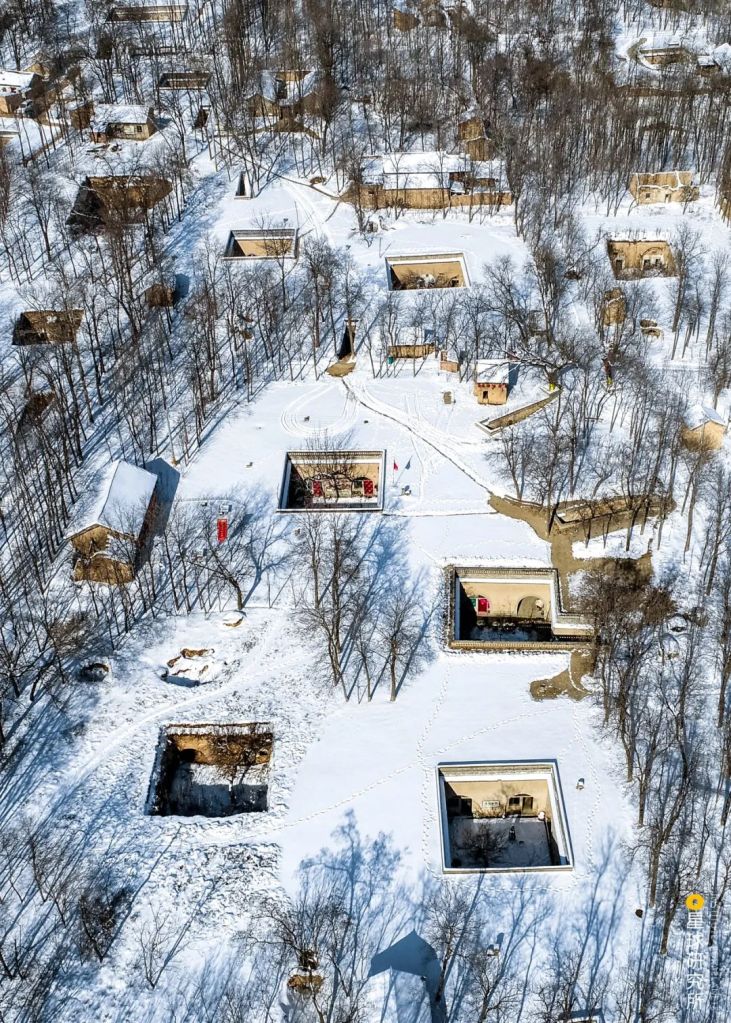
Dikeng (literally ‘pit’) courtyards in Sanyuan County, Xianyang, Shaanxi
(photo: 王警)

When all the basic needs were met, our ancestors turned to leisure and art. By the middle phase of Yangshao culture (~4000-3500 BC), Miaodigou settlers living near Sanmen Gorge had already had the skills to produce burnished potteries adorned with red and black paint that ran in artistic geometry patterns with rhythmic sensations. These products were apparently very popular back then.
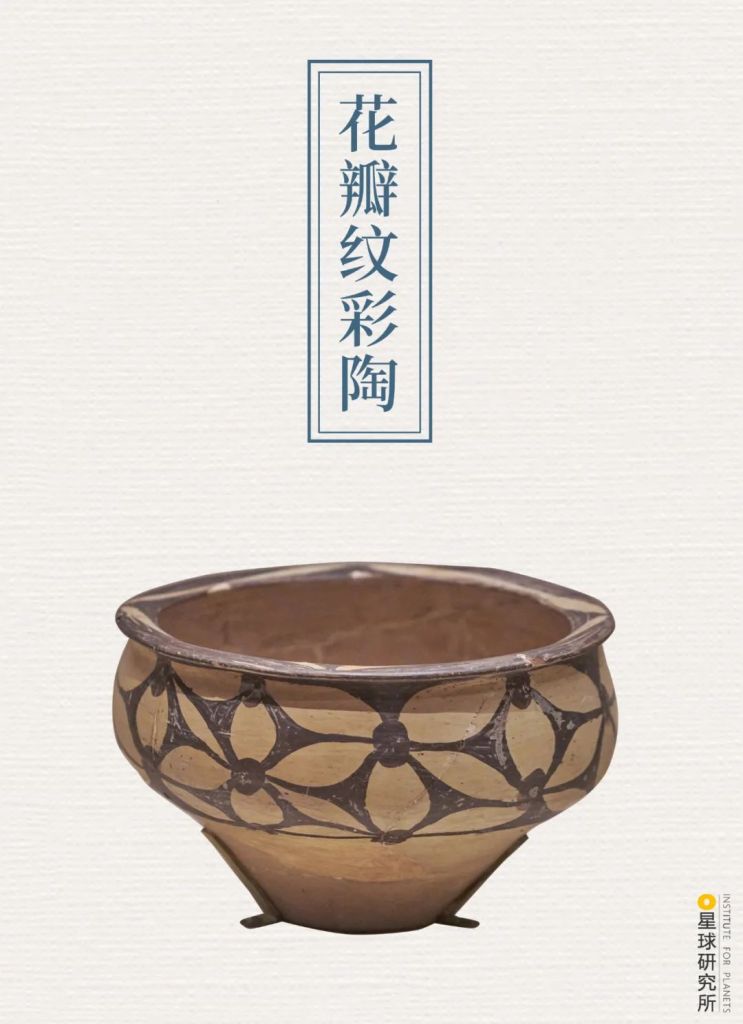
Miaodigou pottery basin decorated by petal pattern paintings
(photo: 汇图网)

Their influence on painted pottery design reached as far as Qinghai in the west, East China Sea in the east, Yangtze River basin in the south and Mongolian-Liaoning regions in the north. The radiating charm of Miaodigou culture is said to have facilitated the very first cultural integration in prehistoric China.
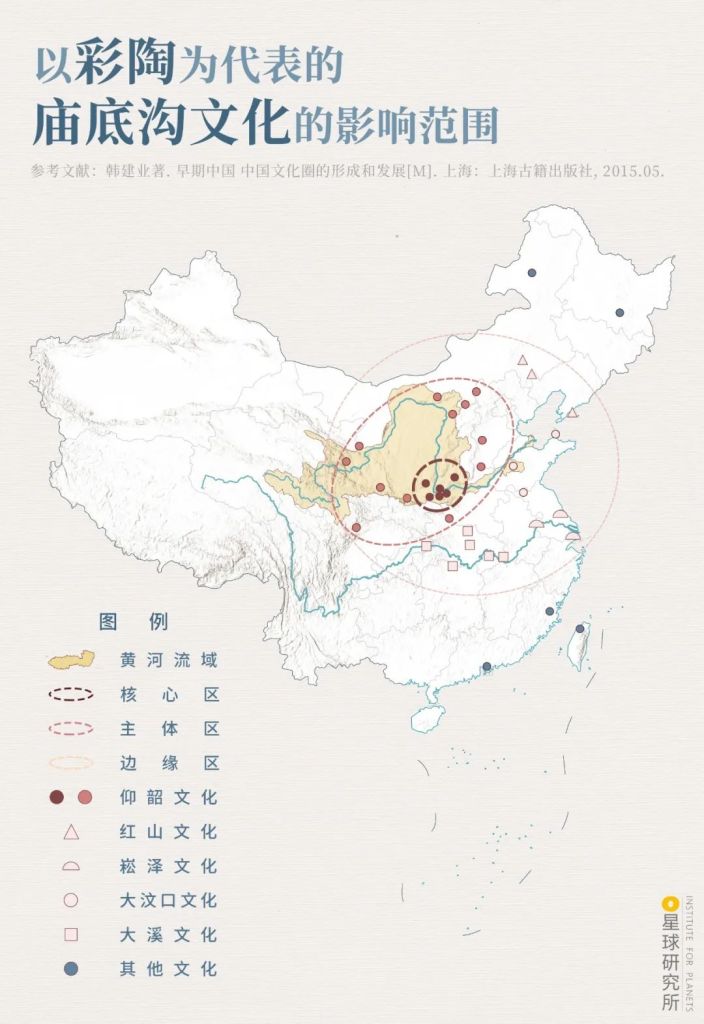
Sphere of influence of the Miaodigou culture (庙底沟文化) based on painted pottery design
Yellow River basin (黄河流域)
Core region (核心区), main region (主体区), peripheral region (边缘区)
Yangshao culture (仰韶文化), Hongshan culture (红山文化), Songze culture (崧泽文化), Dawenkou culture (大汶口文化), Daxi culture (大溪文化), others (其他文化)
(diagram: 王申雯&陈景逸, Institute for Planets)

But as the population continued to grow, competition exacerbated and the pressure on survival became real. Around the midstream, population density was the highest in Guanzhong, Jinnan and Yuxi regions. To fight for resources, heavily armed citadels were built and wars were fought.
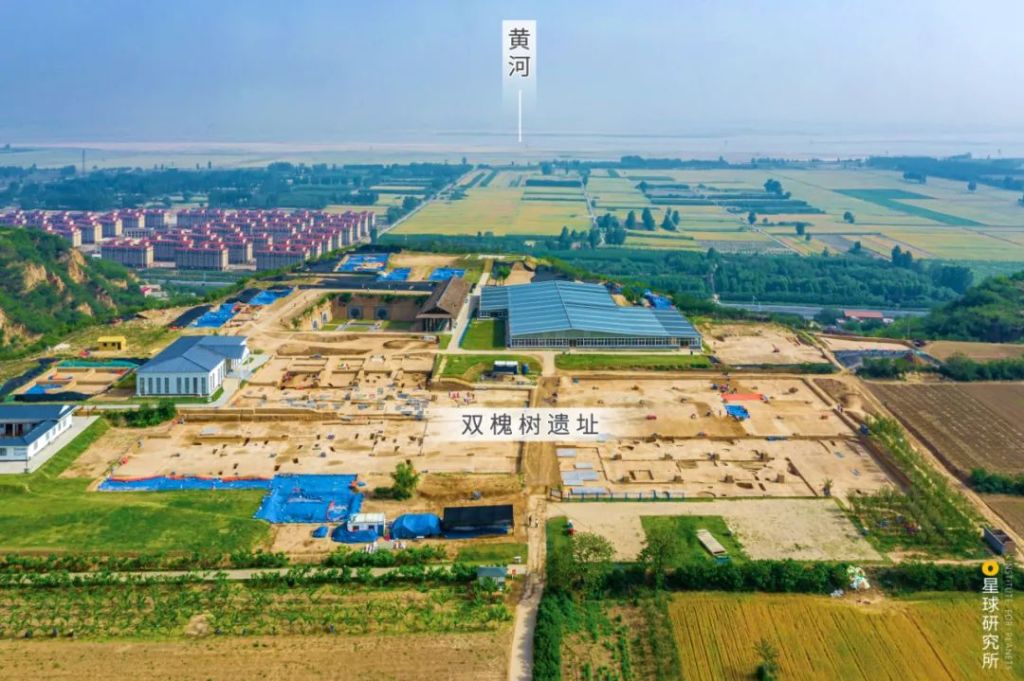
Shuanghuaishu ruins (双槐树遗址) in Gongyi, Henan
This archaeological site sits on a terrace located to the south of the intersection of Luo River and Yellow River (黄河).
It was a city-scale central settlement 5300 years ago; experts have suggested to name it the Ancient Kingdom of Heluo.
(photo: 石耀臣)

Others who did not want to be involved dispersed into surrounding regions. One group which travelled to the west along Wei River entered the Ganqing region in the Yellow River upstream. There they merged with local ethnic groups and became the Majiayao culture. These people not only inherited the essence of Miaodigou’s painted pottery production, but went further and perfected the craftsmanship. Almost all their unearthed potteries were brightly coloured with smooth linings and complex embellishments. They had obviously outshined their predecessors in pottery production.
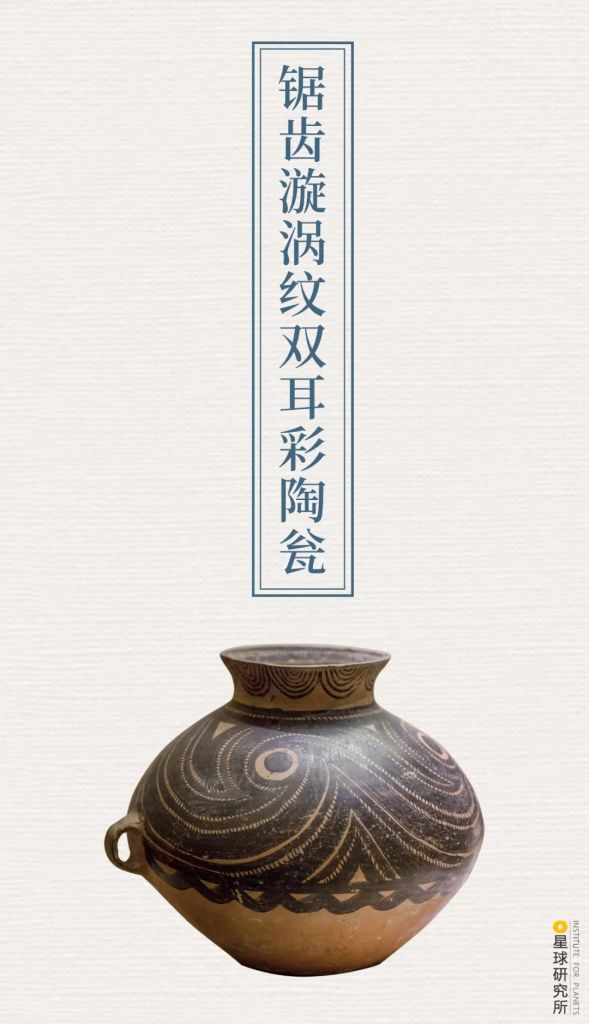
Majiayao painted pottery
(photo: 杨虎)

Another settlement that moved northwards along Shanxi-Shaanxi Yellow River made contact with indigenous people of Hetao region, who were distributed in the southern foothills of Yin Mountain-Daqing Mountain ranges.
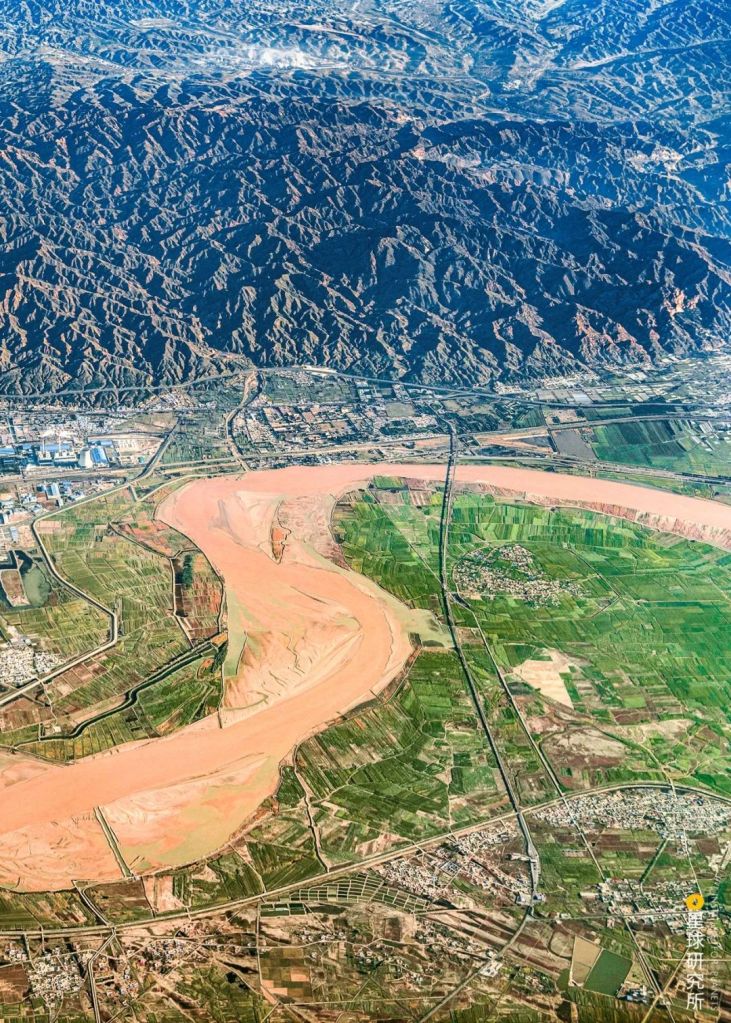
Daqing Mountain and Yellow River
There are numerous ruins distributed around the southern foothills of Daqing Mountain
(photo: 陈剑峰)

In downstream regions of Yellow River, the people of Dawenkou culture were leading equally well-off lives near the Tai-Yi Mountains. They were very open to Yangshao culture from the west and Hongshan culture from the north, and eventually evolved into the famous Longshan culture. The black pottery long-handle goblet was a very well known artefact unearthed in the Chengziya ruins in Zhangqiu, Jinan. With a bowl thickness of an egg shell, the goblet is widely regarded as a modern creation, if not better.
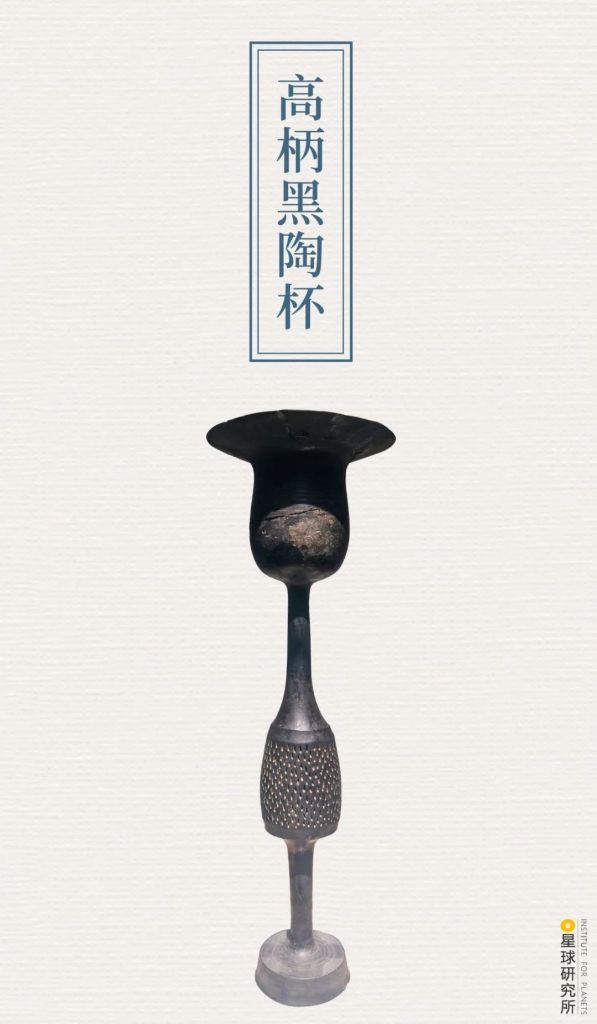
Longshan black pottery long-handle goblet
(photo: 翟东润)

By integrating surrounding cultures, settlements in the Yellow River midstream nurtured a new school of thoughts by around 2500 BC. People living there started observing astronomical phenomena and seasonal changes in order to improve farming efficiency.
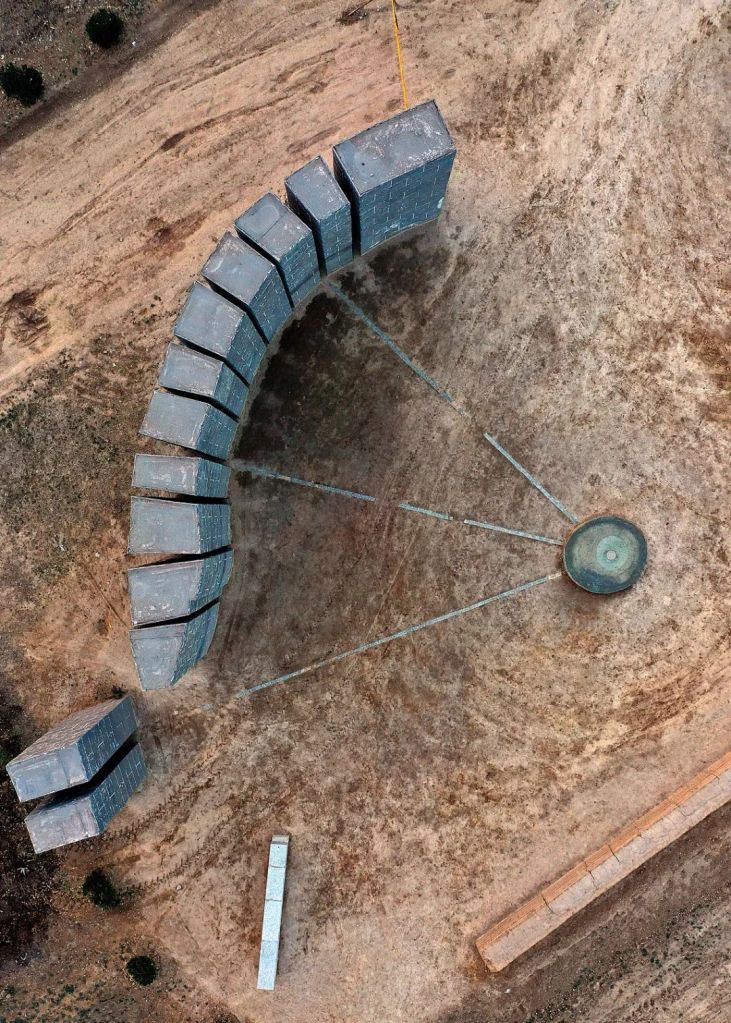
Taosi Observatory
Comprised of 13 rammed earth columns erected in a semicircle configuration, this is the oldest observatory ruins ever discovered; shown in photo is a restoration of the observatory
Observers could identify the sunrise position at Ta’er Mountain through the gaps between the columns, thereby deducing the season and solar terms to guide farming activities
(photo: 视觉中国)

They even created a primitive form of writings that were similar to the later oracle bone scripts we all know about.
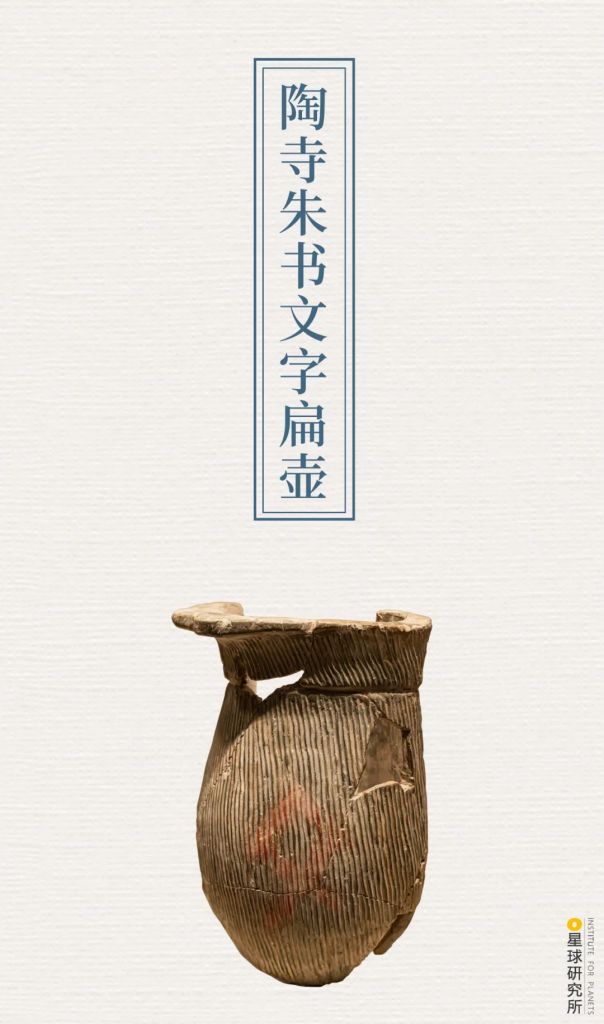
One of the crimson paint writings of Taosi
The word on the pottery is currently translated as “文”
(photo: 王宁)

It is generally accepted that various ancient cultures along the Yellow River basin made the first entry into early phases of civilisations in around 3300-2000 BC. Also rising during the same period were the Liangzhu culture and Shijiahe culture emerging in the downstream and midstream of Yangtze River respectively, as well as the Baodun culture settling on the Chengdu Plain. These cultures were as advanced as those around the Yellow River basin.
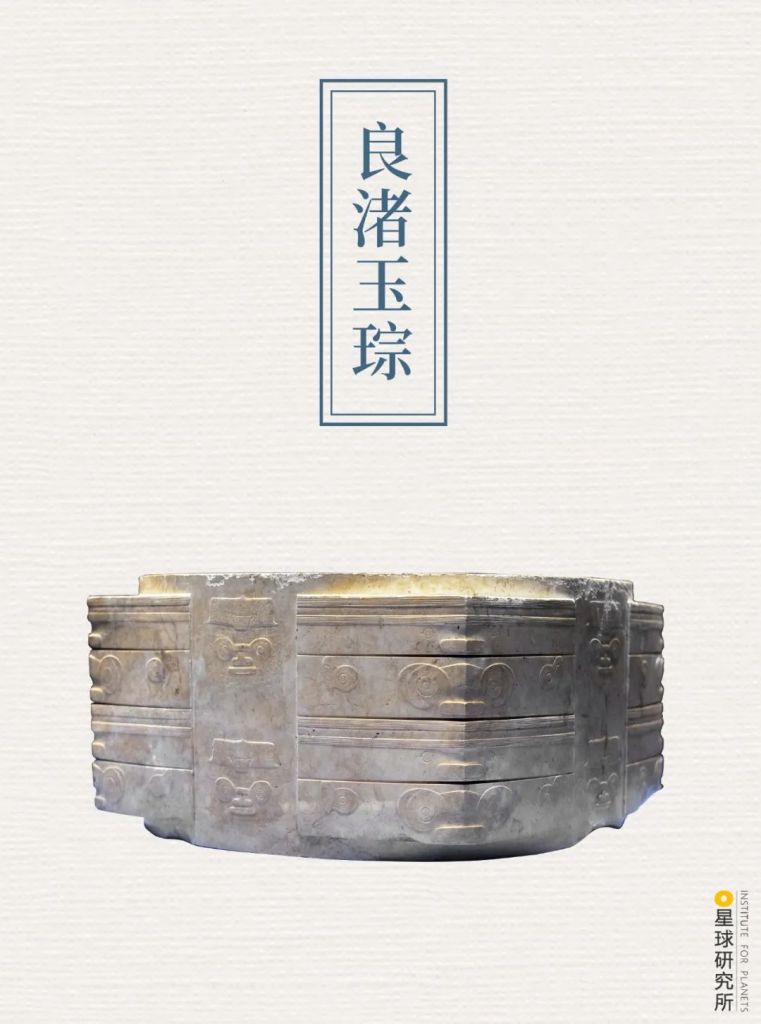
Liangzhu jade cong (literally ‘vessel’)
(photo: 苏李欢)

Ancient civilisations were enjoying their first spring then as they blossomed all over China.
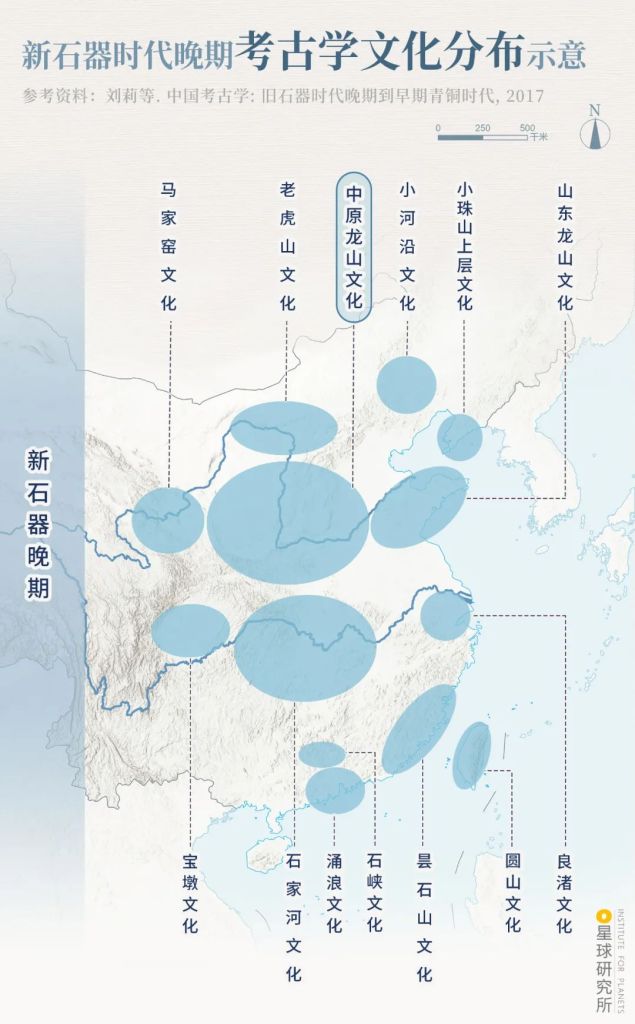
Distribution of archaeological cultures during the Late Neolithic Age in China
Majiayao culture (马家窑文化), Laohushan culture (老虎山文化), Central Plain Longshan culture (中原龙山文化), Xiaoheyan culture (小河沿文化), Upper Xiaozhushan culture (小珠山上层文化), Shandong Longshan culture (山东龙山文化), Baodun culture (宝墩文化), Shijiahe culture (石家河文化), Yonglang culture (涌浪文化), Shixia culture (石峡文化), Tanshishan culture (昙石山文化), Yuanshan culture (圆山文化), Liangzhu culture (良渚文化)
(diagram: 陈景逸&王申雯, Institute for Planets)

So what made the cultures along Yellow River basin stand out from the rest?

Between 2200-2000 BC, there was a global cooling event. In addition to a sharp temperature drop, summer monsoons were significantly weakened and rainbands at the monsoon front retreated to the south. While northeast and northwest regions suffered from severe droughts, North China and Jiangnan regions were hit by increased rainfalls and floods.
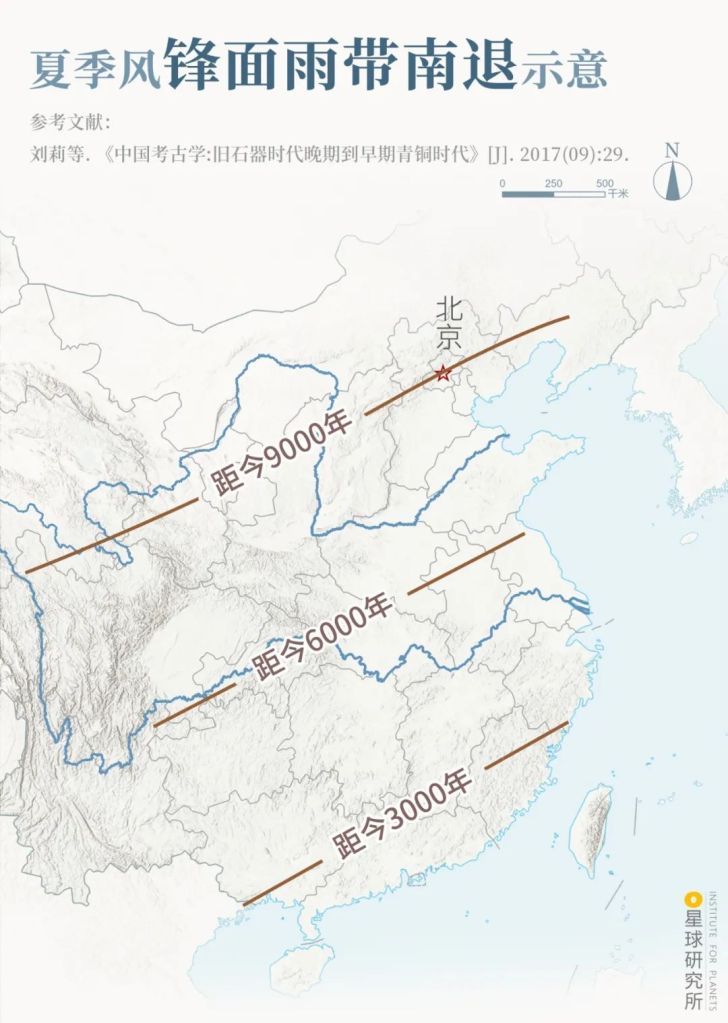
Retreat of summer monsoon
Beijing (北京), n years ago (距今 n 年)
(diagram: 陈景逸&王申雯, Institute for Planets)

Because of that, Laohushan culture in Inner Mongolia, Qijia culture in Gansu-Qinghai regions, as well as Liangzhu culture, Shijiahe culture, Shandong Longshan culture along Yangtze River all fell victim to either life-threatening droughts or deadly floods. They never made it further.

On the contrary, cultures residing in Guanzhong-Jinnan-Yuxi regions in the midstream of Yellow River seized the chance to become the centre of civilisation. Survival of the fittest seemed to have settled the fierce competition on this great arena and decided on the few rising stars of Chinese civilisation.

*The impact of climate change on the decline of numerous cultures 4000 years ago was first proposed by renowned archaeologist Su Bingqi. The decline could also be impacted by many other factors, including demography, society, economy and religion.
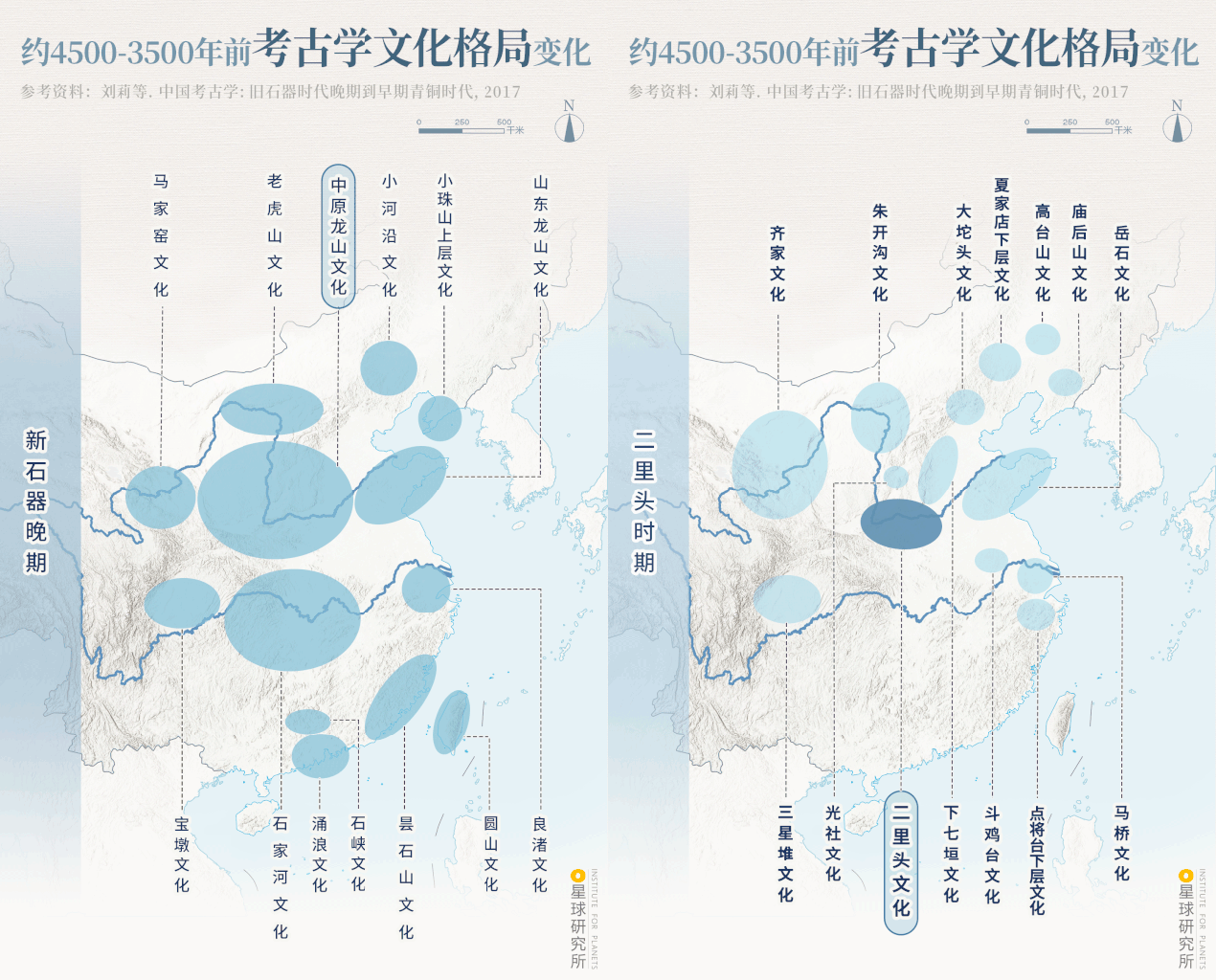
Archaeological culture landscape between 2500-1500 BC
Late Neolithic Age (新石器晚期): see above diagram
Erlitou Age (二里头时期): Qijia culture (齐家文化), Zhukaigou culture (朱开沟文化), Datuotou culture (大坨头文化), Lower Xiajiadian culture (夏家店下层文化), Gaotaishan culture (高台山文化), Miaohoushan culture (庙后山文化), Yueshi culture (岳石文化), Sanxingdui culture (三星堆文化), Guangshe culture (光社文化), Erlitou culture (二里头文化), Xiaqiyuan culture (下七垣文化), Doujitai culture (斗鸡台文化), Lower Dianjiangtai culture (点将台下层文化), Maqiao culture (马桥文化)
(diagram: 王申雯&陈景逸, Institute for Planets)

How did they survive?
One reason was that the midstream of Yellow River was sitting right in the centre of China, therefore it was not as dry as northwest and Inner Mongolian regions, yet did not have to deal with the horrible floods as did its southern neighbours.

More importantly, there was extensive formation of foothill elevation and alluvial fans along the Yellow River, which acted as a Noah’s Ark that always floated above water level. Also crucial were the drainage systems that prevented serious damages to the settlements. Civilisation was thus well preserved.

Elevations by the southern bank of Taohuayu section of Yellow River
(photo: 焦潇翔)

This was where Yu the Great assembled his legendary flood control team, which swiftly restored regional safety and agricultural activities. This catalysed the birth of a kingdom with widespread territory control in the midstream of Yellow River, which was later named Xia — the very first dynasty in Chinese history.
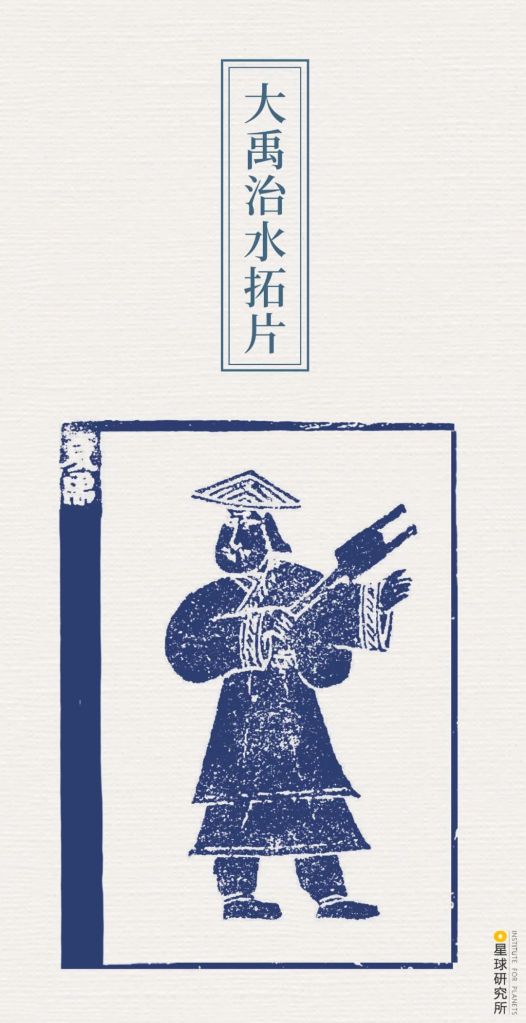
Stone rubbing of Yu Taming the Flood unearthed in Cemetery of Wu’s Family
This Eastern Han artefact was unearthed in Shandong

With that as a foothold, our ancestors began to spread out into even larger alluvial plains, which provided ample space and resources for development. The Chinese civilisation finally gained traction and started to display its power.

It built grand palaces.
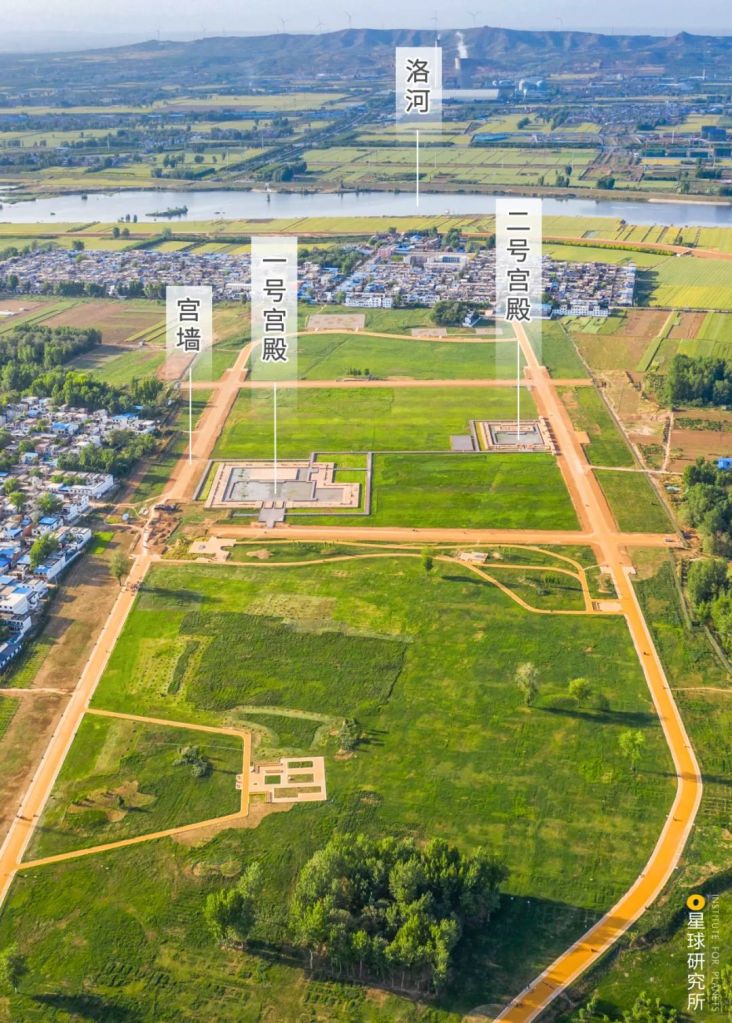
Ruins of Erlitou palace
Shown in the photo is the modern Luo River (洛河); prior to Eastern Han Dynasty, Luo River used south of the ruins.
Palace site 1, 2 (一,二号宫殿), palace wall (宫墙)
(photo: 丁俊豪)

And massive cities.
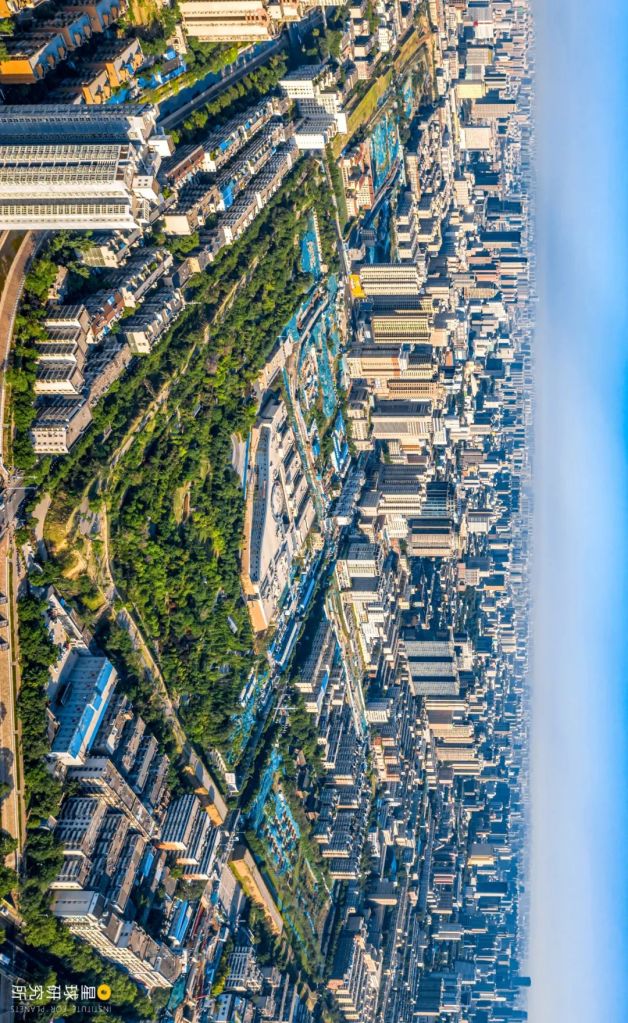
Ruins of Zhengzhou Shang City
Spanning 13 million square metres, this city was believed to be one of the earliest capitals of Shang Dynasty
Photo shows the inner city wall
(photo: 石耀臣)

It welcomed talents, and adopted different technologies and cultures. One after another, groundbreaking advancements were made. There was bronze smelting.
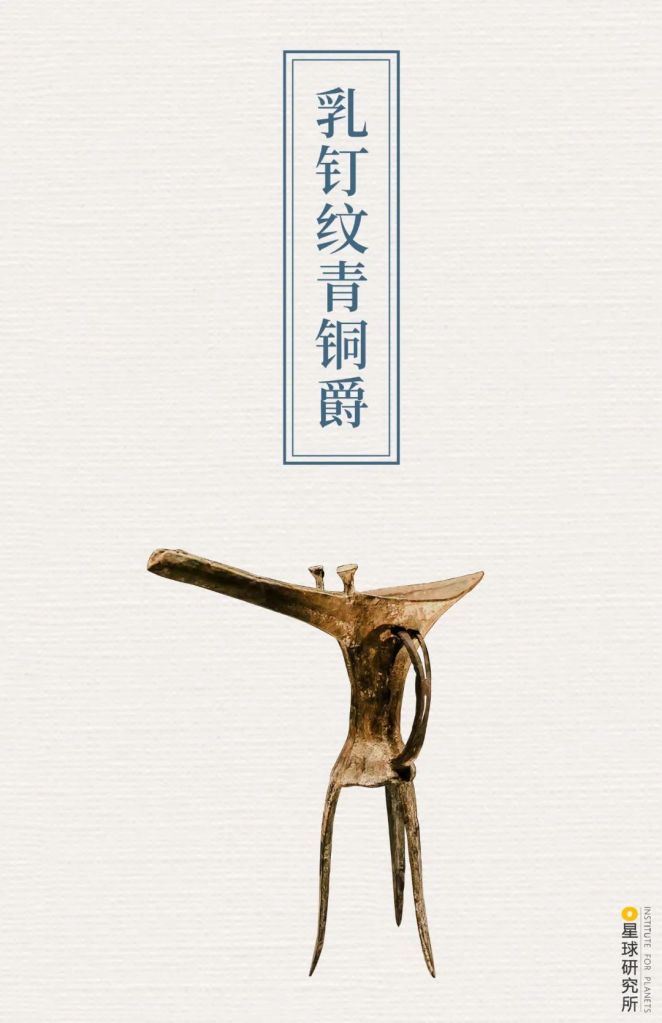
Bronze jue (ancient vessel for wine) with nail pattern
Unearthed in Erlitou ruins, this jue is the oldest bronze wine vessel discovered in China.
(photo: 李文博)

Writing.
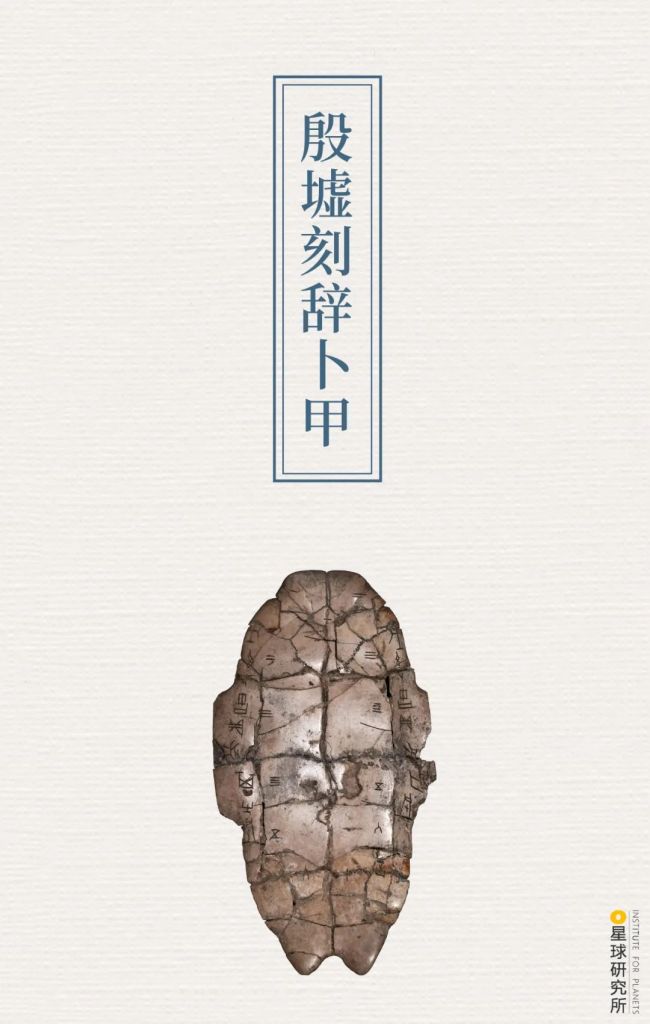
Oracle bone from the Yin ruins
Oracle bone inscriptions are the earliest known writing system in China
(photo: 柳叶氘)

As well as rites, music and ceremonial systems.
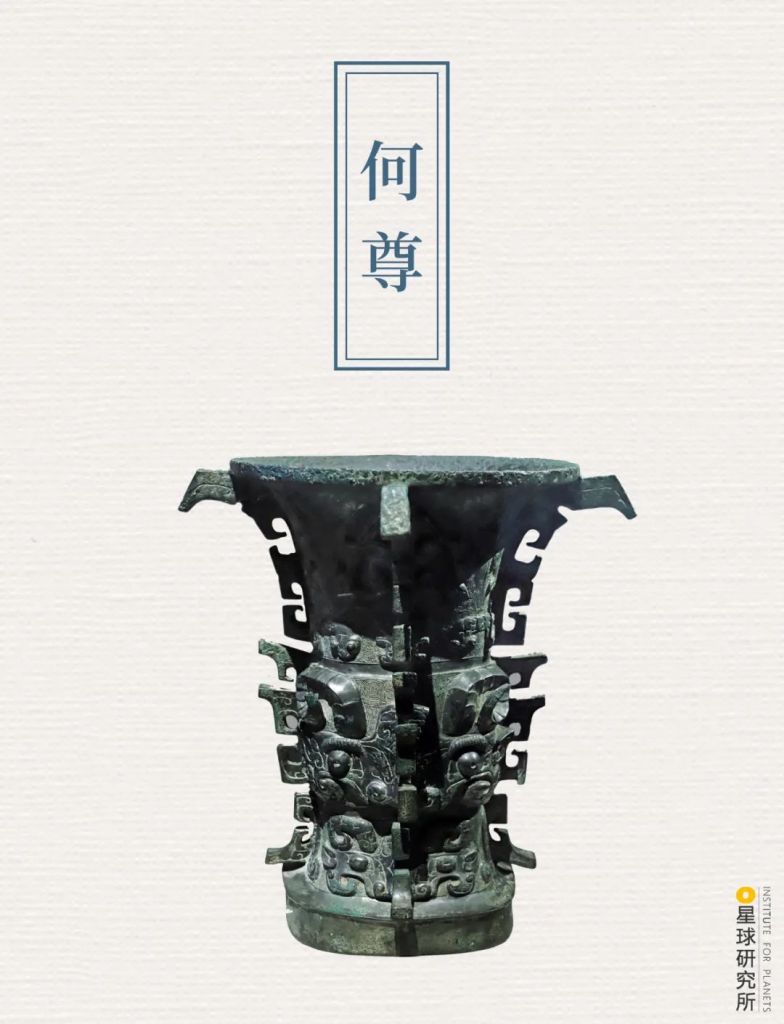
He Zun, a ritual wine vessel
Engravings on this wine vessel documented how King Cheng of Zhou established the city of Chengzhou.
The inscription ‘宅兹中国‘ (literally ‘this land here is the middle kingdom’) on it is the earliest record for the concept of 中国 (Middle Kingdom/China)
(photo: 汇图网)

With the consecutive rise and fall of Xia, Shang and Zhou Dynasties, the Chinese civilisation gradually matured. Then in 221BC, when Qin engulfed the six other warring states and united the entire civilisation, mountains and plains further beyond the Yellow River basin were granted the precious opportunity of full scale development.

Large number of lakes and marshes on the downstream floodplains were drained to make way for new farms and villages.
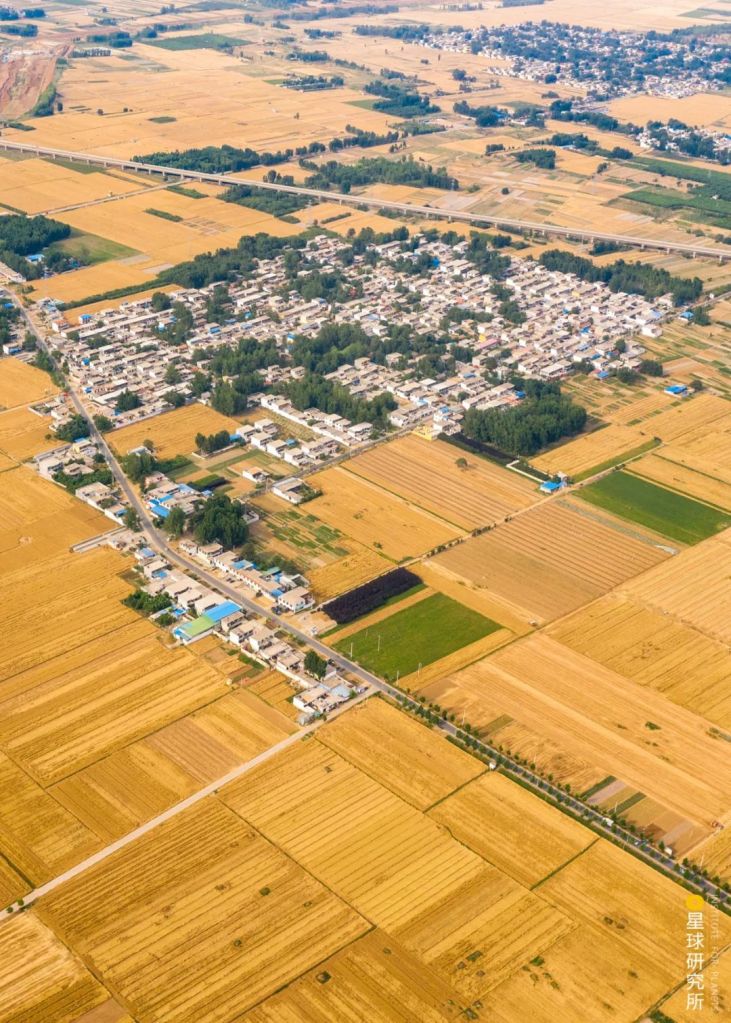
North China Plain
(photo: 田春雨)

In the midstream, all the loess tablelands, ridges and hillocks on Loess Plateau were transformed into terraced fields.
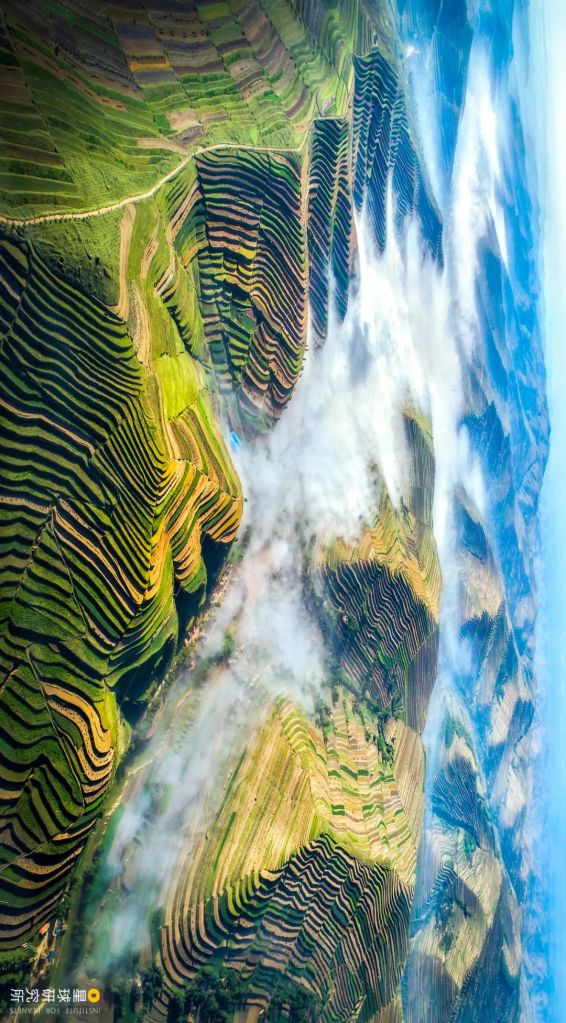
Terraces on Loess Plateau
(photo: 王生晖)

Far out in the upstream, Zhongwei Plain, Yinchuan Plain and Hetao Plain were all rich and fertile lands owing to Yellow River’s generous irrigation. Conditions here were so optimal that these plains were praised the ‘second Jiangnan beyond the Great Wall (塞外江南)‘.
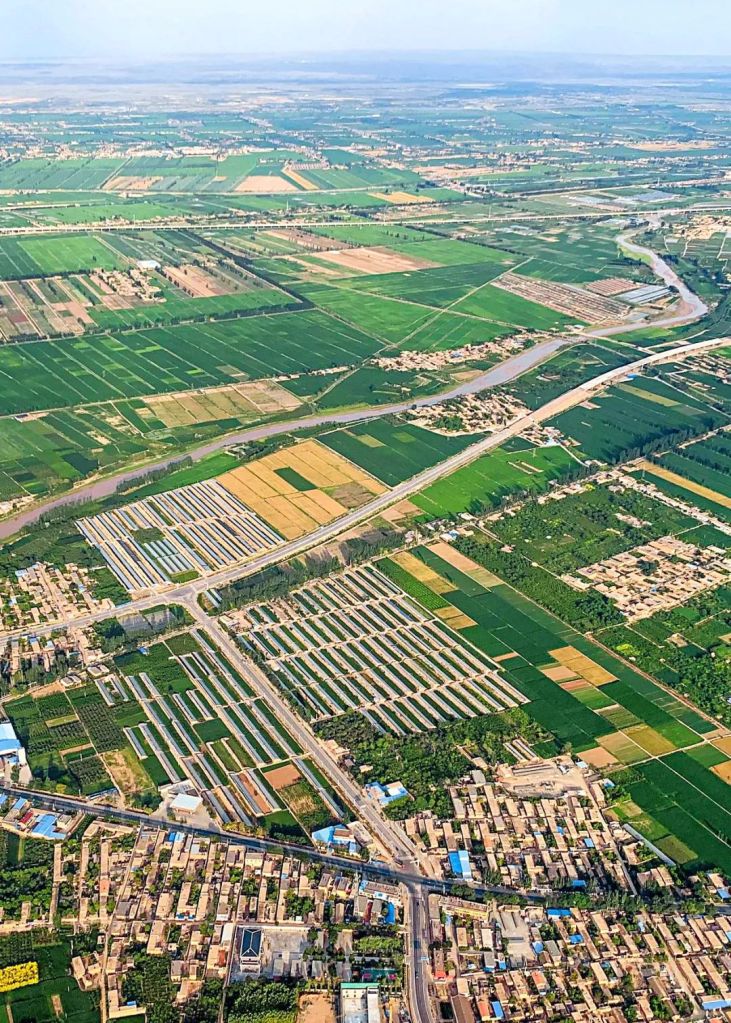
Yinchuan Plain
(photo: 视觉中国)

Even the river valleys and basins on Tibetan Plateau were recruited for planting crops.
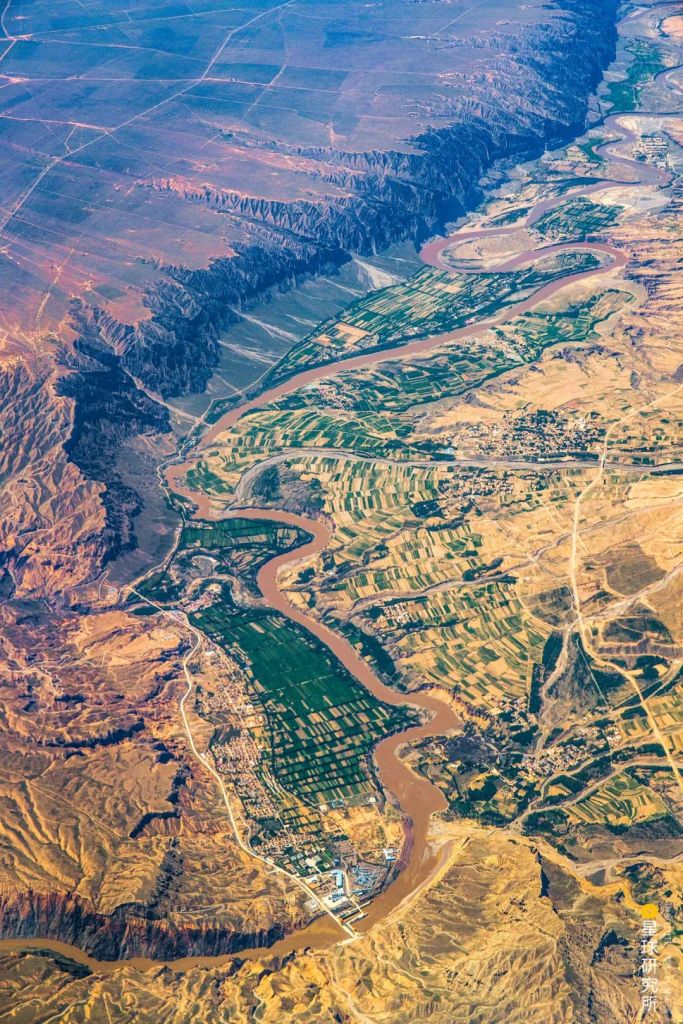
Farms in Xinghai Basin
(photo: 李珩)

The entire Yellow River basin enjoyed uninterrupted development, which was accompanied by continuous population growth and prospering economy. It also nurtured two very special cities, namely Xi’an on the Weihe Plain.
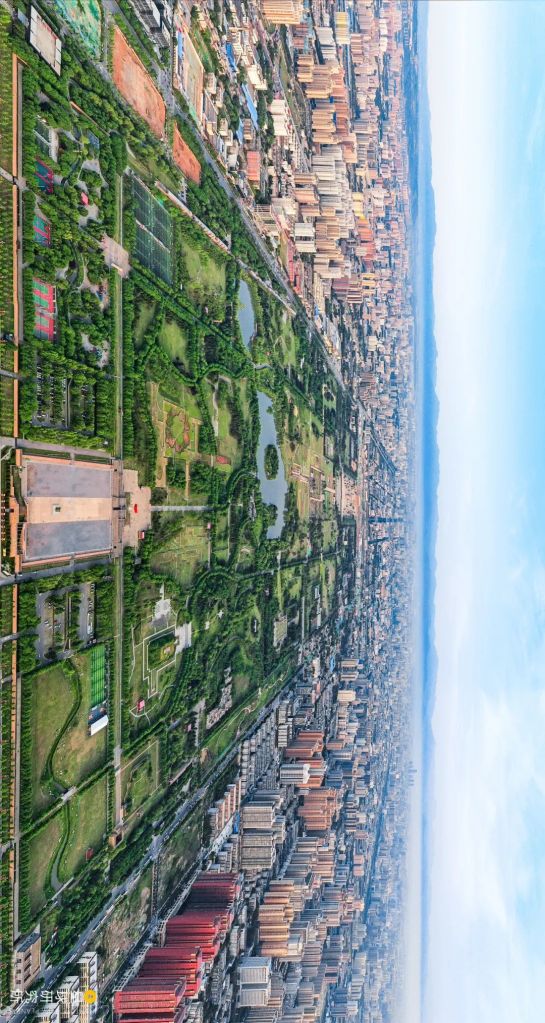
Ruins of Daming Palace of Tang
(photo: 苟秉宸)

And Luoyang on the Yiluohe Plain.
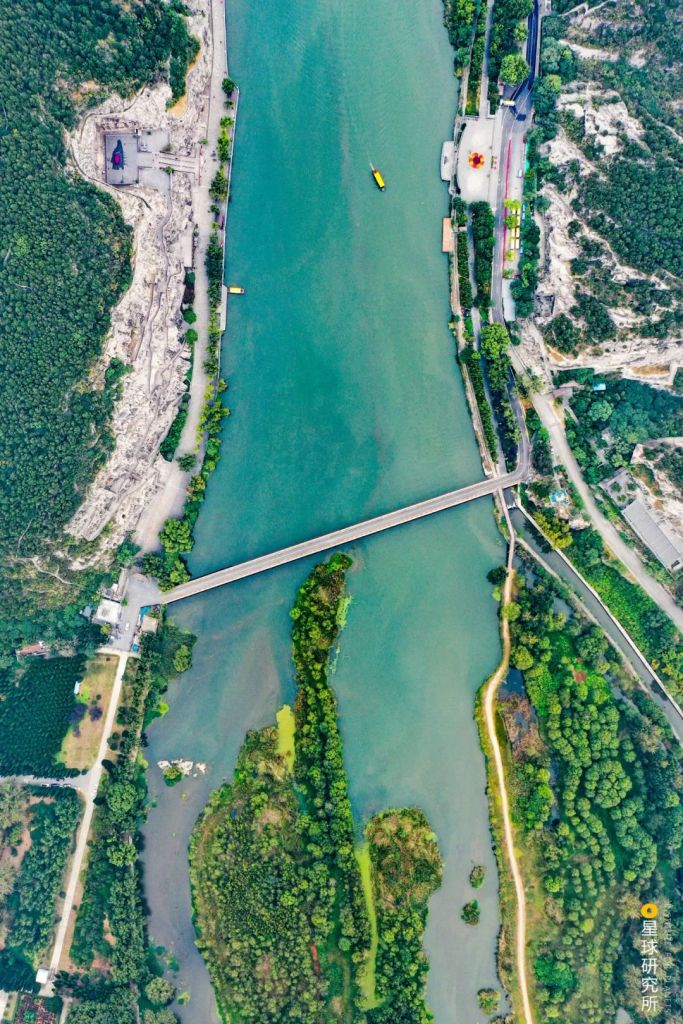
Yique (now known as Longmen), Luoyang
(photo: 傅鼎)

For more than 1000 years, they were the alternating capital cities of China between Qin and Tang Dynasties. Under their leadership, the Chinese civilisation reached the peak of its glory.
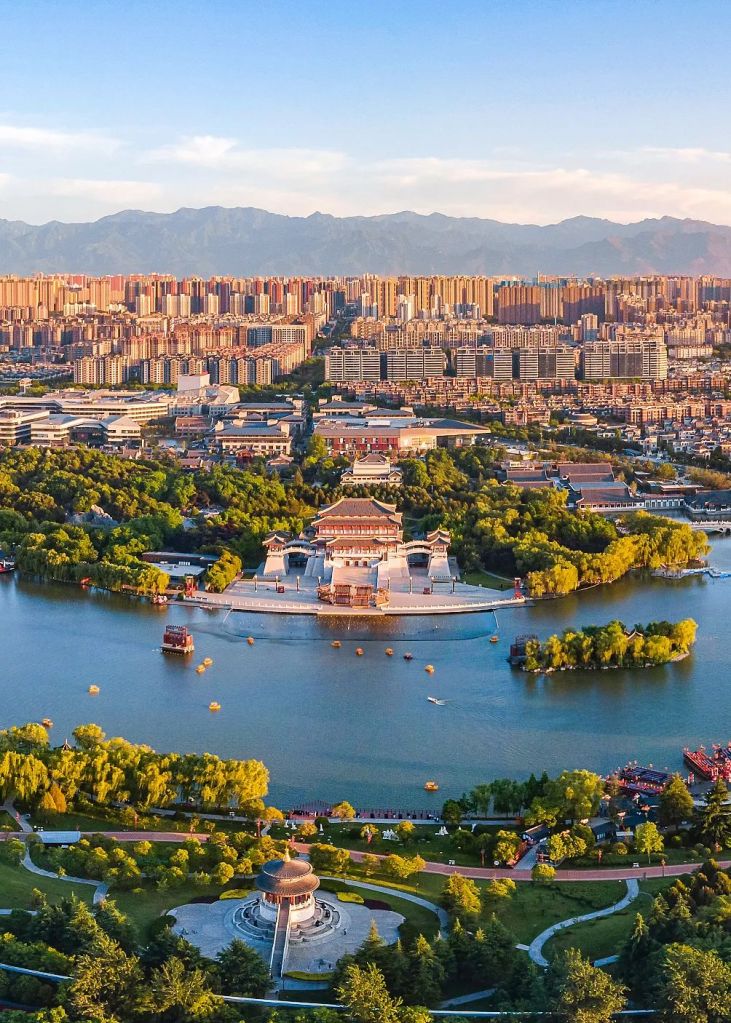
Furong Garden (also known as Tang Paradise) or Tang
(photo: 视觉中国)

4. The rebirth

This is the Yellow River.
As the cradle of Chinese civilisation, it offered everything possible to nurture the land and the people.

However, continuous agricultural activities on the Loess Plateau since the Spring and Autumn Period had led to massive reduction in natural vegetation coverage along the river basin, and this resulted in severe erosion.

Recorded changes in natural vegetation coverage in Yellow River midstream
Yellow: Yellow River basin; green: natural vegetation; dotted line: agricultural production border
Dynasties: Qin & Han (秦汉), Tang & Song (唐宋), Ming & Qing (明清), modern (现代)
Cities: Lanzhou (兰州), Yinchuan (银川), Baotou (包头), Hohhot (呼和浩特), Ordos (鄂尔多斯), Yulin (榆林), Taiyuan (太原), Yan’an (延安), Linfen (临汾), Baoji (宝鸡), Xianyang (咸阳), Xi’an (西安), Sanmenxia (三门峡), Luoyang (洛阳), Zhengzhou (郑州)
(diagram: 陈景逸&王申雯, Institute for Planets)

Loess Plateau was sliced up into shattered pieces, leaving behind countless ditches and gullies.
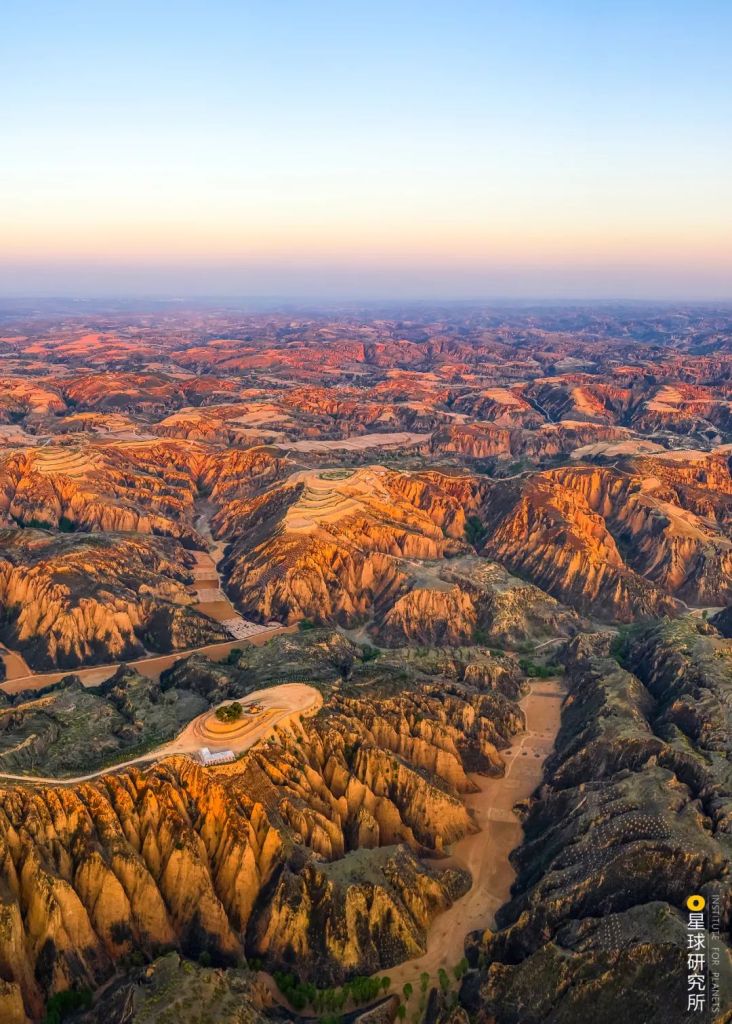
Gullies on Loess Plateau
(photo: 任世明)

Sand and silt were constantly scraped off as the Yellow River marched through the undulating land.

Surging from the west Yellow River breaches the Kunlun Mountains,
roaring for thousands of miles before it reaches Longmen

黄河西来决昆仑,咆哮万里触龙门

Cross Not the River by Li Bai
李白《公无渡河》

Over time, sedimentation in the river bed turned Yellow River into a hanging stream.
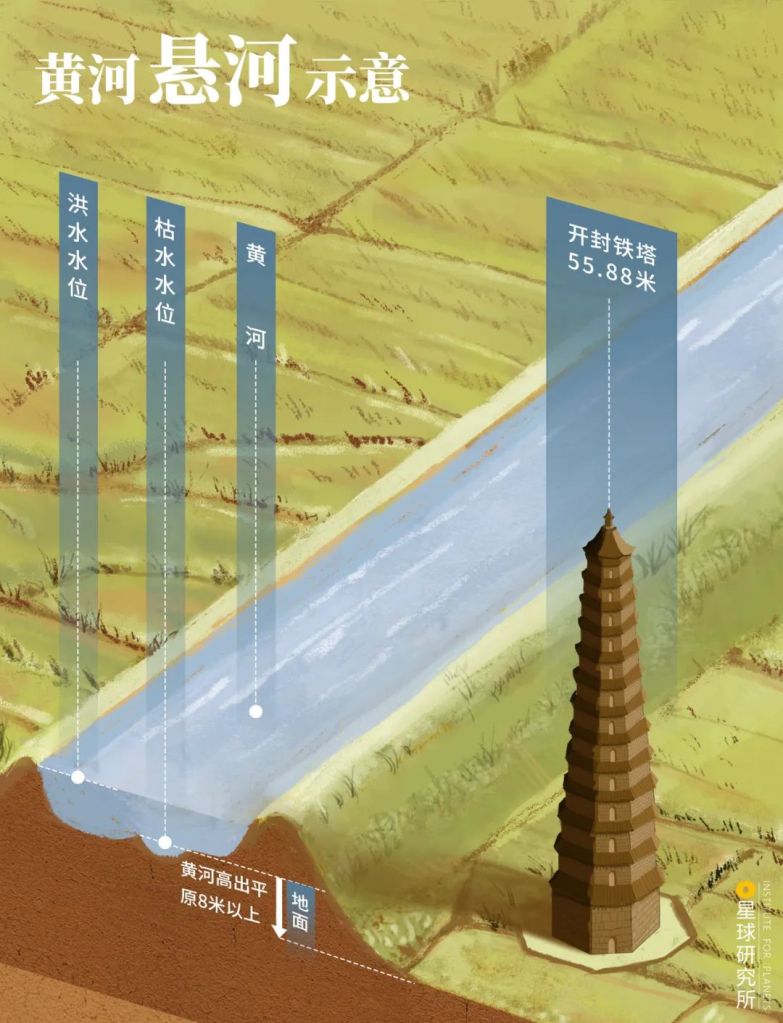
The hanging Yellow River (黄河悬河)
Flooding water level (洪水水位), low water level (枯水水位), Iron Pagoda of Kaifeng (开封铁塔)
The hanging section of Yellow River runs 8 metres above ground level
(diagram: 王申雯, Institute for Planets)

During flood seasons, or whenever spontaneous floods hit, sloppy defence measures were a major reason for breaches in the river banks and potential diversion. Historically, there were more than 1590 breaches, 26 moderate diversions and 5 to 6 major diversions in the downstream between 602 BC and 1949.
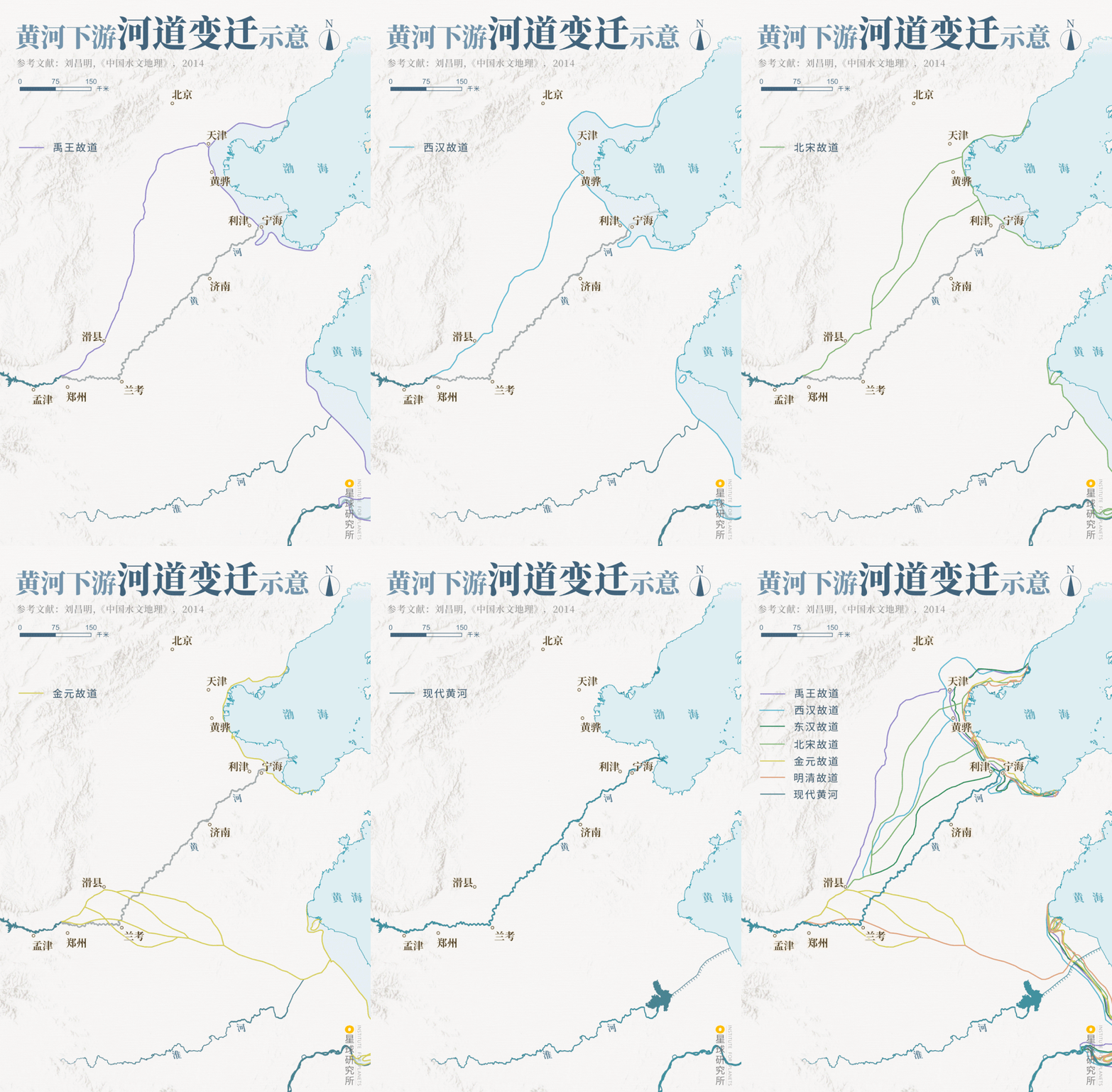
Diversions of Yellow River
Ancient channel (故道) periods: Yu the Great (禹王), Western Han (西汉), Eastern Han (东汉), Northern Song (北宋), Jin & Yuan (金元), Ming & Qing (明清)
Modern: modern Yellow River (现代黄河)
Cities: Beijing (北京), Tianjin (天津), Huanghua (黄骅), Lijin (利津), Ninghai (宁海), Jinan (济南), Lankao (兰考), Hua County (滑县), Zhengzhou (郑州), Mengjin (孟津)
(diagram: 陈景逸&王申雯, Institute for Planets)

Diversions were always catastrophic. Every time it occurred, countless farmlands, villages and towns would be submerged, and hundreds of thousands of civilians displaced. Imagine ‘a barren land that stretches thousands of miles (赤地千里)’ in front of you. This also made Yellow River the nation’s sorrow.

Regions historically under influence of Yellow River
With Mengjin as the major hinge, Yellow River has been swinging north towards Tianjin and south reaching Huai River, forming a Yellow River influence region that spans an area of 250,000 km2.
Dotted line: ancient channel of Yellow River (黄河故道), dark shade: major alluvial fan (主要冲积扇), light shade: regions under Yellow River’s influence (黄河影响范围)
Cities: Beijing (北京), Tianjin (天津), Jinan (济南), Zhengzhou (郑州)
Rivers: Yellow River (黄河), Beijing-Hangzhou Grand Canal (京杭运河), Huai River (淮河), Yangtze River (长江)
(diagram: 陈景逸&王申雯, Institute for Planets)

Fortunately, Yellow River today is no longer the raging monster that tends to flood, nor the sandy river always overloaded with sediment. Over the past few decades, a series of hydraulic engineering projects targeting the up- and midstream have been completed.
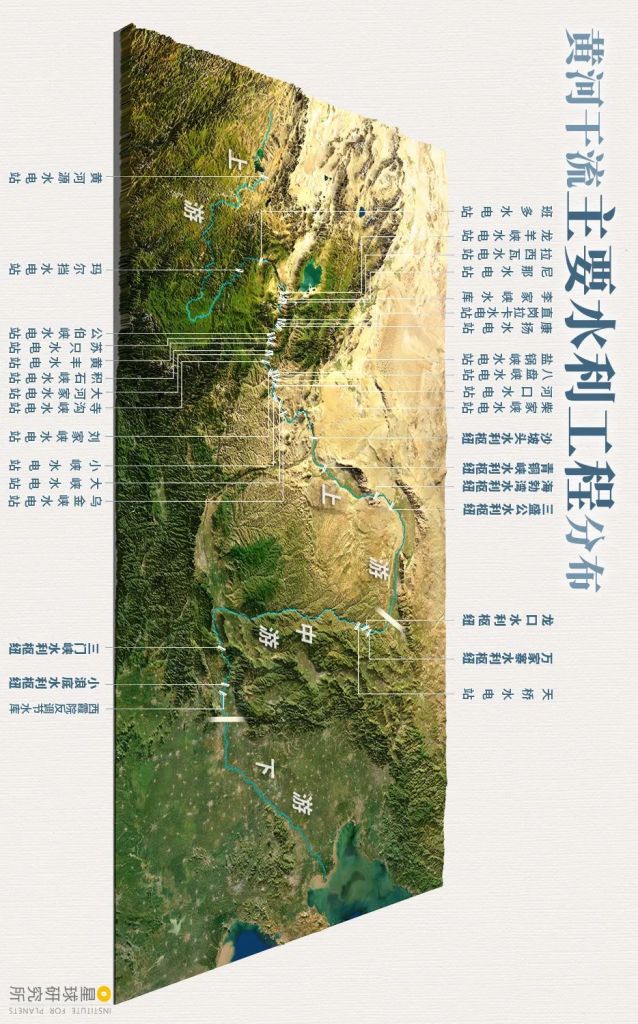
Major hydraulic engineering projects along the Yellow River
(diagram: 陈景逸&王申雯, Institute for Planets)

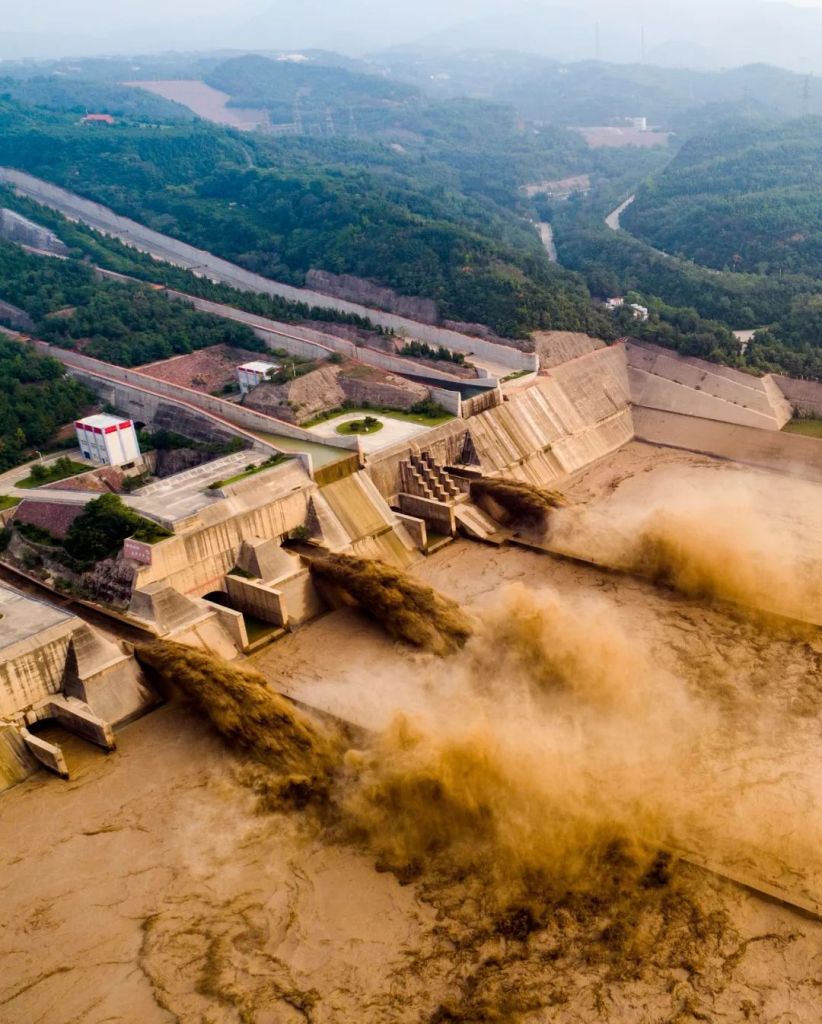
With these projects in place, we are now able to gate the silt with dams, and flush it out when necessary using man-made flood peaks.
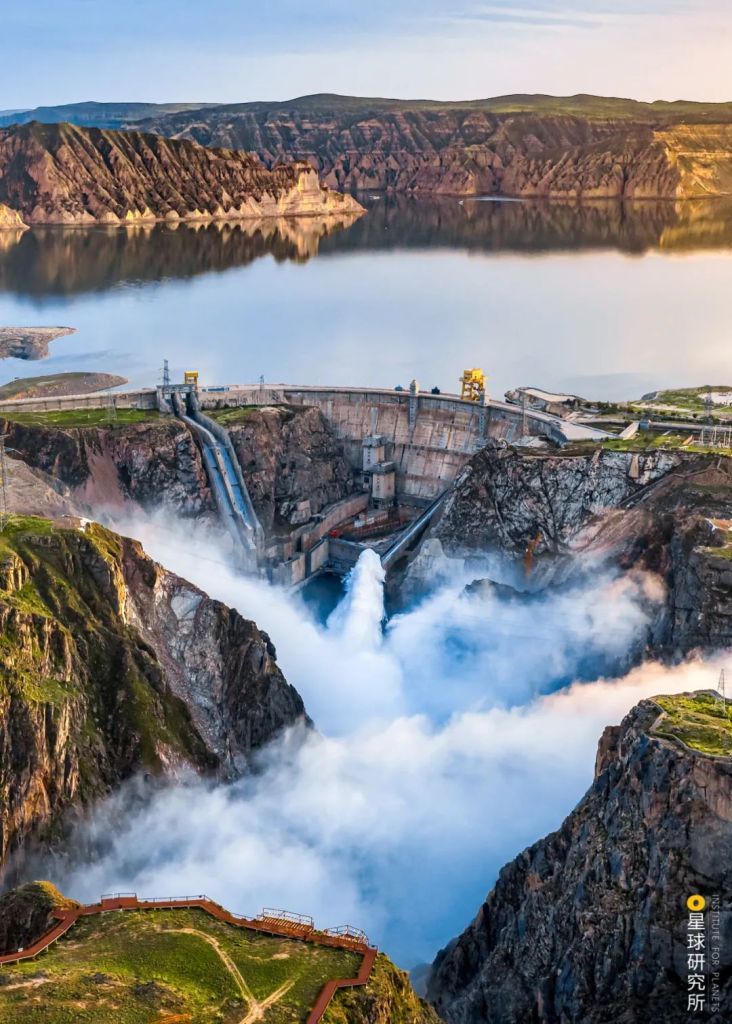
Flood discharge at Longyangxia Dam
To flush out the silt, coordinative discharge will be performed in a number of dams upstream of Xiaolangdi Dam, thereby producing an artificial flood peak that scours the Yellow River
(photo: 李俊博)
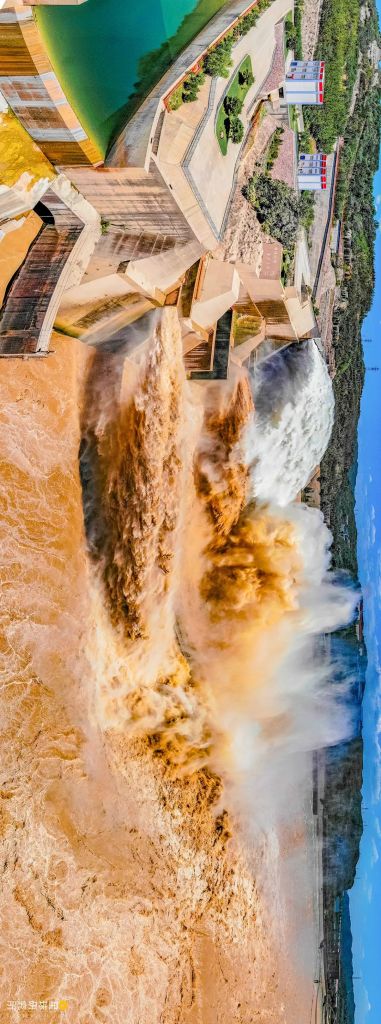
Flood discharge at Xiaolangdi Dam
(photo: 张子玉)

In addition, afforestation and other measures such as returning farms to forests and grasslands were implemented on Loess Plateau and other locations.
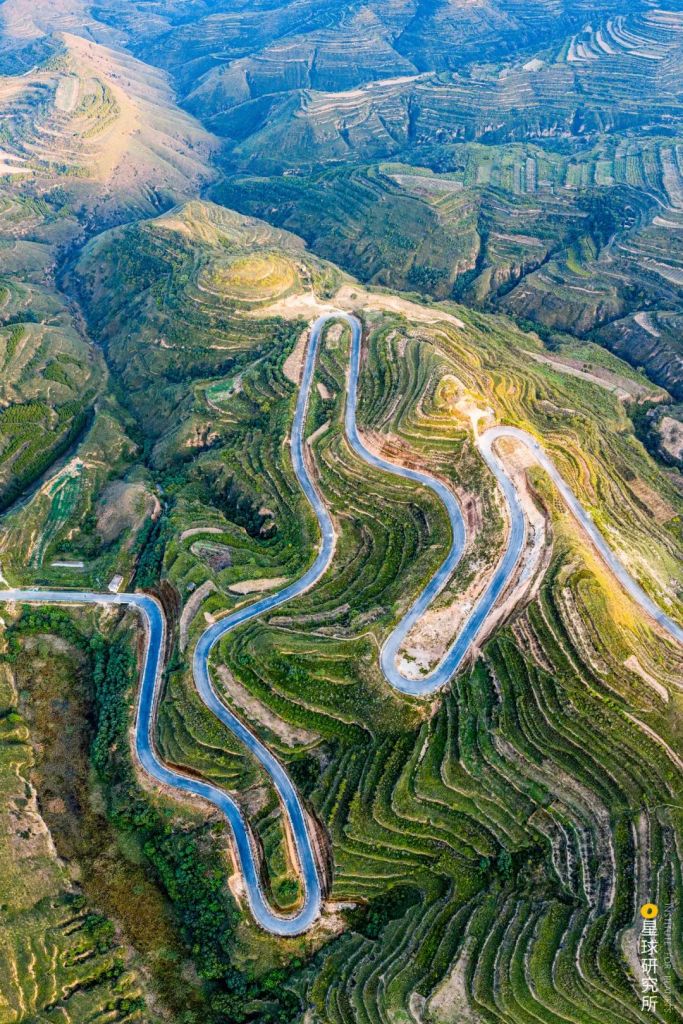
An abandoned farm on Loess Plateauin Shaanxi now consumed by nature
(photo: 射虎)

As vegetation coverage increases substantially, erosion problem is greatly alleviated.
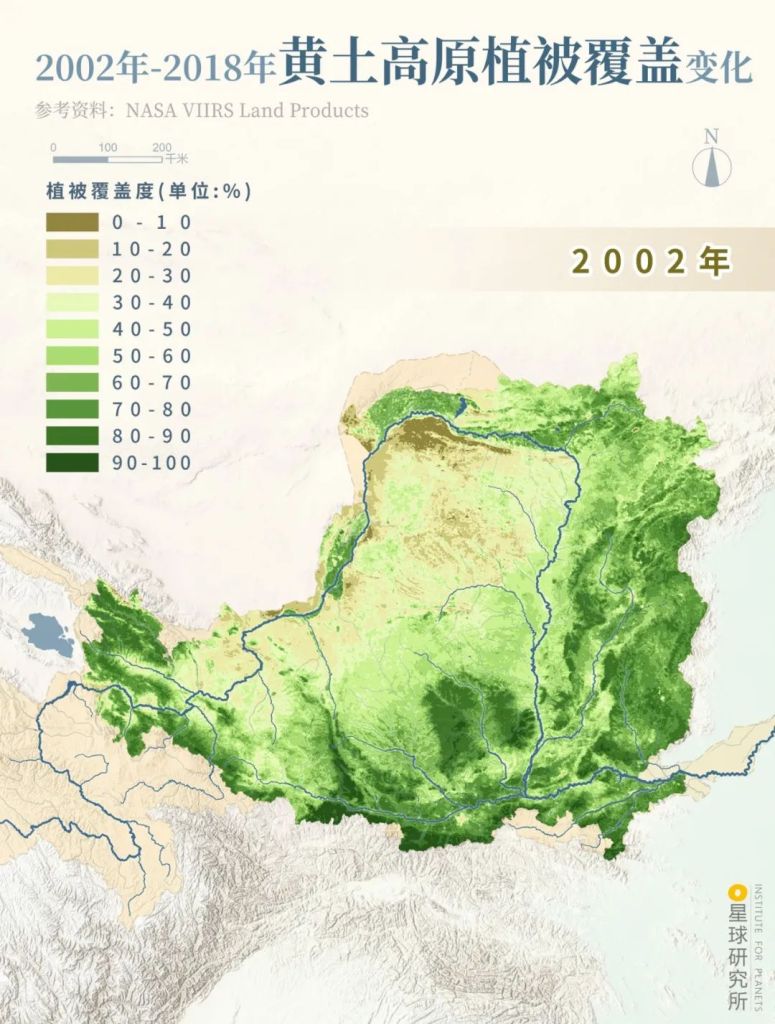
Changes in vegetation coverage on Loess Plateau
Vegetation coverage (植被覆盖度)
(diagram: 陈景逸&王申雯, Institute for Planets)

Sediment transport in Yellow River also shows a plunging trend, returning to its natural state 3000 years ago.
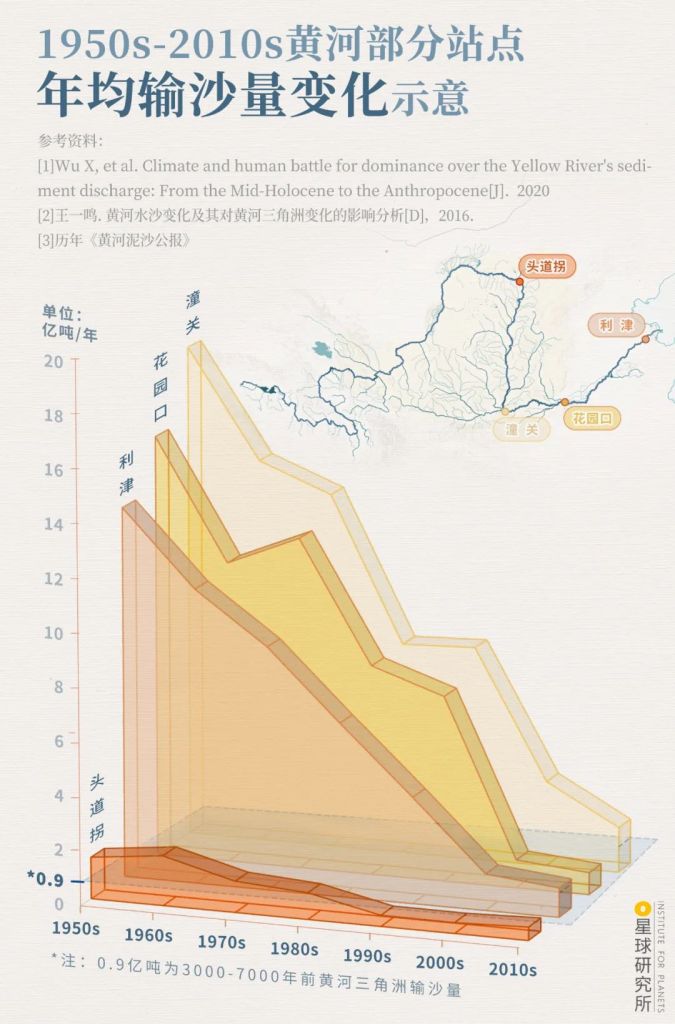
Changes in annual mean sediment transport between 1950s and 2010s as recorded by selected stations
During the 1990s, reduction in sediment transport in the downstream was associated with a sharp drop in runoff or even complete cutoff
Toudaoguai (头道拐), Tongguan (潼关), Huayuankou (花园口), Lijin (利津)
(diagram: 王申雯&陈景逸, Institute for Planets)

The title of ‘river with largest sediment transport’ is now given away to the Ganges. In fact, the drop in sediment transport has been so dramatic that, with the concurrent rise in sea level due to global warming, the Yellow River Delta is facing erosion problem.
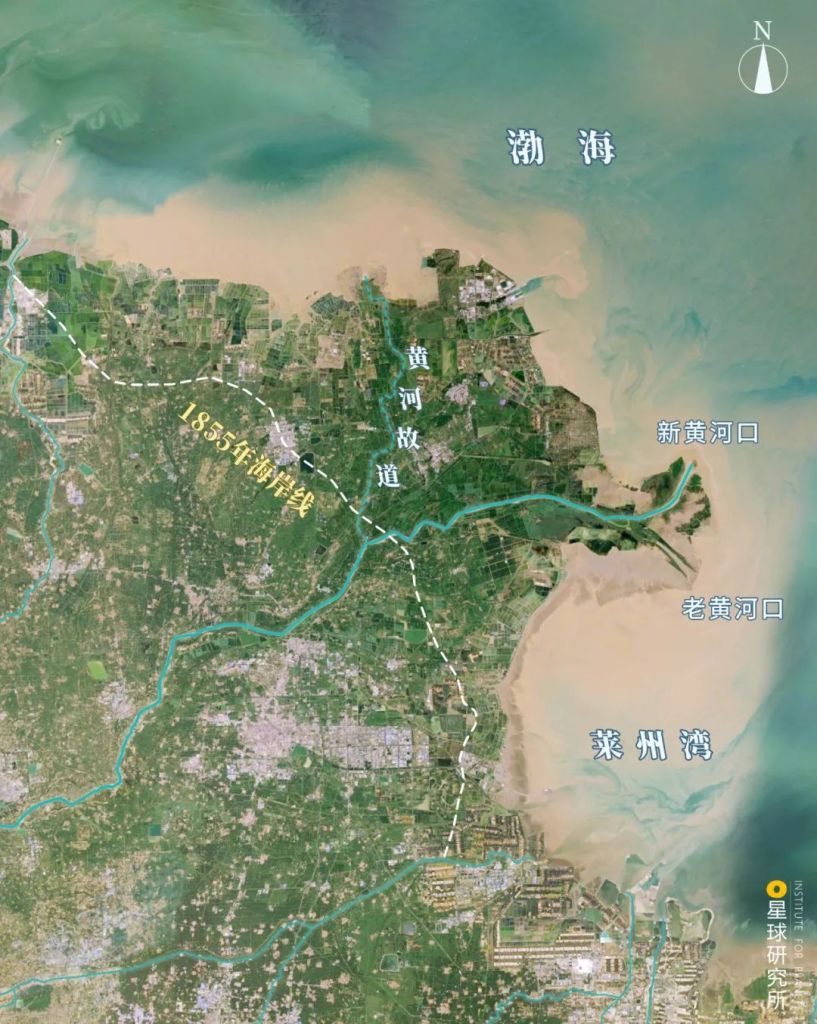
Remote sensing image of Yellow River Delta
After peaking at 3061 km2, the area of the delta has since been shrinking rapidly at the river mouth by 2.53 km2/a, which is equivalent to losing an area of 354 football pitches every year
Coastal line in 1855 (1855年海岸线), ancient channel of Yellow RIver (黄河故道), new river mouth (新黄河口), old river mouth (老黄河口), Bohai Sea (渤海), Laizhou Bay (莱州湾)
(photo: google earth)

The Yellow River that was once a great menace to civilians living nearby no longer floods frequently, thanks to the aforementioned control measures and construction of modern dikes.
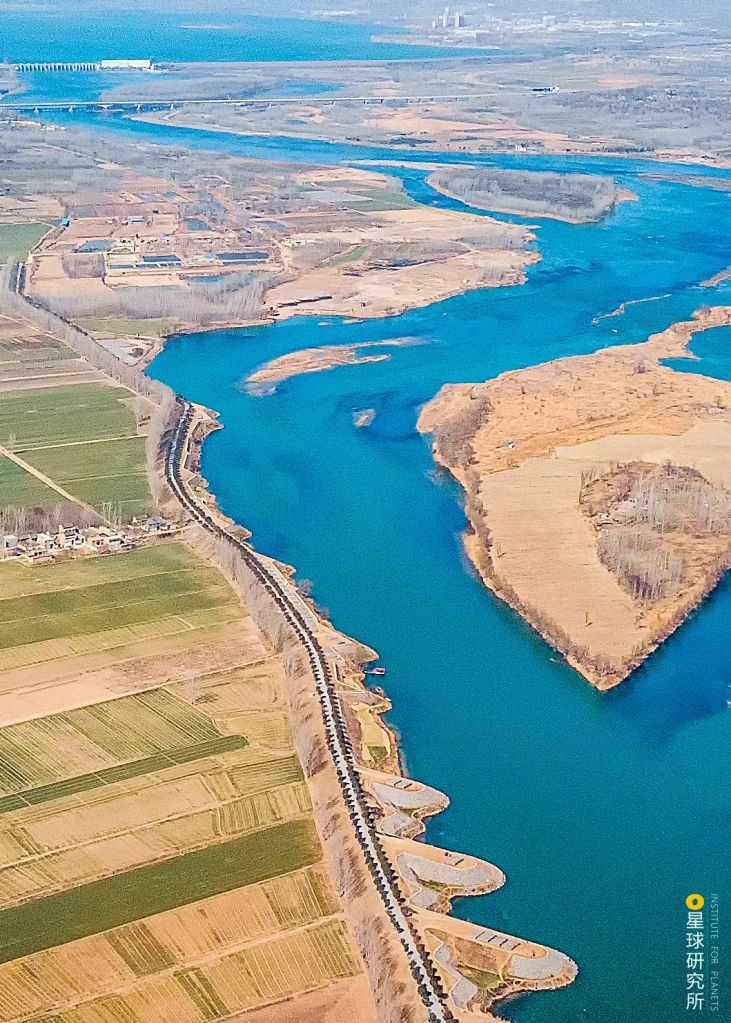
Yellow River dike
Shown here is called the spur dike, which extends into the river channel either perpendicularly or in an slanted manner; it is designed to constrict the river bed and protect the banks
(photo: 雾雨川)

Today, the tamed river flows gently.
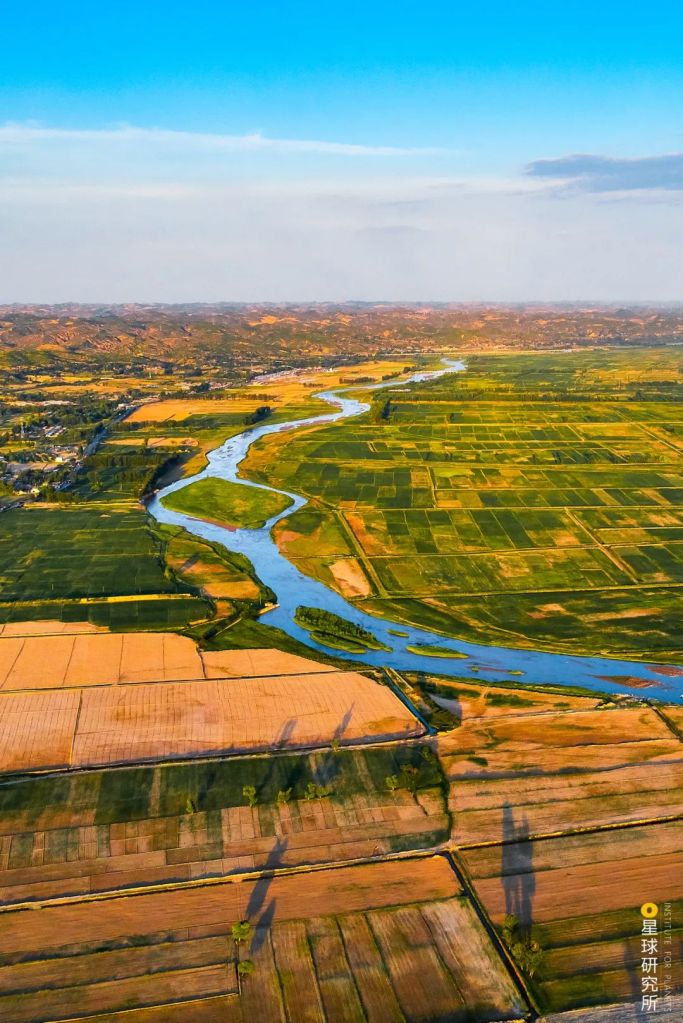
Wuding River
(photo: 任世明)

Occasional floods are usually well under control, and any damages are minimised. This is also why it seldom appears on headlines nowadays.
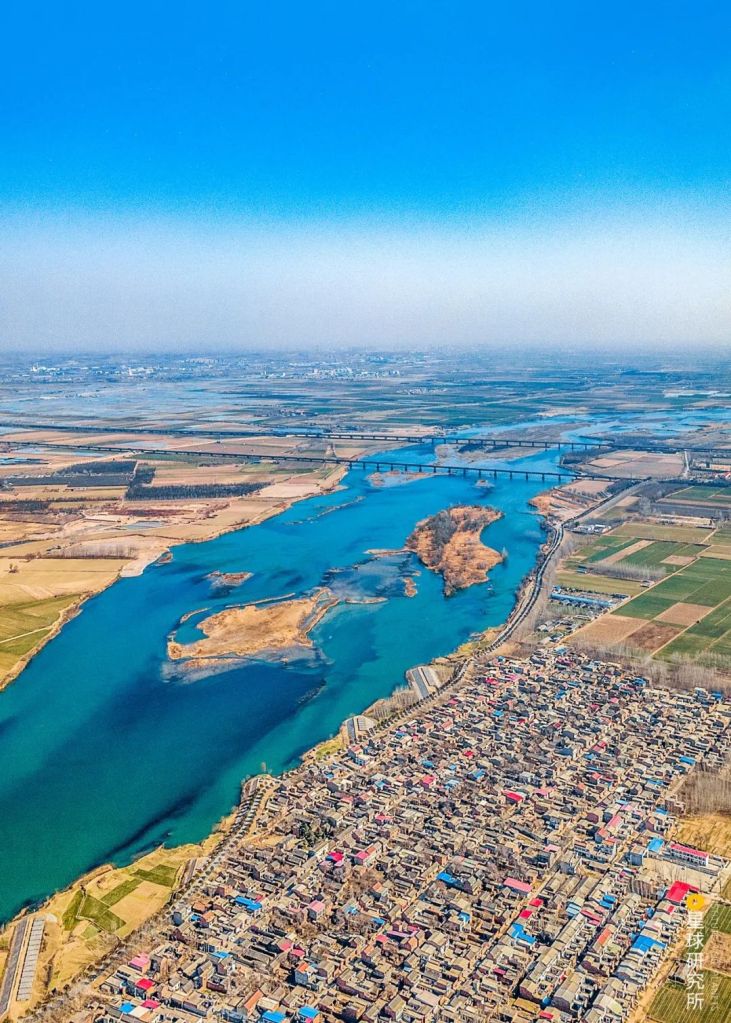
Luoyang section of Yellow River
(photo: 雾雨川)

But still, whenever we cross the Yellow River on a highway bridge.
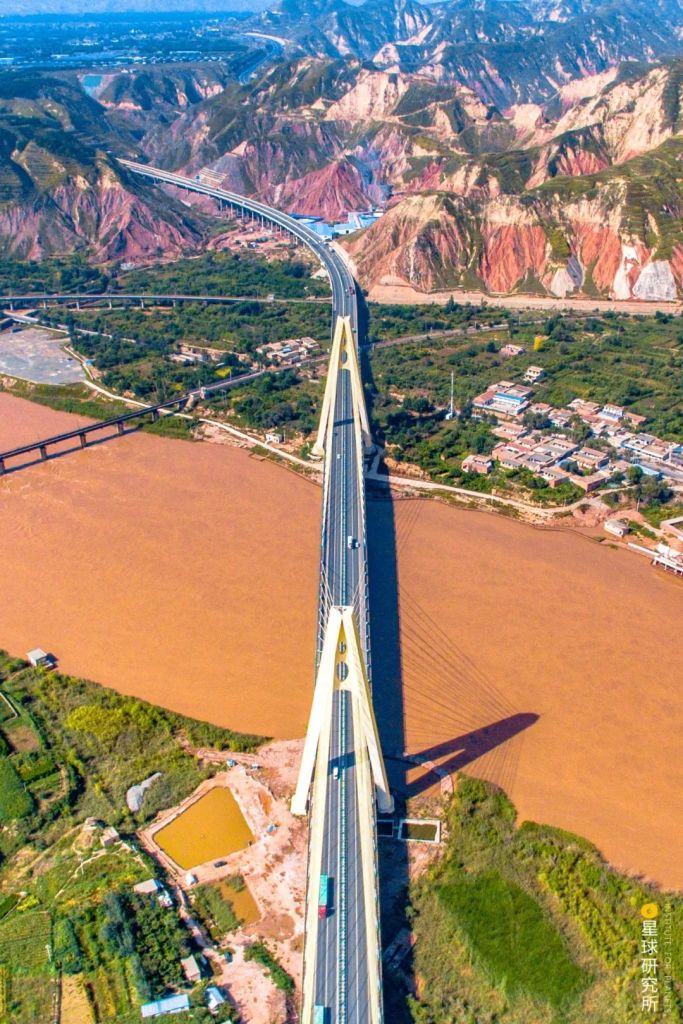
Xigu Yellow River Bridge, Lanzhou
(photo: 陈立稳)

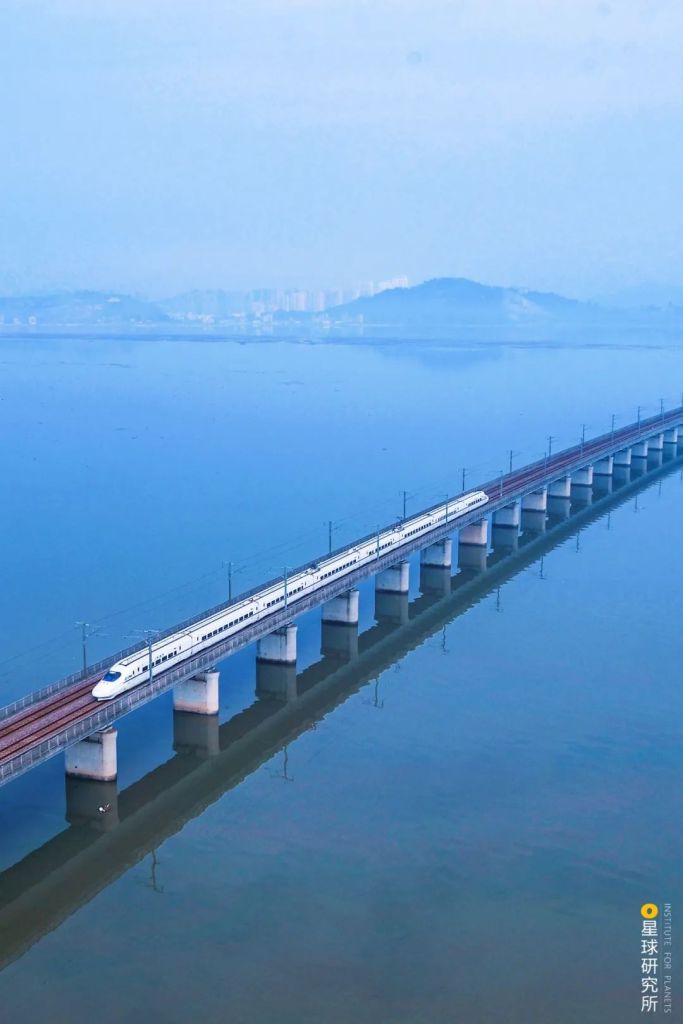
Dash above the river on a high-speed train.
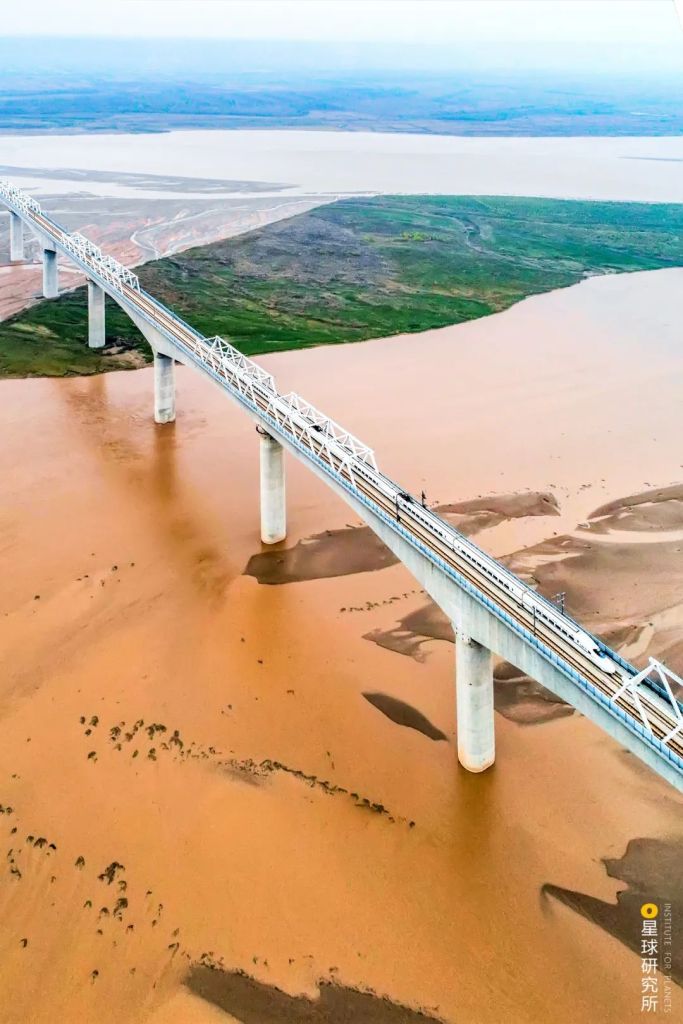
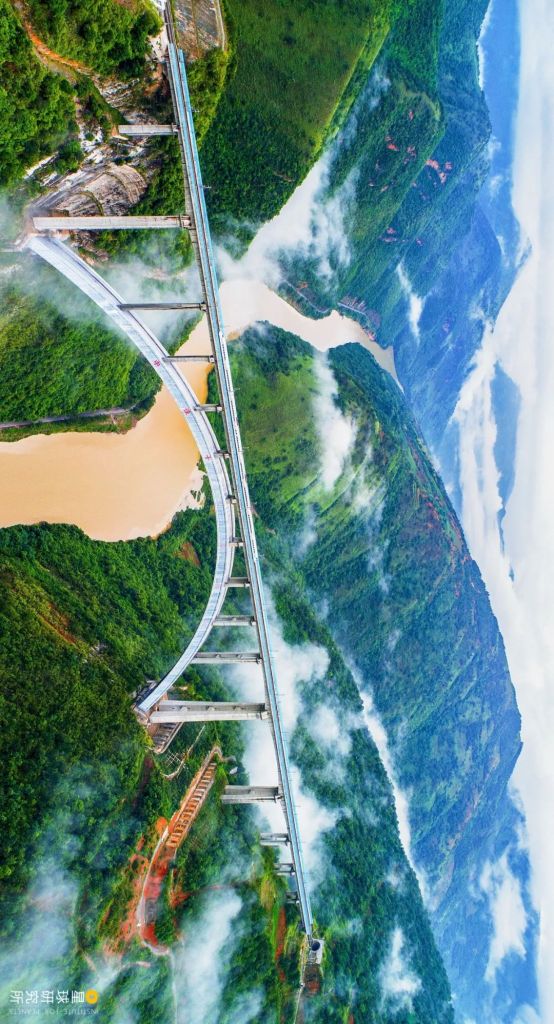
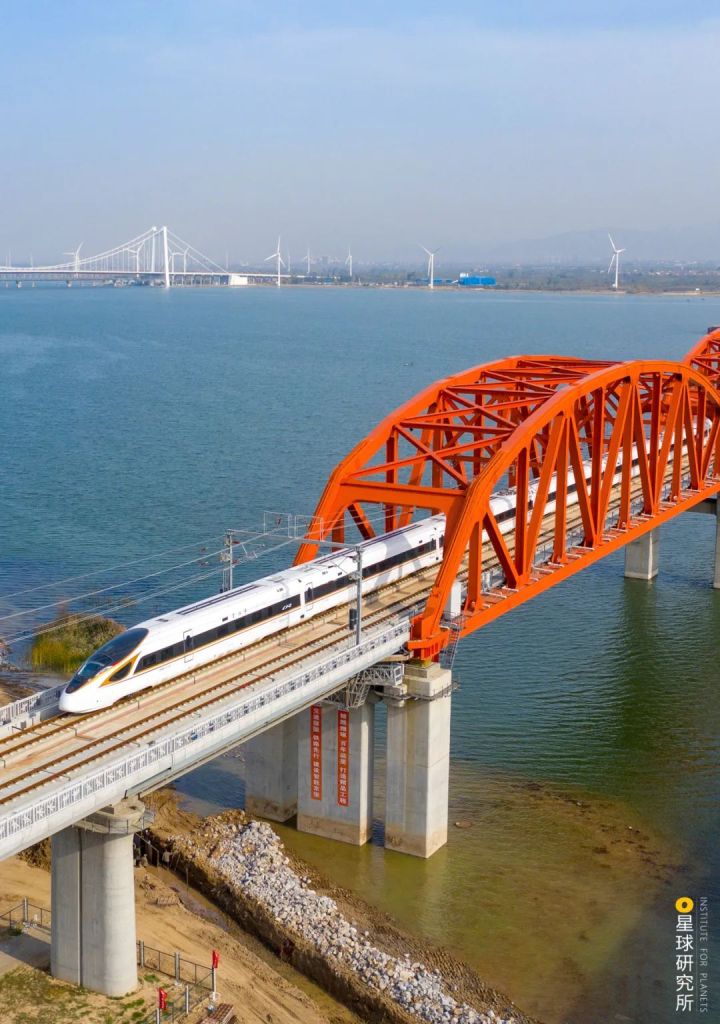
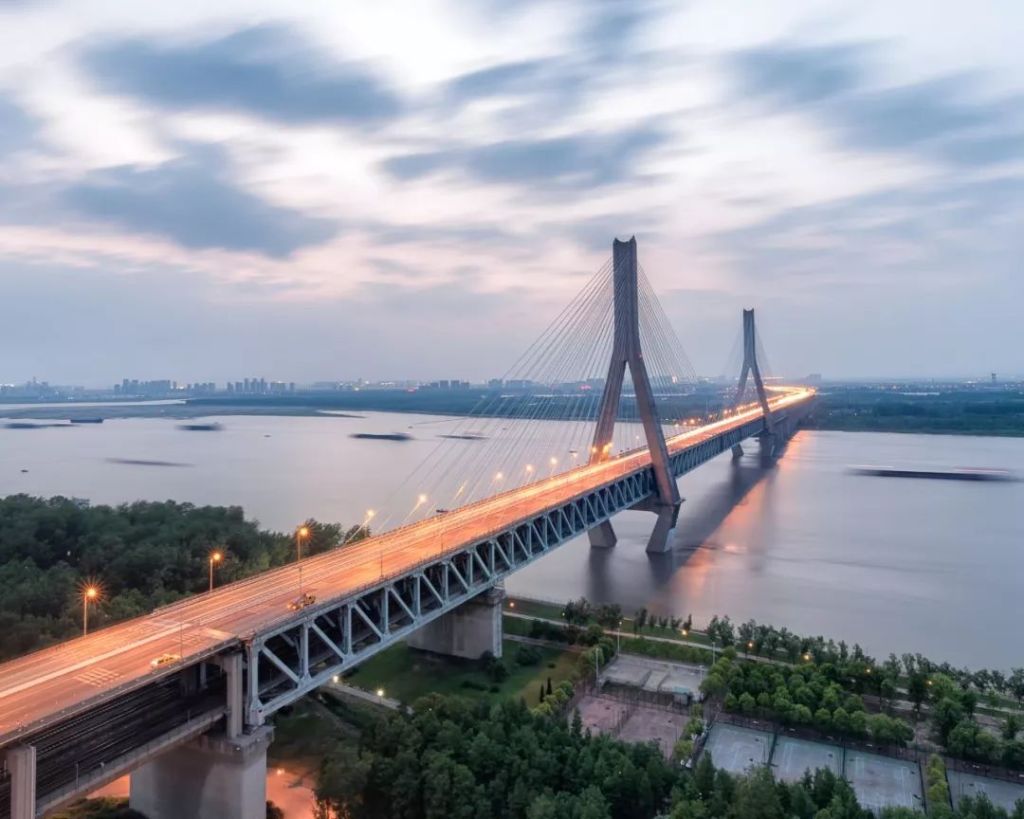
Jinsha Yellow River Grand Bridge of Datong-Xi’an High-speed Railway
(photo: 中国铁建)

Or fly past it on a plane.
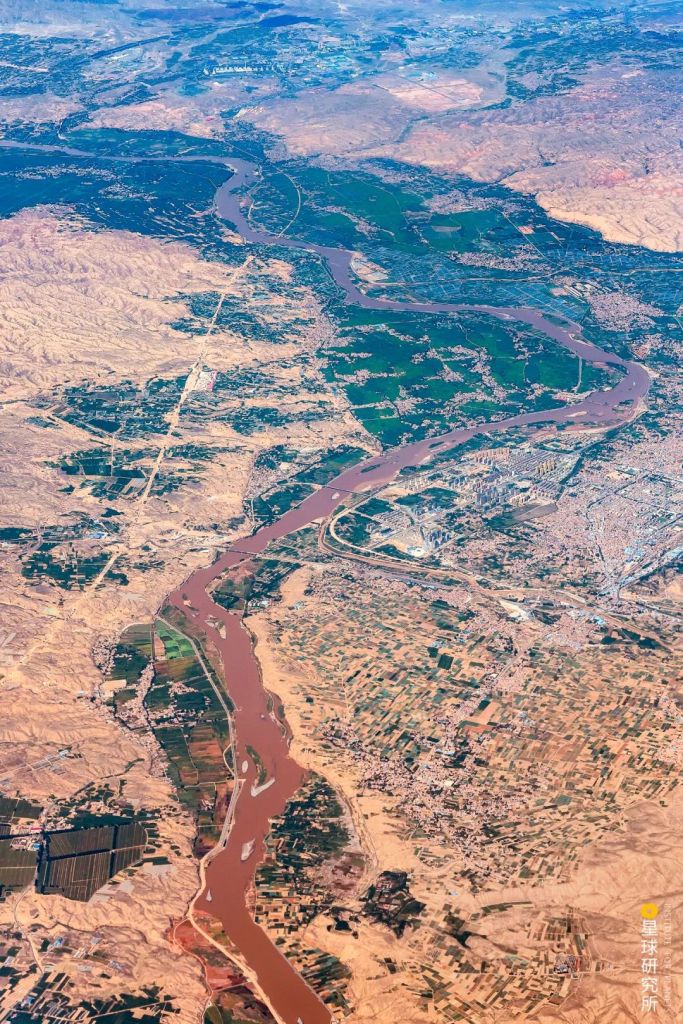
Jingyuan section of Yellow River
(photo: 吴亦丹)

We cannot help but be absorbed in the enchanting beauty of a river so grand and indispensable to us.
This is the surging power that nurtured a surging nation.
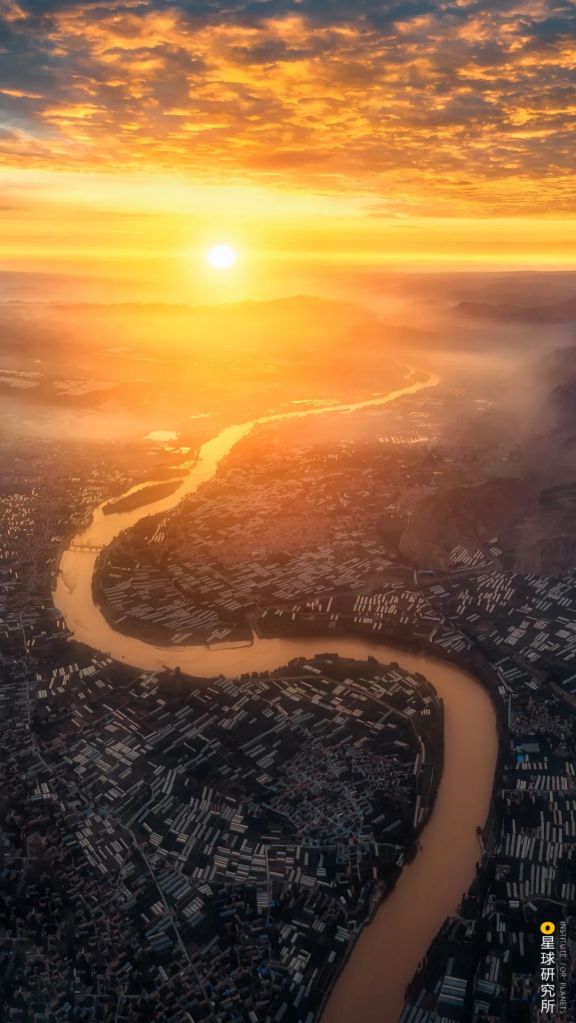
Yellow River in Gansu
(photo: 王生晖)

Production Team
Text: 风子
Photos: 凰壑
Maps: 陈景逸
Design: 王申雯
Review: 王长春, 云舞空城
Feature photo: 余明

Expert review
Prof. An Chengbang, Lanzhou Unversity (安成邦教授, 兰州大学)
Asst. Prof. Hu Zhenbo, Lanzhou University (胡振波副教授, 兰州大学)

References
[1]王绍武. 全新世气候变化[M]. 气象出版社, 2011.
[2]尤联元,杨景春主编. 中国地貌[M]. 北京:科学出版社, 2013.07.
[3]邹逸麟,张修桂主编;王守春副主编. 中国历史自然地理[M]. 北京:科学出版社, 2013.10.
[4]刘昌明主编;周成虎,于静洁,李丽娟,张一驰副主编. 中国水文地理 中国自然地理系列专著[M]. 北京:科学出版社, 2014.04.
[5]黄河水利委员会黄河志总编辑室编. 黄河志 卷2 黄河流域综述[M]. 郑州:河南人民出版社, 2017.01.
[6]苏秉琦著. 中国文明起源新探[M]. 北京:人民出版社, 2013.08.
[7]刘莉, 陈星灿. 《中国考古学:旧石器时代晚期到早期青铜时代》[J]. 读书, 2017(09):29.
[8]许宏著作. 先秦城邑考古[M]. 北京:西苑出版社, 2017.08.
[9]许宏著. 何以中国 公元前2000年的中原图景[M]. 北京:生活·读书·新知三联书店, 2016.05.
[10]张新斌主编. 黄河流域史前聚落与城址研究[M]. 北京:科学出版社, 2010.02.
[11]韩建业著. 早期中国 中国文化圈的形成和发展[M]. 上海:上海古籍出版社, 2015.05.
[12]王均平. 黄河中游晚新生代地貌演化与黄河发育[D].兰州大学,2006.
[13]胡振波. 晋陕黄河晚新生代水系发育与河流阶地研究[D].兰州大学,2012.
[14]郭炼勇. 黄河豫西段形成演化研究[D].兰州大学,2017.
[15]李容全,邱维理,张亚立,张本昀. 对黄土高原的新认识[J]. 北京师范大学学报(自然科学版),2005(04):431-436.
[16]李吉均, 方小敏. 晚新生代黄河上游地貌演化与青藏高原隆起[J]. 中国科学:D辑, 1996, 26(4):316-316.
[17]刘志杰, 孙永军. 青藏高原隆升与黄河形成演化[J]. 地理与地理信息科学, 2007, 23(001):79-82.
[18]韩建恩, 邵兆刚, 朱大岗,等. 黄河源区河流阶地特征及源区黄河的形成[J]. 中国地质, 2013, 40(005):1531-1541.
[19]董广辉, 刘峰文, 杨谊时,等. 黄河流域新石器文化的空间扩张及其影响因素[J]. 自然杂志, 2016, 038(004):248-252.
[20]范毓周. 河南巩义双槐树”河洛古国”遗址浅论[J]. 中原文化研究, 2020(4).
[21]谷飞,陈国梁. 社会考古视角下的偃师商城——以聚落形态和墓葬分析为中心[J]. 中原文22,2019(05):84-94.
[22]刘绪. 夏末商初都邑分析之一——二里头遗址与偃师商城遗存比较[J]. 中国国家博物馆馆刊,2013(09):6-25.
[23]曾婧. 偃师商城宫城与郑州商城宫殿区的比较研究[J]. 文博学刊,2019(02):32-45.
[24]夏正楷,张俊娜. 黄河流域华夏文明起源与史前大洪水[A]. 北京大学、北京市教育委员会、韩国高等教育财团.北京论坛(2013)文明的和谐与共同繁荣——回顾与展望:“水与可持续文明”圆桌会议论文及摘要集[C].北京大学、北京市教育委员会、韩国高等教育财团:,2013:16.
[25]Hu Z B , Li M H , Dong Z J , et al. Fluvial entrenchment and integration of the Sanmen Gorge, the Lower Yellow River[J]. Global and planetary change, 2019, 178(JUL.):129-138.
[26]Wu X, Wang H, Bi N, et al. Climate and human battle for dominance over the Yellow River’s sediment discharge: From the Mid-Holocene to the Anthropocene[J]. Marine Geology, 2020: 106188.

…The End…

Institute for Planets
星球研究所
一群国家地理控,专注于探索极致风光

China’s Space Odyssey

What a year 2020 has been.

Nevertheless, China still managed to complete the BeiDou navigation system, and successfully launched two ambitious space projects aiming at Mars and the Moon, among others. Some say all these are part of the space race. For Chinese, who have been staring into the heavens and contemplating the boundless void for thousands of years, these are just the beginning of their ‘quest for the ocean of stars (我们的征途是星辰大海)’.

Quest for the ocean of stars

Chinese astronomers are a romantic bunch, they are real dreamers. Just take a look at their choice of names. Reading through the list of China’s space exploration programmes is like revisiting all the Chinese classics and celestial mythologies. Today, I am going to share some of them with you.

Are you ready?

1. Lunar exploration – Chang’e (嫦娥) Project

This multi-phase programme is a series of Moon missions that include lunar orbiting, landing and stationing on the Moon.

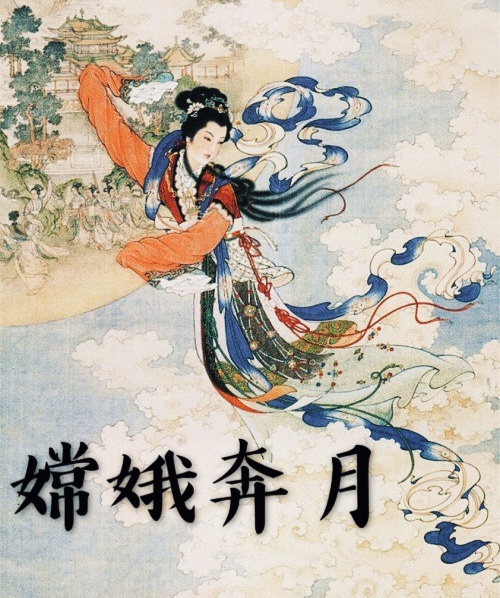
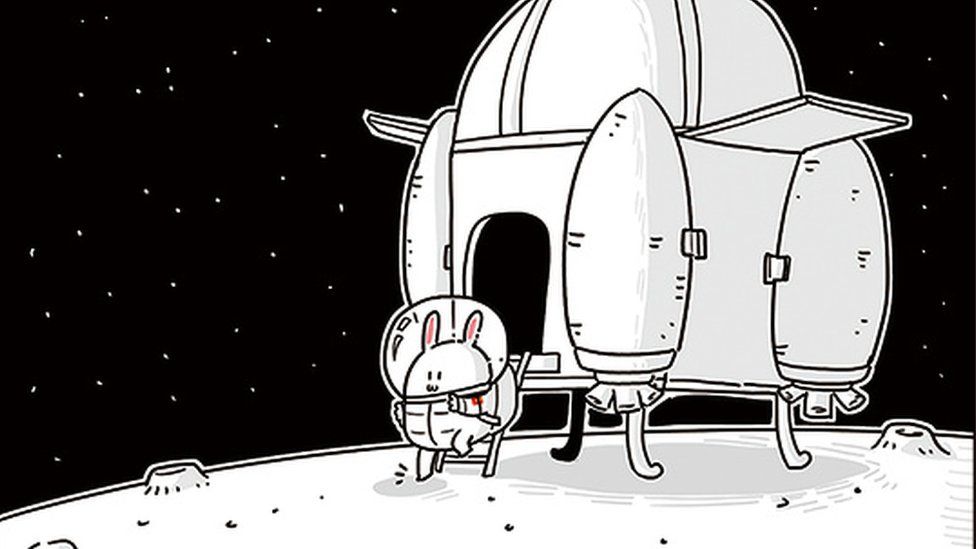
Chang’e, after whom the lunar exploration programme was named, is a moon goddess. According to Chinese folklore, Chang’e took the elixir granted to her husband by the Taoist goddess Queen Mother of the West (西王母). She then became an immortal and flew to the moon, where she is said to be accompanied by a moon rabbit, or jade rabbit (玉兔). The earliest record of Chang’e can be found in Guicang (literally Return to the Hidden, 归藏), which dates all the way back to Shang Dynasty (~1600-1046 BC). Flying to the moon (奔月) has since been the dream of the Chinese.

Chang’e flying to the moon (嫦娥奔月)

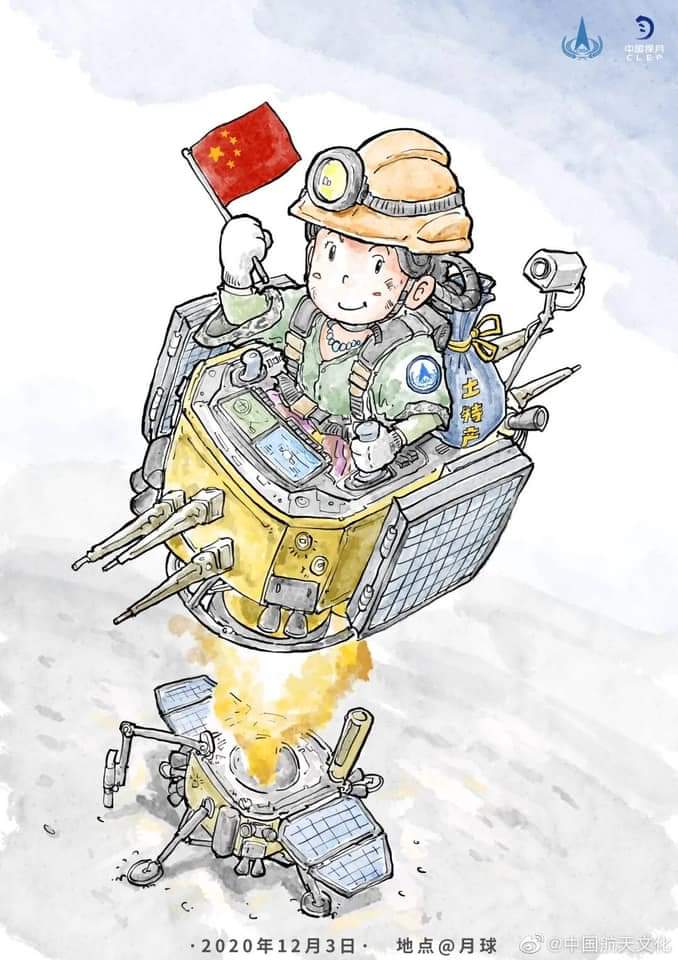
The Chang’e-5 Sample-return Mission, the latest and currently ongoing lunar exploration project, aims to bring back some moon rock sample.

Chang’e-5 bringing back some souvenir from the Moon

Lunar landrover – Yutu (jade rabbit, 玉兔)

As mentioned above, the jade rabbit is Chang’e’s companion on the Moon.
Landed in January 2019, Yutu-2 is currently operating on the far side of the Moon. Whenever it exits hibernation and resumes work after a long lunar night, the Chinese netizens will greet it intimately, saying ‘awww, the bunny wakes up again!’

Yutu exploring the Moon

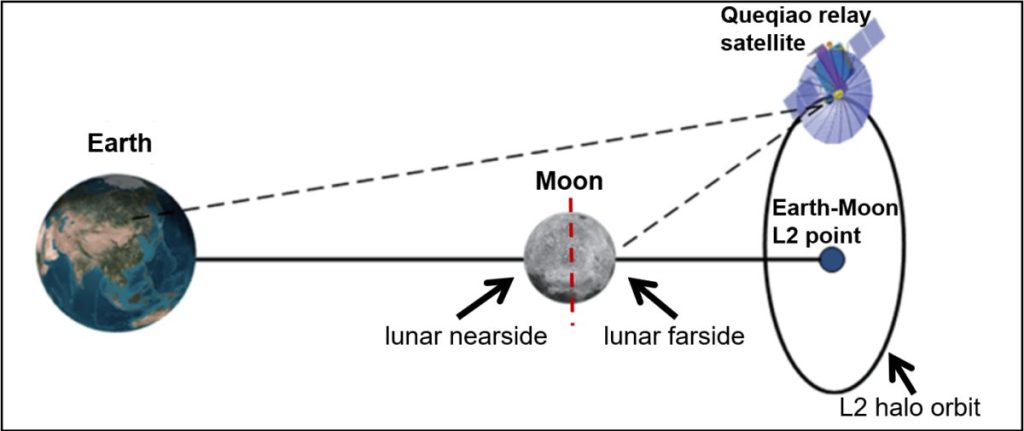
Relay satellite – Queqiao (Magpie Bridge, 鹊桥)

The Magpie Bridge has its origin in an ancient romance tale known as the Cowherd and the Weaver Girl. The love between the cowherd (牛郎, symbolising the Altair star) and weaver girl (织女, symbolising the Vega star) was forbidden, and they both were banished to the two ends of the Silver River, or Heavenly River (银河, symbolising Milky Way). Only on the 7th day of the 7th lunar month (七夕) are they allowed to be reunited on the bridge formed by a flock of magpie.

Queqiao forming on the 7th of 7th lunar month each year

In January 2019, this bridge led Chinese astronomers to the far side of the moon during the Chang’e 4 lunar mission.

Queqiao relay satellite

2. Manned space programme

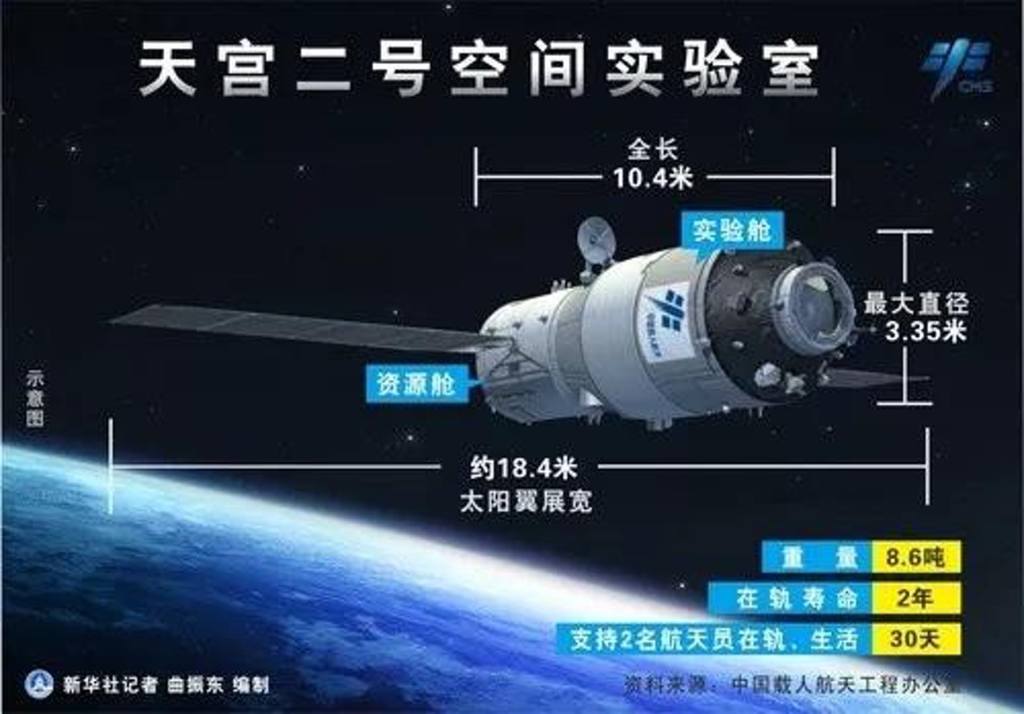
Space station – Tiangong (Heaven Palace, 天宫)

Artist’s impression of Tiangong

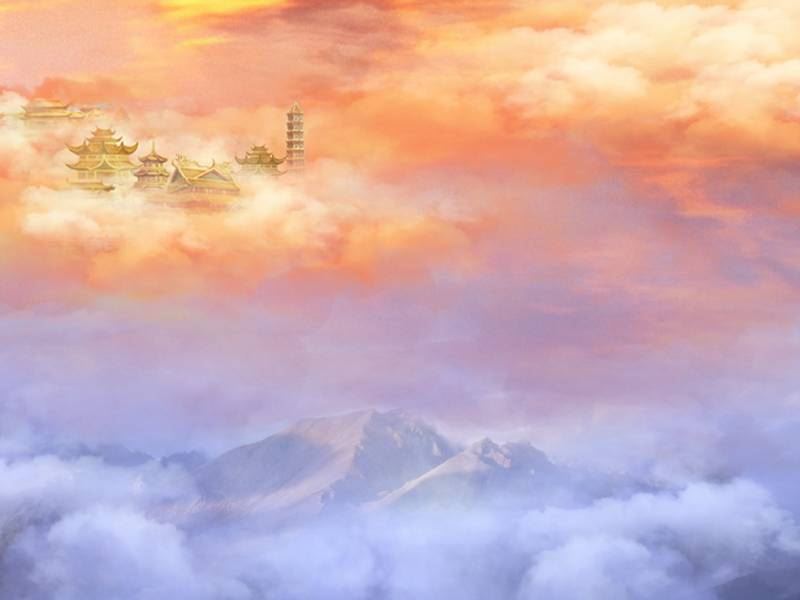
According to Taosim, the Heaven Palace, or Ziwei Palace (紫微宫), is where the Supreme Deity (or ‘Emperor’) lives. It also appears in numerous classics work from ancient times, all of which shaped the modern Chinese mythology.

Modern Tiangong in space

Other spacecrafts and modules in the programme are named as follows:

  • Crewed spacecraft – Shenzhou (Divine ark, 神舟)
  • Cargo spacecraft – Tianzhou (Heaven ark, 天舟)
  • Core station module – Tianhe (Harmony of the Heavens, 天和)
  • Experiment module I – Wentian (Quest for the Heavens, 问天)
  • Experiment module II – Mengtian (Dreaming of the Heavens, 梦天)
  • Telescope module – Xuntian (Touring the Heavens, 巡天)

3. Interplanetary mission to Mars – Tianwen (Quest for Heavenly Truth, 天问)

This adventurous mission is named after a long poem dating back to the Warring States Period (475-221 BC). Comprised of 172 questions written in short verses, this piece by Qu Yuan (屈原) is most famous for its immense curiosity towards natural phenomena and mythical believes, as well as the daring scrutiny of history and philosophy. It is regarded as the most valuable treasure in Chinese mythology.

Qu Yuan’s quest for heavenly truth

Today, Tianwen ‘represents the Chinese people’s relentless pursuit of truth, the country’s cultural inheritance of its understanding of nature and universe, as well as the unending explorations in science and technology’, as stated by China’s space agency.

4. Expendable launch system – Changzheng (Long March,长征)

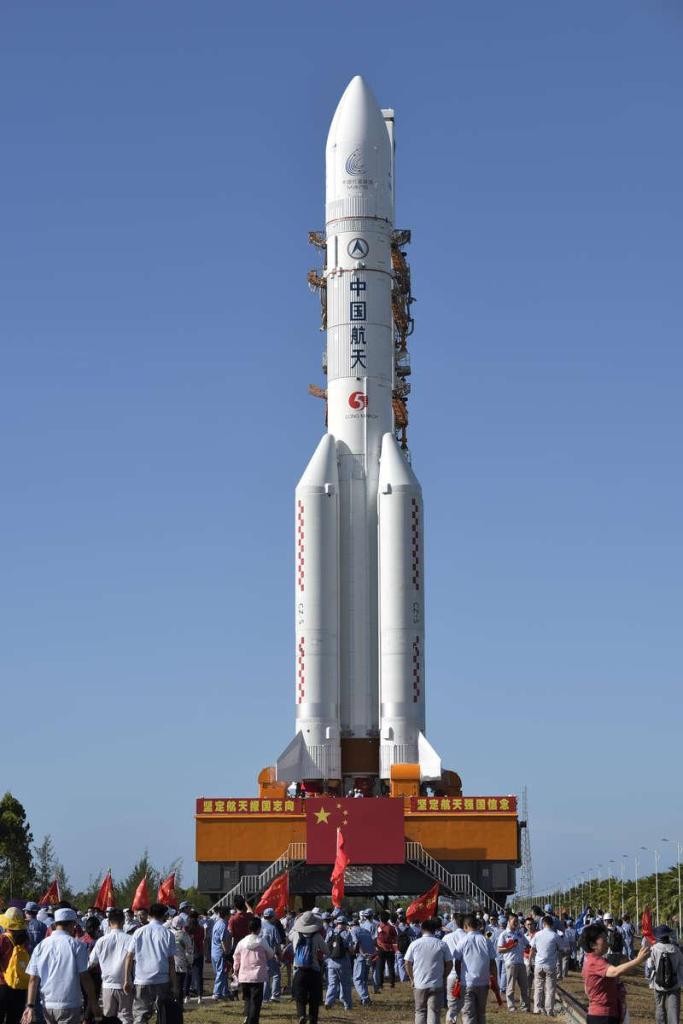
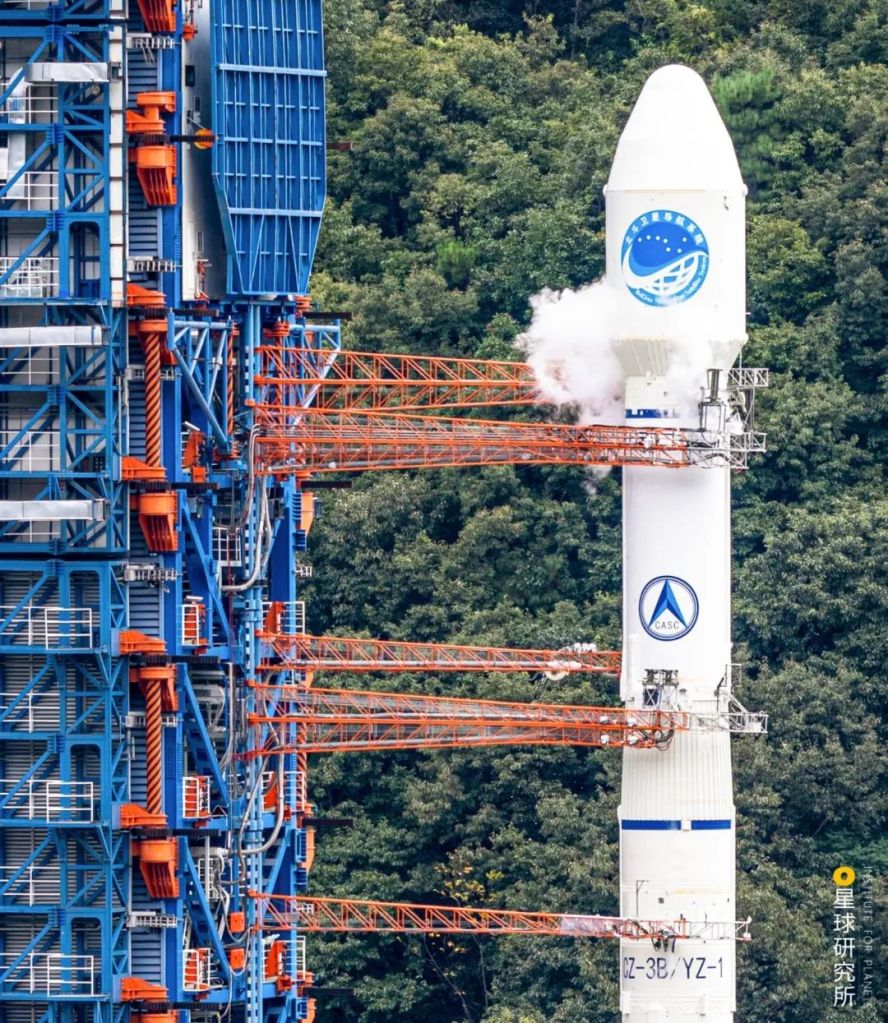
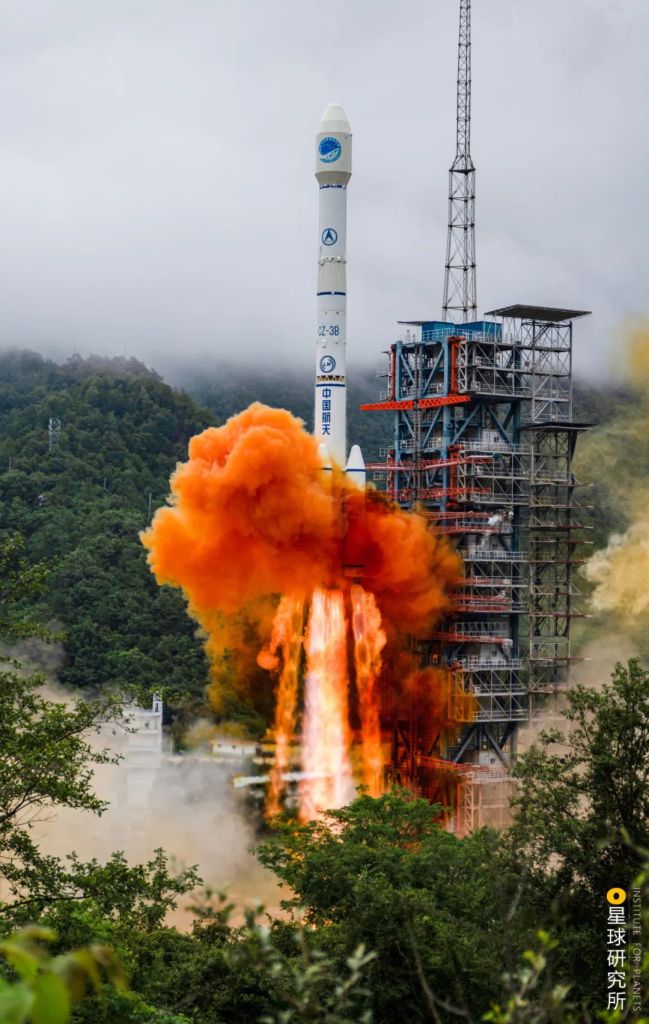
The Long March series are heavy-lift launch vehicles necessary for the placement of large satellites and space station modules into orbits. Long March-5, often referred to as the Chubby-5 (胖五) by Chinese netizens due to its appearance, succeeded in delivering the experimental satellite Shijian-20 (Practice, 实践) into space towards the end of 2019 after two rather unsatisfactory attempts. This made way for the successful launches of the Tianwen-1 Mars Mission and Chang’e-5 Sample-return Mission, as well as upcoming launches for the Tiangong modules.

Chubby-5

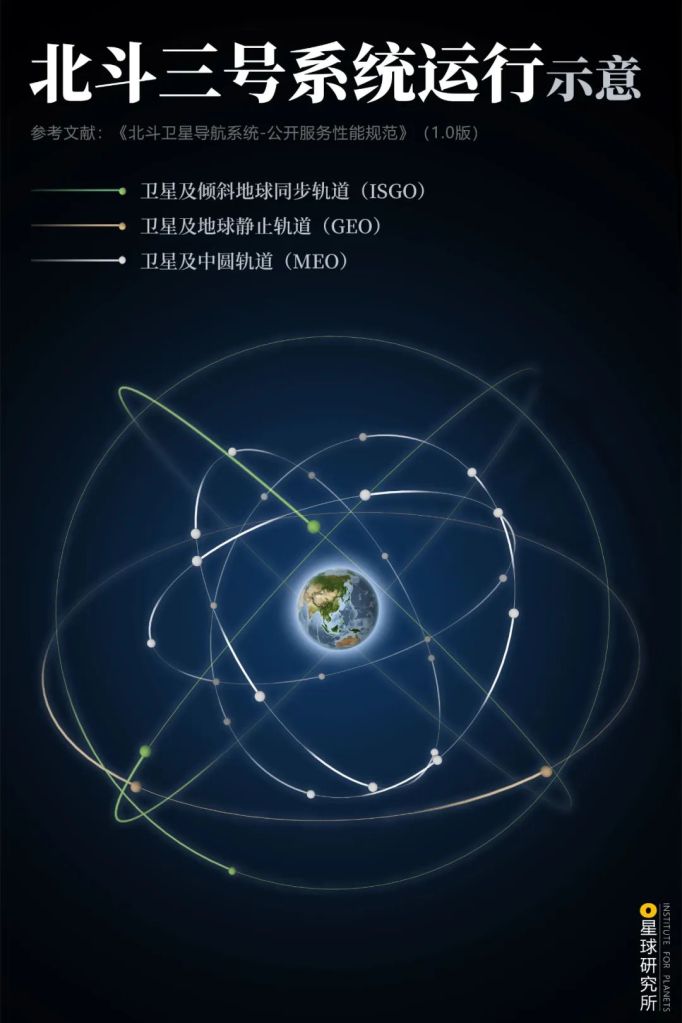
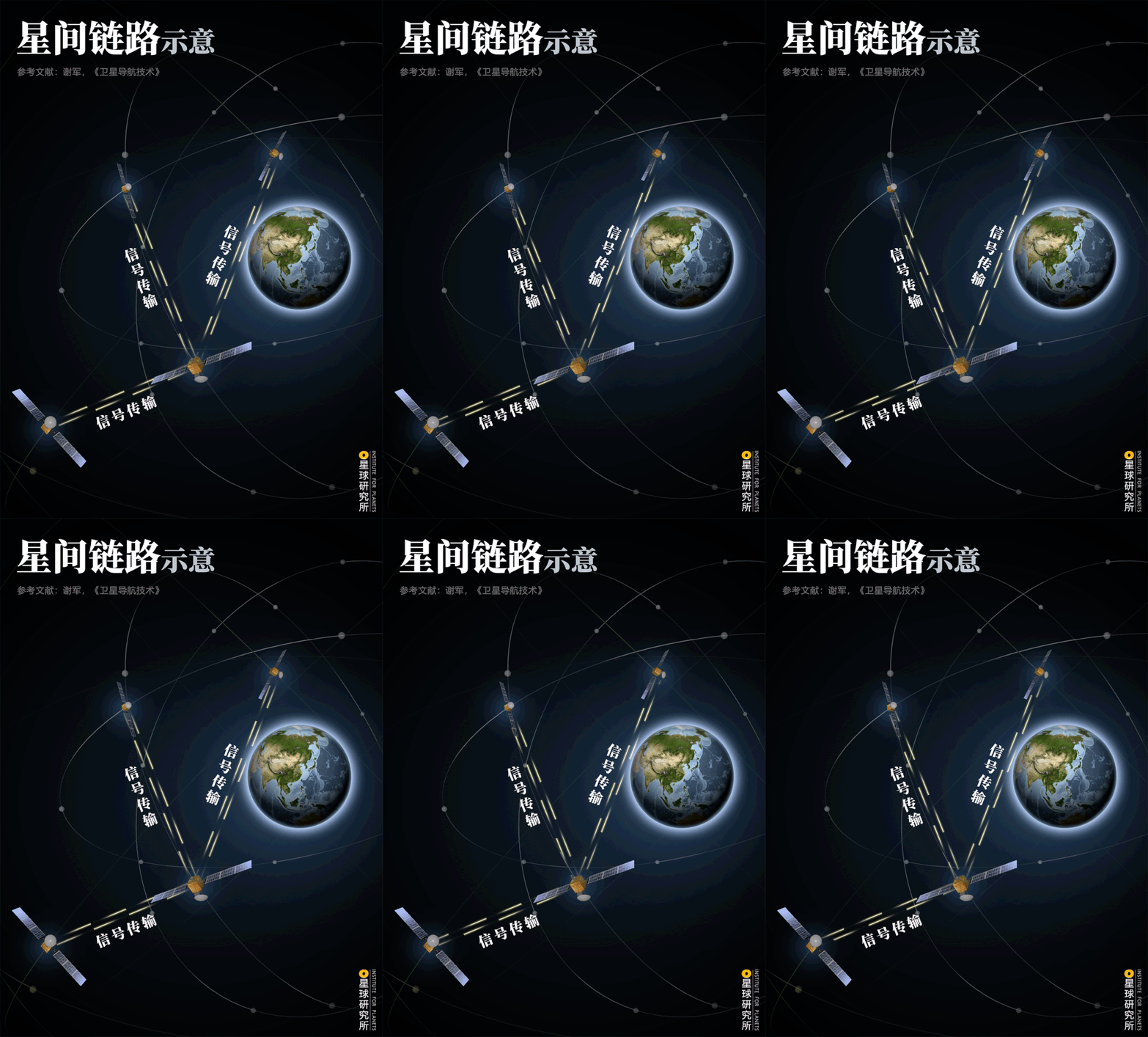
5. Global navigation system – BeiDou (Northern Dipper, 北斗)

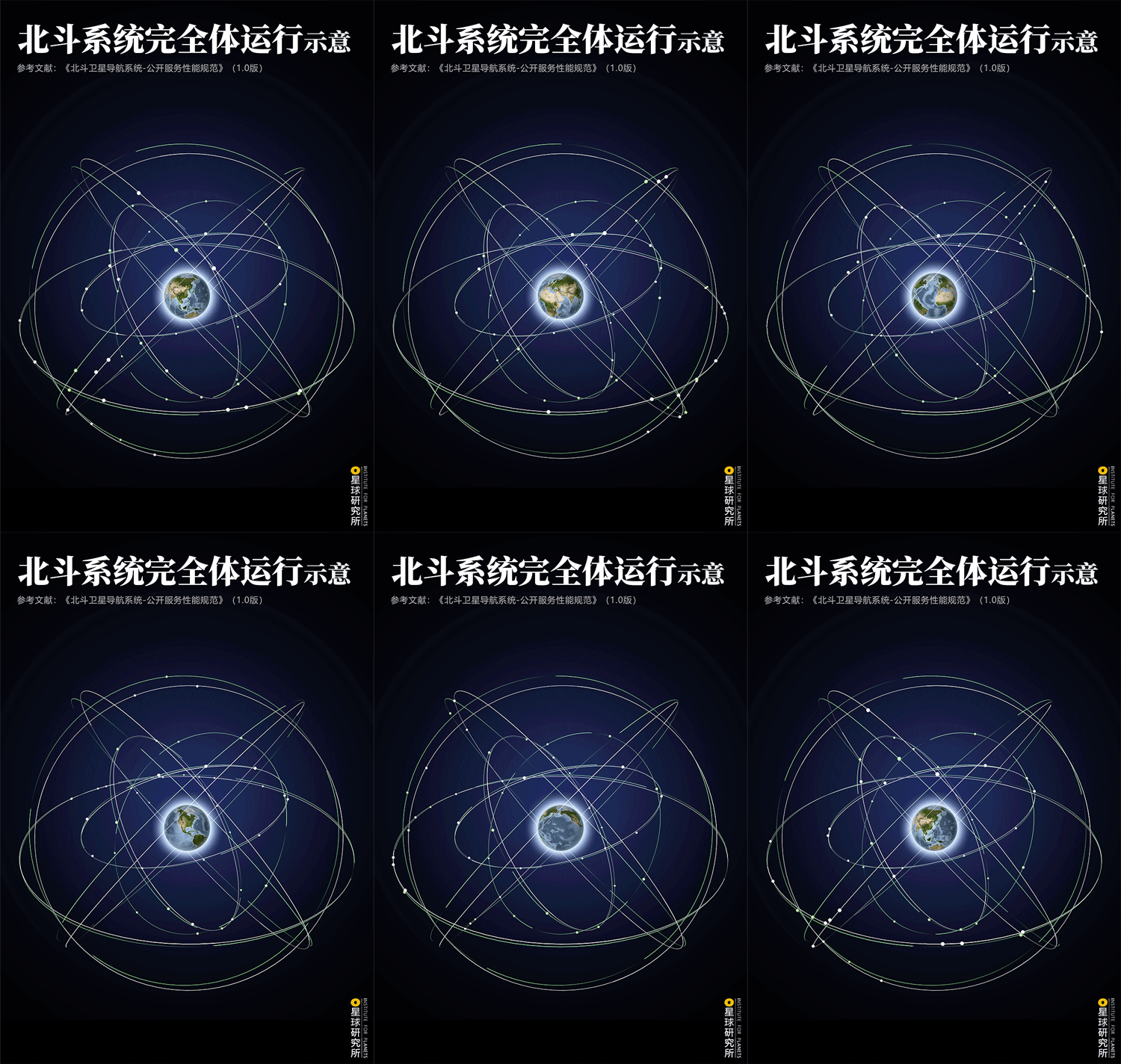
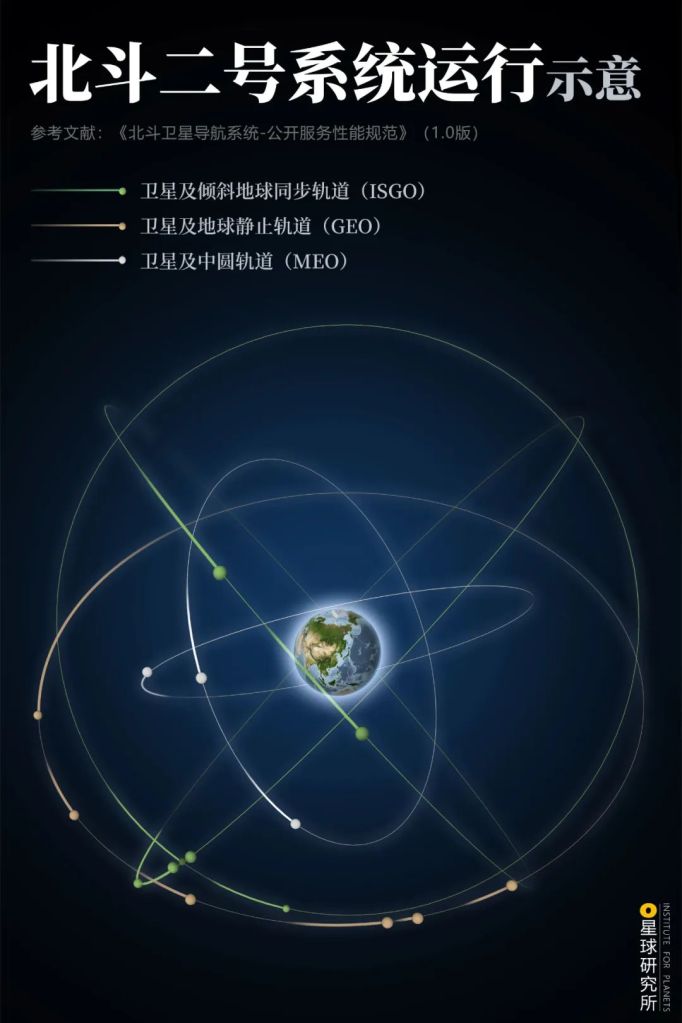
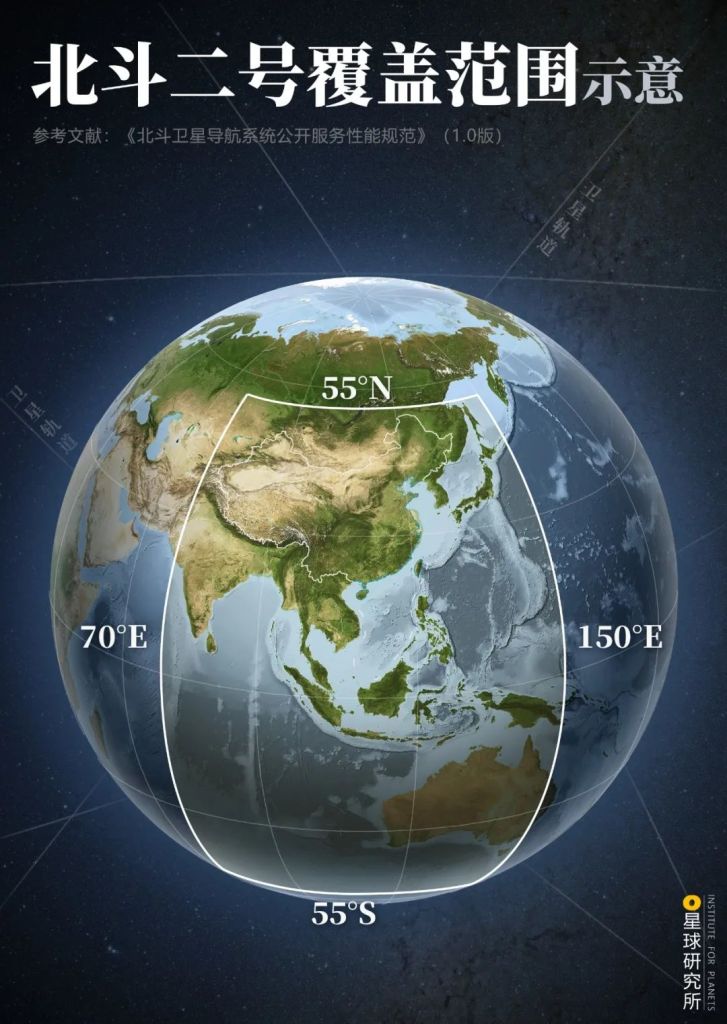
The navigation system completed this year is named after the Northern Dipper (seven brightest stars of the Ursa Major Constellation), which has been used as a guide for navigation in ancient China. Read more about the navigation system here.

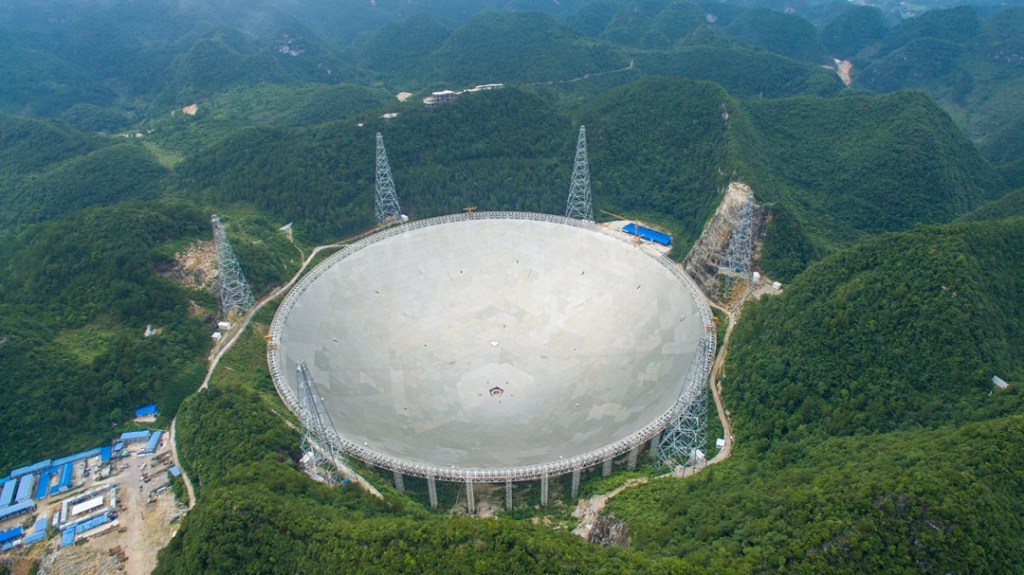
6. Five-hundred-meter Aperture Spherical Telescope (FAST) – Tianyan (Heaven Eye, 天眼)

This enormous radio telescope is capable of the capturing the weakest electromagnetic waves emitted by distant pulsars. It took almost 9 years since the construction started before the FAST became fully operational in early 2020. Capable of looking into the deep space with unprecedented power, let us hope the Heaven Eye lives up to its name in the years to come.

Heaven Eye in Guizhou, China

7. Solar observatory – KuaFu (夸父)

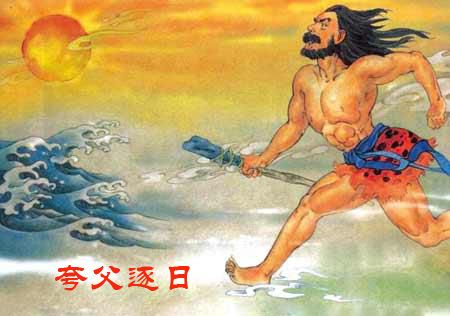
The KuaFu project is a joint Sino-Canadian-European mission dedicated to study space weather through observing the solar atmosphere and activity. It’s namesake is the famous Chinese mythological giant, KuaFu, who wanted to capture the sun. He kept chasing the running sun from East to West, and drank water from the Yellow River and Wei River on the way to quench his thirst. In the end, even after draining the two large rivers, he failed to reach the sun and finally died of exhaustion. This might not be the most auspicious name, but it reminds us of ancient Chinese’ desire to conquer the sun.

KuaFu chasing the sun (夸父逐日)

8. Quantum experiments at space scale (QUESS) – Mozi (Micius, 墨子)

The QUESS is a joint Sino-Austrian satellite mission designed to facilitate long-distance (over thousands of kilometres) quantum optics experiments. The first of its kind, it will promote the development of quantum encryption and teleportation technologies.

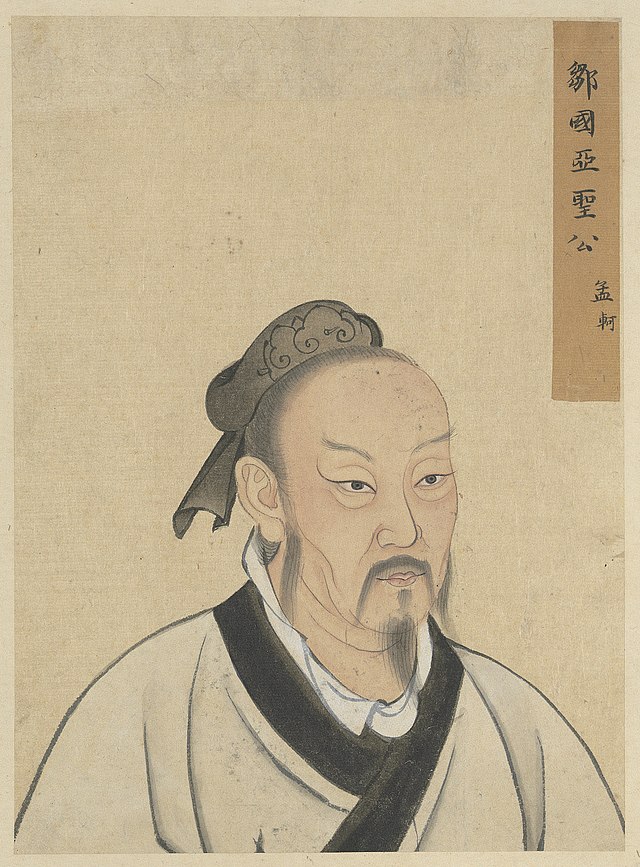
It is named after the Chinese philosopher Mozi, who lived between 470-391 BC. As the founder of the school of Mohism, he was a pioneer of the principles of logic, and the first to emphasise meritocracy, introspection and authenticity as opposed to the doctrines proposed by Confucianism. In terms of his ahead-of-time scientific contribution, Mozi is believed to be the first person to realise light travels in straight lines, and to develop the precursor idea of Newton’s first law of motion.

Mozi

Now, the Mozi satellite opens a new way towards deciphering the mysterious properties of quantum physics.

9. Dark matter particle explorer – Wukong (Awakening to Emptiness, 悟空)

This satellite is designed to detect the indirect decay signals of weakly interacting massive particles (WIMPs), one of the hypothetical candidates for dark matter.

The namesake of this project is the famous Monkey King from the Journey to the West (西游记). In Chinese, Wukong literally means awakening to Emptiness in the Buddhist context. The Wukong satellite, on the other hand, is expected to comprehend the nature of dark matter lurking in the empty void.

Comprehending the nature of dark matter?

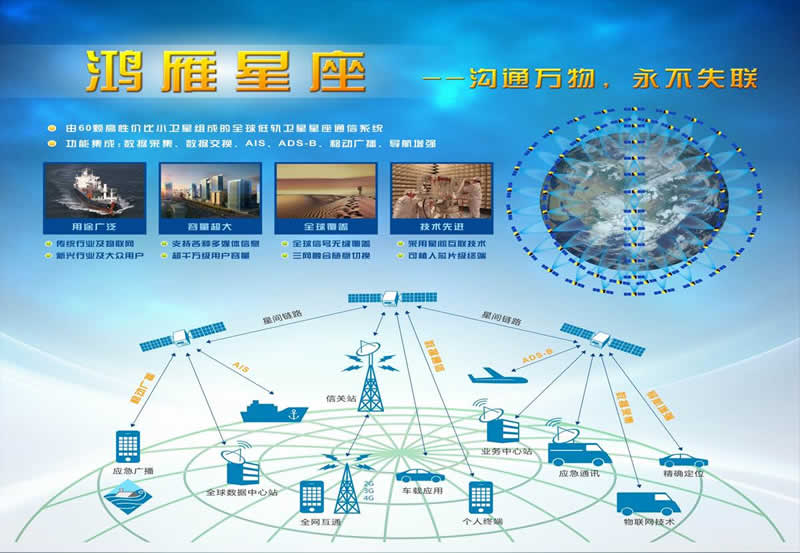
10. Constellation communications system – Hongyan (Swan goose, 鸿雁)

Compared to those listed above, the Hongyan constellation is probably a less known, but equally ambitious, space programme. It is a satellite constellation that will contain more than 300 satellite members. When completed, this system will replace all ground-based networks and allow mobile phones or other communication devices to be connected regardless of their location on Earth, be it in a remote desert or centre of Pacific Ocean. In other words, all the ground stations will be sent up into the sky, thereby truly achieving global coverage. This project is not without potential competitors, as the Starlink proposed by SpaceX is also boosting its gears.

Hongyan constellation providing global coverage

Why is it called the swan goose, or Hongyan in Chinese? This can probably be traced back to the ancient Chinese custom of using geese to deliver posts. Hence, the Hongyan constellation represents a promise to always deliver important messages in a timely manner no matter where you are on Earth.


And that concludes our quick overview of the major space exploration programmes in China, and the fascinating origins of their names.

The Chinese never stopped gazing upon the sky over the last 5 millennia, and their aspiration to embark on a galactic journey has never changed. With the current explosive development in modern technologies, they are finally making a start.

*All photos/pictures are from internet

Discovering China on the High-speed Train

Original piece: 《坐着高铁看中国!》
Produced by Institute for Planets (星球研究所)
Written by 星球研究所 所长
Translated by Kelvin Kwok

Posted with permission from Institute for Planets

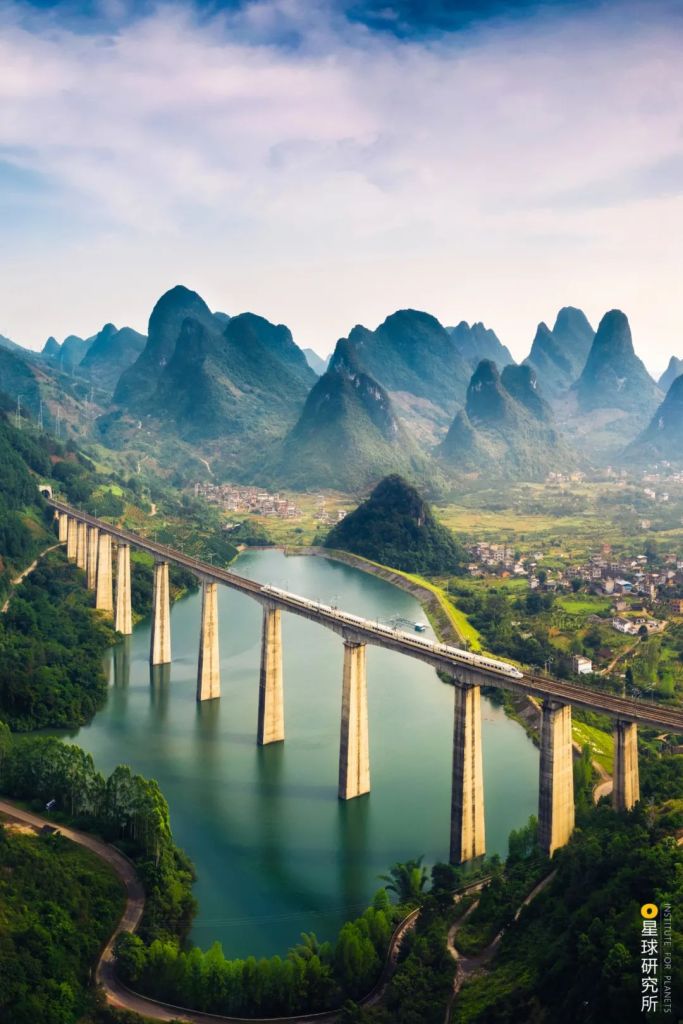
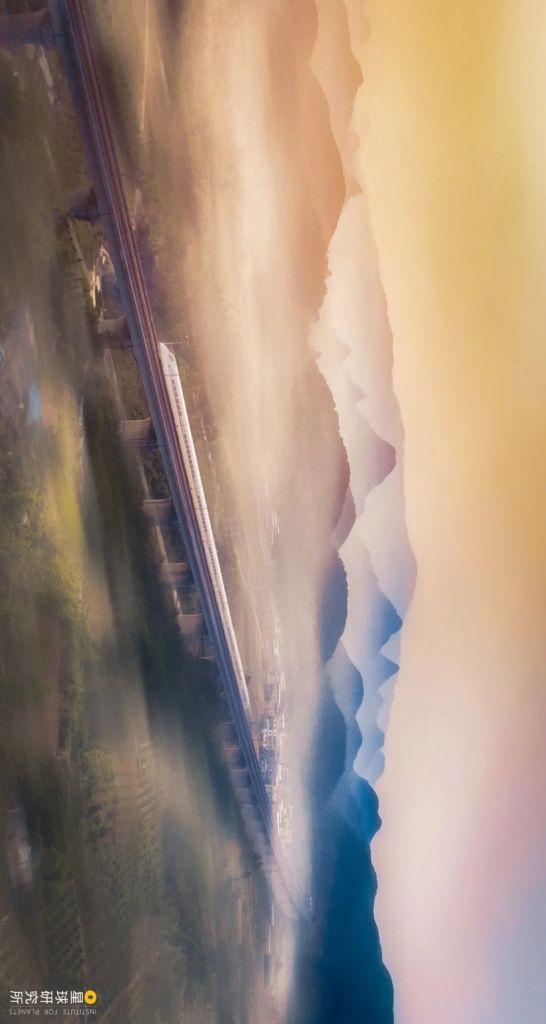
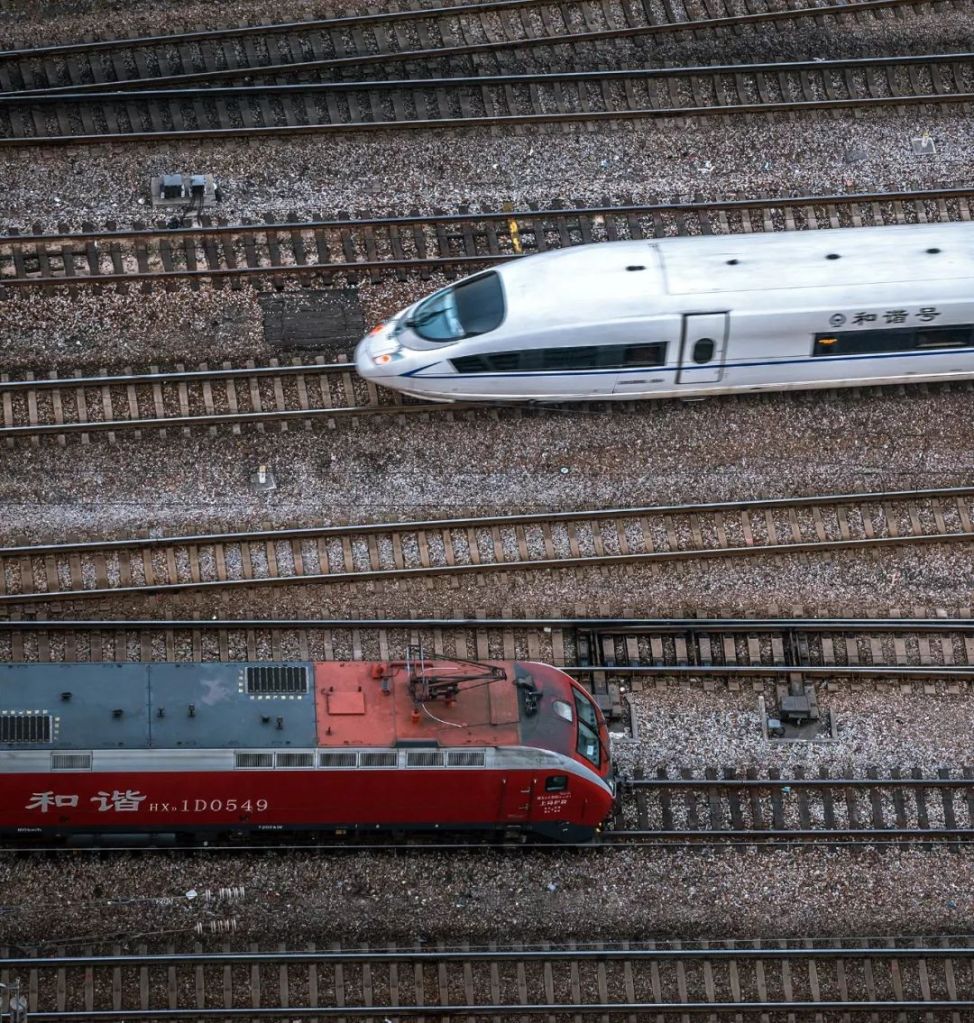
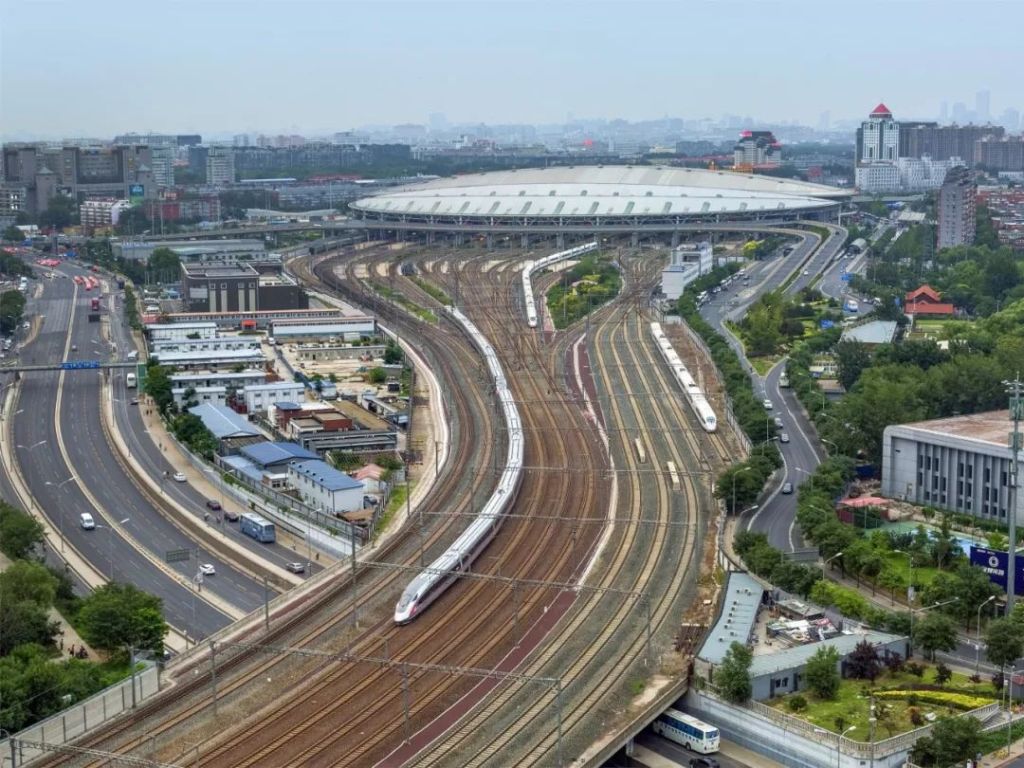
Different parts of China are being connected together in a way never seen before.

From snowy mountain tops…

Lanzhou-Urumqi High-speed Railway running by the Qilian Mountains
(photo: 章力凡)

To blooming flower fields…

Lanzhou-Urumqi High-speed Railway crossing the rapeseed fields in Yuanmen, Qinghai
(photo: 杨诚)

And all the way to tropical oceans.

Hainan Ring High-speed Railway at Xiangshui Bay, Lingshui
(photo: 吴坤锦)

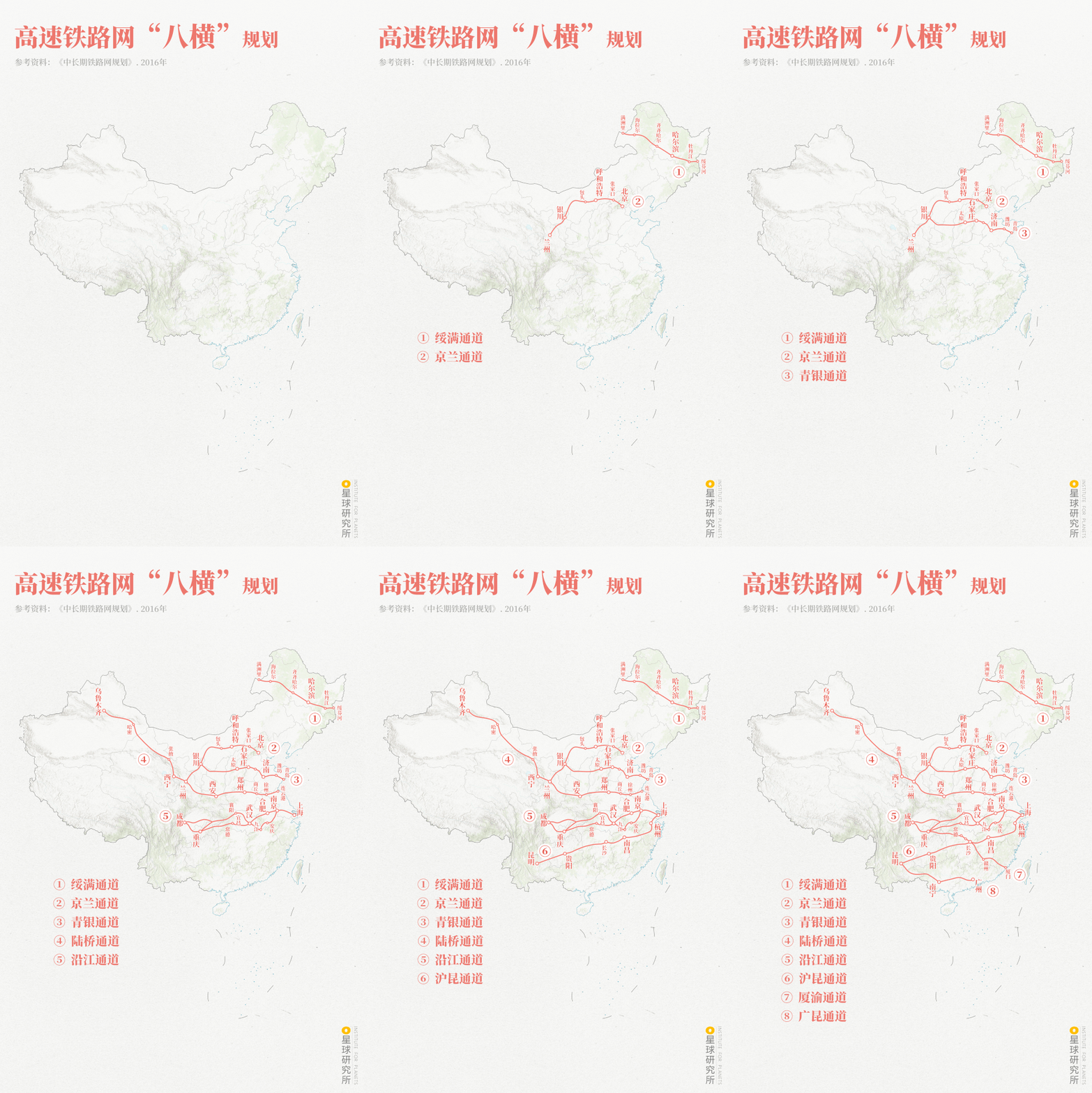
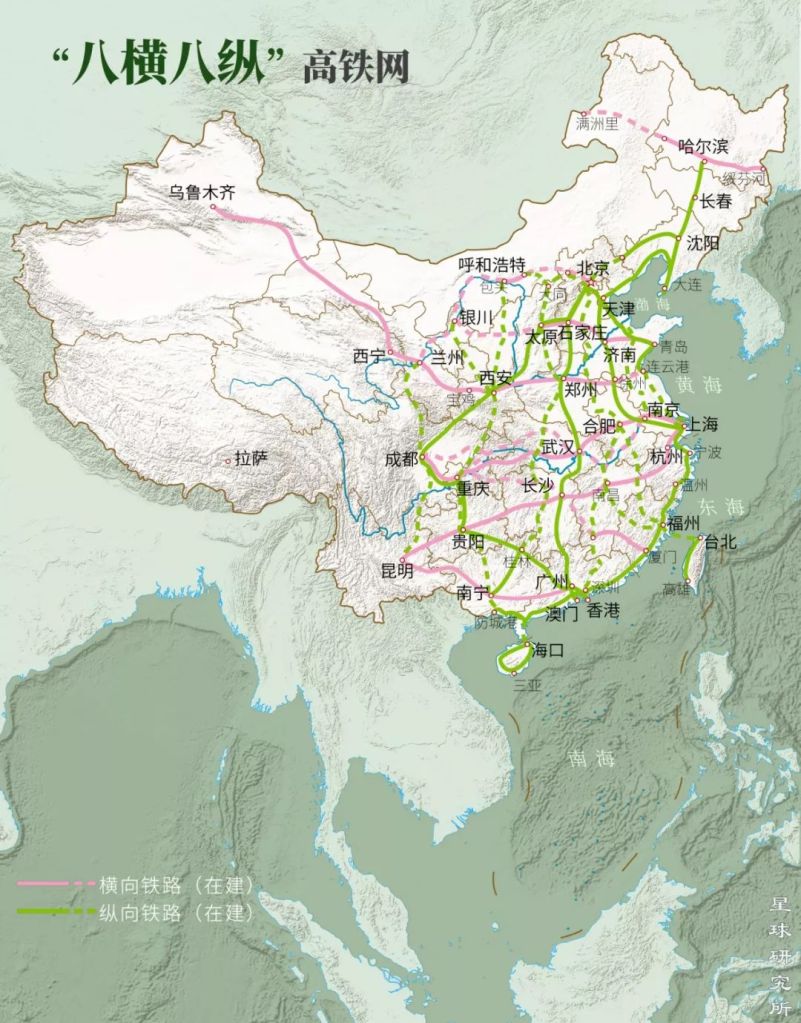
Striding towards completion by the day is the world’s largest high-speed railway network. It stretches out from the ‘eight vertical and eight horizontal‘ framework, and is complemented by regional connections and inter-city railways.

The ‘eight vertical and eight horizontal’ plan of China’s high-speed railway network
Eight vertical (八纵), eight horizontal (八横)
(diagram: 巩向杰, Institute for Planets)

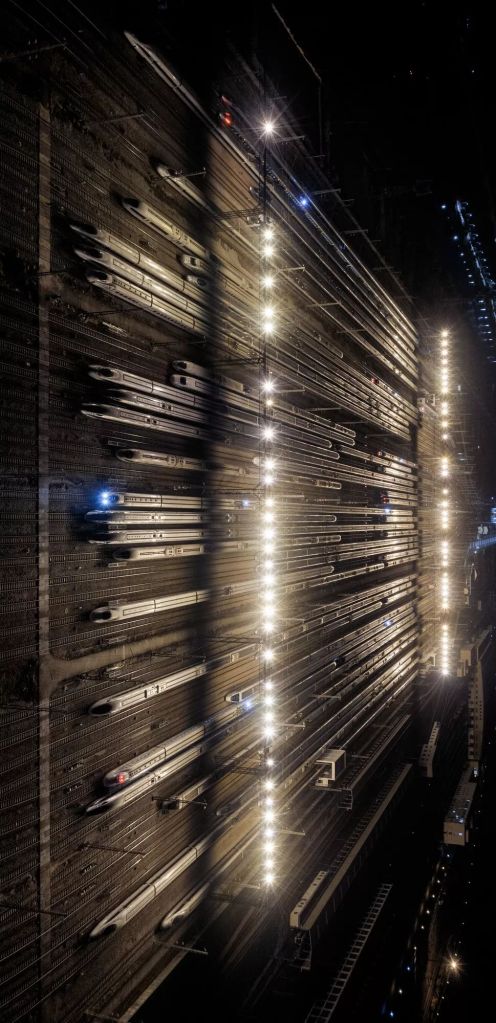
This grandeur project is currently 70% complete, totalling 36,000 kilometres of high-speed railway mileage. More than 3600 multiple-unit trains form an enormous ‘battle group’ that dashes across the nation in all directions.

A high-speed train ‘battle group’ at Guangzhou South Electric muliple unit (EMU) Depot
(photo: 林颖轩)

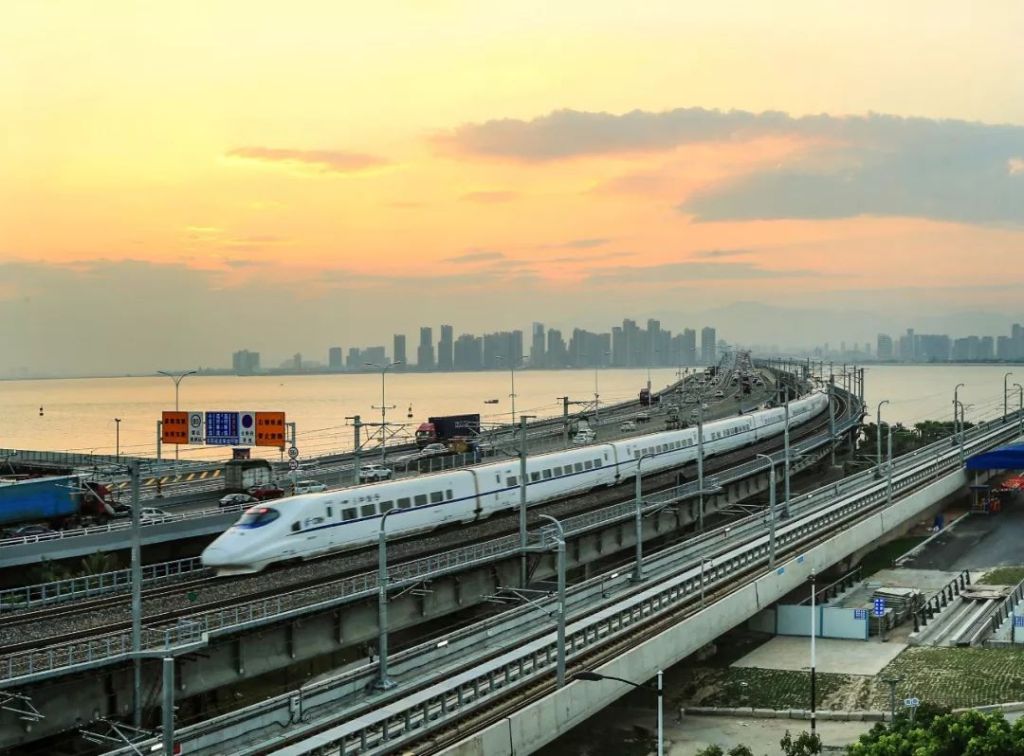
It competes with expressways.

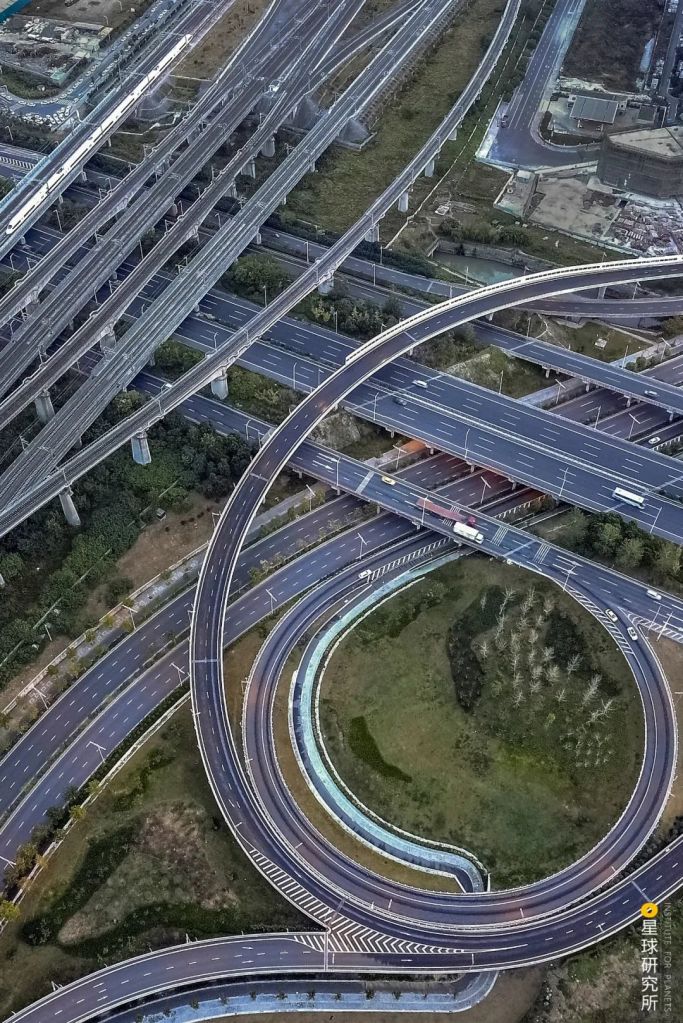
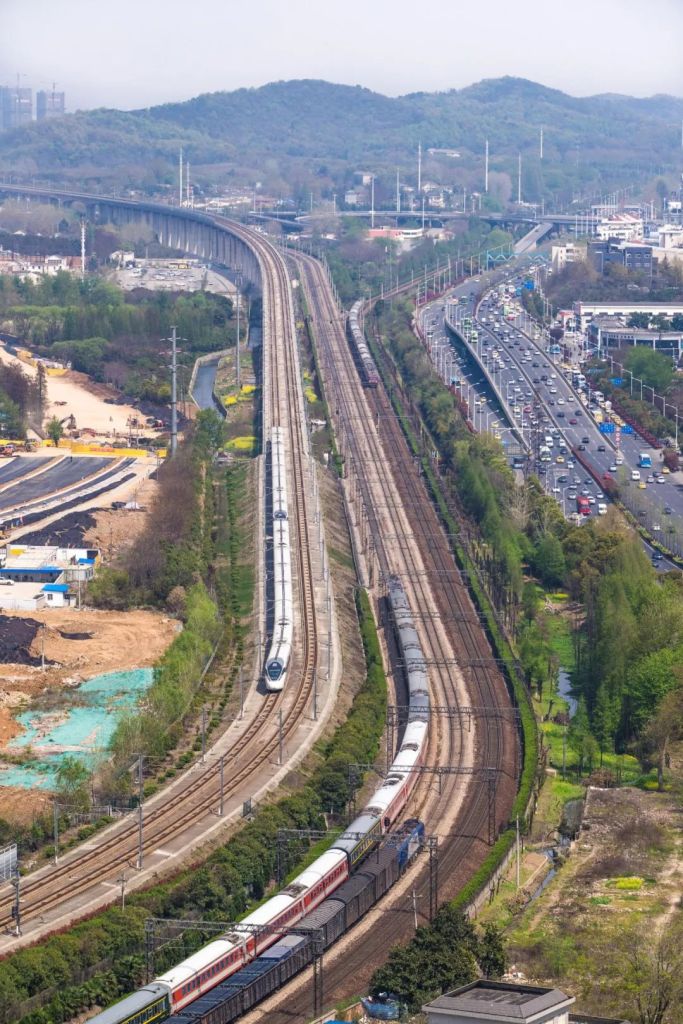
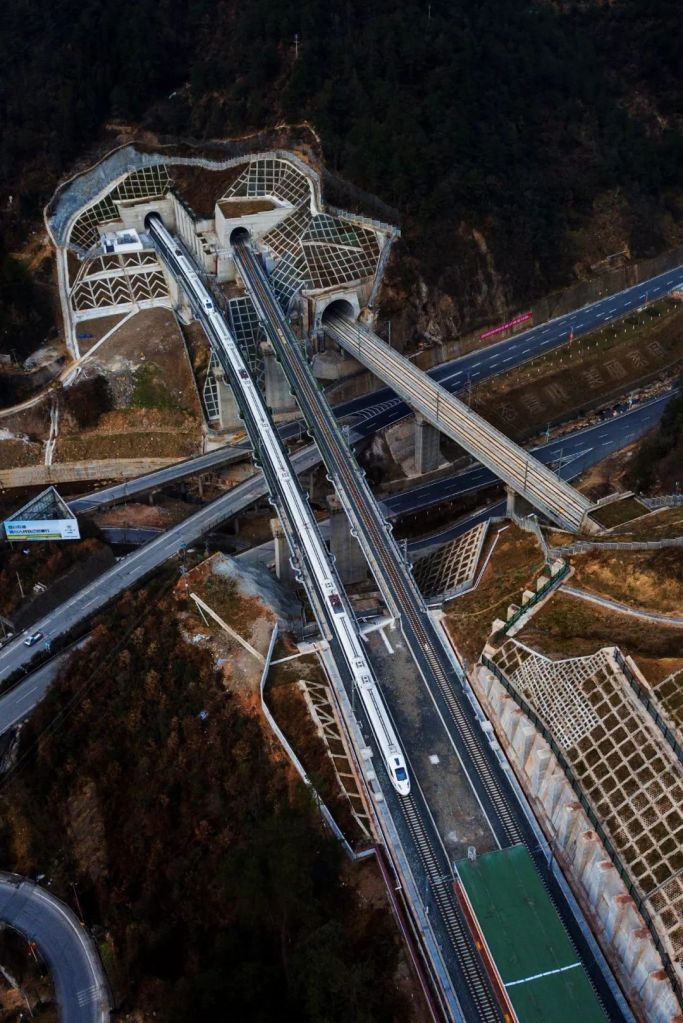
A train at Nanjing South Station (left) running alongside the Longxi Interchange (right) on the Jiangjun Mountain
(photo: 刘慎库)

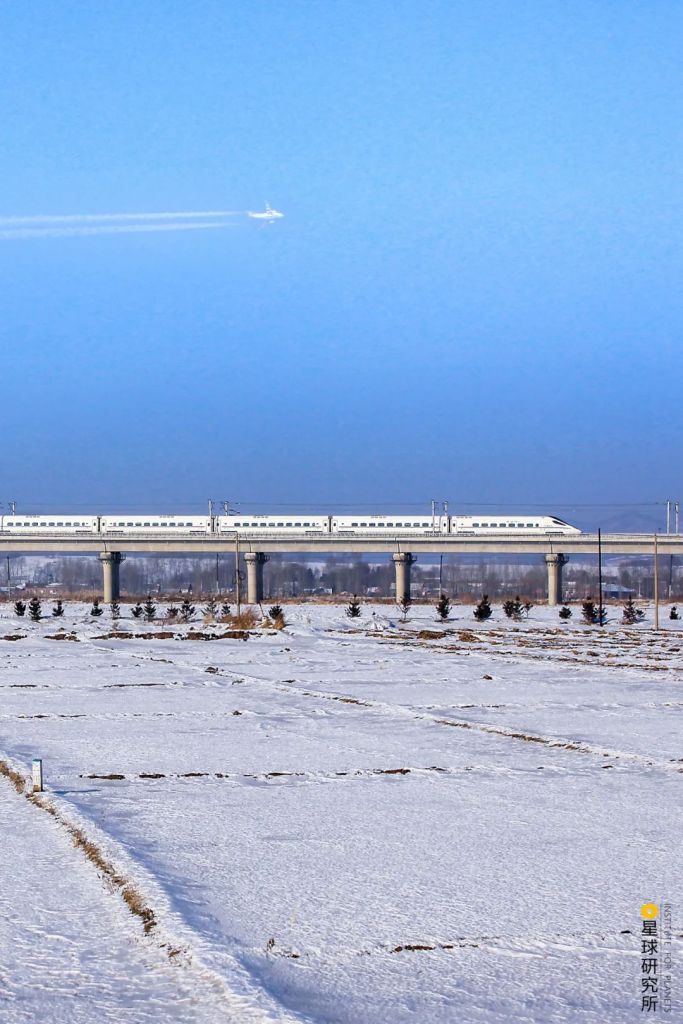
And races with airlines.

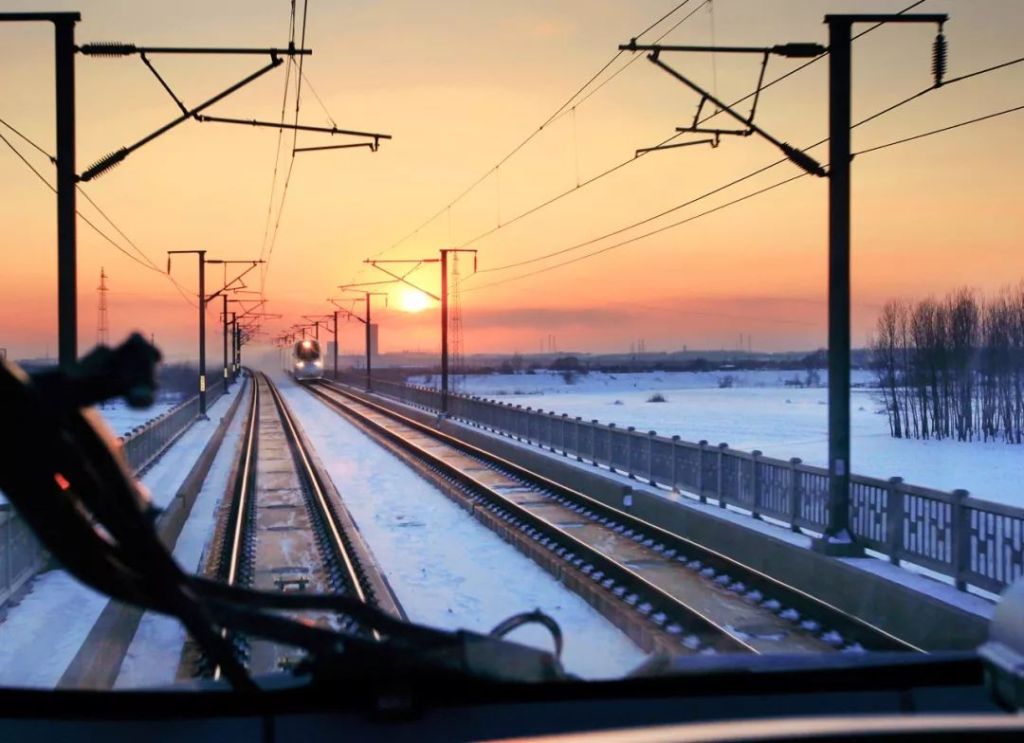
Harbin-Dalian High-speed Railway
(photo: 刘慎库)

Today, may we enjoy a brief but fascinating tour on a high-speed train, and discover the China that is interconnected by the ‘eight vertical and eight horizontal’ network.

Bon voyage!

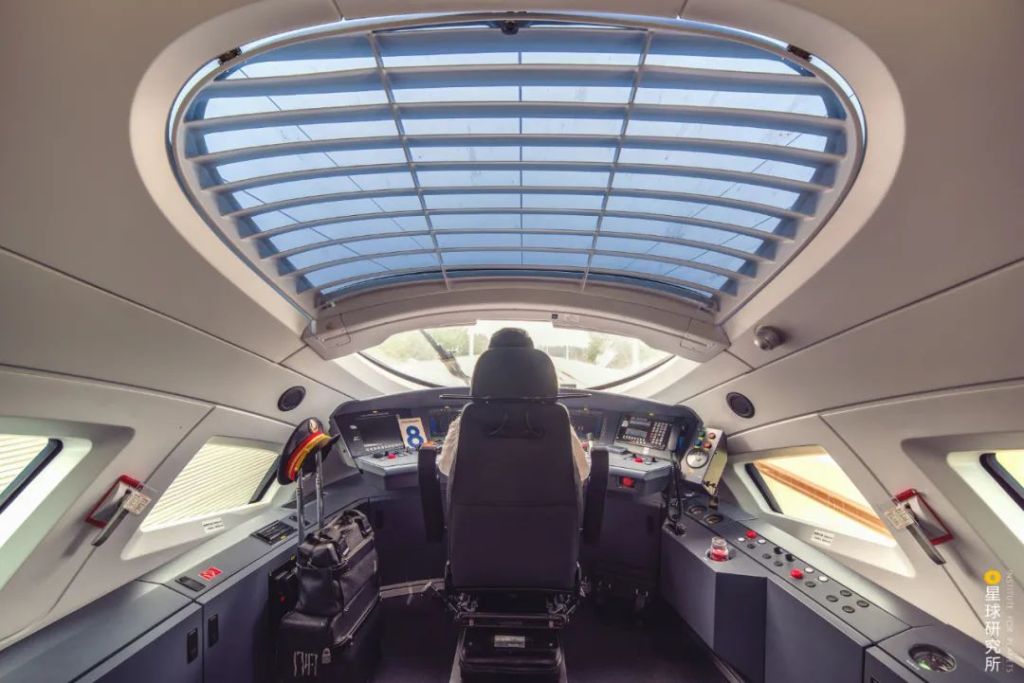
Driver’s compartment on the Hexie train
(photo: 焦潇翔)

1. Eight Verticals

Our journey starts with the eight vertical railways.

‘Eight vertical’ plan of China’s high-speed railway network
1) Coastal passageway (沿海通道)
2) Beijing-Shanghai passageway (京沪通道)
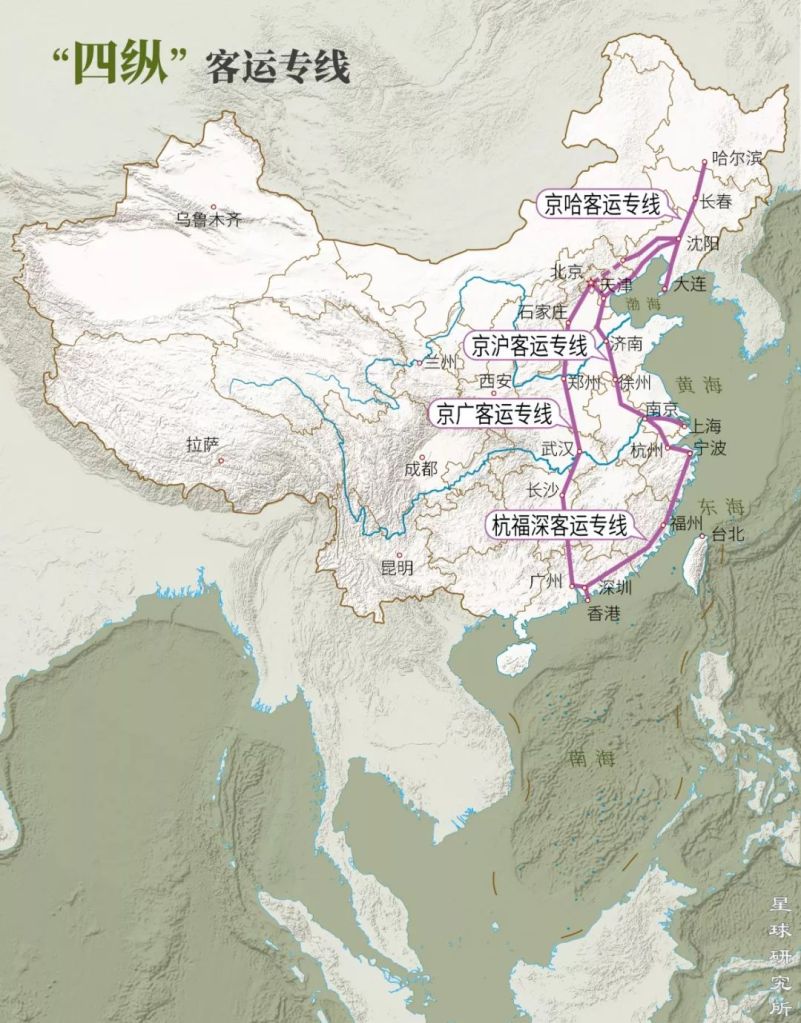
3) Beijing-Hongkong (Taiwan) passageway (京港[台]通道)
4) Beijing-Harbin & Beijing-Hongkong-Macau passageway (京哈-京港澳通道)
5) Hohhot-Nanning passageway (呼南通道)
6) Beijing-Kunming passageway (京昆通道)
7) Baotou (Yinchuan)-Haikou passageway (包[银]海通道)
8) Lanzhou (Xining)-Guangzhou passageway (兰[西]广通道)
(diagram: 巩向杰, Institute for Planets)

The 1st vertical Coastal passageway

This is the eastmost line among the eight verticals, and is the longest of all. It sets off from Liaoning, Tianjin and Shandong, running mostly by the sea on its way south. After passing by Jiangsu, Shanghai, Zhejiang and Fujian, the line finishes at Guangdong and Guangxi.

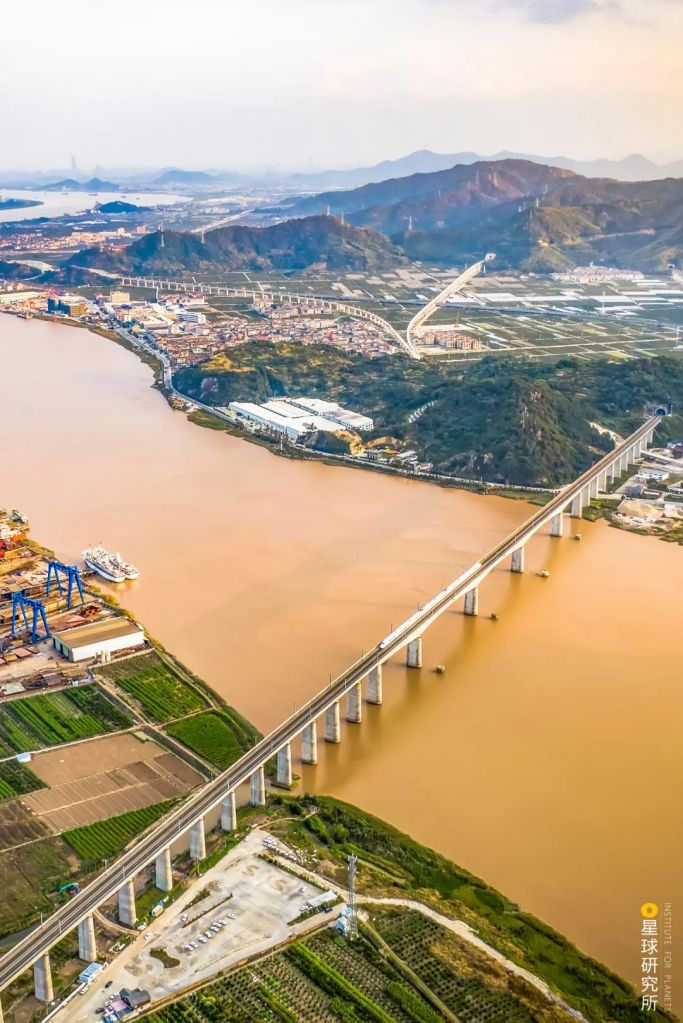
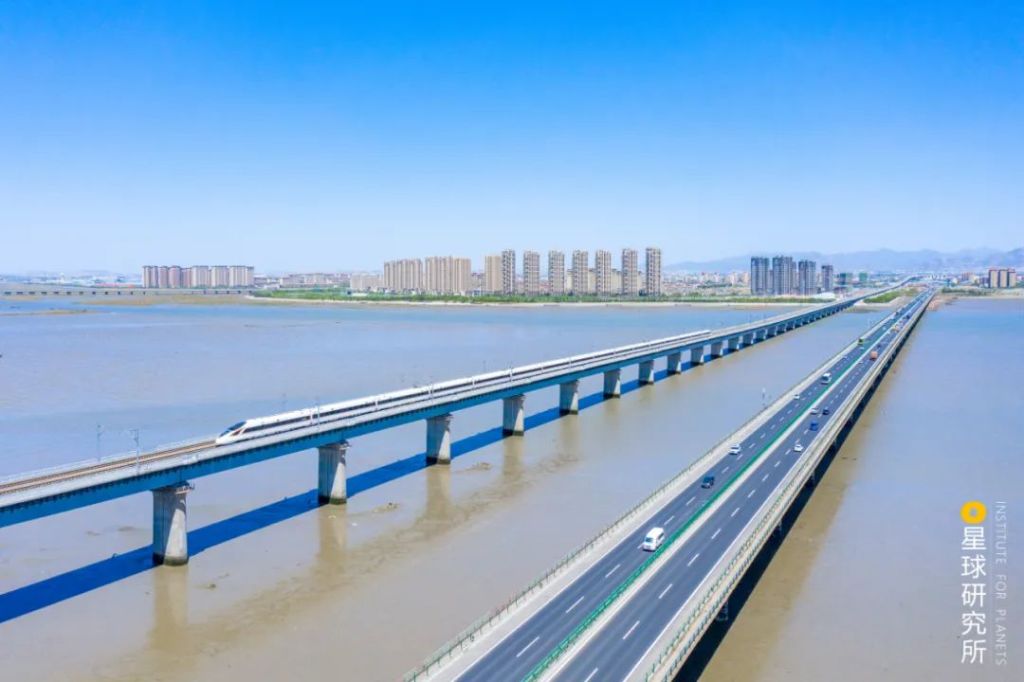
Along the way, numerous eastbound rivers widen up as they debouch into the sea. These railway routes therefore have to frequently rely on bridges to cross the vast waters.

A railway bridge crossing the Ling River in Taizhou, Zhejiang
(photo: 傅鼎)

The most impressive bridges are those that span the sea. The Ningde Grand Bridge in Ningde, Fujian, crosses the Ningde Bay with its 8.1-kilometre span.

Ningde Grand Bridge
(photo: 王璐)

And the Quanzhou Bay Grand Bridge of the Fuzhou-Xiamen High-speed Railway, which is still under construction, leaps across the Quanzhou Bay with a total span of 20.29 kilometres. When completed, this bridge will allow high-speed trains to speed at 350 km/h above the sea. It will score the highest speed limit on a sea-spanning bridge in the world.

Quanzhou Bay Grand Bridge of Fujian-Xiamen High-speed Railway under construction
(photo: 靳晰)

The 2nd vertical – Beijing-Shanghai passageway

This passageway incorporates the current Beijing-Shanghai High-speed Railway and its proposed second route, which together connect the Jing-Jin-Ji Metropolitan Region with the Yangtze Delta. These city clusters are densely populated and have a prospering economy.

Nanjing
(photo: 李晓琪)

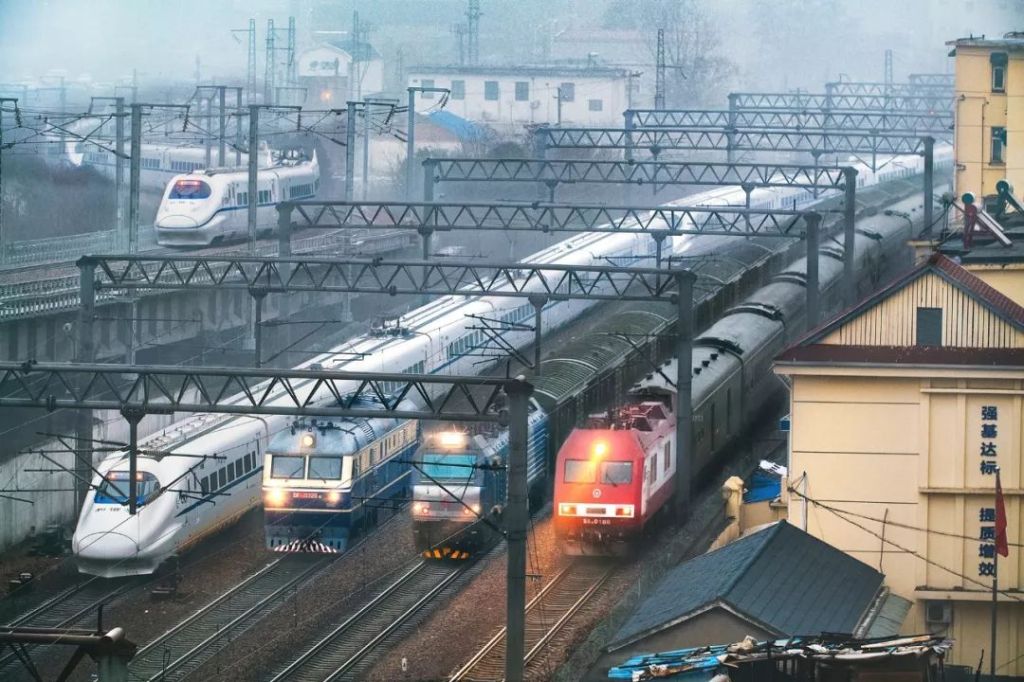
The passageway has therefore become the busiest high-speed railway in the country.

Busy high-speed railway routes near Hongqiao Station in Shanghai
(photo: 刘慎库)

In order to minimise land use for high-speed railway construction, the Beijing-Shanghai High-speed Railway is extensively built on bridges. This also allows the railway to cope better on the soft soil, rivers and lakes across the alluvial plains at the Yangtze Delta.

The Danyang-Kunshan Grand Bridge in this passageway has a total length of 164.851 kilometres. It has held the title of world’s longest bridge since its completion in 2010, and remains unchallenged till this day.

Danyang-Kunshan Grand Bridge of the Beijing-Shanghai High-speed Railway
The bridge crosses the Yangcheng Lake, which is famous for its Chinese mitten crabs
(photo: 王璐)

The 3rd vertical – Beijing-Hongkong (Taiwan) passageway

This passageway travels down from Beijing and branches out in the southern section; one branch arrives in Hong Kong in the far south, the other traverses the strait to reach Taipei. In between, the Hefei-Fuzhou section links up several scenic regions, including the Yellow Mountain, Wuyuan and Wuyi Mountain.

Hefei-Fuzhou High-speed Railway at the Shangshui Bridge Interchange in Tongling, Anhui
(photo: 苗地)

It is a most enjoyable ride among the stunning greens.

Hefei-Fuzhou High-speed Railway travelling across Jing County, Anhui
(photo: 杨诚)

And the golden harvest.

Hefei-Fuzhou High-speed Railway running past Dexing, Jiangxi
(photo: 刘慎库)

The Pingtan Strait Road-Rail Bridge that connects Fuzhou and Pingtan Island is almost ready to be open to public. In the near future, trains will be able to continue from Pingtan and arrive in Taipei on the other side of the Strait.

Pingtan Strait Road-Rail Bridge under construction
(photo: 李冰, China Railway Construction Corporation)

The 4th vertical – Beijing-Harbin & Beijing-Hongkong-Macau passageway

Travelling from Harbin to Beijing, and then through Zhengzhou and Wuhan, the 4th passageway finally arrives in Pearl River Delta. This vertical route has the largest latitude span among all others.

As the blizzards hit in the northeast…

Changchun section of the Bejing-Harbin High-speed Railway
(photo: 霍春光)

Hunan might still be immersed in the autumn colours…

Beijing-Guangzhou High-speed Railway travelling through Banliang Ancient Village, Yongxing, Hunan
(photo: 高兴建)

While Guangdong is probably as verdant as ever.

Beijing-Guangzhou High-speed Railway in Feilaixia, Qingyuan, Guangdong
(photo: 王璐)

The 5th vertical – Hohhot-Nanning passageway

Starting from Hohhot on the Inner Mongolian Plateau, this passageway runs through Taiyuan, Zhengzhou, Xiangyang and Changde, as well as karst landforms in the south including Guilin and Nanning.

Apart from various smaller sections, the passageway is largely under construction or still in the planning phase. It will take some time before it is fully completed.

Zhengzhou-Taiyuan High-speed Railway in Zhengzhou
(photo: 焦潇翔)

The 6th vertical – Beijing-Kunming passageway

Trains travel southwest on this passageway. From Beijing, they run past Taiyuan and Xi’an and arrive in Chengdu and Kunming. There are also branching routes at both northern and southern terminals that link up Zhangjiakou, Datong and Chongqing.

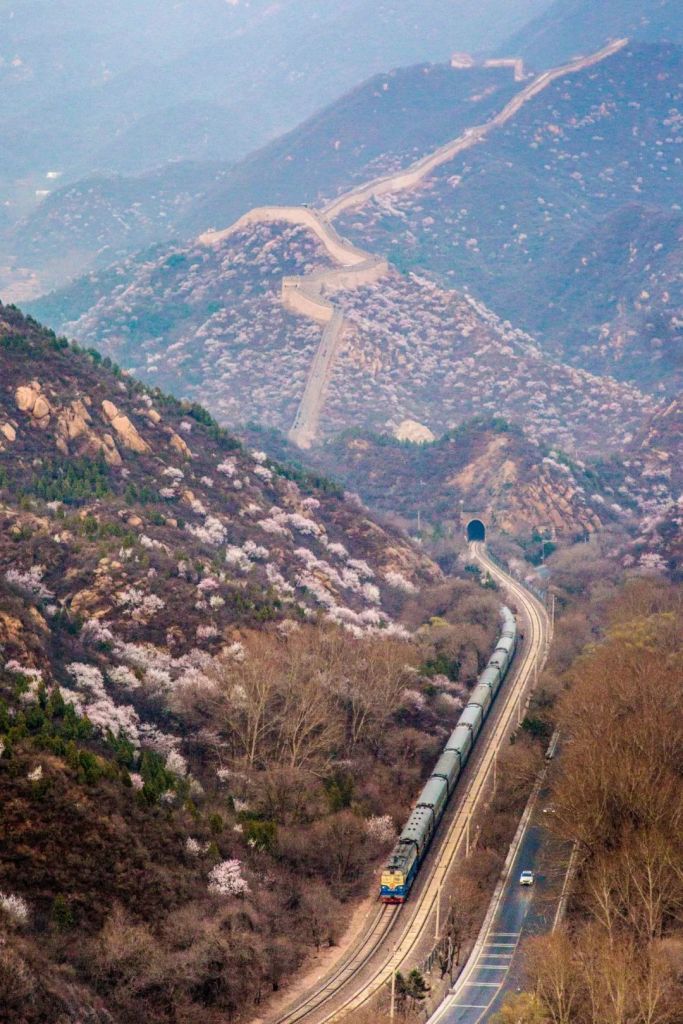
Among them is the famous Beijing-Zhangjiakou Railway which, thanks to Zhan Tianyou’s (詹天佑) clever design, managed to travel through the mountainous terrains more than 100 years ago. Today, the Beijing-Zhangjiakou High-speed Railway is able to overcome all these barriers at 350 km/h. Such changes are astounding.

Beijing-Zhangjiakou High-speed Railway crossing the Guanting Reservoir
(photo: 赵斌)

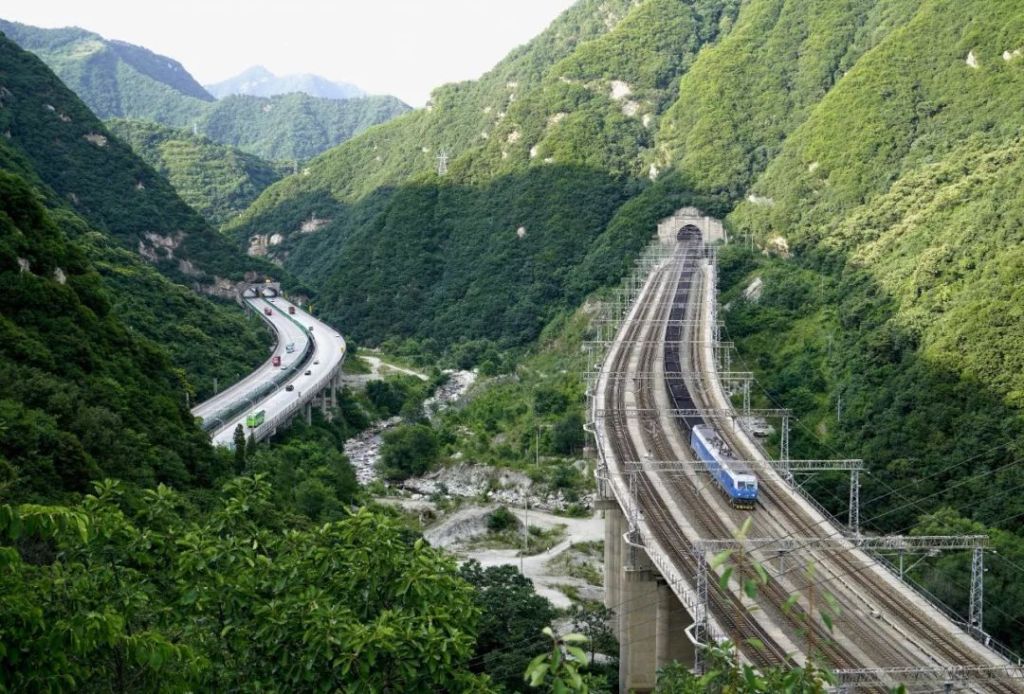
Another railway experiencing similarly astonishing advancement is the Xi’an-Chengdu High-speed Railway. Coming from the north, it punches through the Qinling and Daba Mountains and opens up a new path into the Sichuan basin. The straight railway is in stark contrast with the meandering expressways in these regions.

Jialing River Grand Bridge
This is the first bridge of Xi’an-Chengdu High-speed Railway to enter Sichuan
Below the bridge is Beijing-Kunming Expressway and National Highway 108; tunnel on the right is the Baoji-Chengdu Railway which started operating in 1958
(photo: 刘建镍)

Since then, the journey into Sichuan was no longer impossible.

Xi’an-Chengdu High-speed Railway passing by Guanghan, Sichuan
(photo: 谭本建)

The 7th vertical – Baotou (Yinchuan)-Haikou passageway

This passageway runs south from Baotao (inner Mongolia) and Yinchuan (Ningxia). Before reaching Leizhou Peninsula, the southmost part of the Mainland, it traverses the Loess Plateau and goes past Chongqing, Guiyang and Nanning. Once there, it merges with the Hainan Ring High-speed Railway.

Notably, the Yinchuan-Xi’an section, which is about to come into service, will be brushing the edge of the Mu Us Desert and crossing the Dongzhi loess tableland, which is the world’s largest loess landform.

Yinchuan-Xi’an High-speed Railway crossing the Yellow River in Lingwu, Ningxia
(photo: 陈剑峰)

Whereas the Hainan Ring High-speed Railway, a 653 kilometres route opened in 2015, is the world’s first circular railway along a tropical coast.

Hainan Ring High-speed Railway by the Xiangshui Bay, Lingshui
(photo: 吴坤锦)

Looking out from the large window panes on the high-speed train, one will be immediately absorbed in the soothing views of the southern paradise.

A perfect sea view from the window of high-speed trains
Xiangshui Bay, Lingshui
(photo 靳晰)

The 8th vertical – Lanzhou (Xining)-Guangzhou passageway

The last vertical passageway starts from Xining and Nanzhou, but this time travelling southeast. It travels through Chengdu, Chongqing and Guiyang before reaching Guangzhou at the terminus.

The Guiyang-Guangzhou High-speed Railway is one of the routes currently open to public. As the first high-speed railway to operate in Guizhou, it completely transformed the city’s transportation predicament that was historically described as ‘never more than three miles of flat land (地无三里平)’.

Yelang River Grand Bridge along the Chongqing-Guiyang Railway
This railway is technically not a high-speed railway, but is included here as a reference for Guiyang’s geography
(photo: 刘建镍)

As a typical mountain railway, more than half of the 857 kilometres long Guiyang-Guangzhou High-speed Railway runs underground. But when the train comes out of the tunnels, passengers will find themselves surrounded by exquisite karst landforms…

Guiyang-Guangzhou High-speed Railway in Pinggui District, Hezhou, Guangxi
(photo: 冯嘉希)

…where layers of mountains fuse with tranquil waters.

Xingfuyuan Reservoir Grand Bridge
Xingping section of the Guiyang-Guangzhou High-speed Railway in Yangsuo, Guilin
(photo: 黄一骏)

This is definitely a journey through the dreamland.

Guiyang-Guangzhou High-speed Railway in Lingchuan, Guilin
(photo: 黄一骏)

2. Eight horizontals

We shall now continue our tour with the eight horizontal railways.

‘Eight horizontal’ plan of China’s high-speed railway network
1) Suifenhe-Manzhouli passageway (绥满通道)
2) Beijing-Lanzhou passageway (京兰通道)
3) Qingdao-Yinchuan passageway (青银通道)
4) Eurasia Continental Bridge passageway (陆桥通道)
5) Yangtze River passageway (沿江通道)
6) Shanghai-Kunming passageway (沪昆通道)
7) Xiamen-Chongqing passageway (厦渝通道)
8) Guangzhou-Kunming passageway (广昆通道)
(diagram: 巩向杰, Institute for Planets)

The 1st horizontal – Suifenhe-Manzhouli passageway

The Suifenhe-Manzhouli passageway is located in the far north. It links up Suifenhe in Heilongjiang and Manzhouli in Inner Mongolia, and is the northmost high-cold high-speed railway in China. The steel rail here has to endure a temperature difference of 100°C between winter and summer.

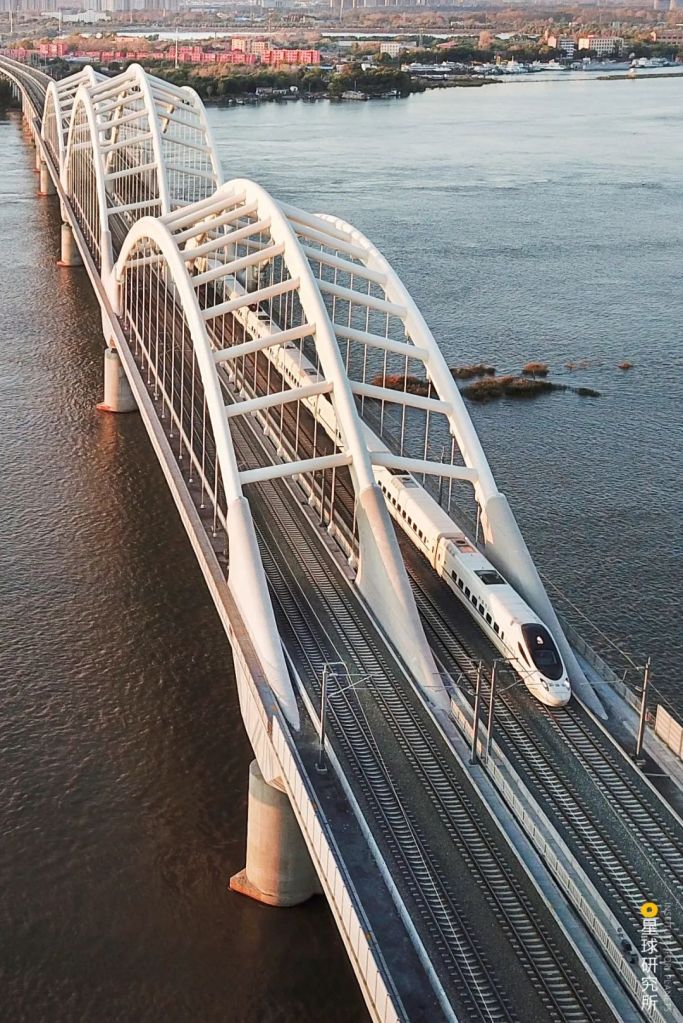
Major northeastern cities including Mudanjiang, Harbin, Daqing and Qiqihar are connected together by this passageway.

Songhua River Grand Bridge in Harbin
(photo: 刘慎库)

It is the backbone for transportation in the northeast, and also the major force behind the revitalisation of the region.

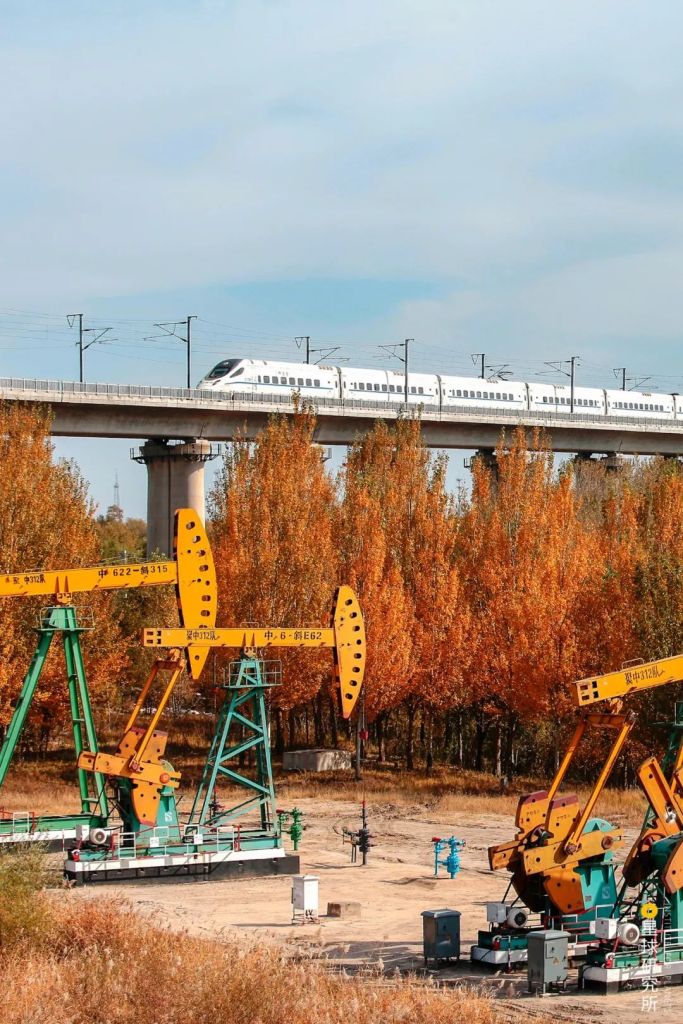
High-speed train running above the Daqing Oil Field
(photo: 刘慎库)

The 2nd horizontal – Beijing-Lanzhou passageway

The second passageway joins Beijing and Lanzhou together, with Hohhot and Yinchuan in between.

Zhangjiakou-Hohhot High-speed Railway, one of the routes in the passageway, came into service at the end of 2019. For the first time, an Inner Mongolia city in the centre of the province is included in the high-speed railway network.

Zhangjiakou-Hohhot High-speed Railway running in Zhuozi, Inner Mongolia
(photo: 魏方合)

The Yinchuan-Lanzhou High-speed Railway, on the other hand, is also the first high-speed railway in Ningxia. Currently, the Yinchuan-Zhongwei section is already open to public, whereas the remaining parts connecting Lanzohu is still under construction.

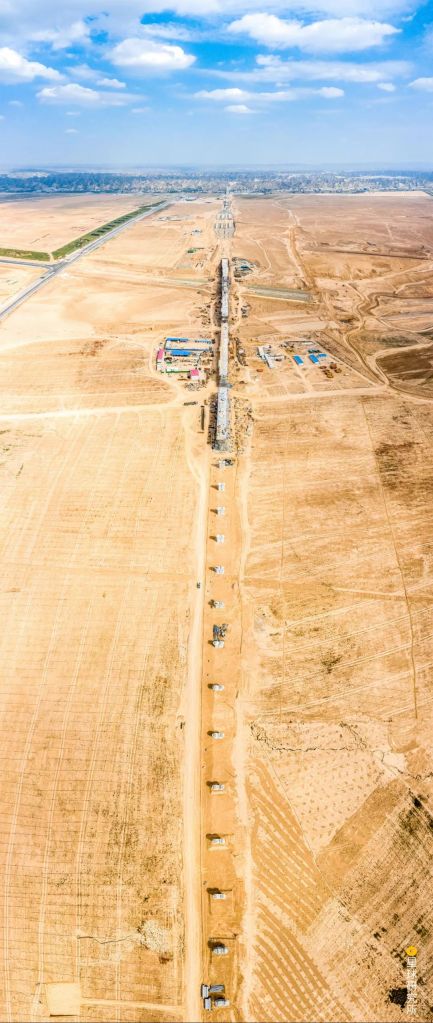
Zhongwei-Lanzhou section of Yinchuan-Lanzhou High-speed Railway under construction
(photo: 无来)

The 3rd horizontal – Qingdao-Yinchuan passageway

This passageway bridges between Qingdao in Shandong and Yinchuan in Ningxia. The entire route begins at the coast of Yellow Sea.

Jinan-Qingdao High-speed Railway crossing the Nvgukou waters in Qingdao
Next to the railway is the G22 Qingdao-Lanzhou Expressway
(photo: 赵斌)

It runs through Shandong…

High-speed railway running through Shouguang Vegetable Garden
(photo: 王璐)

Tunnels through Taihang Mountain…

Shijiazhuang-Taiyuan High-speed Railway tunnelling through the Taihang Mountain
(photo: 张普超)

And travels deep into the arid regions of the inland.

A high-speed train on the Loess Plateau
(photo: 张普超)

However, the scale of the next passageway, which also connects the sea and inland, will be on a whole new level.

The 4th horizontal – Eurasia Continental Bridge passageway

Starting from Lianyungang in Jiangsu, this passageway travels through Xuzhou, Zhengzhou, Xi’an, Lanzhou, Xining and reaches Urumqi in Xinjiang. The entire route has now been completed except for the Liangyungang-Xuzhou section.

The Lanzhou-Xinjiang High-speed Railway, which is 1786 kilometres long, is the world’s longest high-speed railway to be completed at once.

Accompanying this long journey are mountains covered with snow…

Lanzhou-Xinjiang High-speed Railway by the Qilian Mountains
(photo: 章力凡)

And the harsh Gobi Desert…

Lanzhou-Xinjiang High-speed Railway in Gobi Desert, Shanshan County, Xinjiang
(photo: 魏方合)

As well as rapeseed flowers that adorn the fields and hills.

Lanzhou-Xinjiang High-speed Railway swimming through the sea of rapeseed in Menyuan, Qinghai
(photo: 王璐)

The 5th horizontal – Yangtze River passageway

As its name suggests, this passageway runs in close parallel with the Yangtze River. Like a massive artery, it connects all major cities along the Yangtze River Economic Belt, including Shanghai, Nanjoing, Hefei, Wuhan, Chongqing and Chengdu. The entire passageway has already been completed.

Shanghai-Wuhan-Chengdu Railway running on the Yichang-Wanzhou Railway Bridge across the Yesan River, Jianshi County, Hubei
(photo: 文林)

In addition, new railways with a standard speed of 350 km/h are being built in segments or planned.

Chengdu-Chongqing Railway near Longyou Mountain in Hechuan
(photo: 张国鸿)

The 6th horizontal – Shanghai-Kunming passageway

Completed towards the end of 2016, this is a 2252 kilometres long passageway that links up Shanghai and Kunming, with Hangzhou, Nanchang, Changsha and Guiyang in between.

Xiangshui River section of the Shanghai-Kunming High-speed Railway in Fuyuan, Yunnan
(photo: 高坤煜)

This passageway deals with complex geological terrains and traverses numerous valleys. The most challenging task in this project was the construction of Beipan River Grand Bridge in Guizhou, which is 721 metres long with a deck that is 300 metres above the river.

Shanghai-Kunming High-speed Railway on the Beipan River Grand Bridge
(photo: 刘慎库)

The 7th horizontal – Xiamen-Chongqing passageway

Still under segmental construction, this passageway runs from Xianmen to Chongqing through Changsha.

From Xiamen, the ‘Garden of the Sea’…

Railway route next to Xiamen Airport
Photo also shows a plantation of flame of the forest, the city tree of Xiamen
(photo: 章荣贵)

To Chongqing, the ‘fiery mountain city’, this journey offers captivating experience of diversity.

High-speed Railway in Chongqing
(photo: 胡兴波)

The 8th horizontal – Guangzhou-Kunming passageway

The last passageway of the eight horizontals has been fully completed in 2016. It starts from Guangzhou, passes by Nanning and finishes in Kunming.

The Binyang section is located in the flat plains of Guangxi. Travelling on this passageway during harvest seasons is like entering vast fields of gold.

Binyang section of Nanning-Guangzhou High-speed Railway in Guangxi
(photo: 老麦客)

There is also the 852 metres long Nanpan River Grand Bridge in Yunnan, which allows the Nanning-Kunming High-speed Railway to cross the border between Honghezhou and Wenshanzhou in the air.

Nanpan River Grand Bridge of the Nanning-Kunming High-speed Railway
(photo: 潘泉)

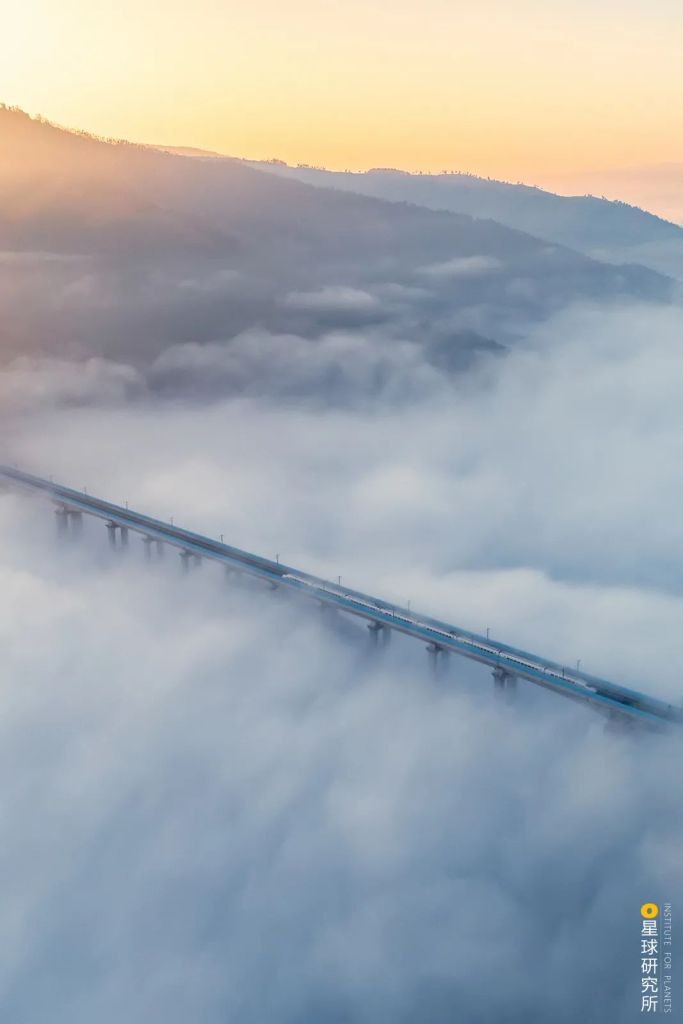
On a misty day, this trip becomes a heavenly ride.

Nanpan River Grand Bridge of the Nanning-Kunming High-speed Railway
(photo: 饶颖)

3. China’s High-speed Railway

That concludes our brief journey on China’s ‘eight vertical eight horizontal’ high-speed railway network.

When China started to build her own railway for the first time more than one century ago, the world’s total railway mileage had already exceeded 200,000 kilometres. The catching up was a long and painful struggle for China.

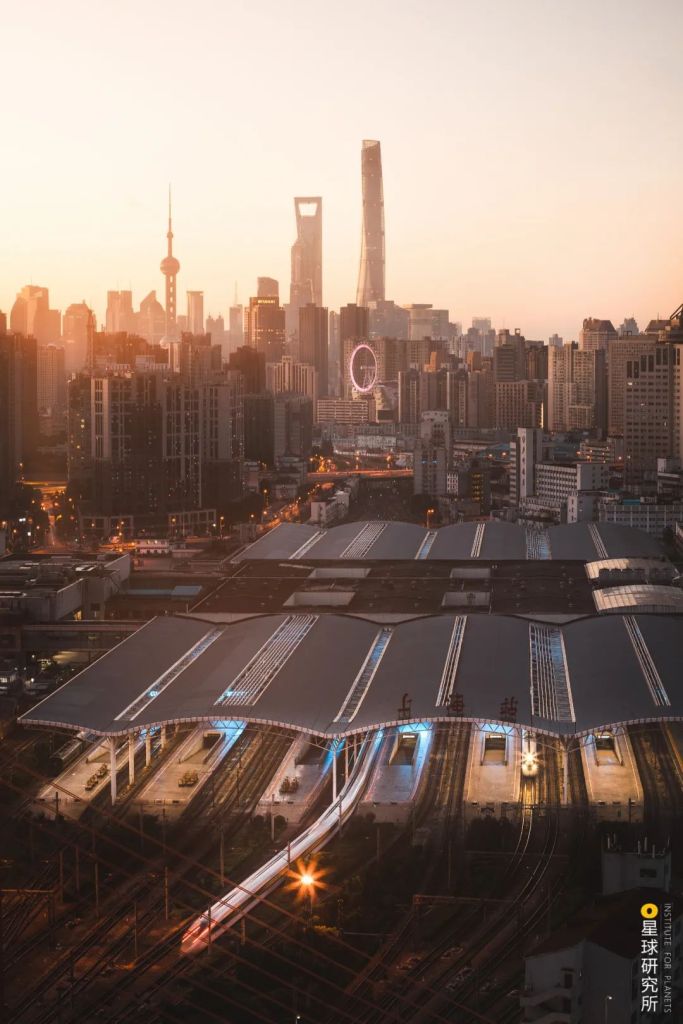
Shanghai Railway Station
(photo: 常念祖)

100 years have since passed by like a blink of the eye.

In 2004, the Chinese government released the first Mid- and Long-term Railway Network Plan, in which the ‘four vertical and four horizontal’ plan was proposed for the first time.
Just 12 years later in 2016, the ambitious vision of ‘eight vertical and eight horizontal’ was included in the revised Railway Network Plan.

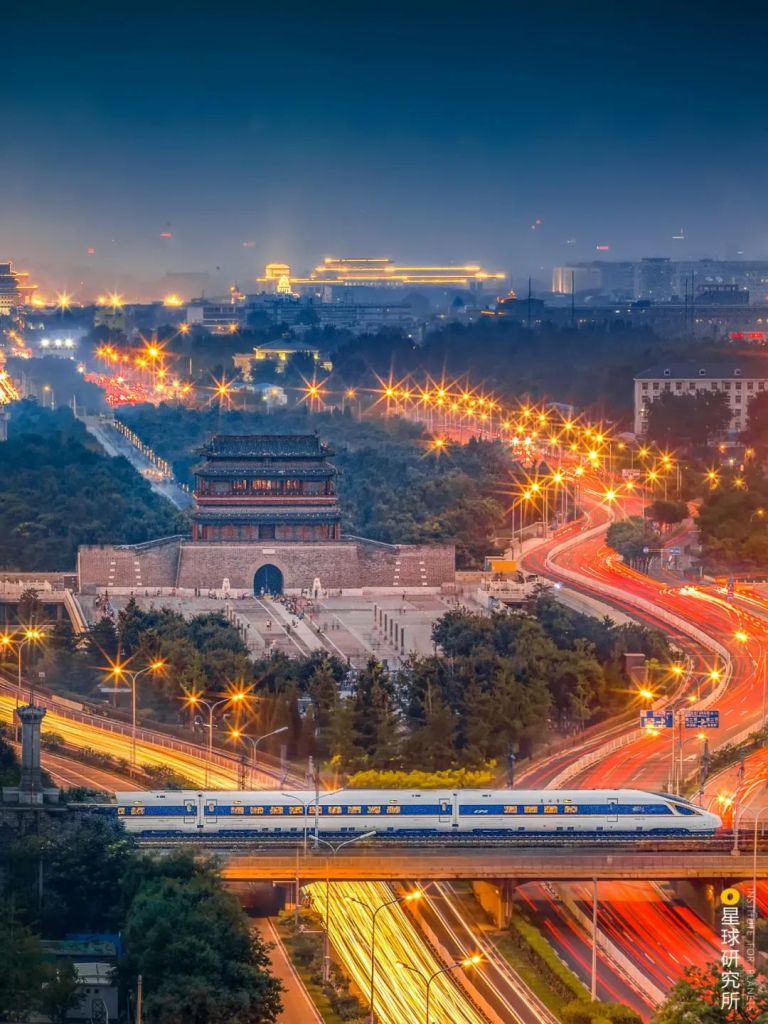
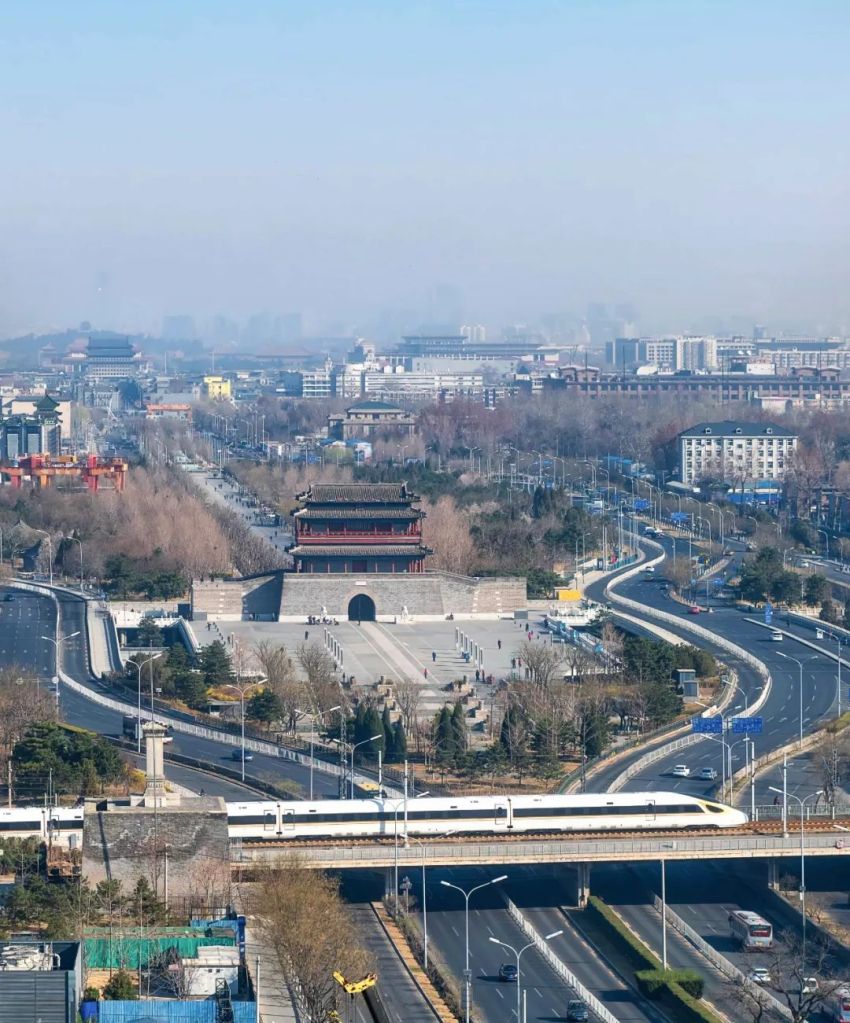
A high-speed train crossing the central axis of Beijing
(photo: 黄登一)

As of 2019, with the exception of Lhasa, every provincial capital of China has been connected to the high-speed railway network; 88% of cities with a population of more than 500,000 have access to high-speed trains.

Guangzhou South Railway Station
(photo: 酷鸟魏建)

Today, China not only has the longest high-speed railway in the world, but also the largest national construction scale, biggest fleet of high-speed trains, highest commercial travel speed and the most comprehensive technology system in high-speed railway. She is also the most experienced in high-speed railway management and diverse operational scenarios.

We have indeed surpassed the others in these regards.

Beijing-Shanghai High-speed Railway across wheat fields in Bengbu, Anhui
(photo: 王璐)

But waiting for us in the future is something even more magnificent.
This is not merely an intangible projection, but a substantiated plan high on the agenda of the government.

According to the latest Programme of Building National Strength in Transportation and Prioritising Railway Development released by China Railway, the country’s high-speed railway mileage will total up to 70,000 kilometres, which is twice as long as the current railway network.

We have great expectation on such a high-speed railway network in China, one that keeps on striding ahead.

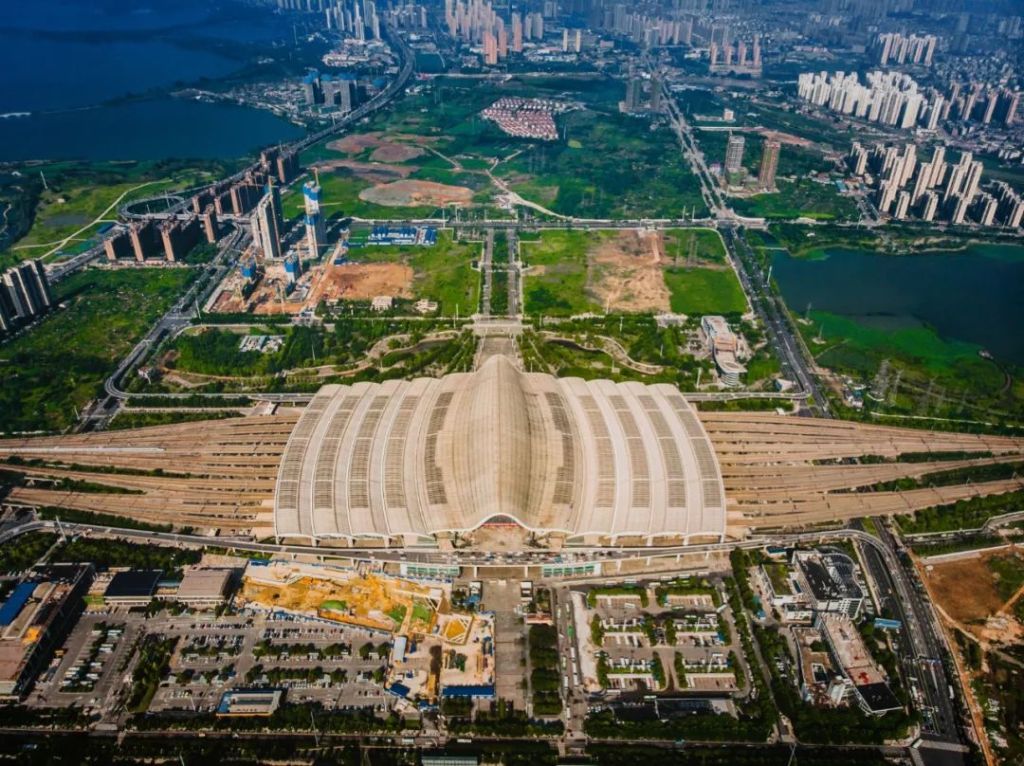
Night view of the Xiong’an Railway Station
(photo: 周昫光)

Production Team
Text: 所长
Photos: 谢禹涵
Maps: 巩向杰
Design: 郑伯容
Review: 王昆
Feature photo: RoyChen, mirror image of trains in Guangzhou EMU Depot

…The End…

Institute for Planets
星球研究所
一群国家地理控,专注于探索极致风光
Inside the Forbidden City

Original piece: 《600岁的故宫,有什么?》
Co-produced by Institute for Planets (星球研究所) & Tencent
Written by 李张子薇
Translated by Kelvin Kwok

Posted with permission from Institute for Planets

The Forbidden City celebrates its 600th anniversary in 2020.

The Supreme Palace

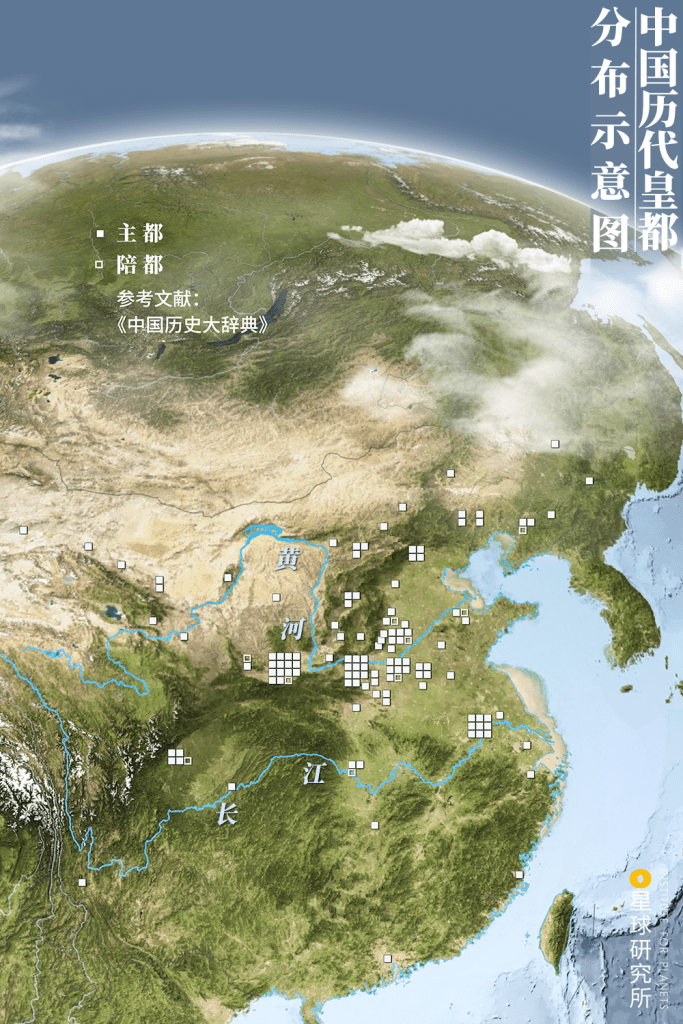
Over thousands of years, the Chinese civilisation witnessed the rise and fall of a total of 63 dynasties, and was under the successive reigns of 446 sovereigns and emperors. Ruling all under heaven, they had all built numerous palaces to signify their arrival at the pinnacle of power and supremacy above all.

*The above data is based on Encyclopaedia of Chinese History (中国历史大辞典) published by Shanghai Lexicographical Publishing House.

Imperial capitals of China (中国历代皇都)
Filled boxes: main capital (主都); open boxes: auxiliary capital (陪都)
Yellow River (黄河), Yangtze River (长江)
(diagram: 陈志浩&张靖, Institute for Planets)

The vast majority of these palaces are no longer standing today. Some collapsed gradually over centuries, others came down together with the falling dynasty in a great fire.

But there are always exceptions.
In Beijing, a grand palace complex still remains intact today, despite having gone through two dynasties of great unity and 600 years of ageing.

It is known as the Forbidden City, or commonly referred to as the ‘Former Palace (故宫)’ in Chinese.

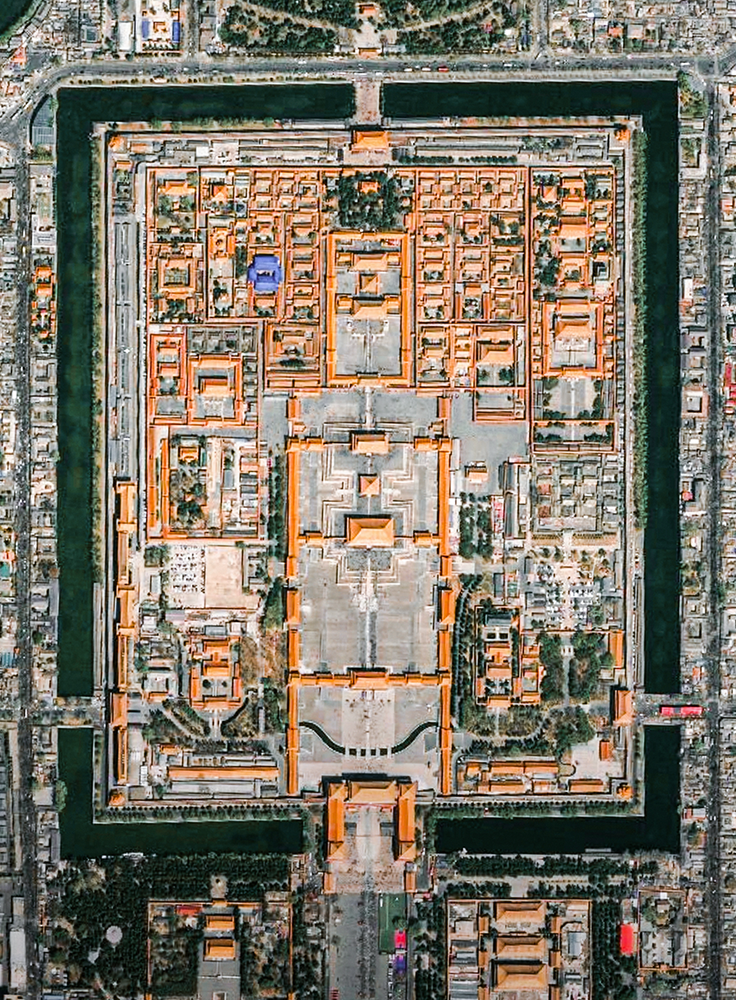
Satellite image of the architectural structure of Forbidden City
(photo: Esri)

What is it like inside the Forbidden City?

1. The Origin

1402 AD, Nanjing.

A fierce fight for the throne to rule over China came to an end. After 4 years of bloodshed, Zhu Di, originally enfeoffed as the Prince of Yan, finally captured the capital city of Ming Dynasty and seized power from his nephew to become the emperor himself. This royal conflict was later remembered as the Jingnan Campaign.

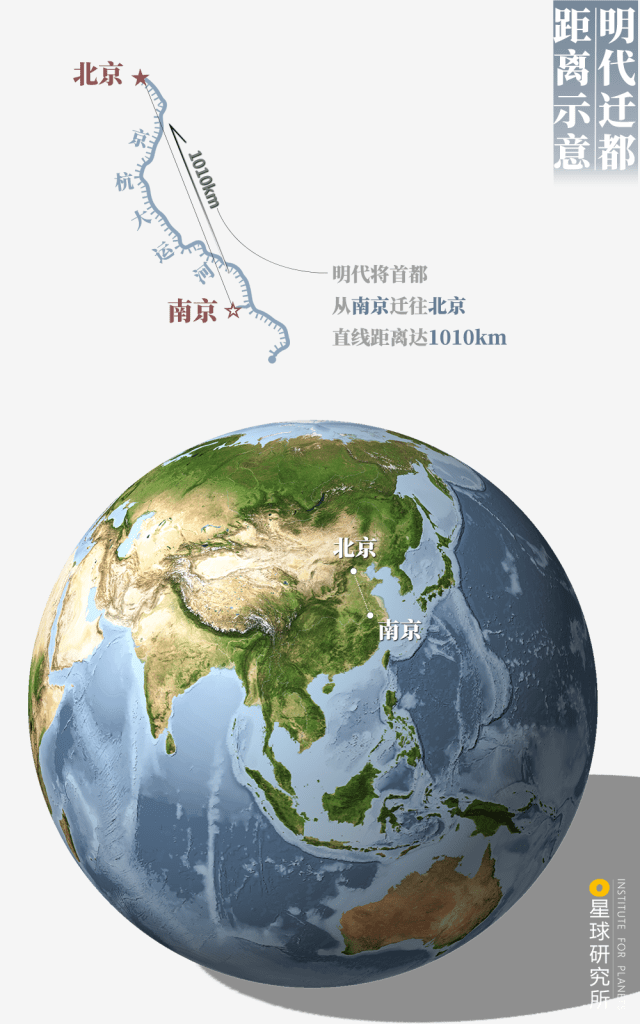
However, this game of thrones did not end with the battles. In order to get rid of the old and opposing factions in Nanjing, as well as to resist against the Northern Yuan regime, Zhu Di decided to relocate the capital city to Beijing*.

*Translator’s comment:
Jing (京) is translated as capital in Chinese, whereas nan (南) and bei (北) means south and north respectively. Hence, Nanjing and Beijing literally mean southern capital and northern capital.

Relocation distance for the Ming capital
Beijing (北京), Nanjing (南京), Beijing-Hangzhou Grand Canal (京杭大运河)
Straight line distance (直线距离)
(diagram: 张靖, Institute for Planets)

But to establish a capital city and build from scratch a new palace within it was not an easy task. This was bound to be a national movement involving extensive mobilisation of the population.

Indeed, tens of thousands of lumberjacks in various provinces including Sichuan and Zhejiang were ordered to harvest and transport trees from deep mountains and thick forests. Many of them lost their lives working in dangerous terrains. As the ancient Sichuanese saying goes, ‘for every thousand men, only five hundred came back (入山一千,出山五百)’. The wood harvested at the cost of countless lives were then delivered to Beijing via the Yangtze River and the Beijing-Hangzhou Grand Canal. This journey alone took up to 3 or 4 years.

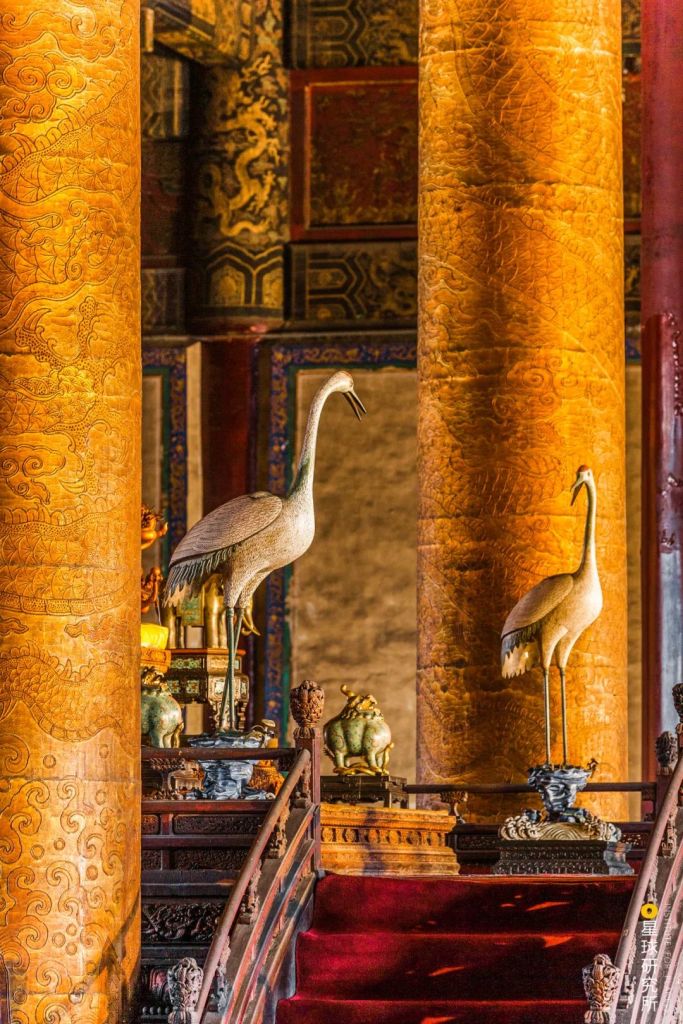
Gold-glazed pillars in the Hall of Supreme Harmony (太和殿)
Pillars were initially built with Phoebe zhennan wood, but was replaced with pine wood during renovation in Qing Dynasty due to the scarcity of the former
(photo: 柳叶氘)

As many as several hundred millions of bricks for palace floorings and walls were produced in centralised brick kilns of various scales in Linqing, Shandong. To transport all these to Beijing, the government even stipulated that grain ships passing by were only allowed to continue sailing north if they agreed to load a specified amount of bricks on board.

Some bricks were more precious than the rest, particularly those to be used in important locations for solemn events. Mostly manufactured in Suzhou and Songjiang among others, they were praised as the ‘golden bricks’ for the metallic sound produced when hitting them, as well as for the high production costs. The firing technique is preserved till this day, which is now listed as one of China’s intangible cultural heritage.

Interior of the Hall of Supreme Harmony
The reflective flooring were paved with ‘golden bricks’
(photo: 柳叶氘)

In addition, haematite produced in Lushan, Shandong, was used to chalk the palace walls in red. Gold leaves for gilding both the exterior and interior of majestic halls were processed in the Jiangnan region.
The list goes on and on.

In the hands of more than hundreds of thousands of craftsmen and millions of workers, all these superlative construction materials were transformed into the magnificent city of Beijing, which resides on the alluvial plain created by multiple rivers including the Yongding River.

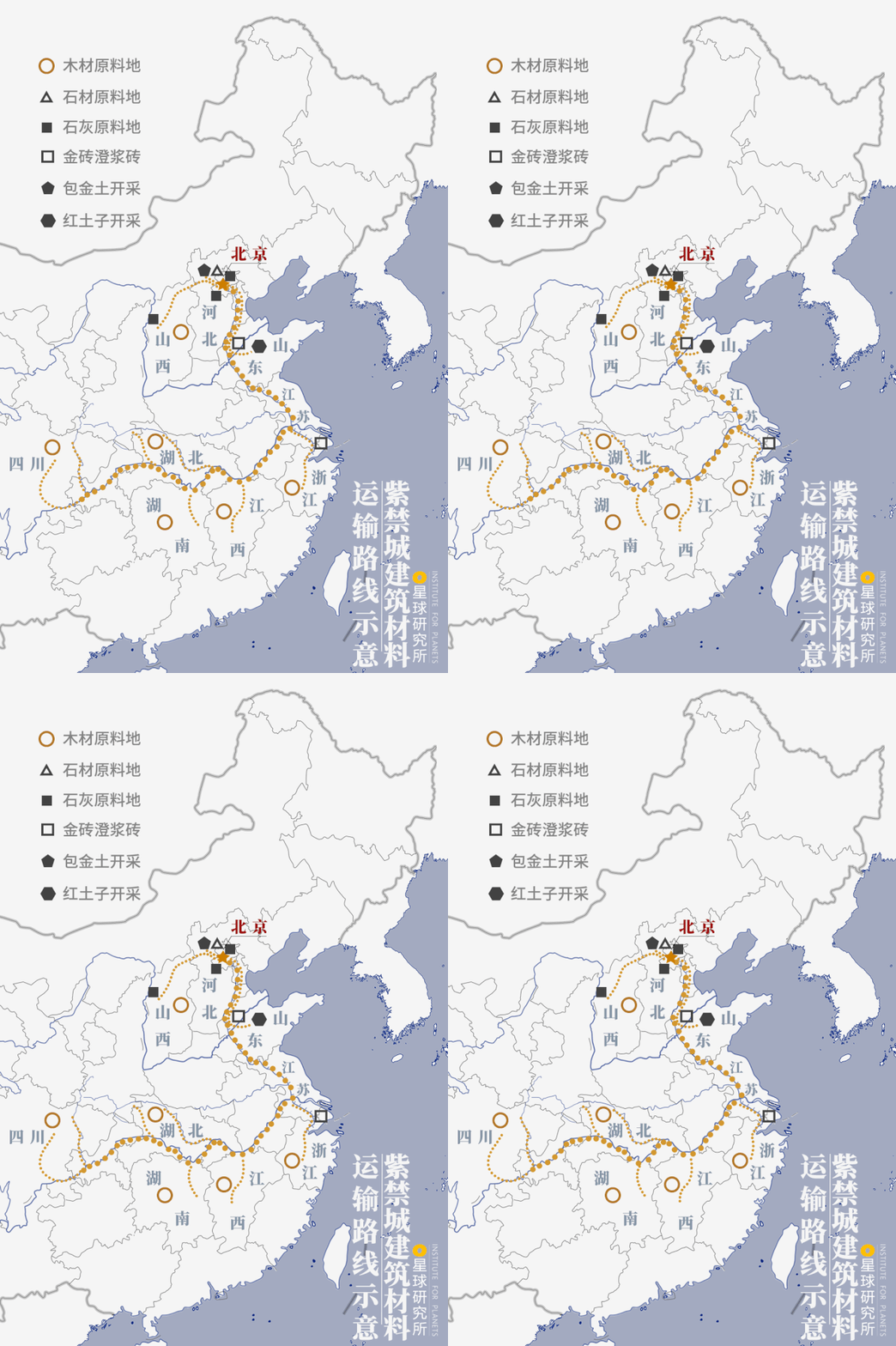
Major raw materials for the construction of Forbidden City and their transportation route
Circle: wood (木材); triangle: stone (石材); filled square: lime (石灰); open square: mortar for golden bricks (金砖澄浆砖); pentagon: gold clad soil (包金土); hexagon: haematite (红土子/赤铁矿)
Beijing (北京), Hebei (河北), Shandong (山东), Shanxi (山西), Jiangsu (江苏), Zhejiang (浙江), Jiangxi (江西), Hubei (湖北), Hunan (湖南), Sichuan (四川)
(diagram: 张靖, Institute for Planets)

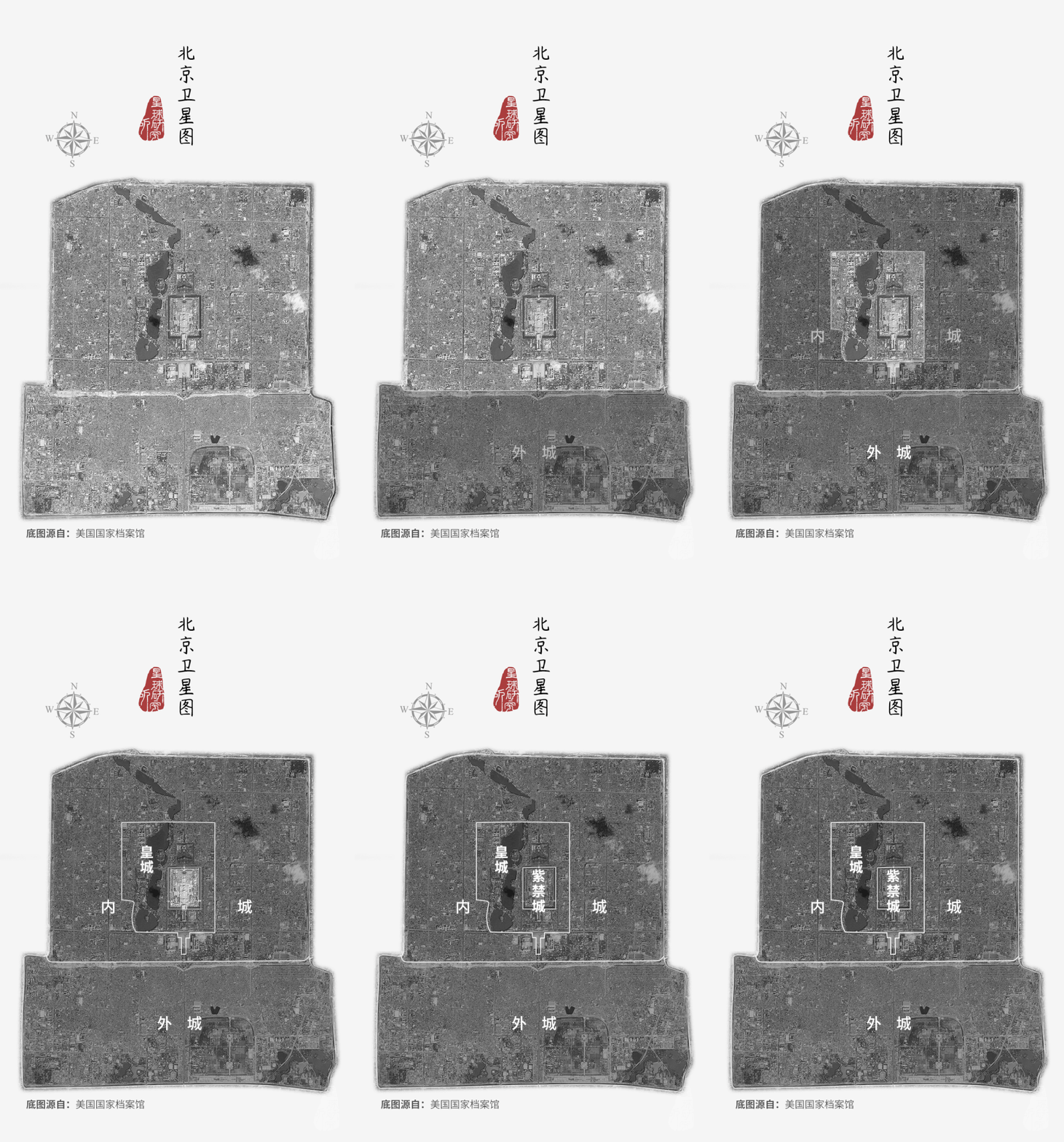
From above, the Beijing City looks like a nested city within a larger fortification.

Beijing City Fortification
Satellite image of Beijing taken on 21 September 1966
Forbidden City (紫禁城), Imperial City (皇城), Inner City (内城), Outer City (外城)
(base photo: National Archives of the United States; diagram: 张靖, Institute for Planets)

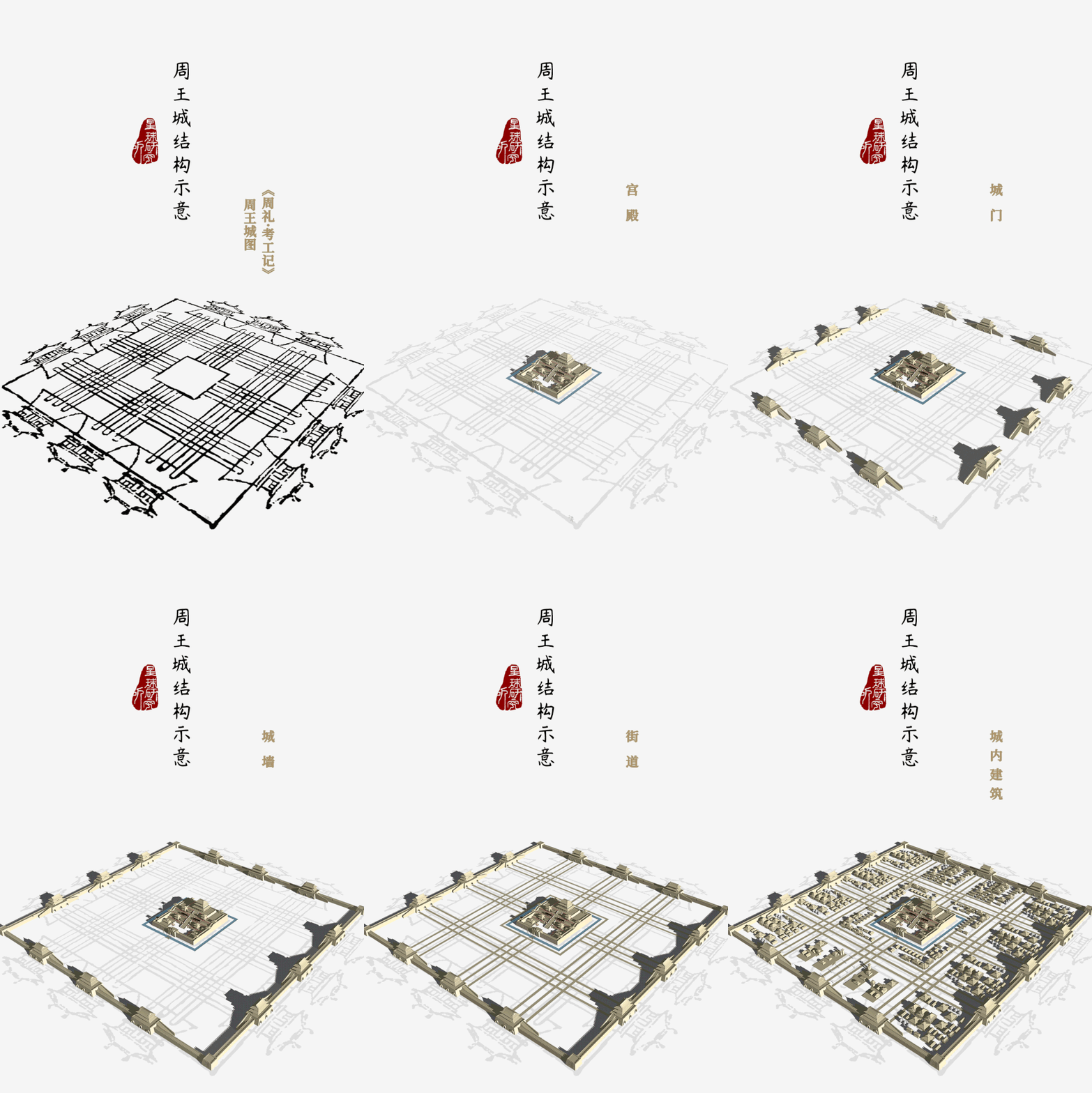
The Outer City, built during the mid-Ming period, was inhabited mostly by ordinary civilians. Due to the enormous scale and construction cost, only the southern site was completed. The upper class and governmental officials, on the contrary, had the privilege to live in the Inner City. The urban planning of the Inner City was based on the ideal citadel model dating all the way back to Zhou Dynasty (roughly 1046-256 BC), which emphasises on square geometry and orderly arrangements.

Capital of Zhou (周王城)
Based on records from Kaogong Ji (Records of Examination of Craftsmen) of the Rites of Zhou (《周礼·考工记》)
Palace (宫殿), city gates (城门), city walls (城墙), streets (街道), buildings in city (城内建筑)
(diagram: 张靖, Institute for Planets)

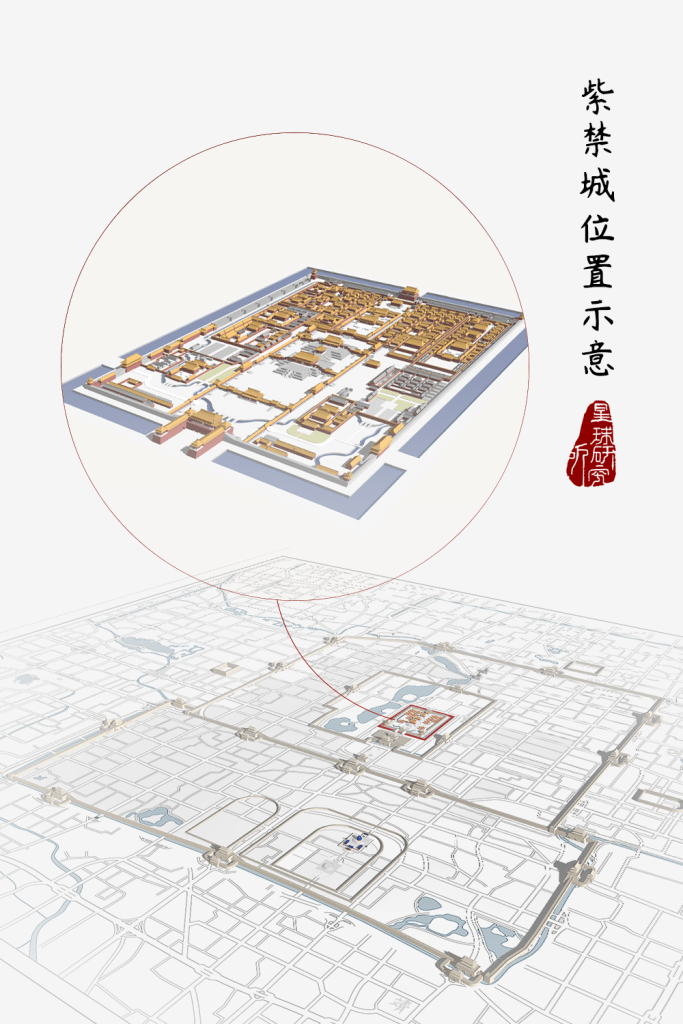
Embedded in the centre of Inner City is the Imperial City, which accommodates Central Government offices, Imperial Ancestral Temple, Altar of Earth and Harvests, and the Imperial Garden. This area was almost exclusive to the royal families and servants. Back in the Ming Dynasty, any trespassing civilians would be sentenced to 100 strokes of caning.

Finally, the palace complex sitting at the very core of the Imperial City is none other than the Forbidden City.

Location of the Forbidden City in Beijing City
(diagram: 张靖, Institute for Planets)

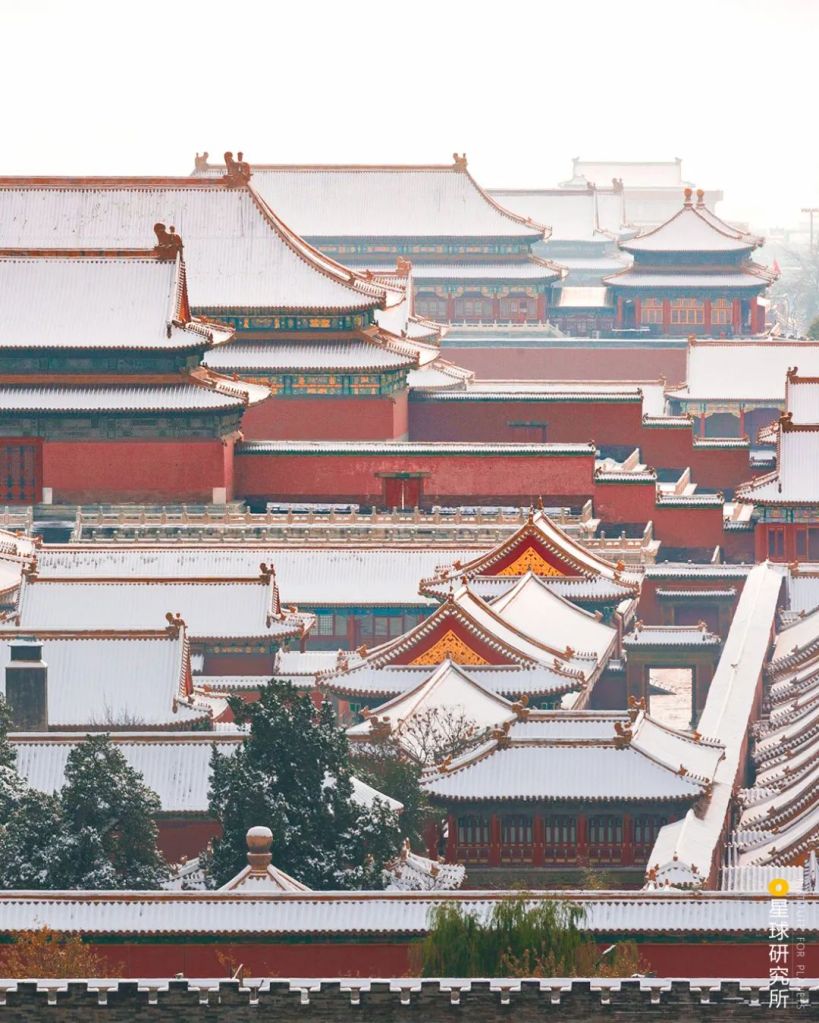
Consisting of 8728 buildings that occupy an area of approximately 720,000 square metres, it is sometimes called the ‘Sea of Palaces’. If one considers only the construction area of Forbidden Palace, it is twice as big as Moscow Kremlin and three times larger than Tokyo Imperial Palace. It is also large enough to fit 4 Louvre, 6 Kyoto Imperial Palace, 9 Winter Palace or 10 Buckingham Palace. Forbidden City’s grandeur is truly unmatched in the world.

Looking at the Forbidden City covered in snow from the Jingshan Park
A characteristic feature of ancient Chinese architecture is the ‘jian (间)’, which refers to the space created by the supporting pillars around it
(photo: 柳叶氘)

Gazing across the endless sea of palaces, one can easily be immersed in the dramatic scenes of labouring lumberjacks harvesting trees deep in the thick mountain forests or boat trackers shouting thundering commands while transporting wood along the river.

The Forbidden City is like a long scroll of lively painting, in which everyone and everything ever related to it has been engraved, patiently waiting to be awaken, and to be seen.

Let us now slowly unroll the painting and stroll through the grand heritage.

2. Front Court

In line with the concept of ‘reception at the front, living at the back (前朝后寝)’ implemented in the ancient capital of Zhou, the Forbidden City can be divided into the Front Court (前朝) and the Back Palace (后宫).

Configuration of the Front Court (前朝) and Back Palace (后宫) in Forbidden City
(diagram: 张靖, Institute for Planets)

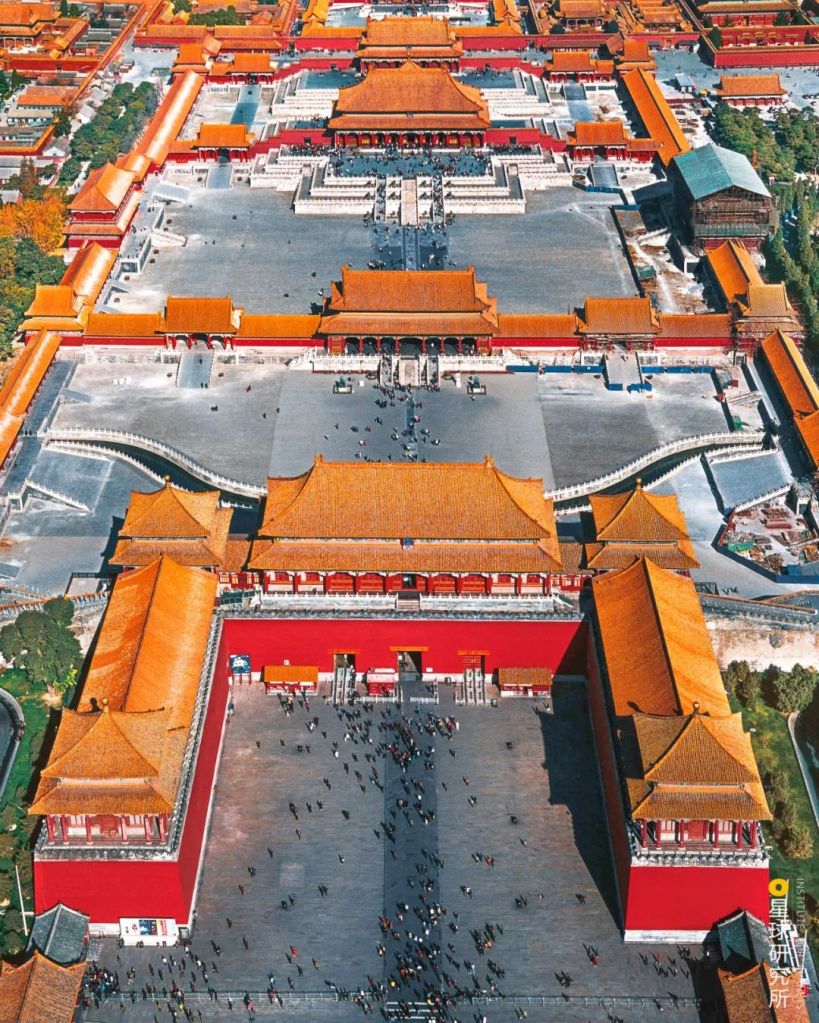
Our tour starts at the main entrance of the Forbidden City, the Meridian Gate (午门).

With two protruding arms on either side, the Meridian Gate forms a unique ‘U’ shape designed to maintain an unequivocal hierarchy among those passing through. The centre arch in the main section was reserved exclusively for the emperor, whereas the two adjacent side arches on either side were open to the royal family. All other government officials could only enter through the two flanking arches located in the protruding sections.

Meridian Gate (午门)
Centre arch (正门), side arch (侧门), flanking arch (掖门)
(diagram: 张靖, Institute for Planets)

As the tallest and most austere gateway in Forbidden City, the Meridian Gate was where triumphant armies presented war trophies after returning from decisive victories. And if the emperor became furious, it was also the site where officials faced corporal punishment. Throughout Ming Dynasty, there had been no fewer than 500 incidents of ‘tingzhang (廷杖, literally caning in court)’ executed on various officials. Among them, Yang Shen (杨慎), a famous poet and a Ming official, wrote the everlasting rhyme for the cipai Linjiangxian (临江仙, literally Immortals by the River) after multiple rounds of tingzhang and his eventual exile from the capital city:

Success or failure, right or wrong, all turn out vein;
Only the green mountains still remain
To see the setting sun’s departing ray

是非成败转头空,青山依旧在,几度夕阳红

Immortals by the River by Yang Shen
《临江仙》杨慎
— English translation by Mr Xu Yuanchong (许渊冲)
Meridian Gate
(photo: 马文晓)

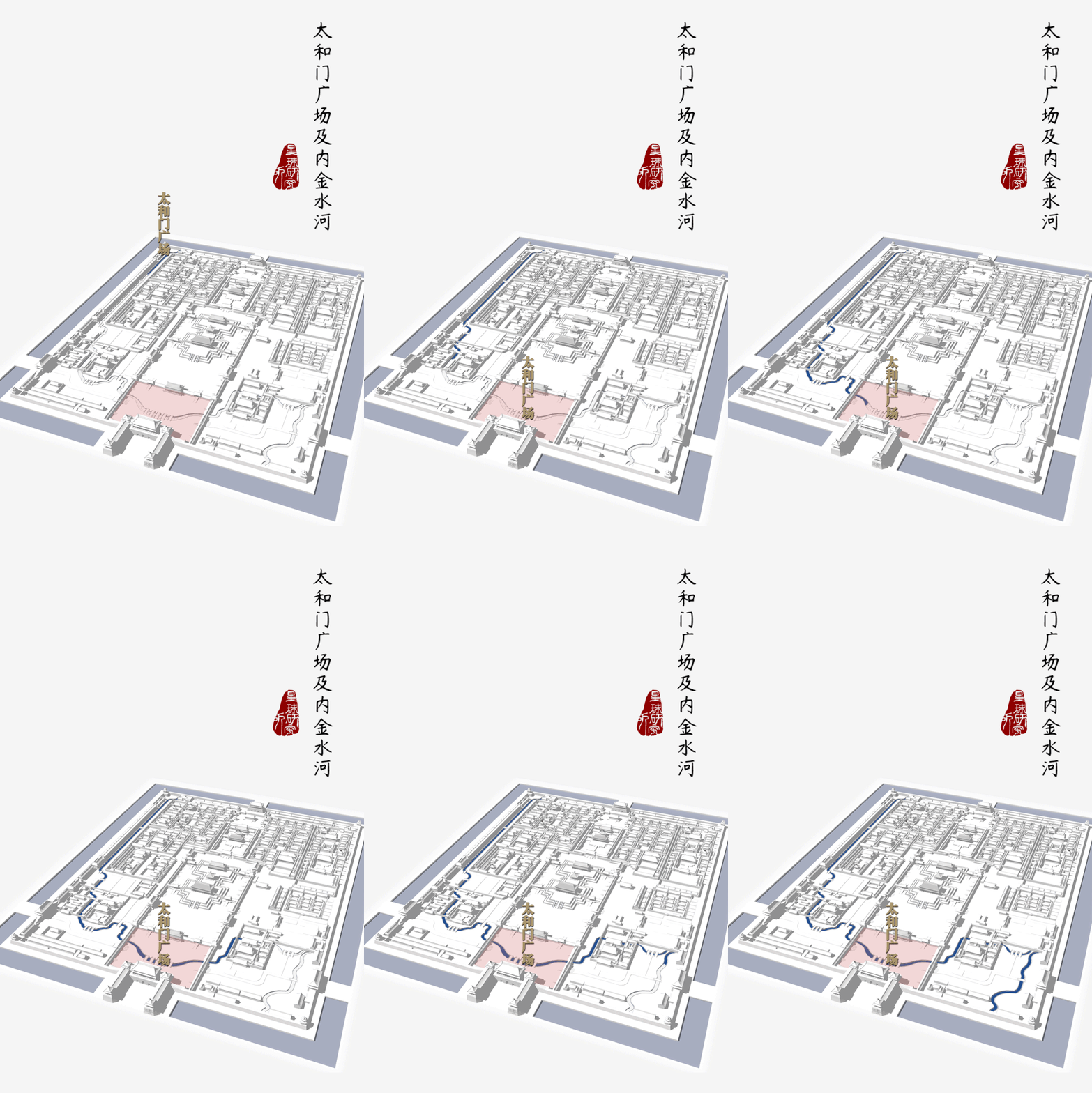
Right behind the Meridian Gate is the Gate of Supreme Harmony Square (太和门广场). A stream flows down from the Jade Spring Hill located in west Beijing City, across the Kunming Lake and Zhongnanhai, and becomes the Inner Jinshui River (内金水河, or literally Inner Golden Water River) that meanders through the square.

Gate of Supreme Harmony Square (太和门广场) and Inner Jinshui River (内金水河)
(diagram: 张靖, Institute for Planets)

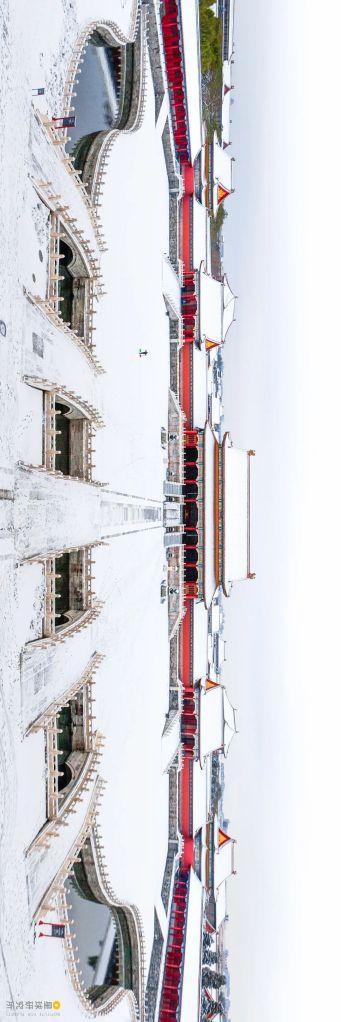
The river channel runs like a full-drawn bow that guides guests inwards to the Gate of Supreme Harmony with an inexplicable charm.

Gate of Supreme Harmony in the snow
(photo: 柳叶氘)

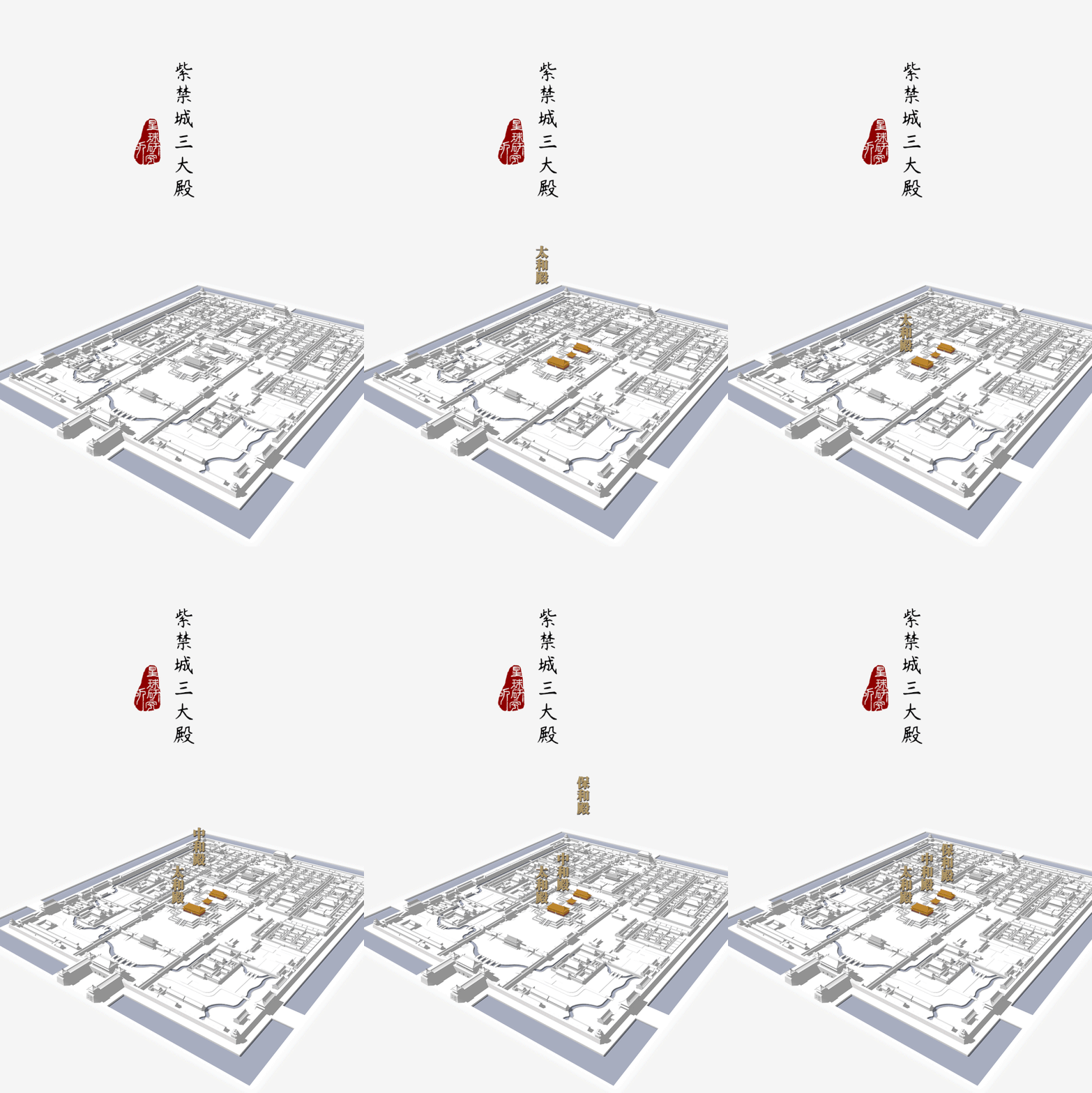
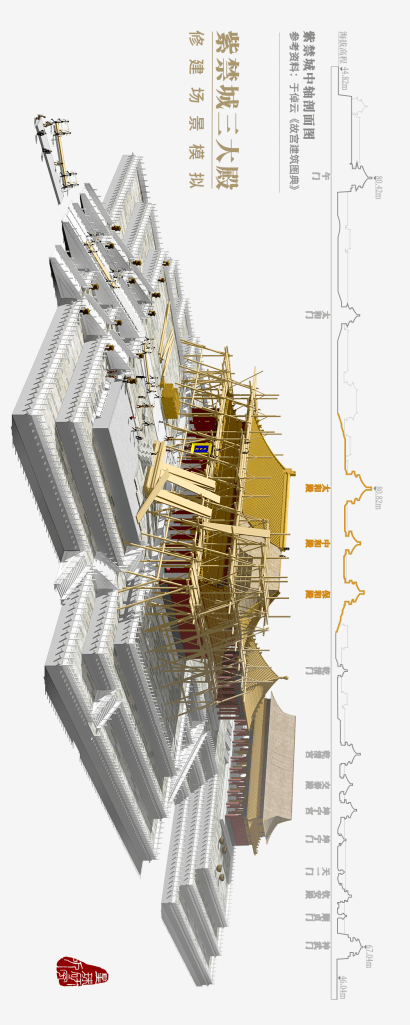
Following the direction of the bow and arrow, guests are led straight into the heart of Forbidden City, where the three main halls reside. Most respected among all buildings in the palace complex, they are called the Hall of Supreme Harmony (太和殿), Hall of Central Harmony (中和殿) and Hall of Preserving Harmony (保和殿).

The three main halls (三大殿) of Forbidden City
Hall of Supreme Harmony (太和殿), Hall of Central Harmony (中和殿), Hall of Preserving Harmony (保和殿)
(diagram: 张靖, Institute for Planets)

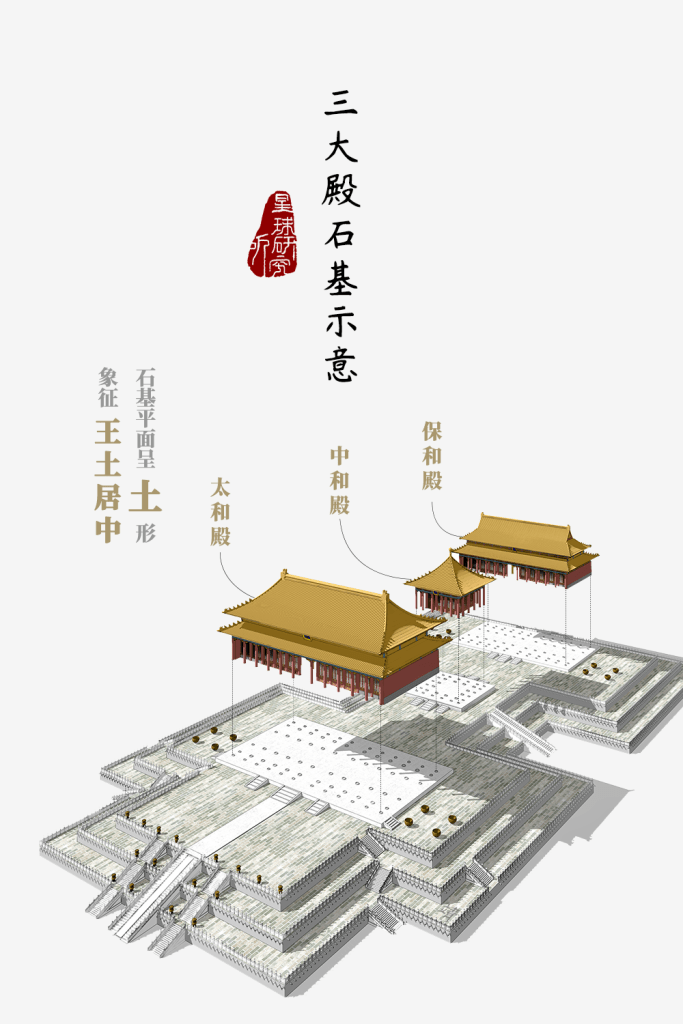
Viewing from above, the marble stone base supporting the three main halls exhibits a ‘土 (land)’ shape*. Sitting at the centre of the entire Forbidden City, it symbolises the believe of ‘imperial land residing in the nation’s heart (王土居中)’, which upholds the sovereign’s supremacy and the granted mandate to rule all under heaven.

*Translator’s comment:
All architectural ideals of the Forbidden City were meticulously implemented from the emperor’s perspective, i.e. facing south (or the Meridian Gate) from the main halls. These encompass concepts of front and back, as well as right hand and left hand. Here, in the eyes of the emperor, the stone base has an upright ‘土’ shape.

The 土-shaped stone base (石基) of the three main halls
Hall of Supreme Harmony (太和殿), Hall of Central Harmony (中和殿), Hall of Preserving Harmony (保和殿)
(diagram: 张靖, Institute for Planets)

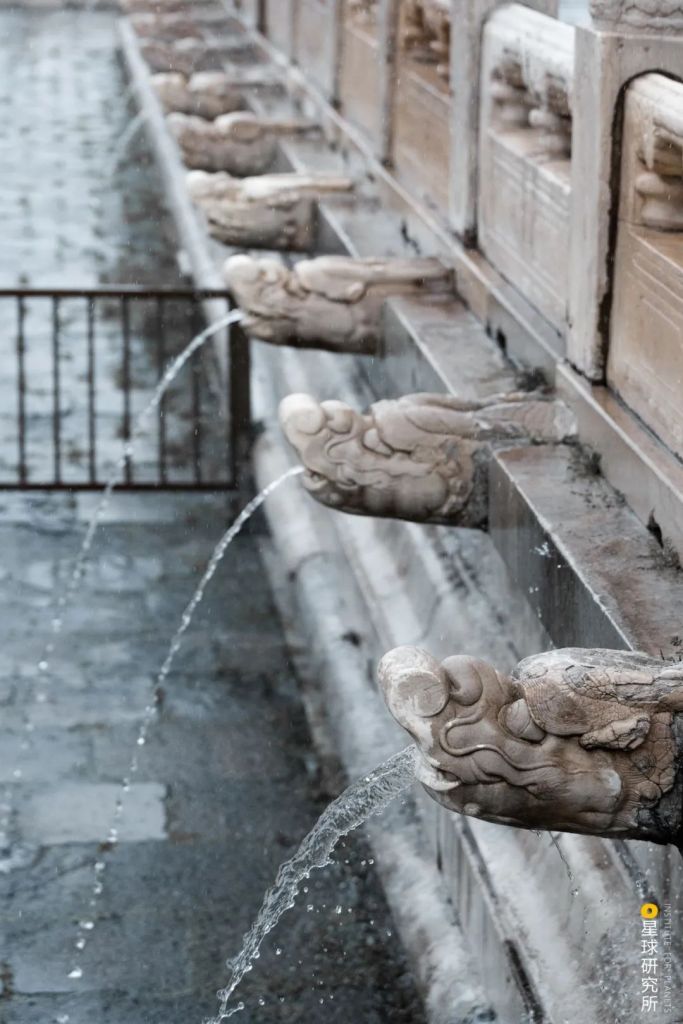
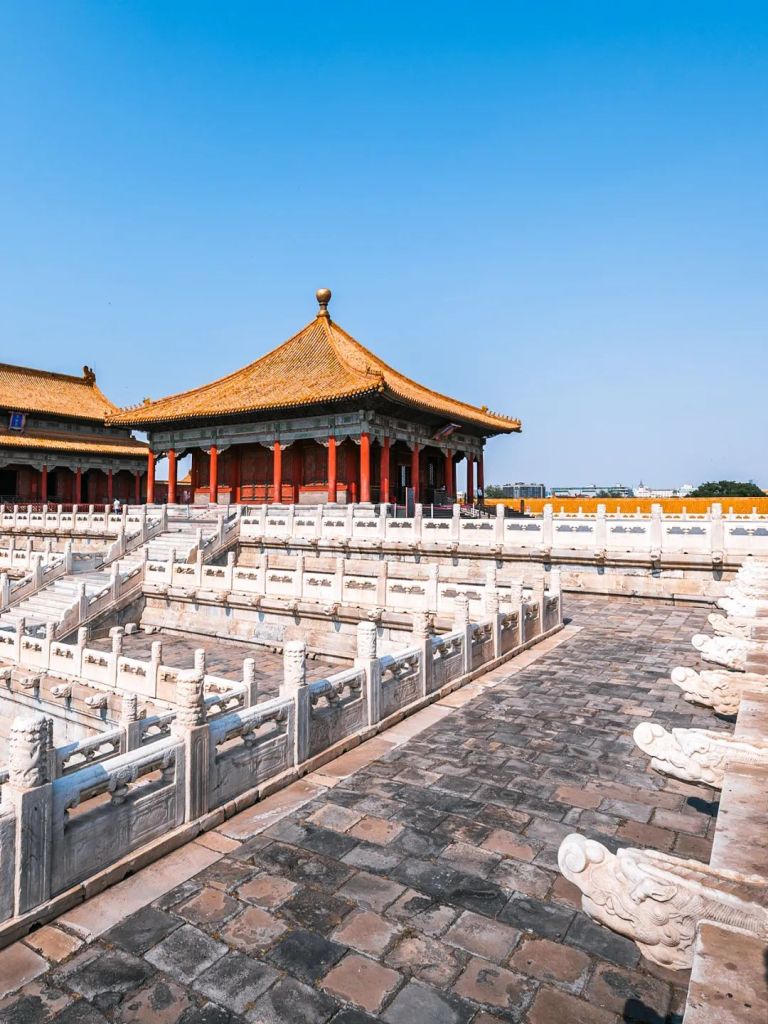
The stone base also has an intricate engineering design. Around it are up to a thousand dragon head stone sculptures, and each of these hollow structures is connected to a centralised drainage system. Whenever it rains, water pours out of all the dragon heads on the three-level stone base to perform a spectacular scene of ‘thousand dragon spouting water (千龙吐水)‘.

Stone base of three main halls in the rain
(photo: 柳叶氘)

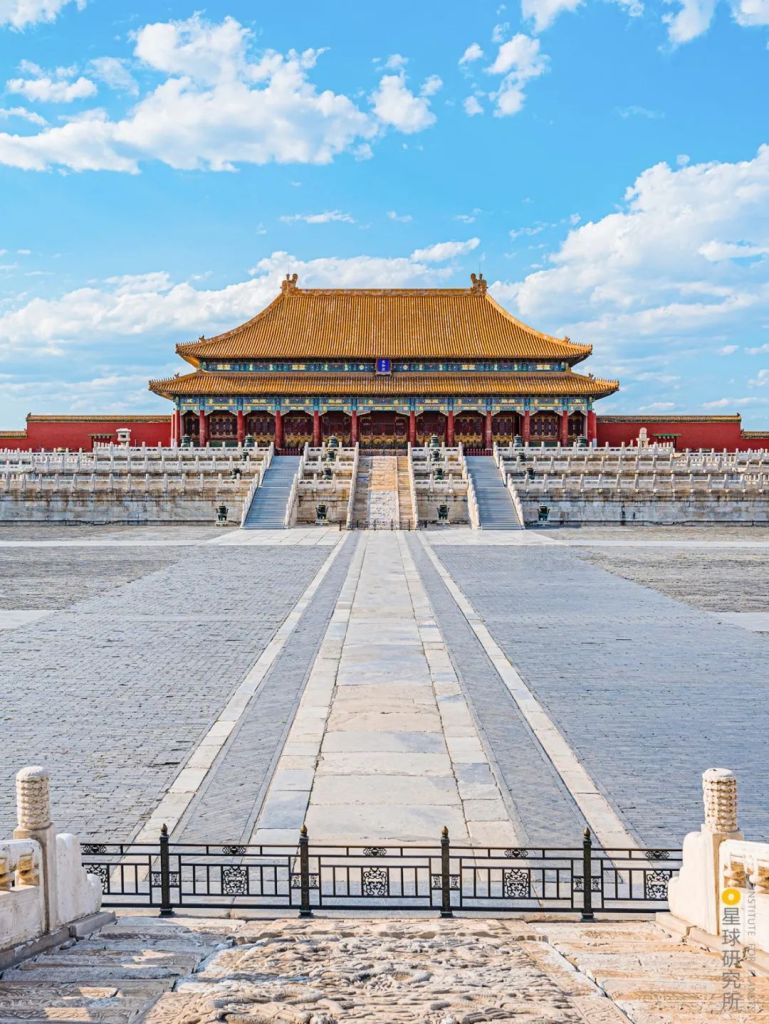
The Hall of Supreme Harmony at the front is the largest and tallest building in the Forbidden City. It is about 35.05 metres high, which is equivalent to a 12-storey building.

Hall of Supreme Harmony
(photo: 李睿)

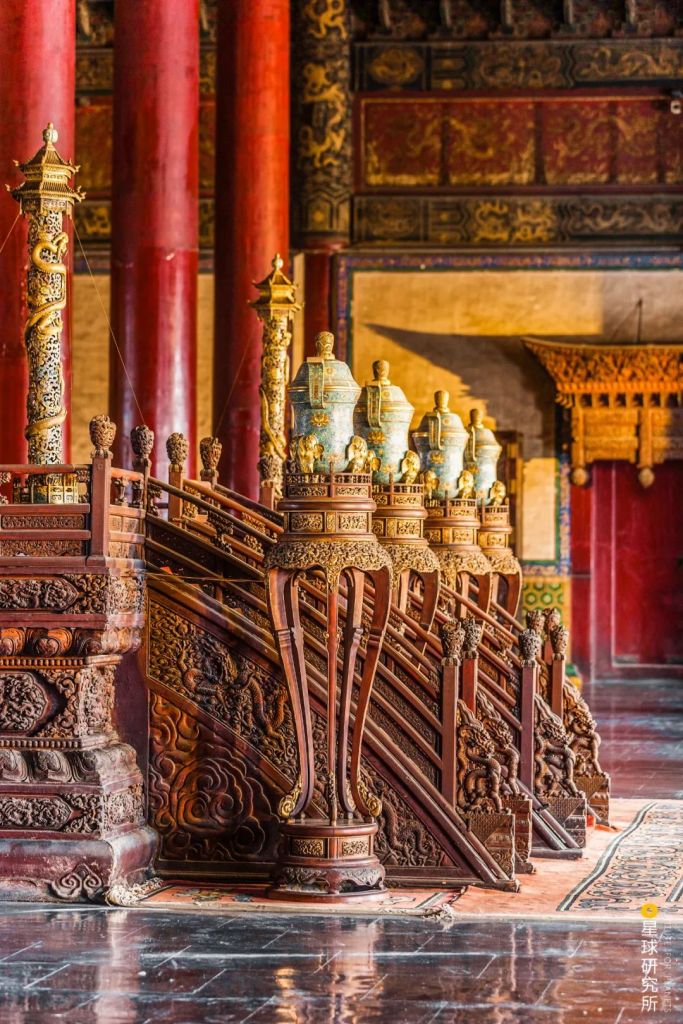
It is constructed with superlative configurations from head to toe. From the double-eave hip roof (重檐庑殿顶) to golden frame windows with matching golden locks (金扉金锁窗), floorings paved with golden bricks (金砖) and white marble sumeru pedestals decorating all three levels of the stone base (三层汉白玉须弥座), every piece of material used to build the solemn hall is radiating with imperial elegance and sumptuousness.

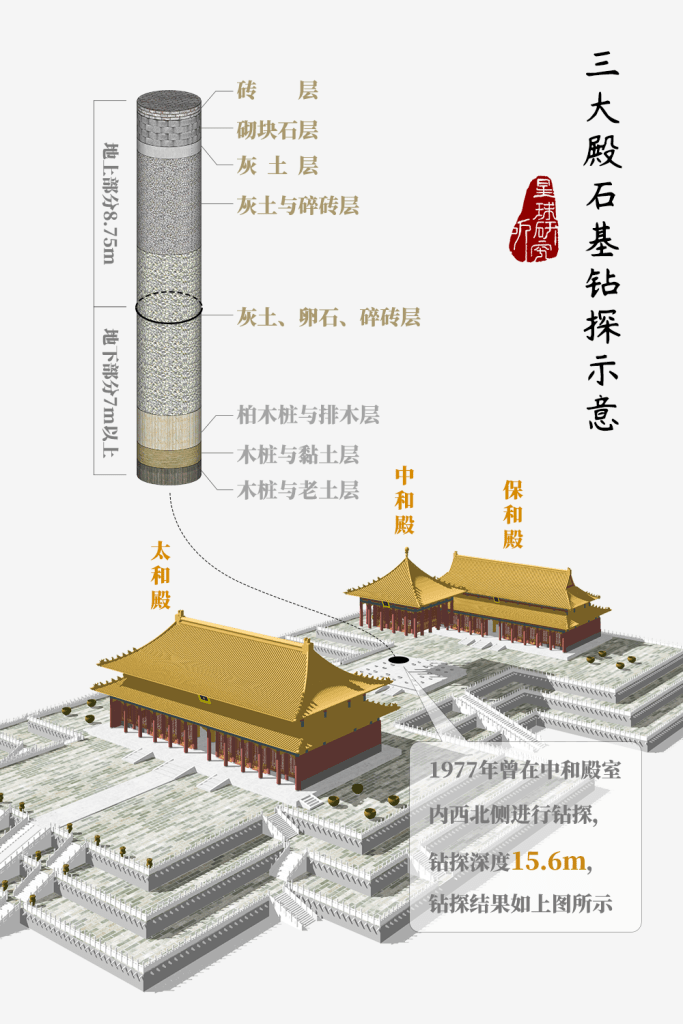
Prospective drilling (勘探) of the stone base of the three main halls
Prospective drilling was performed in 1977 within the Hall of Central Harmony; drilling depth was 15.6 metres
Above-ground portion (地上部分), underground portion (地下部分)
Brick layer (砖层), brick and stone layer (砖块石层), lime soil layer (灰土层), lime soil and brick pieces layer (灰土与碎砖层), lime soil, pebble and brick pieces layer (灰土、卵石、碎砖层)
Cypress pile and timber layer (柏木桩与排木层), stake and clay layer (木桩与黏土层), stake and old soil layer (木桩与老土层)
(diagram: 张靖, Institute for Planets)

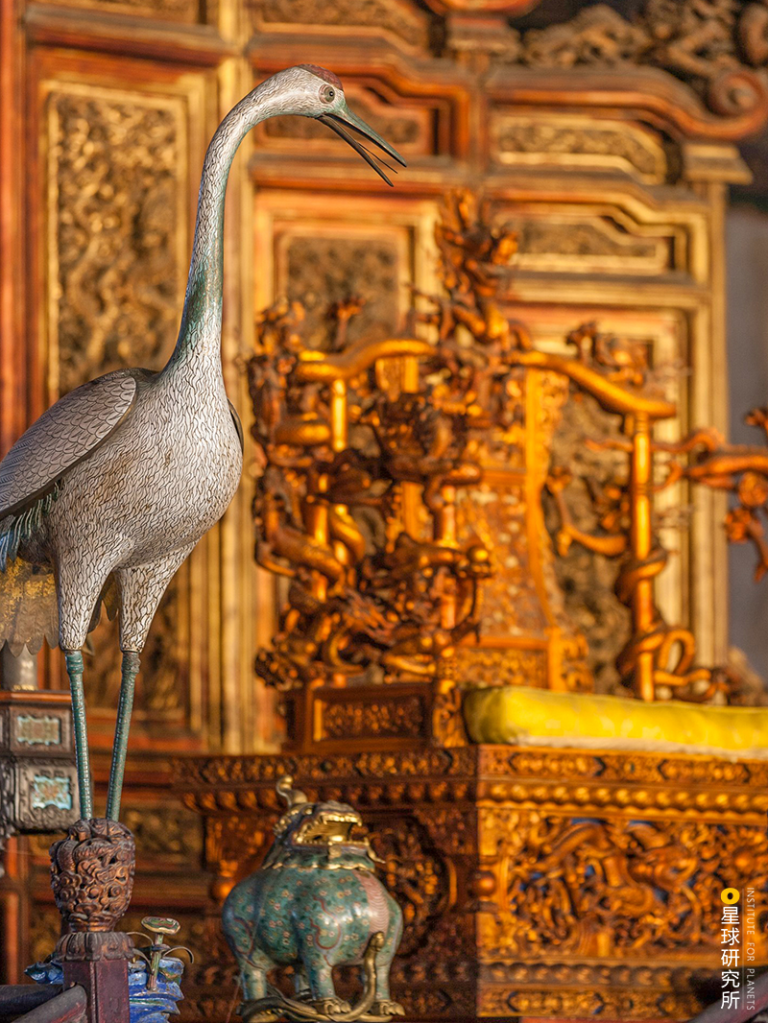
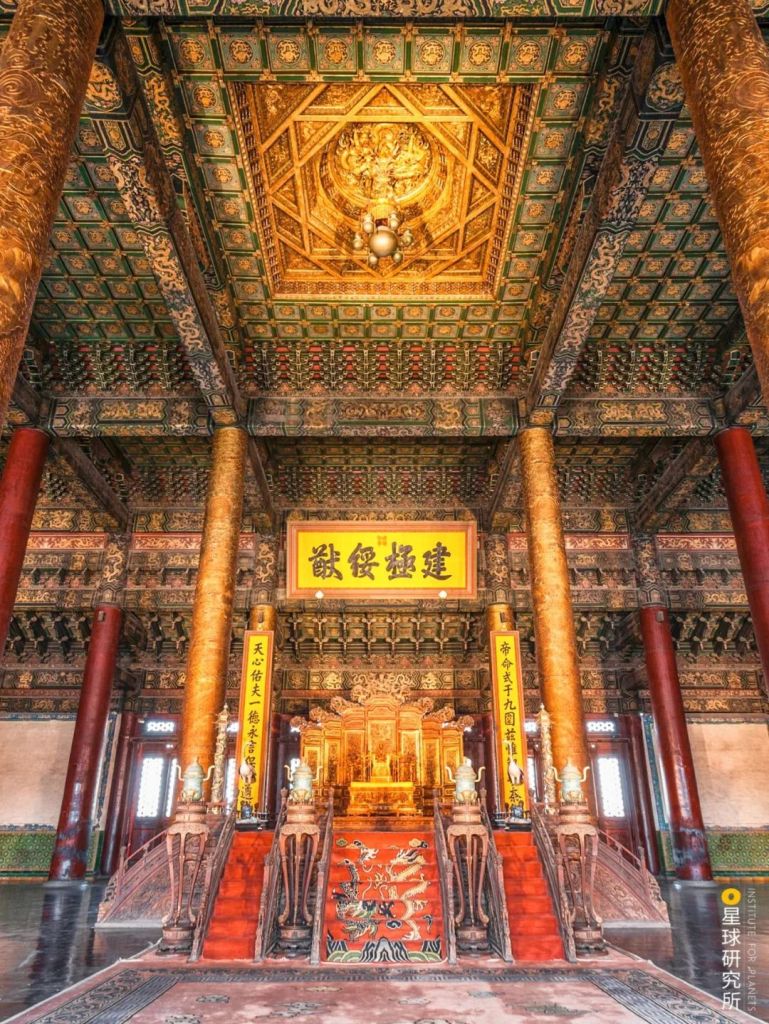
Interior decorations are equally extravagant. Crossbeams are adorned with hexi caihua (和玺彩画, also known as imperial-styled decorative painting) of golden dragons, and from the caisson right above the throne dangles a coiled dragon that shines in gold lacquer while holding pearls in its claws. Next to the throne are six dragons twining up the golden pillars and pointing their heads at the emperor’s seat.

Dragons are extensively used for decoration in the Forbidden City
(photo: 柳叶氘)

Dragons were regarded as the symbol of imperial power in ancient China. There are a total of 13433 dragons in the Hall of Supreme Harmony, all with the sole intention to project the indisputable authority of the emperor sitting on the throne – the one and only descendent of the dragon who rules with heaven’s mandate (真龙天子).

*The above data is based on《大紫禁城——王者的轴线》by 赵广超

Interior of Hall of Supreme Harmony
(photo: 柳叶氘)

The Hall of Central Harmony, second of the three main halls, distinguishes itself with the square planar structure. It fulfils the purpose of a transitional structure between the Halls of Supreme Harmony and Preserving Harmony while avoiding repetition in architectural design.

Hall of Central Harmony
(photo: 视觉中国)

Although the Hall of Preserving Harmony, last of the three main halls, also has a rectangular structure like the Hall of Supreme Harmony, its interior is much more spacious than the latter due to the omission of six pillars.

Architectural complex of the three main halls
Artist’s impression of the construction site for the complex
Elevation (海拔高度)
(diagram: 张靖, Institute for Planets)

Adjacent to the three main halls are the Hall of Literary Brilliance (文华殿) and Hall of Martial Valour (武英殿). Sitting to the left and right of the three main halls respectively (左文右武), they signify the literacy and martial ethics equally cherished by the emperor.

The Hall of Literary Brilliance was used as a study room for the crown prince and a reception for scholars during the Ming Dynasty. Later on in Qing Dynasty, the Belvedere of Literary Profundity (文渊阁) was completed as an extension of the hall, in which the the Complete Library of Four Branches of Literature (四库全书) would be kept.
The Hall of Martial Valour was once an esteemed cultural workshop for compiling and printing literature.

Both of these halls have only single-eave roofs, which are designed to flatter the majestic status of the three main halls in the centre.

Architectural complexes beside the three main halls
Hall of Literary Brilliance (文华殿), Hall of Martial Valour (武英殿)
(diagram: 张靖, Institute for Planets)

Standing behind the three main halls is the Gate of Heavenly Purity (乾清门), which marks the border between the Front Court and the Back Palace.

Are you ready for a tour in the Back Palace and a sneak peek into the private lives of Chinese emperors?

3. Back Palace

The core of the Back Palace is located behind the glass spirit screen (八字琉璃影壁) of the Gate of Heavenly Purity. It consists of the Palace of Heavenly Purity (乾清宫), Hall of Union and Peace (交泰殿) and Palace of Earthly Tranquility (坤宁宫). Collectively named the Back Three Palaces (后三宫), they are the corresponding architectural structures for the three main halls in the Front Court.

Gate of Heavenly Purity (乾清门) and Back Three Palaces (后三宫)
Palace of Heavenly Purity (乾清宫), Hall of Union and Peace (交泰殿), Palace of Earthly Tranquility (坤宁宫)
(diagram: 张靖, Institute for Planets)

The Palace of Heavenly Purity (Qianqing) and the Palace of Earthly Tranquility (Kunning) were the residence for the emperor and empress respectively. In ancient Chinese philosophy, ‘qian (乾)’ represents Yang and the Heaven, whereas ‘kun (坤)’ represents Yin and the Earth. The names of the three palaces imply the harmonious union between Yin and Yang, Heaven and Earth, as well as emperor and empress.

Apart from being a residence, the Palace of Heavenly Purity was also used as a temporary shelter for the bodies of deceased emperors prior to their burial. In addition, it was the arena of power handover, as emperors reigning after Emperor Kangxi followed the tradition of placing the name of the desired successor behind the plaque that reads ‘Be open and above board (正大光明)’ in the main hall of the palace.

Interior of Palace of Heavenly Purity
The plaque in the centre reads ‘Be open and above board (正大光明)’
(photo: 柳叶氘)

The Hall of Union and Peace behind it was where the emperor’s imperial jade seal was kept. Emperor Qianlong, who was very fond of seals, had a private collection of more than 1000 of them. The side chambers are now used to store timing and timekeeping instruments. These include the 6 metres tall Great Chiming Clock (大自鸣钟), the largest ancient clock in China.

The Palace of Earthly Tranquility was not only the empress’s bedroom suite during Ming Dynasty, but also the wedding chamber for emperors in Qing Dynasty. Emperors Kangxi, Tongzhi and Guanxu were all married here.

Wedding chamber in Palace of Earthly Tranquility
(photo: 柳叶氘)

It had also been repurposed for Shamanist ritual practices.

A space for ritual activities in Palace of Healthy Tranquility
(photo: 柳叶氘)

Encircling the Back Three Palaces in a rectangular quad are more than 40 peripheral rooms, including Hall of Consolidating Dignity (端凝殿) and Hall of Merit and Diligence (懋勤殿), which served as the emperor’s cloak room and study room respectively. There are also study room for princes (the Study, 上书房), office for chief eunuch (Office for Internal Affairs, 敬事房), Imperial Teahouse (御茶坊) which provided timely refreshments, and Imperial Pharmacy (御药房) where imperial physicians were stationed at all times.

Emperor Kangxi also established the Southern Study (南书房), where he would consult and discuss all matters with informed scholars on duty.

Architecture complex of Back Three Palaces
Palace of Heavenly Purity (乾清宫), Hall of Union and Peace (交泰殿), Palace of Earthly Tranquility (坤宁宫)
Gate of Heavenly Purity (乾清门), Gate of Earthly Tranquility (坤宁门)
The Study (上书房), Southern Study (南书房), Office for Internal Affairs (敬事房), Hall of Merit and Diligence (懋勤殿), Imperial Teahouse (御茶坊), Imperial Kitchen (御膳房), Imperial Pharmacy (御药房)
Chiming clocks (自鸣钟)
(diagram: 张靖, Institute for Planets)

This also provided precious opportunities for these scholars to make great leaps in their careers by impressing the emperor with their erudite talents. Renowned ministers and courtiers of Qing Dynasty, including Zhang Tingyu, Liu Tongxun and Liu Yong, were once officials working in the Study or the Southern Study.

Accompanying the Back Three Palaces on both sides are the Eastern (东六宫) and Western Six Palaces (西六宫) where the emperor’s concubines lived. Starting with a rather standardised configuration of gateways and front, peripheral and residence halls, builders basically copied and pasted this architectural unit 12 times to construct these palaces.

Eastern (东六宫) and Western Six Palaces (西六宫) and Imperial Garden (御花园)
Eastern Six Palaces: Palace of Prolonging Happiness (延禧宫), Palace of Great Benevolence (景仁宫), Palace of Eternal Harmony (永和宫), Palace of Celestial Favour (承乾宫), Palace of Great Brilliance (景阳宫), Palace of Accumulated Purity (钟粹宫)
Western Six Palaces: Palace of Beginning Auspiciousness (启祥宫), Palace of Eternal Longevity (永寿宫), Palace of Eternal Spring (长春宫), Palace of Earthly Honour (翊坤宫), Palace of Universal Happiness (咸福宫), Palace of Gathered Elegance (储秀宫)
(diagram: 张靖, Institute for Planets)

Princes on the other hand lived in the Five Residences of Eastern (乾东五所) and Western Heaven (乾西五所). These palaces and residences were constructed in a way such that all of them revolve closely around the Palace of Heavenly Purity, with the sole purpose of revering the majesty’s ultimate supremacy.

Eastern and Western Six Palaces
(photo: 马文晓)

While formalities and rules were strictly implemented in the Front Court, the emperor or any de facto ruler enjoyed much more freedom in the Back Palace. This was in part reflected by the constant changes in the buildings here, which were made based on personal preferences of those in power.

For instance, the religious Emperor Yongle of Ming instructed the construction of the Hall of Imperial Peace (钦安殿) in the Imperial Garden to enshrine the Emperor Zhenwu (真武大帝), a deity in Taoism.

Hall of Imperial Peace (钦安殿)
(photo: 柳叶氘)

At the same time, he built the Wudang Mountain Taoist Temple. Construction parts of the temple’s Golden Hall were manufactured in Beijing and assembled on the mountain. The two Taoist buildings more than 1000 kilometres apart could form close ties thereafter simply because of the religion of one emperor.

Golden Hall on the Wudang Mountain
(photo: 程境)

When Emperor Yongzheng of Qing grew tired of living in Palace of Heavenly Purity, he decided to move to the Hall of Mental Cultivation (养心殿) next to it. The front hall served as the emperor’s office while the back hall was where he slept. Hall of Mental Cultivation hence became an integrated residence consisting of both accommodation and office units.

Hall of Mental Cultivation
(photo: 柳叶氘)

Necessary imperial services and facilities certainly had to be arranged accordingly and relocated around it. These include the peripheral suites where the empress and concubines would serve the emperor in bed, Grand Council for handling political affairs as well as the Imperial Buttery for serving meals.

Room of the Three Rare Treasures (三希堂)
Emperor Qianlong’s private study
(photo: 视觉中国)

Emperor Qianlong of Qing was a particularly active builder in the Back Palace. To enjoy a more fulfilling life after ‘retirement’, he built a series of Retired Emperor’s Palaces (太上皇宫殿) in the eastern partition of the Back Palace, including the Hall of Imperial Supremacy (皇极殿), Palace of Tranquil Longevity (宁寿宫) and Qianlong Garden (乾隆花园).

The palace series also houses the Pavilion of Flowing Sound (畅音阁). It was the most advanced theatre at the time, capable of delivering stunning special effects such as having an actor descending from above to imitate an ‘arrival from heaven’ entry, or emerging from underground or a pool of water to dramatise the appearance of the character.

Pavilion of Flowing Sound
(photo: 视觉中国)

There is also the Pavilion for Appreciating the Spring Lustration (禊赏亭), where both elegant and popular literature were studied. The Spring Lustration Ceremony (修禊事也) mentioned in the Preface to the Poems Collected from the Orchid Pavilion (《兰亭集序》) was adapted into a winding stream party (流觞曲水) in this pavilion, where noble and scholarly participants drank and composed poems around the winding stream.

Pavilion for Appreciating the Spring Lustration
(photo: 柳叶氘)

Empress Dowager Cixi also left her mark here in the Forbidden City. To expand the Palace of Eternal Spring (长春宫) and Palace of Gathered Elegance (储秀宫), where she was living at the time and previously as a concubine respectively, she ordered builders to dismantle the Gate of Eternal Spring and Gate of Gathered Elegance and reconstruct them into Hall of Manifest Origin (体元殿) and Hall of Manifest Harmony (体和殿).

The relatively tolerant rules in the Back Palace were the main reason for the much richer and more diverse architectural styles here compared to those in the Front Court.

Buildings in the Inner Court (内廷)
Back Three Palaces (后三宫), Eastern Six Palaces (东六宫), Western Six Palaces (西六宫)
Garden of Tranquil Longevity (慈宁花园), Palace of Longevity and Health (寿康宫), Palace of Tranquil Longevity (慈宁宫), Palace of Peaceful Longevity (寿安宫), Pavilion of Raining Flowers (雨花阁), Hall of Exuberance (英华殿), Hall of Mental Cultivation (养心殿) Palace of Double Brilliance (重华宫), Pavilion of Propitious Clarity (漱芳斋), Hall of Abstinence (斋宫), Palace of Nurturing Joy (毓庆宫), Hall of Ancestral Worship (奉先殿), satin (缎库) and tea storages (茶库), Qianlong Garden (乾隆花园), Palace of Tranquil Longevity (宁寿宫), Well of Concubine Zhen (珍妃井) in View of Achievement Belvedere (符望阁), Pavilion of Flowing Sound (畅音阁)
Imperial Household Department (内务府), Office of Manufacture (造办处), Gate of Thriving Imperial Clan (隆宗门), Grand Council (军机处), Gate of Pleasant Fortune (景运门), Imperial Buttery (御茶膳房), Southern Three Residences (南三所)
(diagram: 张靖, Institute for Planets)

Together, the Front Court and Back Palace make up the two major partitions of the Forbidden City, which are surrounded by towering red walls. This city wall opens at four gateways, namely the Gates of Eastern Brilliance (东华门) and Western Brilliance (西华门), Meridian Gate (午门) and Gate of Divine Prowess (神武门). Corner towers are erected at the four corners of the city wall, where the roofs on all sides overlay on each other in a unique style that is rarely preserved today.

City wall, city wall gates and corner towers of Forbidden City
Meridian Gate (午门), Gate of Divine Prowess (神武门), Gate of Eastern (东华门) and Western Brilliance (西华门)
Southeast (东南角楼), Southwest (西南角楼), Northwest (西北角楼) and Northeast corner towers (东北角楼)
(diagram: 张靖, Institute for Planets)

Protecting the city wall is a 52 metres wide moat. The sand and earth dug out during the construction were piled up behind the Forbidden City which, after a series of restructuring, became the Hill of Scenic Beauty Park, also known as the Jingshan Park.

Hill of Scenic Beauty Park, or Jingshan Park
Pavilion of Embracing Prosperity (富揽亭), Pavilion of Collected Fragrance (辑芳亭), Beihai (literally Northern Sea, 北海), Pavilion of Ten Thousand Springs (万春亭), Pavilion of Wondrous View (观妙亭), Pavilion of Delightful Surroundings (周赏亭), Palace of Imperial Longevity (寿皇宫)
(photo: 马文晓)

When hiking the Hill of Scenic Beauty, one will always be stunned by the unique skyline looking at the Forbidden City — layers and layers of buildings covered in golden bricks, crimson wall paints, white marble stairs and glazed roof tiles, all seeping with imperial elegance. The Sea of Palaces really lives up to its name.

Overlooking the Forbidden City from Hill of Scenic Beauty Park
(photo: 柳叶氘)

4. Conclusion

From the Front Court to the Back Palace, the Forbidden Palace is split into two perfectly symmetrical partitions by a central axis that stretches a great distance.

Central axis of Beijing
(photo: 马文晓)

It penetrates the Hall of Supreme Harmony, Hall of Central Harmony, Hall of Preserving Harmony, Palace of Heavenly Purity, Palace of Earthly Tranquility, Hall of Union and Peace, Hall of Imperial Peace and Drum Tower.

It passes through the gates of Yongdingmen, Damingmen (renamed Daqingmen during Qing Dynasty), Chengtianmen (today’s Tiananmen), Duanmen, Wumen (Meridian Gate), Taihemen (Gate of Supreme Harmony), Qianqingmen (Gate of Heavenly Purity), Shenwumen (Gate of Divine Prowess) and Dianmen.

It runs through the Outer City, Inner City, Imperial City and the Forbidden City.

Central axis of Beijing
(photo: 马文晓)

From city planning to positioning of the emperor’s throne, every single building block in Beijing largely aligns to this central axis. This invisible line of symmetry is the backbone of China’s capital and the spiritual sustenance of the people living in it.

Distribution of imperial constructions in Beijing during Ming and Qing Dynasties
While most structures were renovated in Qing Dynasty, Ming buildings largely retain the configuration and architectural styles of the originals
(diagram: 张靖, Institute for Planets)

The central axis flows like a recounting melody celebrating the ancient capital’s long history. The main entrance of Outer City and the one-way passage through numerous narrow and heavily guarded gateways are merely the prelude and a brief transition. Only after these does the melody arrives at the real climax behind the Meridian Gate, which is the main entrance of Forbidden City. All this progression and building up serve only to bring out the supremacy of the sovereign who ruled by the Mandate of Heaven.

This Sea of Palaces was created with citadel planning ideals of Zhou, configuration blueprints of Yuan and architectural styles of Ming and Qing, and substantiated with thousands of palaces and halls.

Caisson of Pavilion of Thousand Autumns
(photo: 焦潇翔)

But the Forbidden City is much more than just a sea of palaces. It had been the imperial city for 6 centuries and a museum for more than 90 years. Over the years, the Forbidden City has slowly become a national treasury.

Out of more than 1.8 million pieces of relics kept in the Forbidden City Museum, almost 1.56 million pieces (approximately 86% of all relics) belong to the Qing Imperial Collection.

Scene of The Great Yu’s Flood Control Jade Boulder in the Forbidden City Museum
(photo: 柳叶氘)

The collection went through chaotic times in the last century. To avoid their encroachment and destruction during Japanese invasion, some of these relics were relocated to the south, while some of them were eventually transferred to Taiwan. Fortunately, the majority were recovered and returned to the Forbidden City in Beijing.

Since the establishment of New China, the Forbidden City Museum has continued to recover lost relics through various channels, including reallocation by the government and calling for donations. For instance, the Government Administration Council approved special funds in 1951 to bid back precious manuscripts and artworks, including the Mid-autumn Festival calligraphy model (《中秋帖》) by Wang Xianzhi of Jin, Letter to Boyuan calligraphy model (《伯远帖》) by Wang Xun of Jin, and The Night Revels of Han Xizai (《韩熙载夜宴图》).

The Night Revels of Han Xizai
(photo: Wikimedia Commons)

As of 2006, the Forbidden City Museum has bought back more than 50,000 relics and received more than 30,000 as donation, including Consoling Letter calligraphy model (《平复帖》) by Lu Ji of Western Jin and On the Terrace calligraphy model (《上阳台帖》) by Li Bai of Tang.

On the terrace
(photo: Wikimedia Commons)

Today, 41.98% of all the grade-one to three cultural relics kept by the National Cultural Heritage Administration are exhibited in the Forbidden City, transforming the latter into a Sea of Relics. Currently, the Forbidden City Museum is accommodating 50,000 visitors every day.

Incense burner made of gold and embedded jewels
Desktop incense burners were used to show elegance in ancient times
(photo: 柳叶氘)

What is the Forbidden City to us?

It is the imperial residence for 24 emperors in the past 600 years. It is the largest and best preserved palace complex in the world. It is also an exhibition gallery for more than 1.8 million pieces of precious relics.

Pavilion of Raining Flowers
(photo: 柳叶氘)

Every person has a different answer to this question.

To me, Forbidden City is a smear of vivid crimson.
It is not just a lofty palace, but also the originating stream of cultural heritage that flows in the blood of every Chinese person.

Emperors and generals, kings and ministers are but mere visitors; and dynasties shall all eventually perish. But the cultural heritage borne by the Forbidden City till this day shall be passed on for generations.

We have to understand it.
We need to discover it.
We should pass it on.

Because we are Chinese.


Production Team
Text: 李张子薇
Photos: 谢禹涵
Maps: 陈志浩
Design: 张靖
Review: 撸书猫、张靖
Feature photo: 李若渔

Expert review
Prof Jia Jun (School of Architecture, Tsinghua University)

References
[1] 于倬云. 紫禁城宫殿[M].人民美术出版社, 2013.
[2] 阎崇年. 大故宫[M]. 长江文艺出版社, 2012.
[3] 赵广超. 大紫禁城——王者的轴线[M]. 紫禁城出版社, 2008.
[4] 周苏琴. 建筑紫禁城[M]. 故宫出版社, 2014.

… The End …

Institute for Planets
星球研究所
一群国家地理控,专注于探索极致风光
BeiDou: Navigating by the Stars

Original piece: 《为全球导航,中国如何做到的?》
Produced by Institute for Planets (星球研究所)
Written by 艾蓝星
Translated by Kelvin Kwok

Posted with permission from Institute for Planets

Two decades of setting up the celestial chessboard

Translator’s comment:
China’s navigation system, BeiDou (literally ‘Northern Dipper’), was named after the seven brightest stars (also known as the Big Dipper asterism)
of the Ursa Major constellation, which have long been used for navigation since antiquity by the Chinese civilisation. ‘BeiDou’ therefore serves as the perfect metaphoric name for the modern navigation system.

On 23 June 2020, the Long March rocket soared into the sky from the Xichang Satellite Launch Centre, carrying with it the very last satellite of the BeiDou navigation system.

The last satellite of the BeiDou-3 system was launched at 09:43 on 23June 2020
(photo: 南勇)

The satellite will reach its designated orbit located at approximately 36,000 kilometres above Earth’s equator, marking the completion of China’s BeiDou Satellite Navigation System. This comprehensive system is comprised of 46 satellites orbiting around Earth at all times, with more than 2700 base stations scattered across the country providing a blanketing navigation coverage.

Fully operational Beidou Navigation System
It consists of 16 BeiDou-2 and 30 BeiDou-3 satellites
(diagram: 郑伯容, Institute for Planets)

This was an arduous project involving a total of more than 80,000 staff and 300 research and development units, whom together spent more than 20 years to realise their shared dream.

Long March 3B, loaded with the 39th and 40th BeiDou satellites, waiting to be launched
As the only launch system for BeiDou satellites, Long March rockets have accomplished 44 missions over the past 20 years.
(photo: 史悦)

It is also a vital project. Today, the navigation system is widely used in almost all sectors, including power supply, finance, communication, transportation, agriculture, surveying and even disaster relief. With BeiDou in place, China shall become totally independent of the Global Positioning System (GPS) owned by the United States.

Beijing-Zhangjiakou High-speed Railway crossing a river
A one-time braking command can achieve a stopping margin of less than 10 cm for a high-speed train travelling at 350 km/h
(photo: 赵斌)

BeiDou also allows precision guidance for missiles, which is the basis for a dependable national defence.

Julang-2 formation in the military parade for the 70th anniversary of the founding of People’s Republic of China on 1 October 2019
(photo: 人民视觉)

Capable of providing global coverage, BeiDou is now one of the four major global navigation satellite systems (GNSS) in operation, standing in line with United States’ Global Positioning System (GPS), Russia’s Global’naya Navigatsionnaya Sputnikovaya Sistema (GLONASS) and European Union’s Galileo.

Forging away for 20 years, how did China build the BeiDou Navigation System?

1. Satellite Navigation

To determine our location, we need at least 3 satellites.

Each of these satellites constantly emits signals in the form of electromagnetic waves, which are captured by receivers on our navigation equipments on Earth. While electromagnetic waves travel at the speed of light (3×10⁸ m/s), over a vast distance there will still be a time delay between the emission and reception of the signals. Simply multiply this time lag by the speed of light will conveniently inform us about the distance between ourselves and the satellite.

When there is only one satellite, our distance from it becomes the radius of an imaginary sphere with the satellite in the centre. Our position could be any point on the spherical surface.

Spherical surface – our position as determined by one satellite (卫星)
Radius (半径)
(diagram: 郑伯容, Institute for Planets)

Add one satellite and we have two imaginary spheres. They overlap and form a circular intersection. In this case, the entire circumference of the intersection could be our possible position.

Circumference – our position as determined by two satellites
Circular intersection (相交圈)
(diagram: 郑伯容, Institute for Planets)

If all three satellites are present, the intersection of the spheres becomes two exact points – A and B, and we could be located at either one of them.

Two exact points – our position as determined by three satellites
(diagram: 郑伯容, Institute for Planets)

Of the two points here, only B is located on the ground surface and hence indicates our exact position on Earth.

There is only one intersection point with the ground surface of Earth
(diagram: 郑伯容, Institute for Planets)

This is the trilateration method, the fundamental principle of satellite navigation.

In reality, deviations in time measurement may arise among the satellites, and hence a fourth satellite is needed to overcome this problem. And to ensure that we can always receive signals from at least 4 satellites, we need far more of them orbiting around Earth. For instance, both GPS and GLONASS are operating with more than 24 satellites.

Positioning by GPS
There are usually more than four satellites orbiting above a specified position at any given time
Orange lines/dots: receivers and visible satellites
Image source: Wikipedia
(diagram: 郑伯容, Institute for Planets)

Unfortunately, China in the 1990s was still lagging behind in aerospace and navigation technologies, and to send similarly large constellation of navigation satellites into orbits within a short timeframe was essentially an impossible task.

Is it possible at all to achieve positioning using minimal number of satellites?

2. A Humble Beginning

You guessed it.

It was a bold proposal.
Conceived by Chen Fangyun, a renowned electronics expert and an awardee of the Two Bombs and One Satellite Merit Award, the proposed navigation system, also known as radio determination satellite service (RDSS), would rely on only two satellites.

The ingenuity in this two-satellite system lies in the establishment of a ground station, which acts as a ‘brain’ on Earth. Using this ground station, engineers are able to simulate the third imaginary sphere on the ground surface, and in turn determine the receiver’s location at the intersection with the other two satellite spheres.

Positioning by radio determination satellite service (双星定位)
The ground station is equipped with incredible computing power, and is capable of providing data on receivers including altitude
(diagram: 郑伯容, Institute for Planets)

To guarantee persistent signal coverage, the two satellites operate at the stationary orbit, which is 35,786 kilometres above the ground. There they travel at the same speed as Earth’s rotation, hence always hovering above the same area on ground surface.

Geostationary orbit (地球静止轨道)
Orbit altitude (轨道高度), plane of orbit (轨道平面)
(diagram: 郑伯容, Institute for Planets)

Since 1994 when the project officially commenced, it took more than 6 years of research and development before the two BeiDou satellites were sent into their orbits in 2000. From then on, a two-satellite navigation system was no longer just an idea.

This is the BeiDou-1 navigation system.
Its signal essentially covers the entire Chinese territory.

Coverage of BeiDou-1
Covered area is from longitude 70°E-145°E and latitude 5°N-55°N
(diagram: 王朝阳&郑伯容, Institute for Planets)

Not only can users receive positioning information from BeiDou-1, but also send out text messages. A two-way communication is critically important for seeking rescue or providing assistance in times of disasters. On the contrary, the GPS is unable to provide such service since it only allows one-way communication like a radio.

A rescue team operating during the 2008 Sichuan earthquake
Being able to receive positioning information and send out text messages is advantageous especially during disasters like earthquakes or emergencies in remote areas or far oceans
(photo: 贾君洋)

This two-way communication was the first of its kind in the world. Bradford Parkinson, widely regarded as the Father of GPS, also acknowledged this unique design for providing a ‘wonderful experience of knowing where you are, as well as anyone else‘.

However, as an experimental navigation system, BeiDou-1 is not without a list of shortcomings. It has a positioning accuracy of 20-100 metres and a timing accuracy of 20-100 nanoseconds. This is far inferior to GPS back then, which was able to achieve 10 metres and 20 nanoseconds accuracy. Moreover, BeiDou-1 can merely support 150 users at once, and only provides a very limited signal coverage.

While the text messaging function is helpful, it involves cumbersome procedures, and the signal can easily be intercepted. This can potentially lead to approximately 1 second of time delay in positioning as well as unintended exposure of the user’s position, thus is certainly unacceptable for fast-moving objects such as aeroplanes and missiles, and for highly classified military missions.

Comparison of BeiDou-1 and GPS positioning
BeiDou-1 (北斗一号卫星), ground station (地面控制中心), user (用户)
(diagram: 郑伯容, Institute for Planets)

Nonetheless, BeiDou-1 turned a new page for China’s navigation system albeit only performing rather simplistic functions. After the initial humble steps, what is waiting ahead for BeiDou?

3. Overcoming Hurdles

The Xichang Satellite Launch Centre has been kept busy since 2010, and within 3 years, a total of 14 satellites were sent up to space right here: 5 of them in 2010, 3 in 2011 and 6 in 2012.

The two launch towers and an operating rocket transport locomotive at Xichang Satellite Launch Centre
Two BeiDou-2 satellites were launched in 2007 and 2009
(photo: 余明)

And on the ground, engineers wasted no time to set up supporting systems including data processing and control units. Calibrations between the satellites and ground stations were done simultaneously. The end of 2012 was approaching when the BeiDou-2 navigation system was finally completed.

BeiDou-2 (北斗二号) in operation
Inclined geosychronous orbit, IGSO (倾斜地球同步轨道); geosynchronous equatorial orbit, GEO (地球静止轨道); medium Earth orbit, MEO (中圆轨道)
(diagram: 郑伯容, Institute for Planets)

Compared to BeiDou-1, it has a much wider signal coverage that reaches most of Asia-Pacific. Positioning accuracy has also been improved from 20 metres to 10 metres, while timing accuracy has reached 10 nanoseconds.

Coverage of BeiDou-2
Covered area is from longitude 70°E-150°E and latitude 55°S-55°N
(diagram: 王朝阳&郑伯容, Institute for Planets)

BeiDou-2 also inherited the two-way communication feature from BeiDou-1. With a wider signal coverage, it is able to provide assistance to even more people who are in need.

Sindhupalchok District, Nepal, after the 2015 earthquake
After the magnitude 8.1 earthquake on 25 April 2015, BeiDou-2 was employed to assist in search and rescue
(photo: 人民视觉)

Upgrading the BeiDou navigation system was not an easy task, as there were major technological hurdles lying in front of scientists.

And here comes the first challenge: configuration for the satellite constellation.

The best orbit for navigation satellite is the medium Earth orbit (MEO) that occupies space at around 20,000 kilometres. Because of the superior global coverage it can offer, other major systems including the GPS are all operating in this orbit.

Satellites operating at different orbits
Low Earth orbit, LEO (近地轨道); medium Earth orbit, MEO (中地球轨道); geosynchronous equatorial orbit, GEO (地球静止轨道)
GPS, GLONASS (格洛纳斯系统), Galileo (伽利略系统), Dongfanghong-I, II, III (东方红一/二/三号), Fengyun-I (风云一号)
(diagram: 陈思琦&陈随, Institute for Planets)

However, satellites in the MEO fly past target regions on Earth relatively quickly. To maintain a steady coverage for these regions, a lot of satellites are needed in the orbit. Since the technology of launching satellites into MEO was still not ready in China then, it would be too risky to send all the satellites into this orbit.

Instead, Chinese engineers took another approach and created a mixed-orbit constellation of 14 satellites that are distributed in three different orbits. Apart from the 4 MEO satellites, there are also 5 IGSO satellites that guarantee prolonged coverage and 5 GEO satellites providing complete coverage for Asia-Pacific.

The three orbits utilised by BeiDou-2 (北斗二号)
The orbit cycle and altitude of IGSO satellites are the same as GEO satellites
China was the first to use IGSO satellites for navigation
(diagram: 郑伯容, Institute for Planets)

Now moving on to the next challenge in line: positioning accuracy.

Since electromagnetic signals travel at the speed of light, a clock error of merely 1 nanosecond (1 billionth of a second) can result in a distance error of 0.3 metre. The positioning accuracy of a navigation system therefore depends heavily on the accuracy of onboard atomic clocks, as well as time synchronisation between the satellites, ground station and the user.

Commonly used space-borne atomic clock requires an accuracy of 1 part in 1013, that is an error of 1 second every 100,000 years. Back then when BeiDou-2 was under construction, such technology was possessed only by the United States, Russia and Switzerland.

Artistic render of a GPS satellite
(photo: NASA)

The atomic clock on BeiDou-1 was imported from Switzerland, but the agreement to import more atomic clocks for BeiDou-2 was interrupted and eventually called off. Left with no choice, Chinese scientists had to race against time and start developing their own atomic clock.

Engineers performing tests on equipments at the China Academy of Space Technology
Satellites and launch vehicles of the BeiDou system were developed by China Academy of Space Technology and China Academy of Launch Vehicle Technology respectively; both are subordinate bodies of the larger China Aerospace Science and Technology Corporation
(photo: 苟秉宸)

This was an urgent task because of yet another challenge: launch period.

According to the regulatory framework of the International Telecommunication Union, application for satellite orbit and frequency band assignment must be submitted beforehand, and once approved, the satellite must be brought into full operation within 7 years, otherwise the assignment will be retracted.

China received the application approval for BeiDou-2 on 18 April 2000. This meant that in the coming 7 years, scientists could not afford even one major hiccup.

Installation of payload fairing after the satellite-rocket docking
Stretching at the edges of the image is due to wide-angle shooting
(photo: 南勇)

They worked around the clock, performing all sorts of experiments and troubleshooting. Thanks to their dedication, all the necessary technologies for satellite launching and atomic clock operation were mastered within 7 years and 2 years respectively. More impressively, they managed to spot a last-minute unexpected failure before launching, retrieved the satellite, debugged and reinstalled it back on the rocket, all done within 10 days or so.

Scientists examining the faulty rocket engine
Second from the right is Sun Jiadong, the chief designer of BeiDou-1 and 2, also a member of the International Academy of Astronautics and Chinese Academy of Sciences
(photo: 南勇)

It was only 4 hours away from the retraction deadline for the orbit assignment when scientists finally started receiving signals from BeiDou-2 at 8 pm on 17 April 2007.

After enduring years of pioneering hardship and breaking through the technological blockade, China finally built her own satellite navigation system that covers the entire Asia-Pacific. She was just one step away from achieving global coverage.

4. Navigation dragnet

This final step was a comprehensive upgrade of the previous systems.

BeiDou-3 satellites have a service life of 10 years, which is 2 years longer than their predecessors. All of their components are domestically designed and manufactured. Notably, after years of continuous advancement in atomic clock technology, these clocks can now operate at an uncertainty of 1 second every 10 million years.

Besides, rocket technology was no longer a limitation for Chinese engineers in recent years, and ‘launching two satellites with one rocket’ was almost a routine:
2017 – 2 satellites launched with 1 rocket
2018 – 17 satellites launched with 9 rockets
2019 – 8 satellites launched with 6 rockets
2020 – 3 satellites launched with 3 rockets

The BeiDou-3 satellite constellation was completed at an unprecedented speed, where 30 satellites were launched into orbit within less than 3 years.

The last satellite of BeiDou-3 was launched on 23 June 2020
(photo: 史悦)

Today in space, there are 3 GEO satellites orbiting above the equator, 3 IGSO satellites providing stable coverage for Asia-Pacific and 24 MEO satellites revolving nonstop around Earth. Together they form an enormous constellation spread out in space like a colossal net of the heavens.

The dream of having a navigation system with global coverage has finally come true. From now on, be it daytime or midnight, and no matter where you are on Earth, just look up into the sky and you will see 5 to 6 BeiDou-3 satellites above your head.

BeiDou-3 (北斗三号) in operation
(diagram: 郑伯容, Institute for Planets)

But something is still lacking in BeiDou-3 so far.

When satellites fly past and away from Chinese territories, there is no way to ensure their smooth operation within the designated orbit without coordination by the ground station. Therefore, scientists started constructing inter-satellite links, which are communication bridges among satellites that allow mutual supervision and unmanned maintenance of constellation configuration.
This largely reduces the reliance of the BeiDou-3 system on ground stations. Even if all control units on Earth break down, the constellation can still operate autonomously for up to 60 days.

Inter-satellite links (星间链路)
Data transfer (信号传输)
(diagram: 郑伯容, Institute for Planets)

On the ground surface, more than 2700 reference stations and several data processing units are dotted across the vast land of China, forming an elaborate data network that supplements the navigation system with additional ground information, especially when satellite signals are hindered or reflected by terrains or constructions. This supportive system is known as continuously operating reference stations (CORS).

Distribution of frame network ground stations (框架网基准站)
The CORS (地基增强系统) system in BeiDou consists of frame network and regional enhanced density network (区域加强密度网); there are 155 ground stations for the former, and more than 2700 for the latter
(diagram: 王朝阳&郑伯容, Institute for Planets)

Further adjustments and data processing provided by CORS minimise positioning error in the BeiDou navigation system. Accuracy gradually comes down to metre- and decimetre-level, and in some cases even centimetre- or millimetre-level.

This level of accuracy makes it possible to build an electronic fence to make sure all the shared-use bicycles are docked within a specified parking lot.

Temporary dock for shared-use bicycles in Xiangyang, Hubei
(photo: VCG)

It also allows synchronised marches for various formations and flight echelons in a military parade with a distance error of less than 10 centimetres.

A flight echelon performing during rehearsal for military parade on 23 September 2019
(photo: 拾城 田卫涛)

And helps monitor any deformation in large constructions such as dams and bridges.

On the right is the Xiluodu Dam, China’s second largest hydroelectric power plant
There are currently more than 150 monitor units stationed on the slopes on both sides of the dam; they constantly deliver millimetre-level data and report any hidden risk in the dam structure
(photo: 柴峻峰)

Mobile phone chips capable of receiving signals from Beidou are already available commercially. As of Q3 2019, there were almost 300 registered mobile phone models supporting BeiDou navigation system out of a total of little more than 400 models.

A driver using mobile phone navigation
(photo: 任炳旭)

These chips can also be installed in vehicles for transportation. By December 2019, more than 6.5 million commercial vehicles, 40,000 postal and express delivery vehicles, 3200 inland river navigation facilities and 2900 maritime navigation systems were equipped with BeiDou navigation system, making it the largest dynamic surveillance system for commercial vehicles and ships.

A bus crossing a viaduct next to Niujiaotuo light rail station in Chongqing
(photo: 拾城 崔力)

With a dragnet blanketing from space and spreading on the ground, the BeiDou navigation system has now evolved into its ultimate form as BeiDou-3.

5. A 20-year Journey with BeiDou

It took exactly 20 years since the launching of the first BeiDou-1 satellite in 2000 before the last BeiDou-3 satellite flew into orbit in 2020.

For two whole decades, Chinese scientists made the stand and overcame all the hurdles. They took prudent yet progressive steps in developing BeiDou, and fulfilled their bold promise to guide the way first for China, then for Asia-Pacific, and finally for the world.

Today, China celebrates the long-waited completion of her own navigation system. She maintains that BeiDou be open to the whole world, and be integrated in everyday life of more than 7 billion people.

Power transmission towers scattered across the rolling mountains
Power transmission lines are equipped with cable fault indicators using BeiDou positioning; this accurately locates the faulty site and allows prompt troubleshooting and repair, thereby minimising power stoppage
(photo: 邱会宁)

Under the wise gaze of BeiDou, pollutants skulking in the air will be constantly monitored by environmental surveillance system.

Factory chimneys releasing exhaust gas
BeiDou can collect real-time data from atmospheric pollutant monitoring station and communicate the information with the surveillance centre
(photo: 邱会宁)

In the farms, BeiDou can cooperate with agricultural machineries to provide real-time information on cultivation depth and line spacing, which can improve work efficiency by 50% and the yield by 5-8%.

A BeiDou-guided planter machine working in a farm in Jilin
(photo: 邱会宁)

And at the border, particularly among harsh terrains such as mountains and valleys or thick forests, where signal coverage for ordinary communication is lacking, border guards can now deliver vital information in a timely manner with the help of BeiDou.

Border guards on patrol
Positioning and communication functions of BeiDou becomes indispensable in regions where base stations for ordinary communication have no coverage
(photo: 李含军)

But even all these are still far from the true potential of the BeiDou navigation system. As Sun Jiadong, the Father of China’s Satellite and chief designer of BeiDou-1 and 2, had commented:

The key objective of BeiDou is none other than its utilisation. Only when it is more widely used, and its full potential realised, can we say the project has succeeded.

我们建设北斗关键还是在用,只有用得更加普及,更加深入,这才是赢家。

Indeed, the complete configuration of the celestial chessboard merely marks the very beginning of the BeiDou era. Now that BeiDou has finally come out from the Chinese dream into reality, it will embark on the great mission, and serve mankind in every single day that is to come.

Production Team
Text: 艾蓝星
Editing: 桢公子
Photos: 任炳旭
Design: 郑伯容,陈随
Maps: 郑伯容,陈随
Review: 黄超,王朝阳

Expert review
Dr Luo Haiyong (Institute of Computing Technology, Chinese Academy of Sciences)

Acknowledgements
We would like to express our gratitude to Liu Yuncao from the School of Economics and Management, Tsinghua University, for the immense support during the production of this piece.

References
[1]中国卫星导航系统管理办公室. 北斗卫星导航系统发展报告(4.0版), 2019.
[2]中国卫星导航系统管理办公室. 北斗卫星导航系统应用案例, 2018.
[3]谢军,王海红等. 卫星导航技术[M]. 北京理工大学出版社, 2018.
[4]田建波,陈刚. 北斗导航定位技术及其应用[M]. 中国地质大学出版社, 2017.
[5]刘天雄. 卫星导航系统概论[M]. 中国宇航出版社, 2018.
[6]袁树友. 下安物望-北斗应用100例[M]. 解放军出版社, 2017.
[7]王金锋. 空中指南-中国成功发射系列导航卫星[M]. 吉林出版集团, 2009.
[8]《开讲啦:北斗系统总设计师杨长风》,2017.

… The End …

Institute for Planets
星球研究所
一群国家地理控,专注于探索极致风光
A Brief History of China’s Railroad

Original piece: 《…况且况且况且况且…》
Produced by Institute for Planets (星球研究所)
Written by 桢公子
Translated by Kelvin Kwo
k
Posted with permission from Institute for Planets

China’s Bones of Steel
Dedicated to all those who are on their journey home

Translator’s comment:
The original title in Chinese is pronounced as ‘…kuangqie-kuangqie-kuangqie-kuangqie…’, which is an onomatopoeia for the running wheels of Chinese trains from the previous generation. It is a characteristic rumble that resonates with the bittersweet memories in all those who have witnessed the rise and fall of the preceding railroad dynasty in China.

The Spring Festival travel season in 2019 started on the 21 January.
This day marked the beginning of another year of the great migration in China.

In the following 40 days, buses, trains, ferries and air flights across the country would accommodate a staggering passenger volume of up to 2.99 billion, which is equivalent to transporting 40% of the population on Earth within a month or so. The scale of this Chinese migration is unrivalled in the whole world.

Trains ready to embark in the Guangzhou South Electric Multiple Unit (EMU) Depot during Spring Festival travel season in 2019
(photo: 毕加思索)

An indispensable component of public transport in China is the railroad system. Stretching from inland to the coast, venturing deserts and jungles, and shuttling between cities and rural villages, it forms an elaborate network of steel skeleton that reaches almost everywhere in the country. Throughout the Spring Festival travel season, there would be approximately 4800 pairs of trains speeding back and forth, tirelessly escorting waves of passengers to their destinations thousands of miles away.

Intertwined railroads in Guangzhou
(photo: 毕加思索)

How did China grow her bones of steel as it is today?

This is not something that can be explained in a few words. To get a glimpse of China’s struggles in railroad development, one has to go all the way back in time. It all started slightly more than 140 years ago, when the Chinese railroad was still a blank canvas…

1. The First Network

In 1878, when the total railroad mileage around the world had already exceeded 200,000 kilometres, the Qing government decided to dismantle the Woosong Railway which was surreptitiously built by the British. China’s railroad mileage fell right back to zero.

But no one can refuse the unstoppable course of time, not even the Great Qing.
Because of the increasing demand for coal, the Qing government had no choice but to pay for the construction of the 9.3 kilometres long Kaiping Colliery Tramway, just 4 years after the dismantling of Woosong Railway.

This first railway in China represents the shabby starting point for the country’s railroad development.

The original Kaiping Colliery Tramway is now part of the Qiluan Railway
(photo: 樱花下的新幹线)

After the utter defeat of the Qing government in the First Sino-Japanese War, Western powers wasted no time to grab hold of the rich resources and military benefits in China by building numerous railroads on the Chinese territories through cession and loans.

The Chinese Eastern Railway built by the Russian Empire in 1903 stretched from Manzhouli in the west to Suifenhe in the east. With branches reaching Harbin, Shenyang and Dalian, the entire railway spanned more than 2400 kilometres.

An international train entering Russia via Suifenhe
(photo: 李睿)

These two railways traverse the northeast plains perpendicularly like a ‘T’.

Harbin-Dalian Railway, the vertical railway in the ‘T’
(photo: 房星州)

The old Kaiping Colliery Tramway was also constantly expanding. Starting off with merely 9.3 kilometres, it eventually extended beyond 1000 kilometres in total, connecting the Zhengyangmen (or ‘gate of the zenith sun’) in Beijing and Shenyang, which are separated by the Shanhai Pass. It became part of the old Beijing-Harbin Railway.

Beijing-Tongzhou Section of the new Beijing-Harbin Railway
The new route no longer runs through Tianjin and the Kaiping Colliery Tramway, but instead goes past Tongzhou, Lanwopu and Luan County before finally arriving at Qinhuangdao; this section is also know as the Beijing-Qinhuangdao Railway
(photo: 李睿)

Building on the framework of the Chinese Eastern Railway and old Beijing-Harbin Railway, the railroad network spread out gradually in the northeast. By the late Republic era, this network accounted for 40% of the total mileage in China. It not only prepared the region for the upcoming rapid industrialisation, but also laid the important groundwork for the Jing-Jin-Ji-Northeast Corridor today.

Jing-Jin-Ji-Northeast Corridor (京津冀至东北通道)
Manzhouli (满洲里), Qiqihar (齐齐哈尔), Harbin (哈尔滨), Suifenhe (绥芬河), Changchun (长春), Siping (四平), Tongliao (通辽), Shenyang (沈阳), Dalian (大连), Qinhuangdao (秦皇岛), Tangshan (唐山), Beijing (北京), Tianjin (天津), Ulanqab (乌兰察布)
Taiyuan (太原), Shijiazhuang (石家庄), Jinan (济南), Zhengzhou (郑州)
(diagram: 张靖, Institute for Planets)

Southern cities like Shanghai, Wuhan and Guangzhou, which are all nurtured by rivers and embraced by the sea. Before the capital city was relocated to Nanjing by the Republic government, they were already prospering with their established shipping and trading industries. In contrast to the rising stars in the south, key neighbours of Beijing, the capital city then, were dully stuck in the far north. Thus, railroads were assigned the glorious mission to link up all the major cities across the country.

This prompted the completion of the Shanghai-Nanjing Railway and Tianjin-Pukou Railway in East China, which connect Nanjing with Shanghai and Tianjin respectively.

Shanghai-Nanjing Railway running on the centre track
(photo: 姜南)

And in Central and South China, the Beijing-Hankou Railway, as well as the Yuehan Railway running between Guangzhou and Wuchang, formed the preliminary railroad system that bridges the north and the south.

A train running across the vast farmlands in Hebei on the Beijing-Wuhan section
(photo: 石耀臣)

The Yuehan Railway was completed in 1936 amid the raging wars and extreme shortages of resources. But in order to maintain the logistic support and development behind the frontline, the construction had to go on despite the displacement of large crowds of civilians.

Also completed around the same period was the Hunan-Guangxi Railway, which branched out next to the Yuenhan Railway to connect the two provinces in the south.

Pingxiang-Nanning section of the Hunan-Guangxi Railway
(photo: 蓝染天际)

However, there was one issue with the two railways connecting the north and south — the Yangtze River, which mercilessly cuts both of them into half. With the track separated by the natural moat, trains had to rely on ferries to reach the other side of the water.

Train ferries
This ferry operates on the Xinyi-Changxing Railway
(photo: 杨诚)

It was not until after the completion of the Wuhan Yangtze River Bridge and Nanjing Yangtze River Bridge, when the famous Beijing-Guangzhou Railway and Beijing-Shanghai Railway could finally run uninterrupted across the grand river.

The Wuhan Yangtze River Bridge completed in 1957 is a road-rail bridge
(photo: 徐晨宇)

It was several decades later when the third railway connecting the north and south was completed. Shuttling between Beijing and Kowloon, Hong Kong, this railway was built almost in perfect parallel with the Beijing-Guangzhou Railway, but lacks all the bustle and hustle throughout its journey, as it passes through only one provincial capital city (Nanchang). This is the Beijing-Kowloon Railway.

Beijing-Kowloon Railway running on the Jiujiang Yangtze River Bridge
(photo: 王璐)

Together, the Beijing-Shanghai, Beijing-Guangzhou and Beijing-Kowloon Railways have become the major backbone for transportation between the Jing-Jin-Ji Metropolitan Region and the Yangtze and Pearl River Deltas.

Major routes between Jing-Jin-Ji Metropolitan Region, Yangtze Delta and Pearl River Delta
Beijing (北京), Tianjin (天津), Jinan (济南), Xuzhou (徐州), Nanjing (南京), Shanghai (上海)
Fuyang (阜阳), Hefei (合肥), Hangzhou (杭州), Wenzhou (温州), Nanchang (南昌), Shenzhen (深圳), Hong Kong (香港)
Shijiazhuang (石家庄), Zhengzhou (郑州), Wuhan (武汉), Changsha (长沙), Hengyang (衡阳), Guangzhou (广州), Macau (澳门)
Datong (大同), Taiyuan (太原), Jiaozuo (焦作), Shimen (石门), Yongzhou (永州), Liuzhou (柳州), Nanning (南宁), Pingxiang (凭祥), Zhanjiang (湛江), Haikou (海口), Sanya (三亚)
(diagram: 张靖, Institute for Planets)

Wars and political turmoil that lasted for almost a century finally died down with the establishment of New China. In a completely devastated and dirt poor country, rebuilding the economy and consolidating national defence were the top priorities. Hence, even the extreme shortage of capital and lack of technology did not stop Chinese railroads from stretching out into barren deserts and precipitous mountains in the most remote territories.

A railway travelling through mountains
(photo: 张一飞)

The Chengdu-Chongqing Railway which started operating in 1952 was the first train that ran in Sichuan, and was the first railway constructed by the new Chinese government. In the coming decades, Chinese railroad went on numerous ‘great expeditions’ in the southwest. Gradually, key cities in the southwest, including Chengdu, Chongqing, Guiyang and Kunming, were linked up one by one by the Chengdu-Chongqing, Chengdu-Kunming, Sichuan-Guizhou and Guiyang-Kunming railways.

Guiyang-Kunming Railway running through the Wumeng Mountains
(photo: 武嘉旭)

Shortly after, the Xi’an-Ankang Railway squeezed through the Qinling Mountains, whereas Neijiang-Kunming Railway climbed an impressive height of 1300 metres.

Xi’an-Ankang Railway in the northern ranges of Qinling Mountains
(photo: 周德久)

And the famous Chengdu-Kunming Railway travels through one of the most complex landforms and steep terrains in China, which is referred to as a ‘geology museum’ owing to the frequent occurrence of earthquakes, landslides and mudslides.

Lingyun Wall
A stone slope protection was built on the almost vertical cliff during the construction of Chengdu-Kunming Railway to prevent landslides
(photo: 武嘉旭)

There was a heated debate regarding the route during the planning phase of the Chengdu-Kunming Railway. Soviet experts strongly recommended the Central Line plan, which was the shortest and easiest to construct. But the Chinese government was more focused on reaching coal and steelworks plants, as well as opening up areas where most ethnic minorities live.

After careful consideration, the Chinese government decided to build the West Line, which was the longest and would travel across the most dangerous landforms. Nonetheless, the Chinese eventually delivered the hardest route that was ‘absolutely unsuitable for railway construction’ by building 991 bridges and 427 tunnels in the mountains.

Chengdu-Kunming Railway
(photo: 张一飞)

There is one more mountain railway running in the southeast. Once the only railway connecting Fujian with the rest of the country, the Yingtan-Xiamen Railway tunnels through the Wuyi Mountain and aims for the Xiamen Strait.

Yingtan-Xiamen Railway
(photo: 张雨河)

In the northwest, a railway crosses the Yellow River three times and traverses the Tenggar Desert. Travelling between Baotou and Lanzhou, this Baotou-Lanzhou Railway was the first desert railway in China.

Baotou-Lanzhou Railway was the first desert railway in China
(photo: 徐晨宇)

To reach Beijing, one can travel east on the Baotou-Lanzhou Railway and change to the Beijing-Zhangjiakou Railway. For more than 100 years, the latter has remained a household name because of the legendary achievements of Zhan Tianyou, chief engineer of the railway — the first in China to be completed without any foreign assistance.

Beijing-Zhangjiakou Railway
(photo: 张一飞)

The alternative route for Beijing-Zhangjiakou Railway, which was reluctantly scraped by Zhan Tiaoyou because of production cost and time constraint, was finally completed half a century later. This second passage between Beijing and Zhangjiakou is today known as the Fengtai-Shacheng Railway.

Fengtai-Shacheng Railway
(photo: 杨诚)

To the west of Baotou-Lanzhou Railway, there is the Linhe-Hami Railway which brushes the China-Mongolia border and crosses Gobi Desert, and the Southern Xinjiang Railway which runs right through the Tianshan (literally ‘Mountain of the Heavens’) at an elevation of 3000 kilometres and connects Turpan and Kashgar.

Luntai-Kuqa section of the Southern Xinjiang Railway
(photo: 周德久)

As well as the Qinghai-Tibet Railway, which treks the Kunlun Mountains, Tanggula Mountains and the permafrost on the Tibetan Plateau.

Qinghai-Tibet Railway running by the Tsonag Lake
The railway is the highest and longest highland railway in the world
(photo: 张一飞)

Thanks to them, the vast plains in the northwest and the Tibetan Plateau can remain closely connected to the capital regions. Together with the railroads in the southwest, they are the vital border passages for China.

Major routes between Jing-Jin-Ji Metropolitan Region, and the southwest and southeast regions
Beijing (北京), Tianjin (天津), Shijiazhuang (石家庄), Zhengzhou (郑州), Wuhan (武汉), Changsha (长沙), Guiyang (贵阳), Kunming (昆明)
Taiyuan (太原), Xi’an (西安), Chengdu (成都), Chongqing (重庆)
Linhe (临河), Yinchuan (银川), Dingbian (定边), Zhongwei (中卫), Lanzhou (兰州), Xining (西宁), Golmud (格尔木), Lhasa (拉萨)
Ejina (额济纳), Turpan (吐鲁番), Korla (库尔勒), Urumqi (乌鲁木齐), Kashgar (喀什)
(diagram: 张靖, Institute for Planets)

That marks the completion of the five major railroads that radiate from Jing-Jin-Ji Metropolitan Region to all key regions in the country.

Railroads radiating from Jing-Jin-Ji Metropolitan Region
(diagram: 张靖, Institute for Planets)

But the Chinese were not stopping there.

A major railroad running from the west to east across the midlands of China was completed in 1953. This is the Longhai Railway. From east to west, it runs between Lianyungang in Jiangsu and Lanzhou in Gansu, and is a crucial transportation route between the Yangtze Delta and the northwest regions.

Longhai Railway crossing Loess areas on the Shaanxi-Gansu border
(photo: 武嘉旭)

And with the completion of Lanzhou-Xinjiang Railway, the Longhai Railway extended further west and rolled out of China through the Dzungarian Gate in Xinjiang. Travelling all the way to the distant Atlantic coast, this passage is widely known as the New Eurasian Land Bridge.

Lanzhou-Xinjiang Railway by the ancient town of Jiayu Pass
(photo: 杨诚)

The east-west railroad between Shanghai and Kunming finally took form when the entire Zhuzhou-Guiyang Railway was opened in 1975, which merges the railways between Shanghai and Hangzhou, Zhejiang and Jiangxi, and Guiyang and Kunming.

Shanghai-Kunming Railway
(photo: 潘永舟)

Another east-west railroad meanders up the Yangtze River, connecting Shanghai, Nanjing, Hefei, Wuhan, Chongqing and finally Chengdu. With several branch lines leaking out, this railroad takes care of the southwest regions and the midstream and downstream of the Yangtze River.

Jinhua-Wenzhou Railway
This is China’s first joint-stock railway, which received fundings from Ministry of Railways, local railway construction company and a Hong Kong company.
The construction of the railway was facilitated by Nan Huai-chin, a scholar originally from Wenzhou
(photo: 张一飞)

South China regions were not left out of the party.

The Litang-Zhanjiang, Guangzhou-Maoming, Nanning-Kunming and Chongqing-Guiyang Railways were built successively between 1955 and 2017, joining the southwest and the Pearl River Delta together. This completes the comprehensive network radiating from the two river deltas

Major routes between the Yangtze and Pearl River Deltas, southwest and northwest regions
Lianyungang (连云港), Xuzhou (徐州), Zhengzhou (郑州), Xi’an (西安), Baoji (宝鸡), Pingliang (平凉), Lanzhou (兰州), Turpan (吐鲁番), Urumqi (乌鲁木齐), Dzungarian Gate (阿拉山口)
Qidong (启东), Nantong (南通), Nanjing (南京), Fuyang (阜阳), Hefei (合肥), Wuhu (芜湖), Wuhan (武汉), Dazhou (达州), Chengdu (成都), Chongqing (重庆)
Shanghai (上海), Hangzhou (杭州), Shangrao (上饶), Nanchang (南昌), Changsha (长沙), Huaihua (怀化), Guiyang (贵阳), Kunming (昆明)
Ji’an (吉安), Hengyang (衡阳), Ganzhou (赣州), Shaoguan (韶关), Guangzhou (广州), Nanning (南宁), Shenzhen (深圳), Hong Kong (香港), Macau (澳门), Haikou (海口), Sanya (三亚)
(diagram: 张靖, Institute for Planets)

The construction of Nanning-Kunming Railway was particularly challenging. It climbs more than 2000 metres travelling from the Nanning basin to the Yunnan-Guizhou Plateau. Along the way are sparsely populated regions with countless canyons and complex geological structures. Constructing a railway here was impossible without building bridges and excavating tunnels, which together account for almost 86% of the total mileage of the railway.

Nanning-Kunming Railway
(photo: 王璐)

As the Nanning-Kunming Railway approaches Yiliang in Yunnan, it encounters and intertwines with the Kunming-Haiphong Railway which is more than 80 years older, like a pair of good friends from different generations sharing stories of their own eras.

Nanning-Kunming Railway (above) crisscrossing with Kunming-Haiphong Railway at Shuijingpo (or literally ‘Crystal Slope’)
(photo: 武嘉旭)

Coming on stage next is the southwest-northwest railroad. The Baoji-Chengdu Railway completed in 1958 hikes the Qinling Mountains on the 27 kilometres long spiral clusters.

Baoji-Chengdu Railway on the Qinling Mountains
Spirals are elongated railways that allow gradual gain in vertical elevation
(photo: 武嘉旭)

Half a century later, the Chongqing-Lanzhou Railway, completed in 2017, simply punches through the mountains with a 28-kilometre tunnel. These two railways overcome the Qinling Mountains from the east and west and have become the backbone for the southwest-northwest railroad. The route into Sichuan is no longer ‘dauntingly impossible’.

Owing to the integration of this railroad with the larger network in China, northwest provinces including Shaanxi, Gansu and Ningxia have become an important transportation hub that is closely connected to the southwest, inland and the coast.

Major routes between the southwest and northwest regions, and the Shandong Peninsula
Dzungarian Gate (阿拉山口), Urumqi (乌鲁木齐), Hami (哈密), Jiayu Pass (嘉峪关), Wuling (武陵), Zhongwei (中卫), Yinchuan (银川), Baotou (包头), Hohhot (呼和浩特), Beijing (北京)
Taiyuan (太原), Shijizhuang (石家庄), Jinan (济南), Qingdao (青岛)
Lhasa (拉萨), Xining (西宁), Lanzhou (兰州), Baoji (宝鸡), Xi’an (西安), Zhengzhou (郑州), Lianyungang (连云港), Hefei (合肥), Nanjing (南京), Wuhu (芜湖), Shanghai (上海), Hangzhou (杭州)
Guangyuan (广元), Chengdu (成都), Neijiang (内江), Chongqing (重庆), Dazhou (达州), Ankang (安康), Wuhan (武汉), Changsha (长沙)
Kunming (昆明), Qujing (曲靖), Guiyang (贵阳), Nanning (南宁), Liuzhou (柳州), Guangzhou (广州), Zhanjiang (湛江), Macao (澳门), Hong Kong (香港), Haikou (海口), Sanya (三亚)
(diagram: 张靖, Institute for Planets)

It took more than 140 years for Chinese railroads to start from zero, and grow from a few to many. Today, they are responsible for transporting steel, coal and timbers.

Datong-Qinhuangdao Railway
It is the first heavy-haul railway in China, and the freight capacity exceeded 400 million tons in 2010; because of the enormous self weight and heavy load, heavy-haul railways have more stringent requirements for trains, rails and power supply
(photo: 姚金辉)

And connecting cities, towns and villages.

Chengdu-Kunming Railway
(photo: 张一飞)

There are 12 general speed railroads in total, forming an enormous and intertwined network that spans the whole country.

The 12 major general speed railroads
The operating speed is normally under 200 km/h for these railways
(diagram: 张靖, Institute for Planets)

But establishing an elaborate railroad network was never a smooth sailing. Before achieving the configuration we see today, China’s railroad had to go through another tough period.

2. Go faster, and even faster!

In 1993, China’s economy was riding on an express train, and saw an annual GDP growth of 13.9%. Unfortunately, neither passengers nor goods were on this train. Instead, they were stranded on the 60,000-kilometre railroad on which trains travelled only at 48 km/h. This travel speed was in stark contrast to the country’s astonishing economic growth rate, and even more so to the Japanese Shinkansen, which already achieved an average speed of 166 km/h and a maximum speed of 200 km/h 30 years earlier.

Dongfanghong 21, a diesel locomotive running on metre-gauge railways
Developed in 1977 with a maximum travel speed of only 50 km/h, it was once the key locomotive for multiple routes including the Kunming-Hekou section
(photo: 贺磊)

The opening up and reform policy further catalysed the mass migration into all the major cities along the coast, where people abandoned their hometowns and fought for their dreams. The scale of nation-wide population mobility inflated rapidly, and the inadequacy of the existing railroad system became ever more apparent. Particularly during the Spring Festival travel seasons, it was practically impossible to get a ticket even with hundreds of extra temporary trains in operation.

Guangzhou South Railway Station
Spring Festival travel season is always the busiest times
(photo: 徐小天)

In worst cases, the railroad system had to prioritise passengers over goods, which consequently dragged freight transportation into the same matter. This sadly coincided with the explosive growth in steel and coal production, both of which completely overwhelmed the growth in rail transportation capacity for goods. As a result, coal had to be transported on highways or sold locally.

But this is a world where only the fittest survives. With the abrupt rise of highways and domestic flights, passengers made the obvious choice. The old and worn railroad system was taking its last breath.

Share of passenger volume between 1952 and 2005
Rail transportation (铁路) dropped markedly with the rise of automobile (公路), water (水运) and air transportation (民航)
(diagram: 张靖, Institute for Planets)

The last hope to turn the tide rested on the shoulders of railway speed upgrade programmes.

The Guangzhou Shenzhen Railway was the first to exceed a 160 km/h speed, which invited other sections to join the speed-up experiment, including the Shanghai-Nanjing, Beijing-Qinhuangdao, Shenyang-Shanhai Pass and Zhengzhou-Wuhan Railways. With the Shaoshan 8 locomotive coming into service, the first train in China to run at 240 km/h finally started operating on the Zhengzhou-Wuhan Railway.

A Shaoshan 8 (SS8) locomotive, nicknamed ‘cutie eight’, operating on the Beijing-Kowloon Railway
(photo: 王璐)

The outcome of the preliminary speed upgrade was encouraging. Thus, the first China Railway Speed-up Campaign officially commenced on 1 April 1997. Starting with the three major routes, namely Beijing-Guangzhou, Beijing-Shanghai and Beijing-Harbin Railways, the campaign delivered 78 routes with a maximum speed of 140 km/h, which were capable of ‘leaving in the morning and arriving before sunset‘. They immediately reversed the plunging trend for passenger volume in the following year and secured the first victory for railroad system in years.

Beijing-Shanghai Railway today in Nanjing
(photo: 房星州)

The subsequent speed-up campaigns progressed in full swing, and were completed in 1998, 2000 and 2001 respectively. The mileage involved reached 13,000 kilometres, which accounted for almost 20% of China’s total mileage.

The maximum speed of these trains were 160 km/h. Can it be even faster?
Glad you asked.

Since the conclusion of the fifth speed up campaign on 18 April 2004, four of the major routes, including Beijing-Shanghai, Beijing-Guangzhou, Beijing-Harbin and Longhai Railways, successfully hit the 160 km/h mark for freight transportation. And for passenger lines, the Z-series trains (Zhida-Tekuai, ZT, or literally ‘direct express’) started speeding at 200 km/h, which was just one step away from being classified as high-speed railway.

Dongfeng 11G running on the Guangzhou-Maoming Railway
The initials of ZT trains coincided with the intimate nickname ‘zhu-tou’ (or literally ‘piggy head’), hence they are often referred to as piggy head trains; Dongfeng 11G trains were one of the piggy heads
(photo: 管俊鸿)

It was also this year when the exciting master plan of ‘Four Vertical and Four Horizontal’ railroad network was announced. This grand blueprint of China’s high-speed railway network was all ready for another major revolution.

On 8 December 2005, the very last steam locomotive in China proudly accomplished its final mission.

Jining-Tongliao Railway
It was the last steam railway in China
(photo: 杨诚)

Just under two years later, the world-famous Hexie (literally ‘Harmony’) series high-speed trains were introduced to the world. Dashing at 250 km/h on 18 railways, they raised the total high-speed railway mileage in the country to more than 6000 kilometres almost overnight. From then on, China owns the longest high-speed railway network in the world.

The encounter between a Hexie (和谐) electric locomotive and a Hexie high-speed train at Shanghai Railway Station
High-speed railway is defined as a passenger railway with a designed speed of 250 km/h or above, and an operating speed of no less than 200 km/h
(photo: 吕威)

That concludes the chapter of railway speed upgrade, which lasted 10 years and completely renewed the railroad configuration in China. The glorious mission of ‘going even faster’ is now passed on to the high-speed railways.

3. High-speed Railway Era

Right before the 2008 Beijing Olympics, a brand new railway station with a glass dome ceiling rose from the grounds of southern Beijing less than 2 kilometres away from the Central Axis of the capital city.

This is the Beijing South Railway Station.

Beijing South Railway Station
(photo: 刘慎库)

Born at the same time was the first high-speed railway in China to ever achieve a design speed of 350 km/h. Shuttling between Beijing and Tianjin, it spends merely 30 minutes for a one-way trip. This means that when you say goodbye to your friend and board one of these C-series trains, you will most likely arrive in another city 120 kilometres away before your friend even reaches home.

Beijing-Tianjin Intercity Railway passing by Yongdingmen in Beijing
(photo: 焦潇翔)

The dazzling outcomes of the sixth speed-up campaign was fully reflected by the achievements of this Beijing-Tianjin Intercity Railway, which further stimulated the unstoppable development of high-speed railway in China. By the end of 2009, the Shijiazhuang-Taiyuan and Hefei-Wuhan Railways that run horizontally, and the Ningbo-Wenzhou-Fuzhou and Wuhan-Guangzhou Railways that run vertically were all completed and started operating.

Wuhan Railway Station that came into service in 2009
(photo: Ealam)

Among them, the Wuhan-Guangzhou Railway leads the world of high-speed railway by spanning more than 1000 kilometres and running at a maximum speed of 350 km/h. What used to take 44 hours 70 years ago on the Guangzhou-Hankou Railway is nothing more than a 3 hour journey today on the Wuhan-Guangzhou Railway. We are embracing a whole new world.

Wuhan-Guangzhou Railway
(photo: 王璐)

Before the famous Beijing-Shanghai High-speed Railway joined the club, the 350 km/h squad had already welcomed 3 other members, which are the Zhengzhou-Xi’an, Shanghai-Nanjing and Shanghai-Hangzhou High-speed Railways.

High-speed railways converging in Shanghai
Fuxing (literally ‘Rejuvenation’) series train running at the front
(photo: 刘慎库)

With the ground work for the ‘Four Vertical and Four Horizontal’ network in place, China’s ultimate railroad dream was gradually taking form. But which of these 8 backbone routes would be the first to run on full scale?
There was not even one better alternative.

Between Beijing and Shanghai, the old Beijing-Shanghai Railway has for a long time struggled to keep up with the ever-growing population and prospering economy, especially when both the passenger and freight volumes here are several times higher than the national average. High-speed railway is basically a must. Despite so, the construction of Beijing-Shanghai High-speed Railway somehow managed to spark intense controversy then.
Nevertheless, it did not disappoint us. Just 3 years after its completion, its annual passenger volume already exceeded 100 million.

Beijing-Shanghai High-speed Railway
(photo: 杨诚)

It also attained an experimental speed of 486.1 km/h on an operating railway, a record that remains unchallenged worldwide till this day.

Beijing-Shanghai High-speed Railway running on the Danyang-Kunshan Grand Bridge
It is the longest bridge in the world with a span of 165 kilometres
(photo: 王璐)

After that, the ‘Four Vertical’ backbone gradually acquired its full form with the completion of the Beijing-Wuhan section of the Beijing-Guangzhou High-speed Railway.

Tianxingzhou Yangtze River Bridge
The 4 rails allow simultaneous operation of Beijing-Guangzhou High-speed and general speed railways
(photo: 田春雨)

The Harbin-Dalian High-speed Railway which travels through the frozen lands of blizzards.

Harbin-Dalian High-speed Railway
It is the world’s first alpine high-speed railway running on high altitude and low temperatures
(photo: 刘慎库)

And the Hangzhou-Fuzhou-Shenzhen High-speed Railway that meanders along the southeast coast.

Hangzhou-Fuzhou-Shenzhen High-speed Railway running by the coast
(photo: 刘慎库)
The ‘Four Vertical (四纵)’ network
Beijing-Chengde section is still under construction
Beijing-Harbin (京哈客运专线), Beijing-Shanghai (京沪客运专线), Beijing-Guangzhou (京广客运专线) and Hangzhou-Fuzhou-Shenzhen High-speed Railway (杭福深客运专线)
(diagram: 张靖, Institute for Planets)

The ‘Four Horizontal’ network is also constantly maturing.

The ‘Four Horizontal (四横)’ network
Qingdao-Taiyuan (青太客运专线), Xuzhou-Lanzhou (徐兰客运专线), Shanghai-Yuhan-Chengdu (沪汉蓉客运专线) and Shanghai-Kunming High-speed Railway (沪昆客运专线)
(diagram: 张靖, Institute for Planets)

Spreading out in parallel, these four east-west railroads explore the mountains and valleys in the southwest.

Intersection of the Shanghai-Kunming and Hefei-Fuzhou High-speed Railways near Shangrao, Jiangxi
(photo: 王璐)

And progress up the Yangtze River.

Caijiagou Railway Bridge in the Chongqing-Lichuan section of the Shanghai-Wuhan-Chengdu High-speed Railway
The maximum pier height is 139 metres, which is the world’s tallest pier for double-track railway bridge
(photo: 武嘉旭)

They also climb the Loess Plateau, speed across the Gobi Desert, tunnel through the Taiheng Mountain and run all the way to the coast.

Lanzhou-Xinjiang High-speed Railway
Running in connection, the Xuzhou-Lanzhou and Lanzhou-Xinjiang Railways travel from Xuzhou, Jiangsu, all the way to Urumqi, Xinjiang
(photo: 赵伟森)

The connecting lines between the major routes are equally adventurous. The Guizhou-Guangzhou High-speed Railway, operating since 2014, was built on karst landforms, where complex terrains like sinkholes and caves are the norm.

Guizhou-Guangzhou High-speed Railway running on the Xingfuyuan Railway Bridge
(photo: 刘慎库)

The construction of Xi’an-Chengdu High-speed Railway was also extremely challenging. It runs through 11 tunnels that are all longer than 10 kilometres, and the climbing in elevation was touching the upper limit of modern railways. Completed in 2017, it was the first railway to traverse the Qinling Mountains.

Qingchuan Railway Station of the Xi’an-Chengdu High-speed Railway in the Daba Mountains
The main line of the railway is in the tunnel, whereas arriving trains have to get around through the arrival and departure line; it is called ‘most special’ high-speed railway station
(photo: 武嘉旭)

The grand goal of constructing 16,000 kilometres of high-speed railway was achieved towards the end of 2014, which was 6 whole years earlier than planned. It was just a matter of time before the ‘Four Vertical and Four Horizontal’ network could run in full scale to show its true value, but Chinese engineers were still not satisfied. They pushed the plan further, and devised the even more visionary and ambitious railroad blueprint known as the ‘Eight Vertical and Eight Horizontal‘ network.

The master plan of ‘Eight Vertical and Eight Horizontal’ high-speed railway network
(photo: 张靖, Institute for Planets)

One hundred years ago, when China was enduring the hardships of railroad pioneering, Sun Yat-sen had said, ‘in today’s world, no country can thrive without railroads (今日之世界,非铁道无以立国)‘.

A century later, Chinese responded to this proposition by delivering an enormous and intertwined railroad network, which is comprised of 102,000 kilometres of general speed railway and 25,000 kilometres of high-speed railway. It has become China’s steel skeleton today, capable of transporting 3.7 billion tons of goods and 3 billion passengers around the country every year*.

*Based on data from 2017 Statistical Bulletin on China’s Railway

Trains across generations running in front of Nanjing Railway Station
Train models (from left to right): CRH2C, CRH2A, DF11, HXD2B, SS9G (readers’ input)
(photo: 房星州)

This is a brief history of China’s railroad told by the 140 years of ups and downs.
It is also a diary about the rejuvenation of China written by railway tracks.

Beijing-Zhangjiakou Railway
China’s first domestically designed and built railway
(photo: 张一飞)

The team would like to express their utmost respect to all railway engineers, workers and photographers.

Production Team
Text: 桢公子
Editing: 王昆,余宽,张天尧
Review: 风沉郁

References
历次《中长期铁路网规划》
孙永福主编《中国铁路建设史》
中国铁道博物馆《中国铁路发展史掠影》
高铁见闻《大国速度》等

Institute for Planets
星球研究所
一群国家地理控,专注于探索极致风光
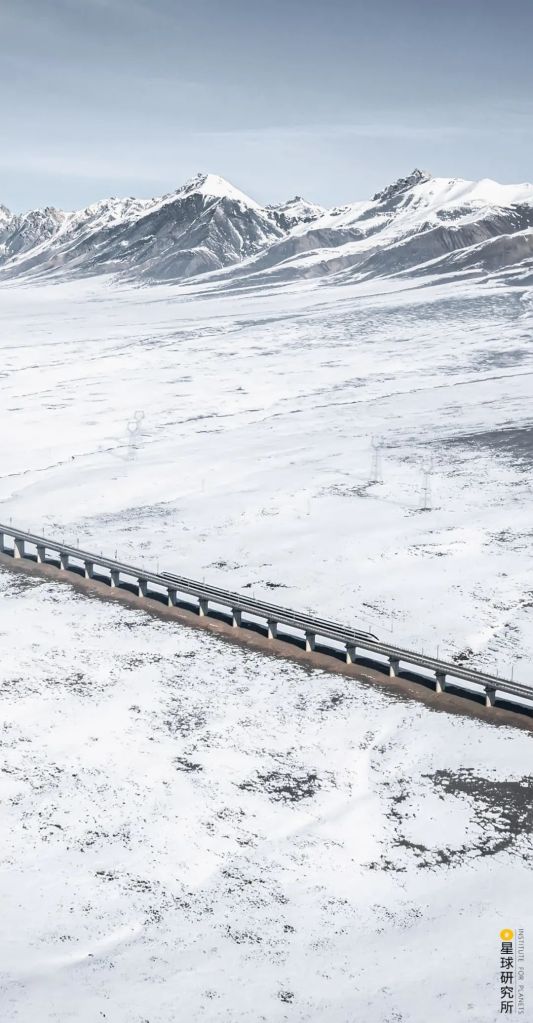
Compendium of China’s Fog and Haze

Original piece: 《中 国 雾 霾 说 明 书》
Produced by Institute for Planets (星球研究所)
Written by 桢公子
Translated by Kelvin Kwo
k
Posted with permission from Institute for Planets

Safeguarding the Troposphere

Fog and haze in China keep coming and going like a recurring nightmare. The fragmented information available in the public is often introducing more confusion than enlightenment.
In this piece, in almost 10,000 words (in Chinese) and with 73 photos/diagrams, we aim to comprehensively describe the underlying mechanisms for the formation of and solutions for fog and haze. In doing so, we hope to unveil the epic defence war of the troposphere that affects every single person in the country.

Our troposphere has an average thickness of about 10 kilometres. It grants us the most precious and irreplaceable living space, which is where the vast majority of human activities are performed.

Earth’s atmosphere captured by the International Space Station
Troposphere is the lowest layer closest to the land surface
(photo: NASA)

However, it has become increasingly turbid since the dawn of industrialisation.

And in the year of 2013, for an average of 35.9 days1, it looked like this in Beijing.

Beijing trapped in heavy haze
One can see the Beijing Central Business District (CBD) on the near side, and the Taiheng Mountain on the far side
(photo: 李珩)

In Chengdu.

On the left is the Sichuan basin covered by haze and on the right are the mountain ranges of western Sichuan
(photo: 行影不离)

And in Urumqi.

Urumqi downtown covered by haze
(photo: 李杰)

In January 2013, the troposphere above a fourth of China’s territory was completely occupied by fog and haze almost overnight. Since then, the lives of more than 600 million Chinese have constantly been haunted by this new vocabulary, wumai (雾霾, literally ‘fog and haze’).

In January 2013, China experienced one of the worst regional haze weather since record, which affected 17 provincial-level administrative regions and 600 million people
The satellite photo above shows the haze situation of China then, where grey shades indicate haze and white shades indicate clouds
Beijing (北京), Shenyang (沈阳), Hohhot (呼和浩特), Tianjin (天津), Shijiazhuang (石家庄), Taiyuan (太原), Jinan (济南), Lanzhou (兰州), Zhengzhou (郑州), Xi’an (西安), Nanjing (南京), Shanghai (上海), Hangzhou (杭州), Wuhan (武汉), Changsha (长沙), Chongqing (重庆), Chengdu (成都)
(diagram: 陈思琦, Institute for Planets)

Government officials, scientists and engineers have put in immense effort to defend our troposphere from the invasion of fog and haze, but so far to no avail. Years have passed and it is still lingering above our heads every now and then.

What causes fog and haze and how long will they last?
What should be done to mitigate the problem and is there still hope?

Before we tackle these burning questions, it is necessary to first understand the nature and origin of fog and haze.

1. The Nature of Fog and Haze

Fog and haze are not the same thing.
They represent two distinct weather phenomena within the troposphere. What distinguish between them are the particulates that are stably suspended in the air.

Fog contains tiny water droplets, while haze consists usually of dry dust particles.

Therefore, fog is generally milky white and can occur at a relative humidity above 90%. It limits horizontal visibility to below 1000 metres, and gradually disappears with increasing surface temperature.

The city centre of Nanjing blanketed by fog at 8 am in February 2020
(photo: 李毅恒)

Haze, on the other hand, looks greyish yellow. When it sets in, relative humidity seldom exceeds 80%, and horizontal visibility will be less than 10 kilometres. Unlike fog, it can remain for days.

Haze weather in Guangzhou in January 2017
Fog and haze can sometimes interconvert, hence the popular mixed name ‘wumai (fog and haze)’
(photo: 许晓平)

Particulate matter with a diameter* of less than 10 micrometres (µm), which are commonly referred to as PM10, are capable of overcoming the numerous natural defence lines in the human body and depositing in the respiratory tract. Thus, they are also called inhalable particulate matter6.

And those with a diameter of less than 2.5 µm are the PM2.5. With an even smaller size, they tend to stick onto toxins and pathogens, and are able to travel deep into the bronchus and even alveoli. This may lead to serious illnesses including respiratory tract and cardiovascular diseases as well as lung cancers. They are responsible for approximately 1 million deaths each year in China6.

*The term ‘diameter’ here refers to the aerodynamic equivalent diameter, which is the diameter of a standardised sphere with a density of 1 g/cm3 that has the same settling velocity as the particulate matter of interest.

Comparison of particulate matter with different diameters
The diameter of a human hair varies between 17-180 µm, a 100 µm hair is used as an example here
d is the aerodynamic equivalent diameter
(diagram: 郑伯容, Institute for Planets)

Where do these particulate matter come from?

They can be produced by nature itself. Forest fires, volcano eruptions, splashing ocean waves and swirling sand in deserts are all potential source for these particulate matter. These are known as the natural source.

A sandstorm in Alxa Left Banner, Inner Mongolia
(photo: 李含军)

More often, though, they originate from human societies. From cooking fume and construction dust to automobile exhaust and factory smoke, particulate matter is generated by all kinds of processes related to modern lifestyle and production activities. These are the man-made source, which will be the primary focus of this piece.

Zhengzhou Thermal Power Plant
The chimney at the front releases exhaust gas, while the cooling tower behind releases water vapours. This plant has been closed down and relocated
(photo: 焦潇翔)

Particulate matter is sometimes ‘born’ to be, i.e. emitted directly to the atmosphere from the pollution source. We call them primary particulate matter.

A construction site in Guangan, Sichuan
Construction dust is a typical primary particulate matter
(photo: 周修建)

But most of the time, it is first emitted in gaseous form into the atmosphere where it evolves into what is known as secondary particulate matter.

A thermal power plant in central Gansu covered in haze in 2011
Secondary particulate matter has become the major haze pollutant in most regions in China. The power plant shown in the photo is releasing both primary particulate matter and gaseous pollutants
(photo: 刘忠文)

Sulphate particles (SO42-) that are formed from sulphur dioxide (SO2) through oxidation; nitrate (NO3) and organic particles formed from nitric oxides (NOx) and volatile organic compounds (VOCs) through light-dependent reactions, respectively; ammonium particles (NH4+) derived from the neutralisation of alkaline ammonia gas (NH3) with atmospheric sulphuric or nitric acid; these are all classic examples of secondary particulate matter.

Therefore, haze in a city rarely has a homogeneous composition.

Heavy traffic in haze-hit Changsha in 2016
(photo: 李云鹏)

The majority of secondary particulate matter has a diameter of less than 2 µm. Capable of remaining for a prolonged period and be transported over a great distance, it is the key component for PM2.5.

While precursor gases including sulphur dioxide (SO2), nitric oxides (NOx), volatile organic compounds (VOCs) and ammonia (NH3) are not the direct cause for fog and haze, they are definitely guilty for catalysing the formation of secondary particulate matter.

Major components of PM2.5
Precursors (前体物), primary (一次颗粒物) and secondary particulate matter (二次颗粒物)
Primary and secondary particulate matter can share some of the components, but these have different origins
(diagram: 郑伯容, Institute for Planets)

But then who is the real instigator behind the primary particulate matter or gaseous precursors?

2. The Price for Economic Growth

Between 1990 and 2013*, China achieved a miraculous GDP growth of 300% for the first time in human history.

Yet at the same time she also ‘accomplished’ a 313% growth in nitric oxide emission, 168% growth in VOC emission, 131% growth in sulphur dioxide emission, 29% growth in ammonia emission and 28% growth in primary PM2.5 emission.

*China was worst hit by haze pollution in 2013, hence this piece will focus primarily on data collected in 2013 unless otherwise stated

Changes in atmospheric pollutants (大气污染物) in China between 1990 and 2013
Unit (单位): million tons (百万吨)
(diagram: 郑伯容, Institute for Planets)

Only by 2013, when 74 cities started monitoring PM2.5, did we realise that only three cities, namely Lhasa, Zhoushan and Haikou, barely met the air quality standards*. The Jing-Jin-Ji Metropolitan Region, the worst region of all, had an annual mean PM2.5 concentration that was 2 times above the limit.

Immediate actions had to be taken to safeguard the troposphere.

*Air quality standard hereafter refers to the Level 2 category of the Ambient Air Quality Standards GB3095-2012

Annual mean PM2.5 concentration in 74 cities in 2013
Baoding (保定), Shijiazhuang (石家庄), Xingtai (邢台), Hengshui (衡水), Handan (邯郸)
Lhasa (拉萨), Zhoushan (舟山), Haikou (海口)
Air quality index: Excellent (优), good (良), lightly polluted (轻度污染), moderately polluted (中度污染), heavily polluted (重度污染), severely polluted (严重污染)
(diagram: 陈思琦&郑伯容, Institute for Planets)

The first step was to trace back to the source of all these particulate matter.

Since years before 2013, China has already dominated the world ranking in electric power generation, coal production, steel production, cement production and non-ferrous metal production.
Ranked top in every single one of these, the ‘world factor’ is truly worthy of the name.

A steelworks plant in Anyang, Henan
(photo: 张孟尧)

Sadly, this explosive advancement in industrial processes* has not only consumed 95% of coal and 99.7% of the oil available in the country, but also contributed heavily to man-made emission, accounting for 85% of sulphur dioxide, 71% of nitric oxide, 69% of VOCs and 60% of primary PM2.5.

*Subject to statistical scope of the National Bureau of Statistics

High correlation between provincial emission rate (sulphur dioxide and nitric oxides) and coal consumption rate
Shandong (山东) and Hebei (河北) were the largest emitter for sulphur dioxide and nitric oxide, respectively
Coal consumption rate (煤炭消费量), emission rate (废气排放量), unit: 10,000 tons (万吨)
(diagram: 陈思琦&郑伯容, Institute for Planets)

Electric power and heating, in particular, were responsible for half of the country’s coal consumption.

There are almost 100 million people in Jiangsu alone consuming electricity generated from coal burning, and thermal power generation there is constantly among the highest in China. Following closely is Shandong, which made the jump in 2015 and overtook Jiangsu to become the largest thermal power generator since then.

Two neighbouring thermal power plants in Shandong
The Watang-Rizhao heavy haul railway, completed towards the end of 2014 and with a transport capacity of 200 million tons per year, has provided Shandong with enormous coal resource
(photo: 陈剑峰)

Inner Mongolia is the biggest producer of raw coal in China and is running the largest mine-mouth power plant in the world.

Tuoketuo Power Station in Inner Mongolia
With an installed capacity of 6.72 million kW, it is the largest thermal power plant in the world
(photo: 陈剑峰)

Within these three ‘provinces of thermal power’, electricity and heating were responsible for more than 40% of all the sulphur dioxide and nitric oxides emission in the region2. And for ‘provinces of heating’ that suffer from bitterly cold winters, including Inner Mongolia, Heilongjiang and Liaoning, these two industries contributed to 30-45% of all primary particulate matter produced2. Their impact on the environment is substantial.

Thermal power plant in Shenyang
(photo: 吕威)

The other prominent coal consumer is the steel industry. In China, steelworks plants spring up literally everywhere.
From the vast northwest regions.

Plant site of Jiuquan Iron and Steel Group Co Ltd at the Jiayu Pass under the hovering clouds in April 2016
(photo: 郭中民)

To the prosperous zones in the east.

Plant site of Nanjing Iron and Steel Group Co Ltd in July 2017
(photo: 李毅恒)

The mainstay of China’s steel industry is none other than Hebei. Its annual crude steel production in 2013 hit a record of 190 million tons, completely dwarfing the first-runner up (Jiangsu) and every other country in the world.

World ranking in crude steel production
Hebei (河北), China (中国), America (美国), Japan (日本), India (印度), Russia (俄罗斯), Korea (韩国), Germany (德国)
Unit (单位): 10,000 tons (万吨)
(diagram: 郑伯容, Institute for Planets)

Equally ‘impressive’ is Hebei’s pollutant emission, which was 2-3 times more than the next province on the list. Steel production here contributed to 36%, 14% and 47% of the province’s total emission of sulphur dioxide, nitric oxides and primary particulate matter, respectively.

Steelworks plant cluster in Tangshan, Hebei, in January 2020
(photo: 行影不离)

Nonetheless, steel industry is ranked only the third for coal consumption in China despite its massive capacity. The second position will have to go to petrochemical and chemical industries*.

Their products and derivatives include gasoline, diesel, coke, pesticides, paint coating, fertilisers, textile, tyres and plastic, which essentially cover most aspects of modern lifestyle. They consumed 17% and 97.5% of all the coal and oil respectively in China, and throughout the course of production, processing, transportation and utilisation, the entire industry chain breathed out more than 15 million tons of VOCs each year (excluding vehicle fuel usage)3.

*These include petroleum processing and coking, nuclear fuel processing and chemical raw material and product manufacturing

A fabric factory of PetroChina in Liaoyang, Liaoning
(photo: 雁海)

The vast majority of coal is utilised by various sectors through centralised power plants and factories. But there are still hundreds of millions of tons remaining. These unprocessed low-quality coal are often burned in a dispersed manner without any exhaust treatment measures in place, and are mostly used in industrial furnaces in small and medium industries, as well as our everyday life*.

This is the so-called ‘loose coal‘. Burning a ton of loose coal is estimated to release 10-15 times more combustion emission than the same amount of coal in a thermal power plant.

*This refers to civil emission.

A ‘chimney forest’ in a village in Xilinhot, Inner Mongolia, in February 2009
At the front are dense residential complexes, and right behind is a thermal power plant
(photo: 邱会宁)

Especially in northern rural areas like Inner Mongolia, Shanxi, Hebei and Heilongjiang, it is practically impossible to track the source of pollution as everyone is burning loose coal to keep warm, further worsening the local air quality in winters.

The stark contrast in Shijiazhuang’s air quality between heating (采暖季) and non-heating seasons (非采暖季)
(diagram: 郑伯容, Institute for Planets)

Another significant source of pollution from the civil sector is biomass burning in farms and villages, such as straw burning.

Late May is the usual harvesting season for winter wheat across the Jiangnan region. But in 2011, it coincided with serious haze that covered all the major cities in the Yangtze Delta, including Hangzhou, Nanjing, Shanghai, Ningbo and Suzhou. It was later realised that about 48-86% of the organic carbon found in the PM2.5, which exceeded limits by 5 times then, came from straw burning.

Straw burning
(photo: 姚金辉)

The same thing happened again in early November 2015 in the Northeast Plain, where Shenyang, Changchun and Harbin were totally lost in haze. There were 836 straw burning sites in total around the cities, pushing the daily mean PM2.5 concentration to 24 times above the limits at its peak.

Straw burning in the fields of Tongyu County, Jilin, in March 2016
(photo: 邱会宁)

In contrast to the relatively regular and localised emission sources in factories or rural areas, traffic emission can happen anytime anywhere.

In China, small passenger vehicles are the predominant vehicles on the roads, and are the major source for organic compounds and carbon monoxide. On the other hand, heavy trucks, despite accounting only for 2% of all vehicles, release 46% and 58% of all nitric oxide and primary particulate matter, respectively.

Comparison of ownership (保有量) and pollutant emission among different types of motor vehicles in 2013
Motorcycle (摩托车), small passenger vehicle (小型客车), heavy truck (重型货车), other passenger vehicle (其他客车), other truck (其他货车), low-speed vehicle (低速汽车)
CO, carbon monoxide (一氧化碳); HC, hydrocarbon (碳氢化合物)
(diagram: 郑伯容, Institute for Planets)

Regions with high density of factories or ports are always filled with large number of trucks. The nitric oxide and organic compound emissions there can thus reach up to 4-5 times the national average.

A long queue of trucks waiting to enter the port in Ningbo, Zhejiang
(photo: VCG)

Agricultural and construction machineries in rural and urban areas, as well as ships in rivers and oceans, mostly run on fuel oil of poor quality. Their pollutant emission is far worse than common vehicles on the roads.

A cargo ship on the Huangpu River, Shanghai, in November 2011
(photo: 吕威)

Right now, vehicle ownership is still rising every day. Particularly in tier-1 cities like Beijing, Shanghai, Guangzhou and Shenzhen, traffic is gradually overtaking industrial processes as the top contributor of local PM2.5.

Traffic congestion during evening rush hour in the eastern stretch of the 4th Ring Road in Beijing
(photo: 丁俊豪)

Finally, in a country that relies so heavily on agriculture, fertilisers and animal waste release more than 90% of all ammonia produced by human activities.

Ammonia emission from crop farming (种植业) and livestock farming and fisheries (养殖业)
Unit: 10,000 tons per year (万吨/年)
(diagram: 陈思琦&郑伯容, Institute for Planets)

There are approximately 32 million tons of nitrogen fertilisers* poured into the farms in China every year. Among them, 12.2% of the nitrogen is released back into the atmosphere in the form of ammonia (NH3). For North China Plain, where the soil is generally more alkaline, this volatile loss of ammonia may even exceed 20%3.

*This refers to the net weight of both elemental and compound fertilisers3.

Farmers applying fertilisers for apple trees in Liaocheng, Shandong, in November 2018
(photo: VCG)

In addition, urea in animal excretion is also converted into ammonia by microorganisms. Therefore, regions with established pig farming industry such as Sichuan and Henan, as well as those with heavy egg poultry farming like Shandong, Henan and Hebei, have become the top ammonia emitters in the country, together with Inner Mongolia and Xinjiang, which have a prominent sheep farming industry.

A flock of sheep stirring up dust in the suburbs of Yining, Xinjiang
(photo: 赖宇宁)

It has become clear that all the pivotal sectors that keep the country running are continuously exhaling all kinds of pollutants into the troposphere.

Major contributor of various pollutants in 2013
SO2, sulphur dioxide; VOCs, volatile organic compounds; NOx, nitric oxides; NH3, ammonia; 一次PM2.5, primary PM2.5
Industrial processes excluding electric power (工业-除电力外), electric power (电力), civil usage (民用), traffic (交通), agriculture (农业), other sources (非主要排放源)
These are nation-wide data, and variation may exist for some regions
(diagram: 郑伯容, Institute for Planets)
Major contributor of various pollutants in 2017
(diagram: 郑伯容, Institute for Planets)

Civilisations always seem to create ashes faster than anybody can sweep them up.

Smogtown: The Lung-burning History of Pollution in Los Angeles
by Chip Jacobs and William J Kelly

The real source of fog and haze was never the several chimneys or vehicles, but the entire developing society that is dashing forward at an unprecedented rate.

3. The Final Straw

With overwhelming amounts of particulate matter accumulating in the troposphere, all it needs to trigger a sweeping haze is a specific weather condition.

And this final straw is the atmospheric temperature inversion layer.

Theoretically, air temperature in the troposphere should drop with rising altitude, such that the ground surface is warmer than the air high up. But when an inversion layer sets in, this rule will be reversed, making the ground surface cooler than above.

Atmospheric temperature inversion layer (逆温层)
Altitude (高度), temperature (温度)
Normal (正常), temperature inversion (逆温)
(diagram: 郑伯容, Institute for Planets)

With a lower temperature and hence a higher density, air at lower altitude struggles to rise up, as if being locked in by an invisible dome above the city.

The ‘invisible dome’ above Hangzhou in January 2019
(photo: 肖奕叁)

Pollutants trapped under the inversion layer therefore accumulate and diffuse underneath. The lower the altitude of the inversion layer, the less space for diffusion, and hence worse pollution. Once the air becomes humid enough, haze will dawn on you before you realise.

Jinzhong Basin blanketed by haze in November 2015
Only emissions above the inversion layer can have a little more diffusion space
(photo: 李珩)

There is a plethora of reasons underlying the formation of inversion layers.

On a clear night, when ground surface cools down rapidly, the temperature difference between the low and high altitudes narrows. Eventually, the temperature in the former falls below the latter, resulting in radiation temperature inversion. This process is exacerbated by the long and cold nights during autumn and winter, which is why fog and haze are the most frequent all across China in these seasons.

Haze weather during the cold seasons in Nanjing, taken in November 2019
(photo: 刘兴)

Radiation temperature inversion is usually offset by the rising sun. But on the icy plains in the north, heat loss from ground surface during the day still outcompetes solar radiation by far. This sustains the temperature inversion layer.

Urumqi and the hovering haze at noon, November 2013
There was a temperature drop that day, and the maximum recorded temperature was 2°C
(photo: 李杰)

In mountainous regions, temperature inversion layers can also form as cold air sinks down the mountain slopes into valleys and pushes warm air up. This is called terrain temperature inversion.

Clouds of mist lingering in the valleys of the mountainous in Northeast China
(photo: 王泽东)

At the foot of mountain ranges, subsidence temperature inversion develops as air overcomes the ridges and descends, causing the compressed air mass in between to heat up faster than that below.

Foothills adjacent to Mangshi, Yunan
Temperature inversion is a frequent phenomenon here between March and May every year
(photo: 杨清舜)

And when warm air is advected directly onto a mass of cold air, advection fog may form at the junction of the piling air masses. This phenomenon known as advection temperature inversion often occurs along the coast.

Qingdao with a stratified atmosphere
Advection fog can be clearly seen at the junction and warm and cold air
(photo: 张霄)

Owing to the existence of temperature inversion layers, people have little expectation on the vertical diffusion and dispersion of pollutants. Instead, they are placing their bet on horizontal winds to break the calm weather and take away the fog and haze.

However, due to climate change, winter monsoons in China have become less prevailing, and the annual mean wind speed is decreasing by the year. This is not a good sign.

Surface wind speed in Jing-Jin-Ji Metropolitan Region over time
Annual wind speed anomaly (年均风速距平), linear trend (线性变化趋势)
Anomaly indicates the difference between the data point and the average value
(diagram: 郑伯容, Institute for Planets)

Even worse, winds can themselves become an accomplice in promoting haze formation under the influence of specific topographies of the area.

Cities like Lanzhou, Yu County, Datong, Taiyuan and Linfen share a common feature. They are all surrounded by layers of mountains. At night, air on the mountain slopes cools down and descends to the valley floor producing mountain breeze. This is reversed during the day, when air heats up under the sun and rises up the slopes to form valley breeze.

Formation of mountain (山风) and valley breezes (谷风)
Cool air (冷空气), warm air (暖空气)
(diagram: 郑伯容, Institute for Planets)

Instead of dispersing in the atmosphere, pollutants keep tumbling in alternating cycles of mountain and valley breezes within the mountain ranges, shrouding valley cities and obscuring the landscape.

Yu County, Hebei, in the Taiheng Mountains
(photo: 李珩)

Xi’an, which is located in the Guanzhong Plain in Shaanxi and to the north of Qinling Mountains, shares a similar fate. The mountains in the south gate the pollutants carried in the wind, which then remain above the city and accumulate. This is why the percentage of hazy days with northeast wind can reach up to 31.2%, in contrast to 17.7% when there is little or no wind7.

Hazy Guanzhong Plain
Xi’an is in the centre of the photo, with Tongchuan on the near side and the Qinling Mountains on the far side
(photo: 李珩)

In the Jing-Jin-Ji Metropolitan Region, haze problem is threefold.

First, with the Yan Mountain and Taiheng Mountain rising in the north and west respectively, the region is wide open to mountain breeze from the northwest and winds from the southeast plains. These wind fronts clash head-on to form a convergence belt that leans against the mountain ranges. This belt, unfortunately, is also a concentration zone for air-borne pollutants.

Convergence zone in the Jing-Jin-Ji Metropolitan Region
Zhangjiakou (张家口), Chengde (承德), Beijing (北京), Tangshan (唐山), Langfang (廊坊), Tianjin (天津), Baoding (保定), Cangzhou (沧州), Shijiazhuang (石家庄), Hengshui (衡水), Xingtai (邢台), Handan (邯郸)
Concentration zone (汇聚带), delivery channel for pollutants (输送通道)
(diagram: 郑伯容, Institute for Planets)

Second, the densely populated cities along the concentration zone are like a string of heated islands. As air in these cities rises in the heat, they suck up not just the cold air from neighbouring regions, but also the pollutants emitted from factories in the suburbs.

Factories in Yanjiao, Hebei on the near side, Beijing in the centre, and Taiheng Mountain at the back
(photo: 余明)

And third, under the ‘urban heat island’ effect, cold air always enters cities at low altitudes. This results in temperature inversion where hot air floats directly above.

Because of these, cities along the concentration zone including Tangshan, Baoding, Shijiazhuang, Xingtai and Handan have all fallen prey to fog and haze, and are among the hardest hit cities in China.

Haze in Baoding, Hebei
Haze problem in Hebei is among the worst of all provinces in China
(photo: 韩阳)

Only when a strong front of northwest wind finally charges in, can the dull weather conditions be perturbed and the shadowing haze be driven out.

Yet one man’s meat is another man’s poison. As the cold air travels down from the northwest mountains, it carries pollutants over thousands of miles to the south. According to data collected between 2014 and 2015, this interregional transportation route contributed to 20-35% of all the PM2.5 in cities within the Jing-Jin-Ji Metropolitan Region and the Yangtze Delta3, while the rest are produced locally.

Shanghai
The interregional transportation route of pollutants can account for up to 26% of the city’s PM2.5; the city is especially susceptible to sand dust coming from the north between April and May
(photo: 张殿文)

As the cold air arrives in southern cities, it slips in under the warm air and creates a frontal temperature inversion layer at the meeting front, which entraps the pollutants and promotes fog and haze formation.

Formation of frontal temperature inversion (锋面逆温)
Inversion layer (逆温层) forming at the meeting front of cold (冷空气) and warm air (暖空气)
(diagram: 郑伯容, Institute for Planets)

All in all, fog and haze are substantiated with particulate matter, while weather conditions catalyse their formation and topographical features further exacerbate their impact. Having identified the root of the problem, all we need is just the right antidote.

Unfortunately, we cannot control particulate matter emission in the nature, nor can we adjust atmospheric circulation at all, not to mention reshaping the topography of Earth. This implies that to safeguard our troposphere, there is no other option than to confront man-made pollutant emission head-on.

4. Safeguarding the Troposphere

But the harsh reality is that pollutants are essentially produced by everyone everywhere. Thus, this fight is going to be a full-fledged war that will drastically transform the entire country, affecting all industries and every city, and altering the lifestyle of every individual living in it.

Key control regions including the wider Jing-Jin-Ji Metropolitan Region, Yangtze Delta and Fenwei Plain were among the first to undergo a comprehensive operation. By 2018, about 6.1 million households and 23,000 industrial boilers had completely abandoned the age-old tradition of burning loose coal through the ‘coal-to-gas’ or ‘coal-to-electricity’ projects1. And across the country, the share of coal in energy consumption has been steadily decreasing as the reform in China’s energy structure charges on.

Changes in energy structure in China between 2010 and 2018
Coal (煤炭), oil (石油), natural gas (天然气), hydropower (水电), nuclear power (核电) and wind power (风电)
(diagram: 郑伯容, Institute for Planets)

Facilitators of this reform include the West-East Gas Pipeline Project, which took almost 20 years to complete. It is capable of transferring 72 billion cubic metres of natural gas through 16 provincial-level administrative regions to more than 100 cities in the east.

West-East Gas Pipeline II in Dongxiang County, Jiangxi
(photo: VCG)

And the impressive growth in the installed capacity of photovoltaic solar energy, nuclear power, wind power and hydropower by 34%, 25%, 12% and 2.5%, respectively, all of which occurred within one year (2017-2018).

Two concentrated solar power plants standing in proximity at the foot of a snow mountain in Dunhuang
(photo: Basic阿基)

As well as the 21 ultra-high voltage power transmission lines with a total length of 33,000 kilometres, which are responsible for delivering solar and wind power in the northwest and hydropower in the southwest to the east.

Jiuquan-Hunan ±800 kV ultra-high voltage DC transmission line
40% of electric power delivered by this transmission line comes from solar and wind power
(photo: 陈剑峰)

Industrial processes and transportation sectors are also undergoing rapid transformation.

As of 2018, almost all coal-fired power plants were equipped with dust removal, desulphurisation and denitrification facilities, and 80% of them had achieved the most stringent international criteria for ‘ultra-low emission’4.

A steelworks plant in Wuhan
All steelworks plant in Wuhan will be retrofitted with ultra-low emission systems by the end of 2023
(photo: 姜轲)

Also in 2018, China’s total crude steel production was cut down by 3.5 million tons, and up to 270 million tons of primitive coal production capacity were completely eliminated. Within key control regions, industries with high energy consumption and emission, including steel production, coking, casting, electrolytic aluminium extraction and cement production, were issued strict capping on their production capacity.

Demolition of a cement plant in Guanghan, Sichuan, in 2017
Ultra-low emission policies are currently being experimented in non-energy sectors in a number of cities
(photo: 谭本建)

Between 2018 and 2020, over 1 million diesel trucks were eliminated in areas around the Jing-Jin-Ji Metropolitan Region and the Fenwei Plain, while national rail transportation capacity grew more than 20%.

A freight train on the Lanzhou-Xinjiang Railway running past a photovoltaic power plant
(photo: 王璐)

Both rural and urban areas are at the forefront of this reform.

About 85% of straw produced in rural farms will be repurposed. Instead of simply being burned, it will be used as fertilisers and feeds, or even fuel, base materials and raw materials for a range of applications. Livestock farming will implement new management strategies to process animal waste in a centralised manner, which can then be used to replace chemical fertilisers and complement crop farming.

In cities, urban planning has shifted to emphasise a polycentric spatial structure to avoid clustering of high-emission industries and overloaded traffic.

Chengdu Tianfu International Airport
Expected to be completed in 2021, the airport will have substantial influence on future urban and transportation planning
(photo: 梦旅人带你去旅行)

Citizens are also experiencing marked changes in their lifestyle.

The daily mean passenger volume in public transport was 230 million in 2018, which outsized the volume ten years ago by 20%. This was backed up by extremely elaborate railroad systems and bus routes, which grew by 530% and 498% over the last ten years, and the mileages have today exceeded 5000 kilometres and 800,000 kilometres, respectively.

Wuhan Metro Line 7 under construction
(photo: 黄蕾)

The growth in private vehicle ownership in 2018 dropped by 3% compared to the year before. This amounts to 4.8 million new cars, or approximately all privately owned cars in Chongqing, not going onto the streets*. This was the result of the successive implementation of purchase restriction policies in Beijing, Shanghai, Guangzhou, Tianjin, Hangzhou and Shenzhen, together with a broad repertoire of traffic restriction measures.

*Data from Ministry of Public Security homepage

Densely packed vehicles in Nansha Automotive Dock, Guangzhou
(photo: 汤文健)

Waiting ahead for existing petrol vehicles are the even stricter vehicle emission standards and fuel standards, including the China VI Vehicle Emission Standards that is currently in effect.

No license plate for substandard vehicles, no market entry for substandard fuels. Such stringent policies are designed to further cut down emissions from petrol vehicles and to raise the fuel costs. At the same time, annual production of new energy vehicles in China is expected to reach 2 million by 2020, which will be a 60% jump since 2018. All buses in major cities are going to run entirely on electricity.

Electric buses in a bus parking lot on Gongkang Road, Hangzhou
(photo: 吕杰琛)

In cities, strict measures are imposed to control dust on the roads and at construction sites; in suburbs, protection forests are planted for windbreak and sand fixation purposes, or as a shelter for farms, which all help to block particulate matter and purify the air.

Saihanba National Forest Park
The total area of protection forest planted in China reached 27.89 million mu in 2018
(photo: 赵高翔)

Efforts have also been put into maintaining wetlands, which are almost 8-10 times more efficient than forests in reducing ground dust3.

Xixi National Wetland Park
About 30 thousand mu of farmlands were returned to wetlands in 2018
(photo: 肖奕叁)

The reform has been challenging.
Some of these measures are difficult to implement, while some come with a huge price.

But we are seeing hope.

The annual mean PM2.5 concentration in 2018 was 46% lower than that in 2013. This prevented approximately 89,000 premature mortality due to prolonged exposure to PM2.5. Cities meeting PM2.5 standards rose by 30%, while the proportion of days with satisfactory PM2.5 concentrations was just a step away from the 80% goal8.

National air quality between 2013 and 2020
Only data collected in January were shown here for illustration
Changes in PM2.5 concentration (PM2.5 浓度变化), days with satisfactory air quality (空气质量达标天数), 2020 goal (2020年目标)
(diagram: 陈思琦&郑伯容, Institute for Planets)

There is no doubt still a long long way to go.

We are still far behind other developed countries despite the implementation of new air quality standards. For instance, the upper limits for PM2.5 concentration in China are 1.4, 2.3 and 2.9 times higher than that of the European Union, Japan and the United States, respectively. The number of monitoring stations per unit territory is also much lower than in the United Kingdom and Japan.

Although the national annual mean PM2.5 concentration exhibited a massive drop in recent years, it is still well above acceptable limits. The proportion of cities with substandard air quality is still high at 64.2%.

Terribly air quality in Tianjin on 9 February 2020
The concentration of PM2.5 on that day exceeded the limits by 2 fold
(photo: 甄琦)

In spite of the more frequent clear skies in various cities, the threat from a new class of pollutants has begun to emerge. In highly developed areas including the Jing-Jin-Ji Metropolitan Region and Yangtze Delta, the day count for ozone as the major pollutant has already overtook that for PM2.5 and become the highest of all.

Proportion of cities meeting the standards for ozone concentration between 2013 and 2018
Ozone is an important component of photochemical smog
(diagram: 郑伯容, Institute for Planets)

From a broader perspective, fog and haze know nothing about administrative divisions, and air quality management can never be successful without coordinative actions. Instead of struggling alone behind closed doors, cities and provinces should work closely together to implement cooperative measures. This is no longer an option.

Wonderful air quality in Beijing and Tianjin during autumn 2019
Photo was taken from above Huailai County, Hebei
The coast of Bohai Sea is clearly visible beyond Beijing and Tianjin across a straight line distance of over 200 kilometres
Annotated landmarks: Wangjiayuan Reservoir (王家园水库), Beijing-Chongli Expressway (京礼高速), Jianshanzui (尖山咀), Nansha River (南沙河), Beijing-Urumqi Expressway (京新高速), Baiwang Mountain (百望山), Kunming Lake (昆明湖), Beihai Park (北海), Shichahai (什刹海), Beijing CBD (国贸CBD), Bird’s Nest (鸟巢), Northern Canal (北运河), Chaobai River (潮白河), New Chaobai River (新潮白河), Erwangzhuang Reservoir (尔王庄水库), Yongding New River (永定新河), Bohai Sea (渤海)
(photo: goneless)

An oak is not felled at one stroke. The problem of fog and haze is so deep-rooted in China that the defence war of our troposphere is definitely going to be a long and painful one.

It will take not only advancement in science and technology, but also adjustments in energy and industrial structure, optimisation of transportation systems and lifestyle modification. We will also need an iron will, the resolution to pay a dear price and a persistent involvement from everyone in the government, corporates and the public.

Yet I strongly believe we are heading towards victory.
Because we yearn for blue skies and clear waters on this land more than anyone else.

Because there is no place like home.

A refreshing day in Beijing in June 2019
(photo: 张自荣)

Production Team
Text: 桢公子
Editing: 周天秀
Photos: 任炳旭
Design: 郑伯容
Maps: 陈思琦
Review: 云舞空城、张楠、王朝阳、王昆
Feature photo: 邱会宁、张自荣
First photo: 刘坤

Expert Review
Prof Lei Duan (School of Environment, Tsinghua University)

Acknowledgements
We would like to express our gratitude to Prof Shuxiao Wang from the School of Environment, Tsinghua University, for the immense support during the production of this piece.

References
[1]中国生态环境部,中国生态环境状况公报,2013-2018.
[2]中国生态环境部,环境统计年报,2013-2015.
[3]郝吉明等,中国大气PM2.5防治策略与技术途径[M],科学出版社,2016.
[4]郝吉明等,京津冀大气复合污染防治:联发联控战略及路线图[M],科学出版社,2017.
[5]王书肖等,长三角区域霾污染特征、来源及调控策略[M],科学出版社,2016.
[6]杨静等,2006-2016年中国室外空气污染的归因死亡分析[J],中华流行病学杂志,2018
[7]王珊等,1960-2012年西安地区雾霾日数与气象因素变化规律分析[J],环境科学学报,2014.
[8]王文兴等,新中国成立70年来我国大气污染防治历程、成就与经验[J],环境科学研究,2019.
[9]唐孝炎等,大气环境化学[M],高等教育出版社,2006.
[10]郝吉明等,大气污染控制工程[M],高等教育出版社,2010.

… The End …

Institute for Planets
星球研究所
一群国家地理控,专注于探索极致风光
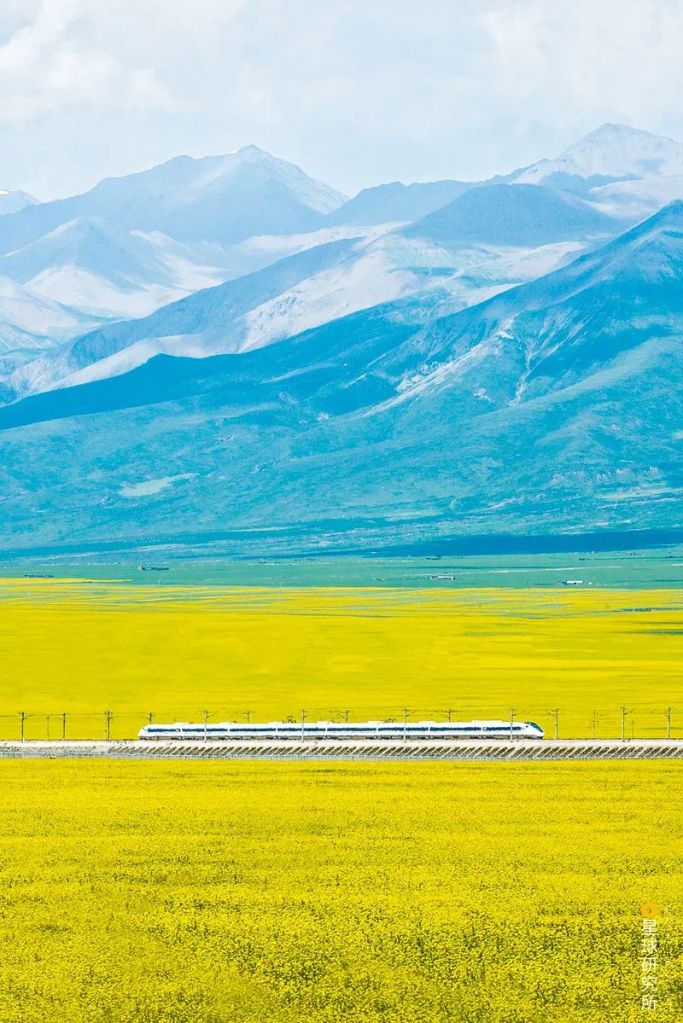
The Last 15% of China

Original piece: 《15%的中国》
Co-produced by Institute for Planets (星球研究所) & Mutian Book Donation Charity Project (幕天捐书公益项目)
Written by Institute for Planets
Translated by Kelvin Kwo
k
Posted with permission from Institute for Planets

Destitution in Scenic Areas

Translator’s comment:
This piece was originally published (in Chinese) 2 years ago in July 2018. According to China’s 13th Five-year Plan, extreme poverty in the country is to be eliminated this year (2020). Since 1978, the government has lifted hundreds of millions of people out of poverty, and the continuous work of poverty alleviation has intensified as the ‘deadline’ approaches. Here, from a geographical perspective, let’s take a look at some of the major obstacles that were still lying ahead of China’s final sprint for poverty alleviation.

Looking at the map of China, you will find 11 concentrated contiguous destitute zones that account for almost 15% of the country’s total land area. They also represent the most poverty-stricken 15% of the entire Chinese population.

By late 2017, about 30.46 million people were still living in extreme poverty in this 15% of China.

The 11 concentrated contiguous destitute zones defined by the State Council Leading Group Office of Poverty Alleviation and Development in 2011
Southern Ranges of Greater Khingan Zone (大兴安岭南麓片区), Yan Mountain-Taixing Mountain Zone (燕山–太行山片区), Lüliang Mountains Zone (吕梁山片区), Liupan Mountains Zone (六盘山片区), Qinba Mountains Zone (秦巴山片区), Dabie Mountains Zone (大别山片区), Wuling Mountains Zone (武陵山片区), Wumeng Mountains Zone (乌蒙山片区), West Yunnan Border Zone (滇西边境片区), Yunnan, Guangxi and Guizhou Rocky Desertification Zone (滇桂黔石漠化片区). Luoxiao Mountains Zone (罗霄山片区)
This map excluded regions that have already initiated special policies, namely Tibet, the four prefectures in southern Xinjiang, and Tibetan-populated regions in Gansu, Qinghai, Sichuan and Yunnan; together, these 14 regions would account for an even larger area in the country
(diagram: 刘昊冰, Institute for Planets; adapted from 丁建军《中国11个集中连片特困区贫困程度比较研究》)

They have been excluded from the country’s astonishing economic development, and have never crossed path with prosperity or modernisation, not even a well-off life.
After four decades of reform and opening up in China, why is there wide-spread poverty still? Are people in these regions especially lazy? Or are they not bright and innovative enough to thrive in modern times?

Neither.
Instead, geography and environment are always the final stronghold of extreme poverty in China. The enchanting landscapes that amaze countless foreign travellers are exactly what make life impossibly difficult for the local people.

1. Karst-associated poverty

One of the most classic types of poverty can be referred to as karst-associated poverty.

Back in the late 19th century, geographers in the west were studying dissolvable rocks on the Karst Plateau in southern Europe. They found that in these regions, the erosion of bedrocks by water forms a spectrum of unique landforms, including sinkholes and caves, which they then collectively named karst landforms.

Example of a karst landform
Soil (土壤), limestone (石灰岩), volcanic rock (火山岩), sinking stream (消失的溪流), cave ( 洞穴), volcanic sedimentary rock (火山沉积岩)
(diagram: Vancouver Island University)

Decades later, Chinese geographers realised that the karst landforms on the Karst Plateau are just the tip of an iceberg. They are actually much more common back at home in China.

In southern provinces, including Yunnan, Guangxi, Guizhou, Sichuan and Hunan, soluble rocks in these karst landforms have a total sediment thickness of 10 kilometres and an exposed area of more than 500,000 square kilometres. Abundant rainfall in southern China leads to persistent erosion in these rocks, wearing them out with every drop of water and remodelling the landscape over the past hundreds of millions of years.

Distribution of carbonate rocks in China
Carbonate rocks are the most common soluble rocks; the red dotted line encircles dense areas of karst landforms
(diagram: 刘昊冰, Institute for Planets; reference: 《中国自然地理图集》)

Streams of water flow across the rocky surface of the land and carve out networks of grooves that dig deeper and deeper. Rock pillars form in between and become increasingly spiky and lofty over time, eventually reaching up to 30-40 metres high. Each of these pillars has a unique appearance, sometimes like a sword or a tower, and sometimes a fat column or even a mushroom. Clustered together like a thick plantation of stones, these structures are known as stone forests.

Formation of stone forests
(diagram: adopted from National Geographic with permission)

One of the them is the Sinan Stone Forest in the Wuling Mountains Zone in Guizhou. Thousands of stone pillars span an area of 4.9 square kilometres, where they tango with flourishing woods.

Sinan Stone Forest
(photo: 全景)

In the Guzhang Red Stone Forest in Xiangxi, flowing water left clear marks all over the fuchsia carbonate stones.

Guzhang Red Stone Forest
(photo: 图虫创意)

There is another type of erosion that occurs at a much grander scale than stone forests. In vast regions with a thick bed of soluble rocks, water carves out ranges of rolling hills. Hills that have a connected base are called peak-cluster karst, while those that are more dispersed with relatively separated bodies are peak-forest karst.

Formation of cone and tower karst landforms
(diagram: 刘昊冰, Institute for Planets; reference: 朱学稳《桂林岩溶地貌与洞穴研究》)

A classic example of peak-cluster karst is the Qibainong in Dahua County, Guangxi, which is designated to the Yunnan, Guangxi and Guizhou Rocky Desertification Zone. The skyline of Qibainong is sketched by a sea of more than 9000 rocky hills, each with an elevation of 800 metres or above. It is the largest and the most dense peak-cluster karst landform in the world.

Qibainong
(photo: 钟永君)

Luoping County in Yunnan, also belonging to this desertification zone, has a typical peak-forest karst landform. The numerous hills here are round and mellow like little steamed buns.

Peak-forest karst and rape fields in Luoping
(photo: VCG)

Erosion beneath the ground also plays a big role in shaping the landscape. It produces enormous karst caves.

Sinkhole (also known as doline)
(diagram: VCG)

The Shuanghe Cave in Guizhou is 117 metres long. It is the longest karst cave in China.

Shuanghe Cave in Guizhou
(photo: 赵揭宇)

One can find in these karst caves majestic cave chambers, which can have a ceiling height of 200 metres or more, and a floor area of 116 square metres, which is equivalent to 16 football pitches pieced together.

Miao Chamber in Ziyun County, Guizhou
It is the largest karst cave chamber in China
(photo: 向航)

As erosion continues, cave chambers eventually collapse and create massive sinkholes (or tiankeng in Chinese, literally meaning ‘heavenly pit’).

Sinkhole clusters in Zhenxiong County, Yunnan
These are in the Wumeng Mountains Zone
(photo: 柴峻峰)

The cliff walls of these sinkholes are almost vertical, and their width and depth easily exceed 100 metres.

Sinkhole clusters in Zhenxiong County, Yunnan
(photo: 柴峻峰)

The largest sinkholes can be more than 500 metres wide and deep. In fact, the 3 largest sinkholes in the world are all located in China within the 11 destitute zones, namely the Xiaozhai Tiankeng in Fengjie County, Chongqing, the Dashiwei Tiankeng in Leye County and the Haolong Tiankeng in Bama Yao Autonomous County, Guangxi.

Xiaozhai Tiankeng in Fengjie County, Chongqing
(photo: 全景)

The variety of sceneries in these regions are absolutely stunning and unique, that many outsiders think the local people must be enjoying an enviably peaceful and leisure countryside lifestyle.

Buquan Village, Longan County, Guangxi
Sceneries here are definitely a match for the famous Guilin landscapes
(photo: 谭嗣怀)

This popular impression, unfortunately, cannot be further from the truth. These sceneries are actually the very reason for extreme poverty. Three of the 11 destitute zones, the Wuling Mountains Zone, Wumeng Mountains Zone and Yunnan, Guangxi and Guizhou Rocky Desertification Zone, are severely struck by water and land shortage.

Wuling Mountains (武陵山片区), Wumeng Mountains (乌蒙山片区) and Yunnan, Guangxi and Guizhou Rocky Desertification Zone (滇桂黔石漠化片区)
(diagram: 刘昊冰)

First, the real problem lies in the absolute lack of water storage capability of the land surface. Rainfall in these three regions are often above 1000 millimetres, which is almost twice as much as in Beijing, but numerous sinkholes of all sizes constantly ‘suck’ up the water like a bottomless void.

Groundwater system of a karst landform
(diagram: VCG)

Rainwater and groundwater join forces underground to form the largest subterranean river system in China, which is comprised of 2836 rivers that stretch 13,000 kilometres in total.

A subterranean river in Qingzhen, Guizhou
The river emerges out of nowhere forming a waterfall down a voluble cave mouth
(photo: 李贵云)

The land surface, on the contrary, suffers from frequent droughts.

The dried out land of a village in Liupanshui, Guizhou, in March 2010
(photo: 李贵云)

This forces the locals to rush about for water all the time.

Photo taken in December 2005
(photo: 李贵云)

Second, the constant water flow washes away all the deposits on the land surface, leaving behind little or no topsoil, which usually requires at least 100 years to replenish by a mere centimetre. Lacking soil, the locals have to be creative to locate sparse and dispersed spots that are suitable for crops.

Ziquejie Rice Terraces in Xinhua County, Loudi, Hunan
These are located in the Wuling Mountains Zone
(photo: 柳勇)

And squeeze their fields in the cracks of the karst landforms.
These can be among stone forests.

Changba Stone Forest in Sinan, Guizhou, in June 2008
(photo: 李贵云)

Or surrounded by peak-clusters.

A circular terrace in a depression in Qibainong, Dahua County, Guangxi
It is also called the tornado field for its unique spiral appearance
(photo: 焖烧驴蹄)

In these lands, water resource is limited and fertile fields are scarce. What they have in abundance are just bare rocks scattered all over the place, and hence are referred to as rocky deserts.

Jiucaiping, Guizhou, in September 2013
(photo: 李贵云)

The rocky desertification in Wuling Mountains, Wumeng Mountains and Yunnan, Guangxi and Guizhou Rocky Desertification Zones have led these regions into the most precarious poverty in China, which are faring even worse than those on the notorious Loess Plateau.

There are more than 100 of such national-level poverty-stricken counties. For generations, several dozens of ethnic minority groups have inhabited these barren lands, and have suffered from relatively backward productivity and literacy rate.

The Yi people (also known as the Nuosuo people) attending a Bimoist ceremony
Despite the constant drop-out of a number of counties, there are still more than 100 poverty-stricken counties as of 2018
(photo: 张源)

The primary school in a cave that once shocked the whole country was also located in these regions.

Zhongdong Primary School (literally ‘Mid-cave Primary School’) in Anshun, Guizhou
The school has now been relocated
(photo: 李贵云)

Children have to trek through the unforgiving stone forests every day on their way to and back from school.

Students going home after school
They are students from the Pangzhai Primary School in Ynagmei Village, Liupanshui, Guizhou
(photo: 李珩)

Even schools that are better equipped can hardly find enough space for a playground.

Playground of a school next to the Chishui River, Guizhou
The school is leaning against a mountain cliff with a waterfall hanging above
(photo: 李珩)

This is what we call karst-associated poverty.

Satellite image of the karst landform of Longfu Village, Du’an Yao Autonomous County, Guangxi
(original photo: Google Earth)

2. Mountain-gorge-associated poverty

Another prevailing type of poverty can be labelled as mountain-gorge-associated poverty.

The terrains of China are divided into a three-step ladder from west to east, and between each step there is a massive elevation difference.

China’s three-step ladder terrain
The first (第一级阶梯), second (第二级阶梯) and third step of the ladder terrain (第三级阶梯)
(diagram: 刘昊冰, Institute for Planets)

Rivers that originate in the Tibetan Plateau pour down the ladder terrain and cut through mountains throughout their journey, carving out magnificent V-shaped valleys known as gorges. During the early phases of erosion, slopes of these V-shaped gorges are often almost vertical.

Gorge
(diagram: VCG)

The Maling River, which rises at the Yunnan-Guizhou Plateau, has sculpted continuous ranges of gullies as it traverses Guizhou, where more than 60 waterfalls rush down the precipitous cliffs and stir up roaring waves in the coursing stream deep down.

Maling River Grand Canyon
(photo: VCG)

As gorges widen and deepen with persistent erosion, they become the typical canyons.

Canyon

These are very common in the Hengduan Mountain Range at the rim of the Tibetan Plateau, where Gaoligong Mountain, Nu Mountain, Shaluli Mountain and Daxue Mountain line up in tandem, with rivers including the Nu River, Lancang River and Jinsha River running through. The soaring mountain ranges and deep valleys make a phenomenal contrast.

Lancang River Canyon
(photo: 李珩)

Adding on top are the rift valleys and ground seams created by tectonic activities.
China is truly the kingdom of mountains and gorges.

Bibu Rift Valley Cluster
(photo: 杨勇)

On one hand, mountains and gorges have been instrumental in sustaining a rich mountain biodiversity. They are regarded as the Chinese plant and animal kingdom which hold a comprehensive gene bank.

Yunnan golden hair monkey (also known as Yunnan snub-nosed monkey) on the Baimaxue Mountain
(photo: 商睿)

On the other, they bring along mountain-gorge-associated poverty to the 11 destitute zones.

Villages are often sitting right next to raging torrents on the edge of a cliff.

Residential area by the Jinsha River in Qiaojia County, Zhaotong, Yunnan
(photo: 柴峻峰)

Where slopes are even steeper, it seems like the whole village could fall off the cliff any time.

Dadu River Grand Canyon
(photo: 杨涛)

Locals utilise the last block of relatively gentle slopes to build terraces.

Terraces by the Jinsha River in Qiaojia County, Zhaotong, Yunnan
(photo: 柴峻峰)

Towering mountains block humid air from entering the canyons in between and form rain shadows. As dry and warm foehn confiscates the last scent of vapour, canyons are baked into dry-hot river valleys where nothing grows.

Lancang River Canyon
(photo: 商睿)

But these problems are still relatively minor if we compare it with the complete blockade of transport and commute. Canyons are often miles deep with a raging river at the bottom. People can only travel carefully along the unfenced cliff side.

Dadu River Grand Canyon
(photo: 杨涛)

Or bravely jump onto a zip wire for a thrilling journey.

A zip wire across the Nu River close to Liuku Town, Yunnan
(photo: 芮京)

Other travellers might prefer the more advanced cableways, which is ever so slightly more reliable with a metal carrier.

A zip wire in Zouma Town, Hefeng County, Enshi, Hubei
(photo: 张源)

Even with the completion of many modern bridges, some zip wires and cableways are still in use* and remain as part of the chilling landscape of China’s mountain ranges.

*Translator’s comment: most, if not all, zip wires and cableways have been replaced by modern bridges as of 2020

Beipanjiang Bridge
(photo: 钟永君)

Isolation of the locals from the rest of the world results in societal and technological underdevelopment in their communities, some of which are still living on slash-and-burn cultivation methods. For instance, the disposable income per capita for villagers in Ximeng Va Autonomous County in Pu’er, Yunnan, was only about 70% of the nation’s average in 2017.

A Va village in Ximeng Va Autonomous County, Yunnan
The Va people transitioned directly from a primitive society to a modern society in the 1950s, and have since resided in new villages centrally established by the government
(photo: 张源)

When our photographer arrived in a Va village in Ximeng Va Autonomous County, he was welcomed with a great feast of yam by local villagers.

A Va village in Ximeng Va Autonomous County, Yunnan
(photo: 张源)
A Va woman weaving Va-style brocade during slack periods
(photo: 张源)

Life is still striving in the most remote crevices among the grand mountains and gorges.

A vivid blossom by the Jinsha River
(photo: 商睿)

3. Other causes of poverty

In addition to karst, and mountains and gorges, there are still many different factors leading to poverty in this 15% of land. People in these regions are also facing soil desertification and aeolian processes.

Farmers sowing seeds in swirling dust in a Gansu village
(photo: 刘忠文)

Enduring droughts.

Xihaigu, Ningxia
(photo: 刘广辉)

And suffering from serious water pollution.

A villager doing laundry in a polluted river in Shangnan County, Qinling, Shaanxi
(photo: 李杰)

They are crossing rivers on falling bridges.

Villagers attempting to cross a river at risk after the flood crushed the bridge in 2010
This bridge was the only way out of the village for the locals in Baiyu Monastary Village, they have no choice but to risk their lives because there are no alternative routes.
(photo: 李杰)

Mountaineering their way to school every day.

The ‘heavenly ladder’ in Cliff Village of Daliang Mountains, on which school children have to climb for 800 metres twice every day
(photo: 杨勇)

And experiencing long and painful separations from family.

A Kam people’s village (also known as the Dong people) in Dutong, Sanjiang County, Guangxi
This is a large village with about 2000 residents; since most younger people are working in larger cities or other provinces, there are many left-behind children waiting at home
(photo: 卢文)

But they are still smiling.

Farmers working in a karst landform in Hailuo Village, Shanyang County, Shaanxi
(photo: 李杰)

And courageously looking forward to their future.

Yang Baolin, a villager in the Qinling Mountains, lived in a cave for 3 years just to build a pavement for other villagers to travel out
(photo: 李杰, taken in 2010)

China is aiming to eliminate poverty by the end of this year (2020). Apart from building the much needed infrastructure, we should not forget about education in these destitute zones and the mental development of local children.

The Longshan County in Wuling Mountain Zone is a national-level poverty-stricken county full of karst landforms. Hundreds of mountains roll across every inch of land in sight.

Longshan County, Xiangxi, Hunan

Located at the foot of one of these mountains in Qianwei Village is the Guangen Primary School, one of the target primary schools of the Mutian Book Donation (幕天捐书) charity project.

Guangen Primary School, Qianwei Village, Xiangxi, Hunan

For children in remote villages, learning should not be restricted to memorising textbooks, but ought to also involve stimulating extracurricular reading.

Mutian Book Donation has set up reading corners in these schools in hope to expose children to new and lively knowledge and boost interests in learning, which will ultimately broaden their horizon and better prepare them for the world outside.

A reading corner of the Mutian Book Donation charity project

With the vision of ‘every child deserves the opportunity to thrive‘, the Mutian Book Donation charity project aims to cultivate reading habits among village children, which is achieved through promoting book donation in the general public.

As of early July 2018, the project has reached 29 provincial-level administrative regions, and has set up 7362 reading corners in 836 village schools, enlightening 264,566 children with 1,353,883 donated books.

Happy children holding their extracurricular books

Donating a book and passing on hope is what everyone can do to help realise the charity project’s vision.

A child from Guangen Primary School in Qianwei Village

It is also our most sincere wish that with a better educated next generation, we can eliminate poverty while preserving all the enchanting landscapes of our motherland.

Reference
各片区《区域发展与扶贫攻坚规划 (2011-2020 年)》
郭来喜/ 姜德华《中国贫困地区环境类型研究》
丁建军《中国11个集中连片特困区贫困程度比较研究》

… The End …

Institute for Planets
星球研究所
一群国家地理控,专注于探索极致风光
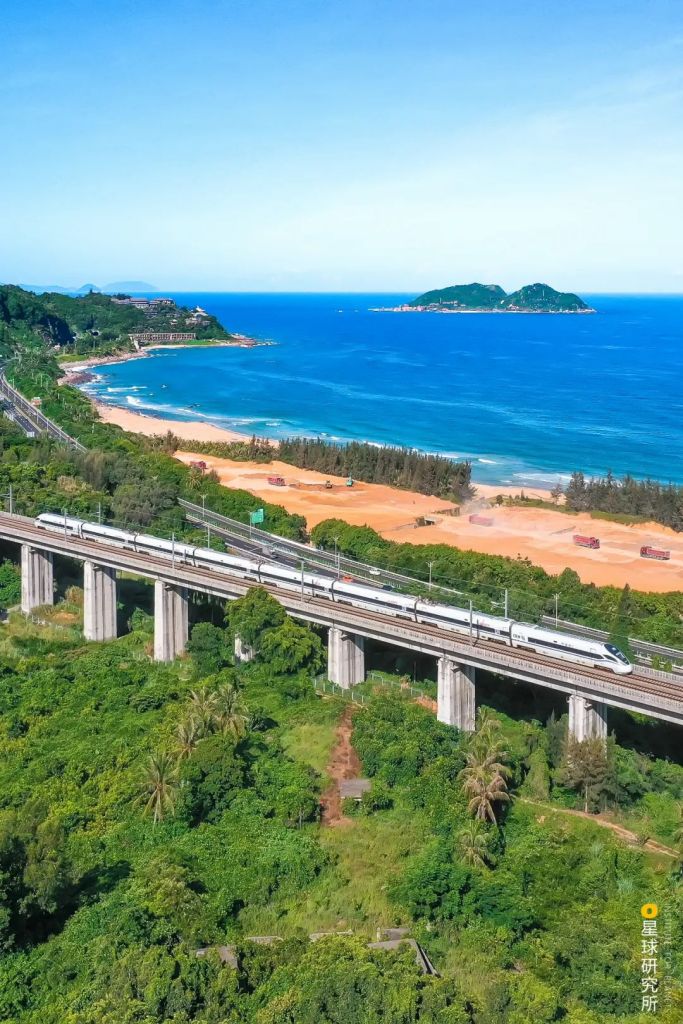
What is Hubei?

Original piece: 《什么是湖北?》
Produced by Institute for Planets (星球研究所)
Written by 星球研究所 所长
Translated by Kelvin Kwo
k
Posted with permission from Institute for Planets

The vicissitudes of the land of affection

An unprecedented pandemic has allowed us to revisit our impression of Hubei, and of all the components that shape the province.

There is Xiangyang, the fortress town.

A bird’s-eye view of the ancient city of Xiangyang
The closer water channel is an ancient moat, and the distant one is the Han River
It is a classic example of a ancient citadels that are easily guarded but difficult to attack
(photo: 颜京利)

And Yichang, the city of hydraulics.

A bird’s-eye view of Yichang
This city in which the Three Gorges Dam is located is praised as the world’s capital of hydropower
The dam on the left is the Gezhou Dam
(photo: 李理)

There is also Jingzhou, where…

So many momentous events, past and present, are bandied about with a laughter!

古今多少事,都付笑谈中

《临江仙》许慎 (58-148 AD)
English translation by Mr Gong Jinghao
A bird’s-eye view of the ancient city of Jingzhou
The ancient city of Jingzhou is located in the centre of the photo surrounded by a moat
Bottom left is a statue of Guan Yu holding his 70-metre long guandao or yanyuedao (literally ‘reclining moon blade’)
(photo: 邓双)

And the mighty Wuhan, where…

From the west the fresh breeze comes, sweeping away regrets of heaven and earth with mist and clouds;

to the east the river runs, scouring off sorrow of the past and present with its waves

爽气西来,云雾扫开天地憾

大江东去,波涛洗尽古今愁

《符秉忠题武汉黄鹤楼联》符秉忠
A bird’s-eye view of Wuhan and the East Lake
(photo: 陶进)

As well as Shiyan, Xiaogan, Jingmen, Ezhou, Huanggang, Xianning, Suizhou, Enshi, Huangshi, Xiantao, Qianjiang, Tianmen, and last but not least, Shennongjia, the only county-level administrative unit in the entire country that is designated ‘forestry district’.

These 17 administrative units make up the Hubei we know today.
Together, they walk through wars and floods, and fight against the pandemic.
They are so vibrant and diverse, yet many of us don’t really know them well.

Administrative division of Hubei
Hubei consists of 13 prefecture-level and 4 county-level administrative regions
Administrative regions: Shiyan (十堰), Xiaogan (孝感), Jingmen (荆门), Ezhou (鄂州), Huanggang (黄冈), Xianning (咸宁), Suizhou (随州), Enshi (恩施), Huangshi (黄石), Xiangtao (仙桃), Qianjiang (潜江), Tianmen (天门), Shennongjia (神农架)
(diagram: 赵榜 & 陈思琦, Institute for Planets)

So what is Hubei really?

From what we see, Hubei has survived centuries of constant hammering by devastating wars, floods and plaques. Throughout the hardship, the affectionate land has relentlessly stood in solidarity to build complementary communities with a shared destiny.

1. The heroic rise of the twin cities 双雄崛起

Hubei is located at the centre of China.

Horizontally, it sits on the border between the second and third step of the country’s three-step ladder terrain.
The Yangtze River courses down from the second step of the ladder through the province, connecting the Sichuan Basin in the west and the plains along the midstream and downstream of the river in the east.

Hubei (湖北) and the three-step ladder (三级阶梯) terrains
First (第一级阶梯), second (第二级阶梯) and third step of terrain ladder (第三级阶梯)
(diagram: 赵榜 & 陈思琦, Institute for Planets)

Vertically, the Qinling-Huaihe Line which separates the north and south runs along the northern border of Hubei.
Sitting on this division line, Hubei is immediately facing the North China Plain and Guanzhong Basin in the north, while connected to the Lingnan Region in the far south via the Dongting Lake Plains in Hunan.

Bridging the west and east while linking the south and north, Hubei is basically the crossroad of China.

The Crossroad of China
Hubei (湖北), Border of terrain ladder (阶梯分界线), Qinling-Haihe Line (秦岭淮河线)
(diagram: 赵榜 & 陈思琦, Institute for Planets)

Within Hubei, this crossroad was designated at two distinct locations during different historical periods, which resulted in the heroic rise of the twin cities.

Prior to Tang Dynasty, the political centre of China was mainly situated in the Guanzhong Basin and around Luoyang. Back then, a major corridor originating from Luoyang extended south through Nanyang and Xiangyang, and intersected with the Yangtze River within Hubei, thereby establishing the first crossroad in the province.

That intersection was Jingzhou.

Location of Jingzhou
Luoyang (洛阳), Nanyang (南阳), Xiangyang (襄阳), Jingzhou (荆州), Yangtze River (长江)
(diagram: 赵榜 & 陈思琦, Institute for Planets)

Jingzhou was the first hub city to be established in Hubei.
It served as the capital of the State of Chu for over 400 years throughout the Spring and Autumn and Warring States Periods.

Shashi District of Jingzhou, with the Yangtze River on the far side
(photo: 邓双)

It was also a strategically important location during the Three Kingdoms Period, the control over which all the states of Wei, Shu and Wu fought fiercely for. In the end, it was Guan Yu, a general of Shu, who ‘inadvertently lost Jingzhou (大意失荆州)‘ to Wu.

Statue of Guan Yu in Jingzhou
The statue is 58 metres high and the blade is 70 metres long
The Jingzhou during the Three Kingdoms Period had a larger territory; the Jingzhou government was based in Jiangling, equivalent to the Jingzhou District today
(photo: 邓双)

Li Bai, a renowned poet during the Tang Dynasty, spent just one day on the waterway on the Yangtze River to complete his 350 kilometres ‘light speed’ journey from Baidicheng in Chongqing to Jingzhou.

朝辞白帝彩云间
千里江陵一日还

In the midst of clouds all glowing, Baidi, I left you at dawn.
By evening I’ll be home at Jiangling*, a thousand miles I’ve gone.

《早发白帝城》李白 (701-762 AD)
English translation by Frank C Yue
*equivalent to Jingzhou District today
An evening at the Binyang Tower in the ancient town of Jingzhou
Existing buildings in the ancient town were mostly renovated during the Ming and Qing Dynasties
(photo: 邓双)

From the Song Dynasty onwards, China’s political centre was relocated to the east.
Whereas the capital city moved over time from Kaifeng to Hangzhou, Beijing and eventually Nanjing, the economic powerhouse migrated south to the Jiangsu and Zhejiang regions in the downstream of Yangtze River.

Wuhan, which was more east-leaning, gradually showed its edge as a hub for transport and communication. And this could not have been possible without the two close companions, Ezhou and Huangshi.

Location of Wuhan (武汉), Ezhou (鄂州) and Huangshi (黄石)
(diagram: 赵榜 & 陈思琦, Institute for Planets

Ezhou and Huangshi were very rich in mineral resources.

The very reason why the rulers of Shang Dynasty decided to build a city in Wuhan 3500 years ago was to control the copper resources in these two cities.

In the following 1000 years or so, the ancient Tonglüshan Mine in Huangshi produced about 100 thousand tons of raw copper in total, making it the ‘national treasure’ that forged the Chinese Bronze Age.

Today’s Ezhou, encircling the Yanglan Lake
(photo: 侯刚峰)

And in late Qing Dynasty, iron ores produced here were continuously sent to the Hanyang Iron and Steel Works in Wuhan to kick start the steel industry in China.

The mine produced as much as 140 million tons of iron ore in total. All that mining reduced a mountain into a 400 metres deep ‘sinkhole’.

Huangshi National Mine Park (photo: 何戈)

The smelted steel was most needed for the construction of the Beijing-Hankou (Jinghan) and Guangzhou-Hankou (Yuehan) Railways, which operated on opposite banks of the Yangtze River in Wuhan.

With railways stretching north and south, and a large river flowing from west to east, Wuhan is widely known as the ‘Nine Provinces’ Thoroughfare‘.

This makes Wuhan the second crossroad of Hubei.

Location of Wuhan (武汉)
The intersection of Yangtze River and Han River in Wuhan is another reason for the city’s rise, allowing to better manage the province
Jinghan Railway (京汉铁路), Yuehan Railway (粤汉铁路), Yangtze River(长江)
(diagram: 赵榜 & 陈思琦, Institute for Planets)

Where thousands of ships race on the coursing river today.

Wuhan New Port and the Yangtze River (photo: 王华)

And countless arrows are poised to strike day and night.

Wuhan Electric Multiple Unit (EMU) Depot (photo: 杨文忠)

But for Hubei, being a national crossroad or thoroughfare is just one side of the coin. Its strategic and tactical importance makes the province extremely susceptible to the ravages of military actions.

And here comes the first hammering on Hubei.
Wars.

What could defend it?

2. Natural defensive barriers 四方屏障

The key to defence is the natural barriers that surround Hubei.

Topographically, Hubei lies horizontally on the border of China’s ladder terrain, stepping down from the second step of the ladder in the west onto the third step in the east.
The western mountain ranges are especially tall and inaccessible.

Topography of Hubei
Wuhan (武汉), Xiangyang (襄阳)
Wuling Mountains (武陵山), Wu Mountains (巫山), Wudang Mountains (武当山), Tongbai Mountains (桐柏山), Dabie Mountains (大别山), Mufu Mountains (幕阜山)
(diagram: 赵榜 & 陈思琦, Institute of Planets)

The Qinling Mountains and Daba Mountains extend all the way from Sichuan and Shaanxi and guard the northwest.

Wudang Mountain in the winter
It is in the eastern range of the Daba mountains
(photo: 徐欣)

Defending the southwest are the 2000 metres tall Wuling Mountains that originate from the highlands of Yunnan and Guizhou.

Wuling Mountains around the Qingjiang Gorge in Enshi
(photo: 傅鼎)

Standing strong in between are the Wu Mountains with a maximum elevation of 1822 metres. The Yangtze River that cuts through the ranges creates the precipitous and serpentine Wu Gorge, the second of the Three Gorges.

Damian Mountain in the Wu Gorge
The 1822-metre elevation is the highest for Wu Mountains within Hubei
(photo: 李心宽)

And the champion of elevation in Henan, Hubei and Hunan goes to Shennongjia, which is famed the ridge of Central China with an elevation of 3106 metres.

Shennongjia
(photo: 程境)

In addition, the abundant rainfall in the western regions of Hubei continuously dissolves the carbonate rocks widely distributed in the area. Over time, it carves out spectacular karst landscapes, including the Tenglong Cave, whose entrance is 72 metres tall and 64 metres wide.

Tenglong Cave, Lichuan, Enshi (photo: 文林)

As well as the 108 kilometres long Enshi Grand Canyon.

Complete view of the Enshi Grand Canyon, with sheer cliffs on the left and a ground seam on the right
Note the waterfall and tourist elevators to get a feel of the enormity of the canyon
(photo: 李云飞)

When viewed from above, the vast ground seam looks like a massive gap between the split up lands.

Yunlong Seam of the Enshi Grand Canyon
(photo: 在远方的阿伦)

Three administrative units, namely Enshi, Shennongjia and Shiyan, line up along the chain of mountain ridges to form the western barrier.

Topography and administrative division of western Hubei
Enshi (恩施), Shennongjia Forestry District (神农架林区), Shiyan (十堰)
(diagram: 赵榜 & 陈思琦, Institute for Planets)

The mountainous terrain in Enshi provides a natural shelter for minorities and their cultural development. About 54% of Enshi’s population is made up of 28 minority groups including the Tujia, Miao and Kam people.

Tusi Ancient City, Enshi in the winter
It was the residential area for Tusi (tribal chief recognised as imperial officials) during Yuan, Ming and Qing Dynasties
Photo shows contemporary buildings
(photo: 文林)

Shiyan, on the other hand, was chosen in the 1960s to be part of the Third Front Movement initiated for national defence and infrastructure purposes. The remote city sitting deep in the mountains impressively turned into a modern automobile city.

Hundreds of new cars in Shiyan
The Second Automobile Works was later renamed Dongfeng Motor Corporation
(photo: 程境)

Best known as the ‘untouched wilderness’, 90% of Shennongjia‘s territory is covered by forests. With more than 3900 plant species and 1000 animal species, it is the best preserved northern subtropical ecosystem at the mid-latitude of northern hemisphere.

Sunset in Taiziya, Shennongjia
(photo: 姜轲)

A natural barrier gating only the west border is certainly far from sufficient.

Hubei is also surrounded by mountains in the north and east. Almost like a basin, it is protected by Xiangyang, Suizhou, Huanggang, Xianning and Yichang lining the basin rim. Together, these five cities form a half-ring barrier.

Location of Xiangyang (襄阳), Suizhou (随州), Huanggang (黄冈), Xianning (咸宁) and YIchang (宜昌)
Qutang Gorge (瞿塘峡), Wu Gorge (巫峡), Xiling Gorge (西陵峡), Jing Mountain (荆山), Dahong Mountain (大洪山), Tongbai Mountain (桐柏山), Dabie Mountain (大别山), Mufu Mountain (幕阜山)
(diagram: 赵榜 & 陈思琦, Institute for Planets)

In the north, Suizhou is sandwiched by the Dahong Mountains and Tongbai Mountains in the south and north, respectively, forming a two-fold natural barrier.

Dahong Mountain, Suizhou
(photo: 田春雨)

The geographical importance of Suizhou was already noticed by the rulers of Zhou thousands of years ago, which prompted the establishment of the state of Zeng. It was primarily assigned to surveil any instabilities across the Jianghan Plains.
The tomb of Marquis Yi of Zeng that shocked the world was excavated right here in Suizhou.

Bianzhong (bells) of Marquis Yi of Zeng in Hubei Provincial Museum
The state of Zeng was once mistaken as Sui by many scholars
(photo: 沈噌噌)

In the northeast, the Dabie Mountains spread across Huanggang like a wall with a maximum height of 1700 metres.

This city of mountains and forests have cultivated generations of revolutionists, including the 440,000 lives dedicated to the establishment of New China. Among those, 53,000 are officially recognised as martyrs and more than 200 of them are regarded as founding generals of the country.

Tiantangzhai, Luotian County, Huanggang
It is one of the major peaks of Dabie Mountains
(photo: 朱金华)

And in recent years, Huanggang became a national legend in education. Its success is largely built up through their energetic and determined attitude — ‘tough learning among students, tough lessons from teachers, tough accompaniment by parents (学生苦读,老师苦教,家长苦帮)‘.

Hunaggang Middle School (photo: 孙乾)

Xianning in the southeast is joined by the towering Mufu Mountains with a maximum elevation of 1600 metres.

A sea of clouds on the Jiugong Mountain of the Mufu Mountains
(photo: 应文)

The famous Battle of Chibi (literally ‘red cliff’) during the Three Kingdoms Period was fought in Xianning.

And during the Northern Expedition in the last century, the expeditionary army managed to launch the attack on Wuhan only after successfully taking Xianning following the Tingsi Bridge Battle and the Hesheng Bridge Battle.

Ancient battlefield of Chibi, Xianning
(photo: VCG)

Yichang in the west is a transition zone between the western mountain ranges and the plains. Qing River, the 423-kilometre tributary of the Yangtze River, curls through the rolling hills in the city, creating the scenic Qing River Gallery.

A bird’s-eye view of the Qing River Gallery
(photo: 傅鼎)

More spectacular is the Xiling Gorge, which is the longest among the Three Gorges with a total length of 76 kilometres.

Xiling Gorge (photo: 李心宽)

Because of the Xiling Gorge, Yichang is able to ‘monitor Bashu regions in the upstream, and control Jingxiang regions in the downstream (上控巴蜀,下引荆襄)’.
This highlights the strategic significance of Yichang.

Yichang
The island in the centre of the river is Xiba
(photo: 李理)

The most critical position of all in the half-ring barrier is Xiangyang in the northwest, which is quite a substantial breach in Hubei’s mountainous defence formation.

Topography of Hubei and location of Xiangyang (襄阳)
(diagram: 赵榜 & 陈思琦, Institute for Planets)

Wars were frequent in the Central and North China Plains in ancient periods. They often spread to the south together with refugees fleeing from them.
This makes Xiangyang, a breach point of the defence barrier, the most important military stronghold in Hubei.

Its border in the north leaned against the Han River, and the remaining border was protected by the widest moat ever built in Chinese history. The moat we see today is on average 250 metres wide, and almost 280 metres at the widest.

This is where the phrase ‘Xiangyang the fortress town‘ comes from.

A bird’s-eye view of the ancient city of Xiangyang
(photo: VCG)

It was in Longzhong, Xiangyang, where Zhuge Liang, the renowned strategist during the Three Kingdoms Period, proposed the Longzhong Plan.
The Battle of Fancheng, which happened in today’s Xiangyang, was famously adapted in Romance of Three Kingdoms as the Drowning of Seven Armies incidence organised by Guan Yu.

Part of the Legend of the Condor Heroes by Jin Yong was set during the decisive Battle of Xiangyang between the Mongols and Song Chinese, which lasted 6 years and sealed the fate of the falling Song Dynasty.

In addition, there was the Battle of Xiangfan between the Song and Jin.
The attack on Xiangyang during the peasant uprising in the late Yuan Dynasty.
And the Battle of Xiangyang through which Zhang Xianzhong captured the city towards the end of Ming Dynasty.
As well as the Battle of West Henan-North Hubei during the Second Sino-Japanese War.

There were no fewer than 170 battles fought in or for Xiangyang.

Linhan Gate of the ancient city of Xiangyang next to the Han River
The exact location of Longzhong is still controversial
(photo: 颜京利)

Throughout the centuries, Hubei has passed numerous tests of warfare, thanks to the western and half-ring barriers.
With the dawn of peace today, can Hubei, the crossroad of China, finally explore its full potential?

Not so fast.
What closely follows is the second hammering.
Floods.

3. The heartland of Jianghan Plain 江汉腹地

Looking back on history, Hubei never really had an impressive economic status in the country ever since the Qin Dynasty. It always fell behind Jiangxi, Jiangsu and Zhejiang, which are also in the midstream and downstream of the Yangtze River.
An important reason for this, apart from the recurrent cycles of war and rebuilding, is the excessive abundance of water.

All the mountainous around Hubei contribute to the large number of rivers flowing through the province, including more than 1000 small rivers (<5 kilometres), 4000 medium rivers (>5 kilometres) and 41 large rivers (>100 kilometres).

Pingshan Grand Canyon, Hefeng County, Enshi
(photo: 春凋在路上)
Qing River, Jiangshi County, Enshi
On the right is the Butterfly Cliff Waterfall
(photo: 李云飞)

Owing to the basin structure of Hubei, these rivers all converge and enter the Yangtze River and its branches. With 99% of the province’s territory belonging to one river basin, Hubei is where ‘all waters become one (众水归一)‘.

River system of Hubei
Jianghan Plain (江汉平原), Wuhan (武汉)
Yangtze River (长江), Zhu River (堵河), Qing River (清江), Han River (汉江), Fu River (府河), Three Gorges of Yangtze River (长江三峡)
Danjiangkou Reservoir (丹江口水库), Dongting Lake (洞庭湖), Hong Lake (洪湖), Futou Lake (斧头湖), Liangzi Lake (梁子湖), Poyang Lake (鄱阳湖)
(diagram: 赵榜 & 陈思琦, Institute for Planets)

For tens of thousands of years, this ‘all become one’ river system had fertilised the basin which is known today as the Jianghan Plain.

Crop fields on the Jianghan Plain, Qianjiang
(photo: 陈小羊)

The elevation of much of the Jianghan Plain is below 35 metres. This allows the Yangtze River to progress freely through the flat land like a meandering serpent.

Sinuous river course of Jingjiang portion of the Yangtze River
Yidu (宜都), Zhi RIver (枝江), Jingzhou (荆州), Shishou (石首市), Junshan District of Yueyang (岳阳君山区)
(photo: Esri Image Map)

The Yangtze River and other smaller rivers join force with rainfall in low-lying regions to create numerous lakes and wetlands, including the Chang Lake, Futou Lake and Liangzi Lake.
Hubei is therefore also known as the ‘thousand lake province‘.

The largest lake in Hubei today is the Hong Lake. With an area of about 348 square kilometres, it is one of the seven major freshwater lakes in China. The total lake area on the Jianghan Plain between 5500-500 BC was estimated to be about 12,250 square kilometres.

Wang Lake Wetland Nature Reserve, Hubei
(photo: VCG)

But a plain predominantly occupied by lakes, marshes and slow-flowing rivers was not the best habitat for humans. Our ancestors therefore built dams, consolidated river banks and constructed dikes to make polders to farm around these lakes and marshes.

Polders in Songzi
Paddy fields (水田), lake and fish pond (湖泊, 鱼塘), dry land (旱地)
Blue dotted line: river (河流); yellow dotted line: dikes and residential areas (垸提, 民居)
(photo: Esri Image Map)

Development in Hubei was ramped up to its peak during the middle and late Ming Dynasty and became the most important national granary. As the ancient Chinese saying goes, ‘a bumper harvest in Hubei and Hunan feeds all under heaven (湖广熟,天下足)‘.

But this comes with a heavy price.
Many lakes in Hubei disappeared, and the Jingjiang section of Yangtze River restricted by dikes rose up continuously. It slowly became a hanging river.

Chenglingji, Yueyang, at he end of Jingjiang portion of Yangtze River
This is the border between Hubei and Hunan
(photo: 蓑笠张)

The plain with few and few lakes gradually lost its storage capacity for rivers. This led to frequent floods.
The Great Dike of Jingjiang, for instance, failed as many as 36 times over 390 years between 1559 and 1949. That was one failure every 11 years on average.

Hubei soon lost the title of national granary.
During the Late Qing Dynasty and the Republic era, food production dropped so significantly that Hubei struggled to even be self-sufficient, and had to rely on provisions from Hunan.
The idiom then became ‘a bumper harvest in Hunan feeds all in Hubei (湖南熟,湖北足)’.

The 1998 flood in Jianli County
(photo: 黄正平)

Even with the establishment of New China, floods continued to haunt the heartland of Jianghan Plain.
When the 1998 Flood hit, millions of soldiers were sent to defend the Great Dike of Jingjiang. Although they succeeded in preventing the dam from bursting, there were still up to 1770 incidents reported in various locations.

Flood problems have to be solved if Hubei ever wants to achieve any long-term development. In addition to returning farmlands back to the lakes to restore their natural storage capacity, a mega project was included in the latest agenda on flood control.

This time, Yichang took up the challenge.

Location of Yichang (宜昌)
Qutang Gorge (瞿塘峡), Wu Gorge (巫峡), Xiling Gorge (西陵峡) along the Yangtze River (长江)
(diagram: 赵榜 & 陈思琦, Institute for Planets)

After submerging hundreds of towns and relocating millions of citizens, the Three Gorges Dam was completed in 2006 in Yichang.

With a volume of almost 40 billion cubic metres, this gigantic reservoir is capable of blocking flood peaks as well as generating electric power. Floods that bothered Hubei for thousands of years have since been largely mitigated.
The Jianghan Plain and the adjoining hilly lands can finally enjoy a safe environment for full-scale development.

Three Gorges Dam (photo: 李心宽)

Cities residing in these regions include not only Jingzhou and Wuhan, but also Jingmen, Xiaogan, Xiantao, Tianmen and Qianjiang.

Cities in the heartland of Hubei
Jingzhou (荆州), Wuhan (武汉), Jingmen (荆门), Xiaogan (孝感), Xiantao (仙桃), Tianmen (天门), Qianjiang(潜江)
(diagram: 赵榜 & 陈思琦, Institute for Planets)

In Qianjiang, farmers innovated a rice-crawfish rotation system by farming crawfish in paddy fields. With the extra help of pond cultivation, the city can produce more than 90,000 tons of crawfish every year. Together with other regions in Hubei, they account for almost half the crawfish production in China.

A 16-metre tall sculpture of crawfish in Qianjiang
(photo: VCG)

Xiantao is the largest manufacturing and processing centre for non-woven fabric in China. The masks and personal protection equipments mass produced here were constantly sent to the global frontline in the war against the pandemic.

Night view of Xiantao (photo: 尹权)

As the ‘cotton’s home in China’, Tianmen once had a cotton plantation area of 800,000 mu. Today, it has the most complete cotton industry chain that consists of cotton plantation, trading, cotton spinning technology and spinning machinery manufacturing.

Tower of Tea Classics, Tianmen West Lake
This Tang-style tower was built to commemorate Lu Yu, the Sage of Tea, who was originally from Tianmen
(photo: 张乔)

The largest imperial tomb of Ming Dynasty sits on 181.13 hectares of land in Jingmen. Known as the Ming Xian Ling Mausoleum, it is where the bodies of Jiajing Emperor’s parents rest.

Ming Xian Ling Mausoleum
It is located in Zhongxiang, Jingmen
(photo: VCG)

Jingmen is quietly transforming itself with the help of two emerging industries, which are aviation manufacturing and electric vehicle manufacturing.

Aviclub Flight Carnival 2018 in Jingmen, Hubei
This is AVIC AG600, China’s largest amphibious aircraft
(photo: VCG)

Xiaogan brews the famous Xiaogan rice wine with glutinous rice of the best quality. And now, dozens of companies in Xiaogan are trying to establish an additional identity, the ‘China’s paper capital‘. The production capacity of tissue paper in the city today accounts for 16% of all production in the country.

On 24 March 2020, the automated production line of Vinda in Xiaogan was already back in business
(photo: VCG)

4. Back on track 重回正轨

And all these conclude what Hubei really is.
A land that survived centuries of remorseless wars and floods while nurturing the 17 administrative regions.

Administrative division of Hubei
(diagram: 赵榜 & 陈思琦, Institute for Planets)

Today, with wars eliminated and floods mitigated, Hubei can finally unleash its full potential as the national crossroad.

For China, it is an important passenger transportation hub.

Wuhan Tianhe International Airport
(photo: 长江日报)

A crucial freight centre.

Wuhan Tianhe International Airport
Busy epidemic prevention and control personnel delivering medical supplies during the pandemic
This precious photo was taken by a drone during a flight window period
(photo: VCG)

An irreplaceable ground for talent cultivation.

Campus of Humanities and Sciences, Wuhan University
(photo: 田春雨)

And a highly competent manufacturing base.

Wuhan Headquarter of Dongfeng-Honda Automobile Co. Ltd.
The production line had resumed business operation since 23 March 2020
(photo: VCG)

It is rich in cultural heritage of the thousand-year civilisation.

Jinding Architectural Complex on Wudang Mountain
(photo: 颜京利)

And stimulate innovative minds that thrive at the frontier of cutting-edge technologies.

Optics Valley Square in Wuhan
(photo: 欧昌宏)

It is also blessed with the treasure of nature.

Danjiangkou Reservoir, water source for the South-North Water Transfer Project
(photo: 颜京利)

After the meandering walk through the vicissitudes, Hubei, the land of affection, is slowly coming back on track.

A heavenly ride on the misty Sidu Bridge along the Shanghai-Chongqing Higway after a spring rain
(photo: 文林)

Production team
Text: 星球研究所 所长
Photos: 谢禹涵
Maps: 陈思琦
Design: 赵榜
Review: 王朝阳、撸书猫
Cover Photo: 李理

References
1. 李长安,《荆楚地理》,武汉出版社,2018
2. 章开沅等,《湖北通史》,华中师范大学出版社,2018
3. 宋传银,《湖北历史人口研究》,现代教育出版社,2009
4. 张伟然,《湖北历史文化地理研究》,湖北教育出版社,1999
5. 刘森淼,《荆楚古城风貌》,武汉出版社,2012
6. 李娟文等,《湖北地理》,北京师范大学出版社,2015

… The End …

Institute for Planets
星球研究所
一群国家地理控,专注于探索极致风光
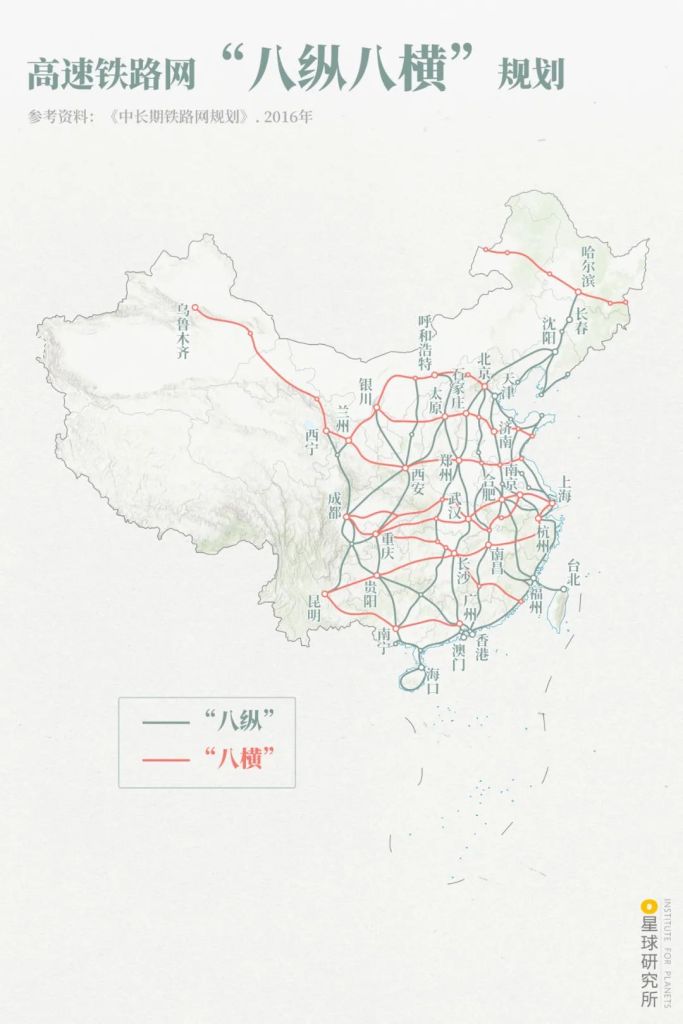
A National Grid for 1.4 Billion People

Original piece: 《14亿人全民通电,中国如何做到的?》
Produced by Institute for Planets (星球研究所)
Written by 桢公子
Translated by Kelvin Kwo
k
Posted with permission from Institute for Planets

The Wonders of Electric Power

In 2018, when the global power generation growth was lingering at 3.7%, China took the lead and achieved an 8.4% growth.
The annual power generation in China that year reached 7.1118 trillion kilowatt-hours (kWh), which accounted for a fourth of the power generated in the world. To put it into perspective, the power generated every two seconds was sufficient to meet a Chinese person’s lifetime demand for electricity (based on average longevity of 76 years and electricity consumption per capita in 2018).

Top 10 countries ranked by power generation in 2018
Countries: China (中国), United States (美国), India (印度), Russia (俄罗斯), Japan (日本), Canada (加拿大), Germany (德国), Korea (韩国), Brazil (巴西), France (法国)
Power generation measured in 100 million kWh (亿千瓦时)
Reference: BP Statistical Review of World Energy 2018
(diagram: 郑伯容, Institute for Planets)

Among all the 233 countries and regions in the world, China is the first and currently the only one to have the entire population of 1.4 billion connected to electricity.

Satellite image of the dazzling night city of Shanghai
(photo: NASA)

How did China achieve this?

1. 70.4%

Of the 7.1118 trillion kWh of electricity generated in China, 70.4% is contributed by thermal power alone.

Proportion of thermal (火力) power generation in China 2018
Types of electric power: thermal power (火电), hydropower (水电), wind power (风电), nuclear power (核电), solar power (太阳能)
·      Unit: 100 million kWh (亿千瓦时)
·      Reference: National Electrical Industry Statistical Bulletin 2018
(diagram: 郑伯容, Institute for Planets)

Soaring chimneys and massive cooling towers are the most common features of a thermal power plant.

Cooling towers rising above the mist
Heated cooling agents in the power plant are cooled down and recycled in the cooling towers. With recent advancement in treatment processes, chimneys in thermal power plants are increasingly combined with desulphurisation towers
(photo: 孟祥和)

Commonly used fuels for thermal power plants include coal, oil, natural gas, and even straw and garbage. Owing to the relatively mature technology and ample fuel supply, thermal power plants are widely distributed in China.

Jinlian Power Station in Holingol, Inner Mongolia
(photo: 鹿钦平)
A CR Limited thermal power plant sitting by the water in Guangzhou
(photo: 陈国亨)

In a ‘country of coal’ like China, coal-fired power plants are destined to dominate thermal power generation, with their installed capacity accounting for almost 90% of all thermal power plants.
Every year, 3.68 billion tons of raw coal are mined from more than 5800 coal mines across the country, and at least half of them are sent to these thermal power plants to be burnt*.
* 2018-2019 Analysis and Forecast Report on Electricity Supply and Demand

Huiyuan Power Station, Suzhou, Anhui
Lower right shows the coal reserve for the power plant
(photo: 尚影)

Thus, the thermal power landscape in China is closely associated with the capacity of coal production. Indeed, in northern regions* where coal is relatively abundant, the installed capacity of thermal power contributes more than 70% of all electric power.
* ‘Northern regions’ refer to Northeast China, Northwest China excluding Qinghai, Northern China, Shandong and Henan

Types of power generation and percentage of respective installed capacity (装机容量)
Power type: thermal power (火电), hydropower (水电) and others (其他)
Coal production (煤炭产量) measured in 10,000 tons (万吨)
Reference: China Electric Power Yearbook 2018, excluding data from Hong Kong, Macau and Taiwan
(diagram: 郑伯容, Institute for Planets)

It may seem surprising, though, that many coastal provinces in the south are ranked among the top 10 based on their absolute thermal power installed capacity, outcompeting many coal-producing provinces.

These ‘special’ regions, including Shandong, Jiangsu, Inner Mongolia, Guangdong, Henan Shanxi, Zhejiang, Anhui, Xinjiang and Hebei, are usually densely populated with a more developed economy, and thus have an extremely high demand for electric power.

Comparison of electricity consumption among all provinces, municipalities and autonomous regions in China in 2018
Regions: Guangdong (广东), Jiangsu (江苏), Shandong (山东), Zhejiang (浙江), Henan (河南), Hebei (河北), Inner Mongolia (内蒙古), Sichuan (四川), Fujian (福建), Liaoning (辽宁), Shanxi (山西), Xinjiang (新疆), Anhui (安徽), Hubei (湖北), Hunan (湖南), Guangxi (广西), Yunnan (云南), Shanghai (上海), Guizhou (贵州), Jiangxi (江西), Shaanxi (陕西), Gansu (甘肃), Beijing (北京), Chongqing (重庆), Ningxia (宁夏), Tianjin (天津), Heilongjiang (黑龙江), Jilin (吉林), Qinghai (青海), Hainan (海南), Tibet (西藏)
Reference: State-owned Assets Supervision and Administration Commission of the State Council, excluding data from Hong Kong, Macau and Taiwan
(diagram: 郑伯容, Institute for Planets)

Numerous thermal power plants were built to meet their urgent demand for electricity.
For instance, the thermal power generated only for Guangdong in 2017 was 316.5 billion kWh, far exceeding that for coal-producing Shanxi by 26 %.

To generate power at such scale, coal consumption is measured in hundreds of millions of tons. But major load centres like Guangdong usually lack coal mines, and the closest one may be thousands of miles of way.

How are mountains of coal delivered to these regions?

Liwan Thermal Power Station, Guangzhou, Guangdong
Coal is either domestically produced or imported in China
Since imported coal accounts for only approximately 10% of the country’s coal consumption, this piece will focus mainly on the domestically produced coal
(photo: 刘文昱)

Let us take a look at the famous railway running between Datong, Shanxi, and Qinhuangdao, Hebei.
Accounting for less than 0.5% of the total railway mileage in China, it is responsible for almost 20% of all railway transportation of coal. Every second there are approximately 14 tons of coal arriving at the coast of the Bohai Gulf on this train.

This is the Datong-Qinhuangdao Railway, or the Daqin Railway.

It is the first heavy-haul railway in China. A single train is about 4000 metres long, which is about the length of 10 to 20 concatenated high-speed railway trains. Once the coal arrives at the Qinhuangdao Port, it can be shipped more economically to the coastal regions in the east and southeast.

Daqin Railway; note the length of the train
The cost for river transportation is about 30-60% of that for railway transportation, and will be even less for shipping by sea
(photo: 姚金辉)

During the Spring Festival in 2008, the southern regions of China were freezing cold with snow and rain. Many power transmission lines and transportation routes were damaged, forcing 17 provinces to restrict power usage despite the tough winter.

It was then when the single-day transportation volume of Daqin Railway exceeded 1 million tons for the first time. Thanks to this additional freight capacity, enormous amount of coal was sent to the south continuously for the next 20 days, literally ‘delivering coal in the snow when it is most needed (雪中送炭)’.

Coal piles at the Qinhuangdao Port
(photo: VCG)

But the Daqin Railway is just the tip of the iceberg of the coal railway transportation network in China.

The Kholbolji-Ji’an Railway (or Haoji Railway, previously known as Menghua Railway), which inaugurated in September 2019, is another heavy-haul railway carrying coal from Inner Mongolia, Shanxi and Shaanxi to Central China. Spanning more than 1800 kilometres and crossing seven provinces, this railway is the largest of its kind in the world.

A thermal power plant next to the Zhengzhou section of Longhai Railway
(photo: 焦潇翔)

According to the master plan, there will be a massive railway network connecting Shanxi, Shaanxi, Inner Mongolia, Xinjiang, coastal areas, as well as regions along rivers. Like arteries in the body, they will distribute 75% of domestically produced coal to regions all over the country.

Key coal transportation railway routes
Together with other transportation means such as road and waterway transport, the railway routes form a ‘nine vertical and six horizontal’ coal transportation network
Railways: Daqin Railway (大秦铁路), Tanghu Railway (唐呼铁路), Shenshuohuang Railway (神朔黄铁路), Haoji Railway (浩吉铁路/蒙华铁路), Wari Railway (瓦日铁路), Houyue Railway (侯月铁路), Lanyu Railway (兰渝铁路), Ningxi Railway (宁西铁路)
Cities: Datong (大同), Qinhuangdao (秦皇岛), Tangshan (唐山), Hohhot (呼和浩特), Shenmu (神木), Huanghua (黄骅), Kholbolji (浩勒报吉), Ji’an (吉安), Watang (瓦塘), Rizhao (日照), Houma (侯马), Yueshan (月山), Lanzhou (兰州), Chongqing (重庆), Nanjing (南京), Xi’an (西安)
(diagram: 郑伯容, Institute for Planets)

However, the coal transportation network, no matter how established it is, is still not a long-term solution for the rapidly rising electricity demand.

Moreover, the thermal power plants scattered around load centres are usually small or medium-sized. While the cost of construction of these plants is lower, they generate power at a much lower efficiency and consume 30-50% more coal than large plants.

Baqiao Thermal Power Station
Located in the city centre of Xi’an, it has an installed capacity of 249,000 kWh
(photo: 李顺武)

Particularly during the early days when China was relatively underdeveloped, it was practically impossible to have a centralised and efficient system to process air pollutants, including soot, sulphur dioxide and nitric oxides, that were released by all these small and medium-sized power plants.
The turning point came in the 1960s, when large thermal power plants located near coal mines and transit ports started booming.

Gujiao Power Station in Shanxi
Also known as mine-mouth power station, it is located near a coal mine
(photo: 陈剑峰)
Taizhou Second Power Station in Zhejiang
Also known as harbour power station, it is sitting right next to a port
(photo: 汪开敏)

One of them is the Tuoketuo Power Station in Hohhot, Inner Mongolia, located just 50 kilometres away from the Dzungaria coal field. It is the largest coal-fired power plant in the world with an installed capacity of 6.72 million kWh.

Building large power plants at mine mouths or by a port not only substantially alleviates the burden on coal transportation, but also improves thermal efficiency for power generation and allows centralised emission controls.

But now the load centres are thousands of miles away from the plants.
What’s next?

The simple answer is power transmission.

As always, it is easier said than done.
First, the electrical resistance in the transmission line will become enormous when transmitting power across vast distances. Therefore, the transmission current will have to be reduced as much as possible to minimise power loss. To maintain a given transmission power, the transmission voltage has to be maximised while being economical.

Joule’s Law is given by Q = I2Rt, where Q is the energy loss. When resistance (R) becomes substantial, a smaller current (I) results in a smaller energy loss.

Electric power can be calculated by P = I x U, where P is the power. To maintain a constant P while minimising the current (I), the voltage (U) has to be maximised.

Transmission towers in Zheduo Mountain, Kangding, standing in the sea of clouds
(photo: 李珩)

The first domestically designed and constructed high-voltage transmission line in China was completed in 1954. With a transmission distance of only 369 kilometres and a voltage of 220 kilovolts (kV), the technology then was about 30 years behind the world.

But in the next 65 years, the Chinese managed to conquer extra-high voltage and ultra-high voltage transmission one after another. It was an explosive advancement in long-distance electric power transmission, that the highest voltage achieved has today reached 1000 kV for alternating current (AC) and ±1100 kV for direct current (DC) transmission. The single-route transmission distance has even exceeded 3000 kilometres, which is approximately the straight-line distance between Urumqi and Nanjing.

For AC transmission, high, extra-high and ultra-high voltages are defined as 35-220 kV, 330-1000 kV and >1000 kV, respectively.

For DC transmission, extra-high and ultra-high voltages are defined as ±400-±600 kV and >±800 kV, respectively

Extra-high voltage transmission line (±800 kV) between Jiuquan and Hunan
(photo: 刘忠文)

The coal transportation railway and power transmission networks work together to coordinate the operation of all thermal power plants, be they located in load centres, next to coal mines or by the sea. They serve as the mainstay for the power industry in China.

Having said that, in spite of the constant improvement in dust removal, desulphurisation and denitrification processes, thermal power generation is still a major consumer of fossil fuel and emitter of greenhouse gas. A cleaner alternative for energy is desperately needed.

Therefore, the Chinese turned to hydropower.

2. 88%

China tops the world ranking in both the total reserve in hydraulic resource and the potential installed capacity that comes with it.

The country is so rich in hydraulic resources that hydropower is currently the second largest energy source, accounting for 17.6% of total power generation. Together, hydropower and thermal power supply as much as 88% of the electricity generated in China.

Proportion of hydropower (水力) generation in China 2018
(diagram: 郑伯容, Institute for Planets)

Hydropower exploits the potential energy derived from falling water or kinetic energy of running water to drive the rotation of turbines in a power generator. It neither burns fuels nor emits any exhaust gas, and is therefore much cleaner than thermal power.

The turbine hall (also known as volute) of Baihetan Dam under construction
It is designed to divert flowing water that drives the turbine along the circumferential direction
(photo: 李亚隆)
 

In 2018, hydropower generated 1.2329 trillion kWh in China, saving almost 400 million tons of coal.

When carefully designed and located, hydropower plants can also be utilised for flood control, shipping and as a water supply.

Five-stage ship lock of the Three Gorges Dam
The difference in water level in the ship lock can be as much as 113 metres, approximately 35 stories high
(photo: 李心宽)

As well as for water transfer or sand discharge.

Xiaolangdi Dam on the Yellow River
(photo: 邓国晖)

Or even paint a beautiful landscape in the upstream reservoir area.

Xinanjiang Reservoir, Qiandao Lake (literally ‘thousand island lake’)
(photo: VCG)

The problem with hydropower in China, however, is the uneven distribution of hydraulic resources.

More than 60% of the exploitable resources are concentrated in the southwest regions, where large rivers originate and rush down from the Tibetan Plateau through mountains and canyons.
These regions accommodate 8 out of the 13 large hydropower plants (installed capacity >1.2 million kW) in China, which are dispersed along Jinsha River, Salween River (or Nu River in Chinese, literally meaning ‘furious river’), Lancang River, Dadu River, Wu River, Yalong River, Nanpan River, Hongshui River and the upstream stretches of Yangtze River.

Distribution of large hydropower plants (大型水电站) in China
Upstream basin of Yangtze River refers to Yibin-to-Yichang section of the river
Orange dots indicate hydropower plants
(diagram: 郑伯容 & 巩向杰, Institute for Planets)

In contrast to thermal power, the ‘fuel’ in hydropower is not mobile, and the power plant has to be placed right next to it. Hence, it has o rely on power transmission to supply electricity to load centres.

This is why the potential of hydropower is always tightly coupled with the development in long-range power transmission technologies.

And that is exactly what catalysed the continuous technological leaps in the latter.
One by one, Chinese engineers succeeded in building the country’s first 10 kV AC transmission line, the first 110 and 220 kV high voltage AC transmission line, the first 330 kV extra-high voltage AC transmission line, and the first high voltage DC transmission line.

Liujiaxia Dam, Gansu
(photo: 图虫创意)

The Gezhou Dam, completed towards the end of 1988, was the first hydropower plant on the Yangtze River. Famously referred to as the ‘first dam of the thousand-mile Yangtze’, it is complemented by the country’s first extra-high voltage AC transmission line with a transmission voltage of ±500 kV and a transmission distance of 1046 kilometres.
Joining force with the Central China and Eastern China power grid, the Gezhou Dam diligently generates electricity for Shanghai.

Gezhou Dam and the city of Yichang, Hubei
(photo: 李理)
 

The world’s largest hydroelectric dam, Three Gorges Dam, has an installed capacity of 22.5 million kW. This is equivalent to 8 Gezhou Dams and 3 Tuoketuo Power Stations (world’s largest thermal power plant) combined.

The electric power generated by the Three Gorges Dam in 2018 exceeded 100 billion kW for the first time since its completion. This equates to a good 40% of the power generation capacity of the entire Hubei province, and easily sets the new world record for annual hydroelectric power generation.

Jiangsu, Guangdong and Shanghai on the other side of the country are also connected to this ‘super generator’ via three ±500 kV DC transmission lines.

Flood discharge at the Three Gorges Dam
(photo: 黄正平)

And with the Xiaowan Dam in Yunan coming into service, the world’s first ±800 kV ultra-high voltage DC transmission line made its timely debut. The transmission distance is about 1438 kilometres, which is capable of sending electric power from Yunan all the way to Guangdong.

After decades of catching up, China is now finally back at the forefront with the rest of the world in the upcoming era of ultra-high voltage power transmission.

The elegant arch structure of the Xiaowan Dam, Yunan
(photo: 熊发寿)
 

The coverage of hydropower has grown substantially since then.

Numerous hydroelectric power plants have risen from the grounds of Southwest China to keep the east and southeast regions connected to the grid.

Baihetan Dam under construction
Expected to be completed in 2022, it will be the third largest hydroelectric power plant in the world with an installed capacity second only to the Three Gorges Dam
(photo: 柴峻峰)
 

Situated in the lower course of Jinsha River, the Xiangjia Dam delivers electricity to 8 provinces and municipalities via the 1907 metres long ±800 kV DC ultra-high voltage transmission line.

It supplies 30 billion kWh of electricity to Shanghai every year, which is about 20% of the city’s total consumption in 2018 (rough approximation excluding power loss during transmission).

Xiangjia Dam
(photo: 柴峻峰)

Also located on the Jinsha River but with an even more stunning appearance is the Xiluodu Dam. Its 285.5 metres high arch dam is on par with a 90-storey skyscraper, and with an installed capacity of 13 million kW, it is currently the third largest hydroelectric power plant in the world. The 8 million kW transmission capacity of the ±800 kV transmission line linking Xiluodu and Zhexi is also among the largest in the world.

Xiluodu Dam on the Jinsha River
(photo: : 柴峻峰)

The Jinping-I Dam on the Yalong River, Sichuan, on the other hand, has the tallest arch dam in the world with a height of 305 metres. The ±800 kV DC transmission line delivering electricity from the dam to southern Jiangsu was also the first to travel beyond 2000 kilometres.

Thanks to all these cross-country power transmission lines, electricity generated by hydropower in the upstream and midstream of Yangtze River and Yellow River, as well as that derived from thermal power around coal mines, can now be steadily transmitted to the far east. The grand West-East Electricity Transfer Project has finally begun to take form.

The West-East Electricity Transfer Project
Electricity is transfer from the northern (北部通道), central (中部通道) and southern channels (南部通道) to the Jingjintang metropolitan region (京津唐地区), Eastern China (华东地区) and Guangdong region (广东地区) respectively
(diagram: 郑伯容 & 巩向杰, Institute for Planets)

Hydraulic resources are certainly not unlimited.

After all, hydropower involves flooding the upstream, relocating thousands of citizens and impacting the river ecosystem, which are all extremely controversial measures that cannot be avoided. Therefore, the construction of hydroelectric power plants always requires extremely strict evaluation and rigorous validation.

The Chinese have to continue looking for alternative clean energy, including wind and solar power.

3. 95.7%

Adding wind and solar power to the 88% electric power generated by thermal and hydropower makes up for 95.7% of the electricity demand in the whole country.

Proportion of wind (风力) and solar power (太阳能) generation in China 2018
(diagram: 郑伯容, Institute for Planets)

But it is tricky to utilise wind and solar power.

Wind power uses the mechanical force carried in moving air to push and turn the blades of wind turbines connected to a power generator.

Wind turbine in a wind farm in Zhangjiakou, Hebei
(photo: 刘高攀)

The blades of wind turbines are massive. They can be dozens of metres long, which makes their transportation and assembly extremely challenging.

Transporting a wind turbine blade
(photo: 李旭安)

And for photovoltaic solar power, the working voltage of a single solar cell is only about 0.4-0.5 V. It also has a very weak working current. To generate power, we need arrays of solar modules each containing a collection of solar cells assembled with seemingly endless serial and parallel connections.

Photovoltaic solar power station in Songxi, Fujian
(photo: 在远方的阿伦)

Concentrated solar power has the same issue. Only when there is considerably large number of lenses to concentrate sunlight onto a receiver can it produce enough heat to drive the steam turbine connected to a power generator.

Concentrated Solar Power Plant in Dunhuang
Solar power is concentrated on the central receiver atop the solar tower standing in the centre, hence the alternative name solar tower plant. Photovoltaics and concentrated solar power are the two major technologies in solar power generation
(photo:  孙志军)

To put it simply, for both wind and solar power generation to be scaled up, large areas of land are required, and that means high construction cost. Thus, land utilisation has to be maximised especially in eastern regions, where the population is relatively dense and with little space to spare.

Fishery-photovoltaic complementarity in Ninghai County, Zhejiang
Photovoltaic solar cells are constructed above the fish ponds
(photo: 潘劲草)

While the output of hydropower fluctuates with wet and dry seasons, wind and solar power have equally unreliable power sources. As trivial as a morning of bad weather or time of the day can significantly impact the continuity and stability of power generation.

To counter these uncontrollable factors and maintain steady power generation, engineers started to do mix and match with the wind, solar, hydro and thermal power and have them complement with each other.

Wind-solar power complementarity in Zhuozi County, Inner Mongolia
(photo: 焦潇翔)

Or store excess power generated when the demand is low, and release it during peak times to ensure stable and continuous electricity supply.

Tianhuangping Pumped-storage Power Station with an upper reservoir on the left and lower reservoir on the right
Currently available energy storage technologies include batteries, flywheel energy storage, pumped-storage hydroelectricity, water electrolysis and compressed-air energy storage
In pumped-storage power plants, excess power is used to pump water from a lower reservoir up to an upper reservoir. When power is needed, water in the upper reservoir is released back to the lower reservoir and generates electricity with the same principles as in hydroelectric power.
(photo: 潘劲草)

Another complication shared among wind, solar and hydropower is the uneven distribution of the energy source across the country. The regions richest in wind power resources are in the east and along the coast, most of which having a wind speed above 7 metres per second.

Offshore wind turbines in Dafeng, Jiangsu
(photo: 朱金华)

However, these wind-rich areas are greatly restricted to narrow geographic ranges between the coastline and the mountains lining the coast. In contrast, wind-rich areas in the Three-North Region (Northwest China, North China and Northeast China) are large and contiguous.

Geographical distribution of wind power (风能) in China
Effective wind power (有效风能功率密度) measured in W/m2 (瓦/米2)
Wind-rich (丰富区) and poor areas (贫乏区)
Reference: Map of China, Second Edition
(diagram: 郑伯容 & 巩向杰, Institute for Planets)

Because of this, Inner Mongolia has become one of the most important bases for wind farms in China. In 2017, its wind power generated 55.1 billion kWh, accounting for 20% of all the wind power in the country.

Huitengxile Wind Farm in Inner Mongolia
Note the height difference between the wind turbines and high voltage transmission towers
(photo: 石耀臣)

Solar resource, on the contrary, is mostly concentrated around the western inland regions, including the western reaches of the Tibetan Plateau, southern regions of Xinjiang, as well as the northern areas of Ningxia and Gansu. The annual sunshine duration in these regions can last up to 3200-3300 hours. As a comparison, there are only about 1100 sunshine hours in provinces like Sichuan and Guizhou where solar radiation is the weakest.

Geographical distribution of solar power (太阳能) in China
Annual solar radiation (年太阳总辐射量) measured in kWh/m2yr (千瓦·小时/米2·年)
Solar radiation-rich (丰富区) and poor areas (贫乏区)
Reference: Map of China, Second Edition
(diagram: 郑伯容 & 巩向杰, Institute for Planets)

In addition to the high abundance of wind and solar resource, the vast lands in the western and northwest regions of China are sparsely populated, providing plenty of choices for site selection. Combining technological advances and reducing cost, wind and solar power have been expanding rapidly there.

Large-scale solar power station in Jinchang, Gansu
(photo: 刘忠文)

But then, a low population density will have relatively little demand for electric power. For instance, Gansu had a total installed capacity of 45.31 million kW in 2015, but was serving a small load centre with a maximum power load of only 13 million kW.
Likewise, Xinjiang had a power load of only 21 million kW, but an installed capacity of more than 50 million kW.  There is bound to be substantial energy waste if the power generated were to be restricted to local consumption.

It is worth mentioning that thermal and hydropower are still far superior in providing stable heating as well as peak shaving for power management. They will remain irreplaceable in the foreseeable future, which is another a huge blow to the development in wind and solar power.

A wind farm in the foothills of Tianshan Mountain (literally ‘Mountains of Heavens’), Hami, Xinjiang
(photo: 常力)

All these issues resulted in a series of wind and solar resource abandonment in recent years. Even in 2017 when the problem was less severe, the wind and solar power abandonment rate in China was 12% and 6% respectively. It was much worse for Gansu and Xinjiang, which had a rate of 33% and 29% respectively.

With large amount of wasted energy in the northwest and an insatiable need for electric power along the coastal regions in the east, it is time for the cross-country power transmission lines to be back in business.

Ultra-high voltage transmission line in Xinjiang
(photo: 刘文昱)

Two ±800 kV DC transmission lines radiating out from the northwest were completed in 2014 and 2017.

One sets off from Hami, Xinjiang and travels 2210 kilometres through 6 provinces to reach Zhengzhou, Henan. This transmission line is capable of delivering 37 billion kWh of electricity generated by Xinjiang’s thermal and wind power to the midlands of China every year.

The South Hami-to-Zhengzhou ±800 kV DC ultra-high voltage transmission line is the first ultra-high voltage transmission line of the Xinjiang Power Transfer Corridor
(photo: 周修建)

The second transmission line originates from Jiuquan, Gansu, and goes past 5 provinces before arriving in Xiangtan, Hunan, which is 2383 kilometres away. More than 40% of the 40 billion kWh electric power sent out via this transmission line comes from wind and solar power.

Jiuquan-Hunan ±800 kV DC ultra-high voltage transmission line
(photo: 陈剑峰)

A DC transmission line completed in 2018 has an ultra-high voltage of ±1100 kV with an annual power transmission reaching 66 billion kWh. It can single-handedly fulfil the power demand of the entire Qinghai province for one whole year.
This is the famous Huaidong-Haonan Ultra-high Voltage Transmission Line, also known as the Changji-Guquan Ultra-high Voltage Transmission Project.

Huaidong-Hunan ±1100 kV DV ultra-high voltage transmission line
(photo: 宋鹏涛)

Starting from Changji, Xinjiang, this line spans 3324 kilometres using 6079 cable towers. It stretches across multiple provinces including Xinjiang, Gansu, Ningxia, Shaanxi, Henan and Anhui, overcomes the Qinling Mountains and Yangtze River, and finally finishes in Xuancheng, Anhui.
It totally deserves the ‘pioneering mega project’ title, as it sets astonishing records for transmission voltage, capacity and distance, which are all head and shoulders above other similar projects around the world.

Using this power transfer corridor, 5.2 million kW of wind power and 2.5 million kW of photovoltaic power generated in Xinjiang can now be delivered to the Yangtze Delta as a single package.

Huaidong-Hunan ±1100 kV DV ultra-high voltage transmission line under construction
(photo: 宋鹏涛)

As one of the international standard setters in ultra-high voltage transmission, China is currently the only country capable of achieving ±1100 kV DC transmission.

For the Chinese, this is an unintended but inevitable consequence en route to national economic development. After all, using cheaper and cleaner energy is the collective wish of the people, as well as the ultimate goal of all the workers in the power industry.

‘Trapeze performers’ working at the construction site for the 500 kV transmission line in Beijing Daxing International Airport
(photo: 周治林)

4. 100%

The anchor leg after thermal, hydro, wind and solar power in the relay for 100% power coverage in China is nuclear power.

Proportion of nuclear power (核能) generation in China 2018
(diagram: 郑伯容, Institute for Planets)

Like thermal power, nuclear power runs on transportable fuel, has a pretty stable power output and is not affected by factors like climate and time.

The biggest difference lies in the efficiency.
To run a nuclear power plant with an installed capacity of 1 million kW, only about 25-30 tons of nuclear fuel is needed. This is 100,000 times less than what is needed of coal fuel for a thermal power plant with an equivalent capacity.

Sanmen Nuclear Power Station, Taizhou, Zhejiang
Modern commercial nuclear power plants mainly generate power through nuclear fission of uranium
(photo: 李亮杰)

With a much lower transportation cost for nuclear fuel, all the nuclear power plants in China are built along the coast close to the load centres, which are miles away from where the fuel is produced.

Geographical distribution of nuclear power plants in China
Electricity consumption (用电量) measured in 100 million kWh (亿千瓦时)
Nuclear power plants: Hongyan River Nuclear Power Plant (红沿河电站), Haiyang Nuclear Power Plant (海阳电站), Tianwan Nuclear Power Plant (田湾核电站), Fangjiashan Nuclear Power Plant (方家山核电站), Qinshan Nuclear Power Plant (秦山核电站), Sanmen Nuclear Power Plant (三门核电站), Ningde Nuclear Power Plant (宁德核电站), Fuqing Nuclear Power Plant (福清核电站), Daya Bay Nuclear Power Plant (大亚湾核电站), Lingao Nuclear Power Plant (岭澳核电站), Taishan Nuclear Power Plant (台山核电站), Fangchenggang Nuclear Power Plant (防城港核电站), Yangjiang Nuclear Power Plant (阳江核电站), Changjiang Nuclear Power Plant (昌江核电站)
Reference: China Electric Power Yearbook 2017, excluding data from Hong Kong, Macau and Taiwan
(diagram: 郑伯容 & 巩向杰, Institute for Planets)

China was slightly late to join the club of nuclear power.
By the time her first domestically designed and constructed Qinshan Nuclear Power Plant was completed in Zhejiang in 1991, there were already 420 nuclear power plants operating around the world accounting for 16% of all the electric power generated for mankind.

Building on imported technologies over the next 30 years, China’s domestic advancement in nuclear power gradually gained autonomy. The Taishan Nuclear Power Plant completed in 2018 was the first to adopt a Generation III reactor in China, and was also the first commercial nuclear power plant in the world to have one.

Taishan Nuclear Power Plant
(photo: Esri Image Map)

The total installed capacity of nuclear power in China reached 44.66 million kW in 2018, and is expected to go up to 58 million kW by the end of 2020. It will replace 174 million tons of coal burning every year and reduce about 430 million tons of carbon dioxide emission.

The downside of nuclear power is that it requires highly sophisticated technologies and extremely stringent safety measures. Therefore, building a nuclear power plant could cost several times more than a thermal power plant.
Moreover, all the daunting nuclear accidents and incidents that occurred not long ago have once put nuclear power in the centre of the storm of controversy over its upscaling for commercial use.

But with the constant improvement in nuclear technologies and increasing social awareness, as well as latest breakthroughs in nuclear fusion, nuclear power will definitely play a critical role in the future energy industry.


The energy industry in China has come a long way.

Prior to the establishment of New China, the country’s total installed capacity for electric power was only 1.8486 million kW. It took 38 years of pioneering hardship before the capacity was eventually scaled up to 100 million kW.

The subsequent leaps from 100 million kW to 200 million kW and then to 300 million kW took only 8 and 5 years respectively. 2009 was the year when China finally overtook America and led the world in total installed capacity for electric power. Following this was a yearly increment of about 100 million kW on average, which is one of the most extraordinary achievements in the history of power generation.

Wudongde Dam under construction
(photo: 李亚隆)

Adding to that are the electric power transmission lines with a voltage of >220 kV dangling all over the country. By 2018, the total length of all transmission routes summed up to 733,393 kilometres, which is enough to wrap around the equator 18 times.

Yili-Kuqa 750 kV AC transmission line in Xinjiang
(photo: 宋鹏涛)

Among them are 21 ultra-high voltage transmission lines that link up the power-generating regions and the load centres like a gigantic spider web.

Ultra-high voltage electric power transmission network (特高压输电网) in China
Light green: national grid; green: southern grid
Blue solid line: operating DC transmission; blue dotted line: DC transmission under construction
Orange solid line: operating AC transmission; orange dotted line: AC transmission under construction
(diagram: 郑伯容 & 巩向杰, Institute for Planets)

Today, with the exception of Northern and Eastern China which utilise local power, all regions are connected to the power grid through this inter-regional power transmission network.

To reach millions of households across the country, power transmission lines climb mountains.

High voltage transmission cable towers stationed on Tianshan Mountain
(photo: 刘辰)

Sail across waters.

Offshore transmission cable towers in Mangrove Nature Reserve, Shenzhen Bay Park
(photo: 董立春)

And hike the world’s highest ridge.

Power transmission lines close to Lhasa, Tibet
(photo: 李珩)

By 2020, up to 31% of the country’s electric power will be transmitted to their destinations via this enormous transmission network.

Nonetheless, there is still a long way to go.
Although China’s national grid finally reached the entire population in 2015, her electricity consumption per capita only ranked 63rd in the world.

Sichuan-Tibet Electric Power Network Project under construction
(photo: 李维)

But whenever I hear air conditioners and electric fans hissing on a blazing summer day, or walk through the busy night streets of a glowing city, I cannot help but think of the roaring motors in the restless power plants thousands of miles away.

Because that is the most magnificent echo of the dashing modernisation this country is undergoing every minute.

Workers from the State Grid Rizhao Power Supply Company building the high voltage transmission lines for the Kouguan-Liangcheng High-speed Railway Reserved Station, which ensures reliable power supply to the reserved station once it starts to operate
(photo taken on 28 April 2018, 高兴建)

Production team
Text: 桢公子
Editing: 王昆
Photos: 任炳旭 & 刘白
Design: 郑伯容
Maps: 巩向杰
Review: 云舞空城

References
1、黄晞等,《中国近现代电力技术发展史》,山东教育出版社,2006
2、《中国电力工业志》,当代中国出版社,1998
3、濮洪九等,《中国电力与煤炭》,煤炭工业出版社,2004
4、《中国水力发电史(1904-2000)》,中国电力出版社,2005
5、贡力等,《水利工程概论》,中国铁道出版社,2012
6、钱显毅等,《风能及太阳能发电技术》,北京交通大学出版社,2013
7、赵畹君等,《中国直流输电发展历程》,中国电力出版社,2017
8、《中国电力年鉴2018》,中国电力出版社
9、国家发改委,《电力发展“十三五”规划(2016-2020年)》
10、国家发改委,《煤炭物流发展规划》,2013


The End

Institute for Planets
星球研究所
一群国家地理控,专注于探索极致风光

Design a site like this with WordPress.com
Get started