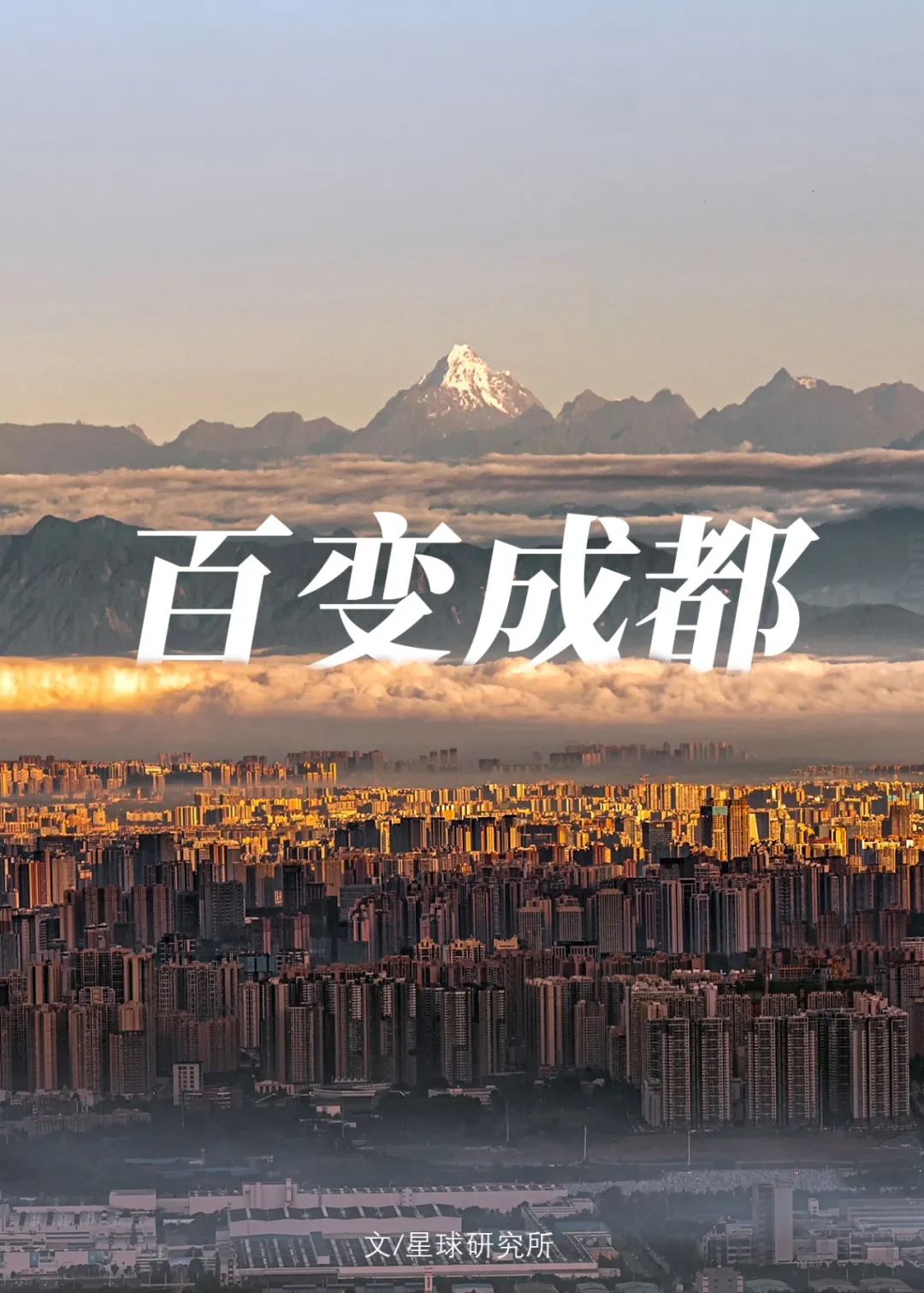
Original piece: 成都,进击的十年!
Produced by Institute for Planets (星球研究所)
Written by Choco莉
Translated by Kelvin Kwok
Posted with permission from Institute for Planets
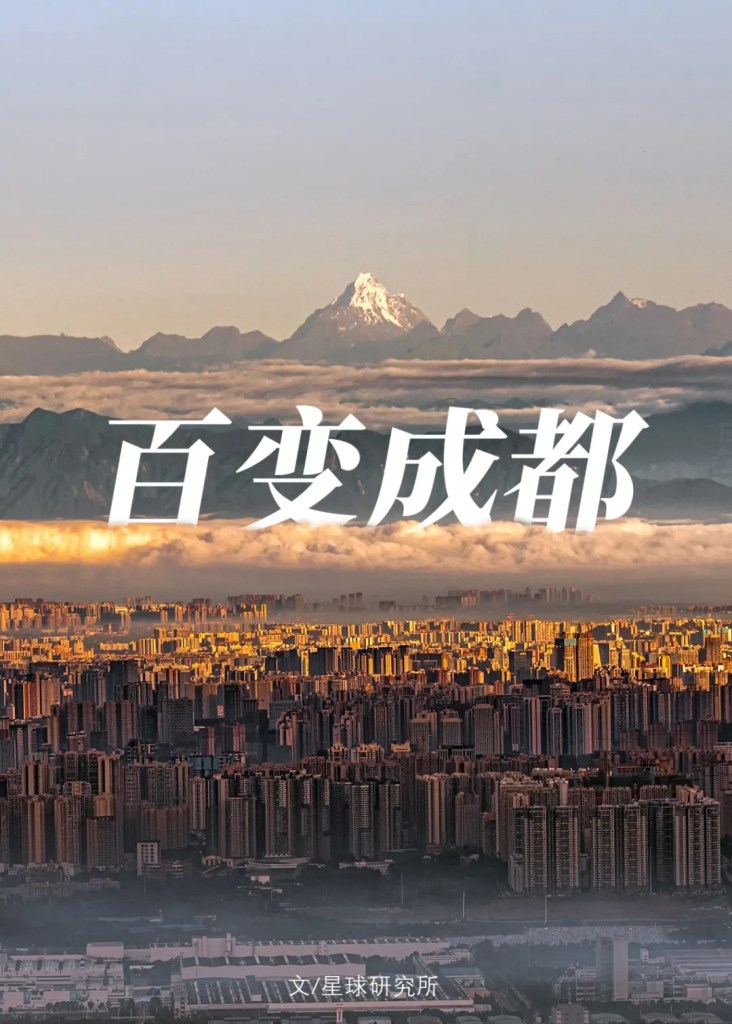
Chengdu, a city in the southwest heartland of China, went through an extraordinary economic boom between 2010 and 2020. Over these 10 years, its GDP leaped to the 7th place in the national city ranking by GDP from the 13th, with an economic aggregate now exceeding a trillion yuan.
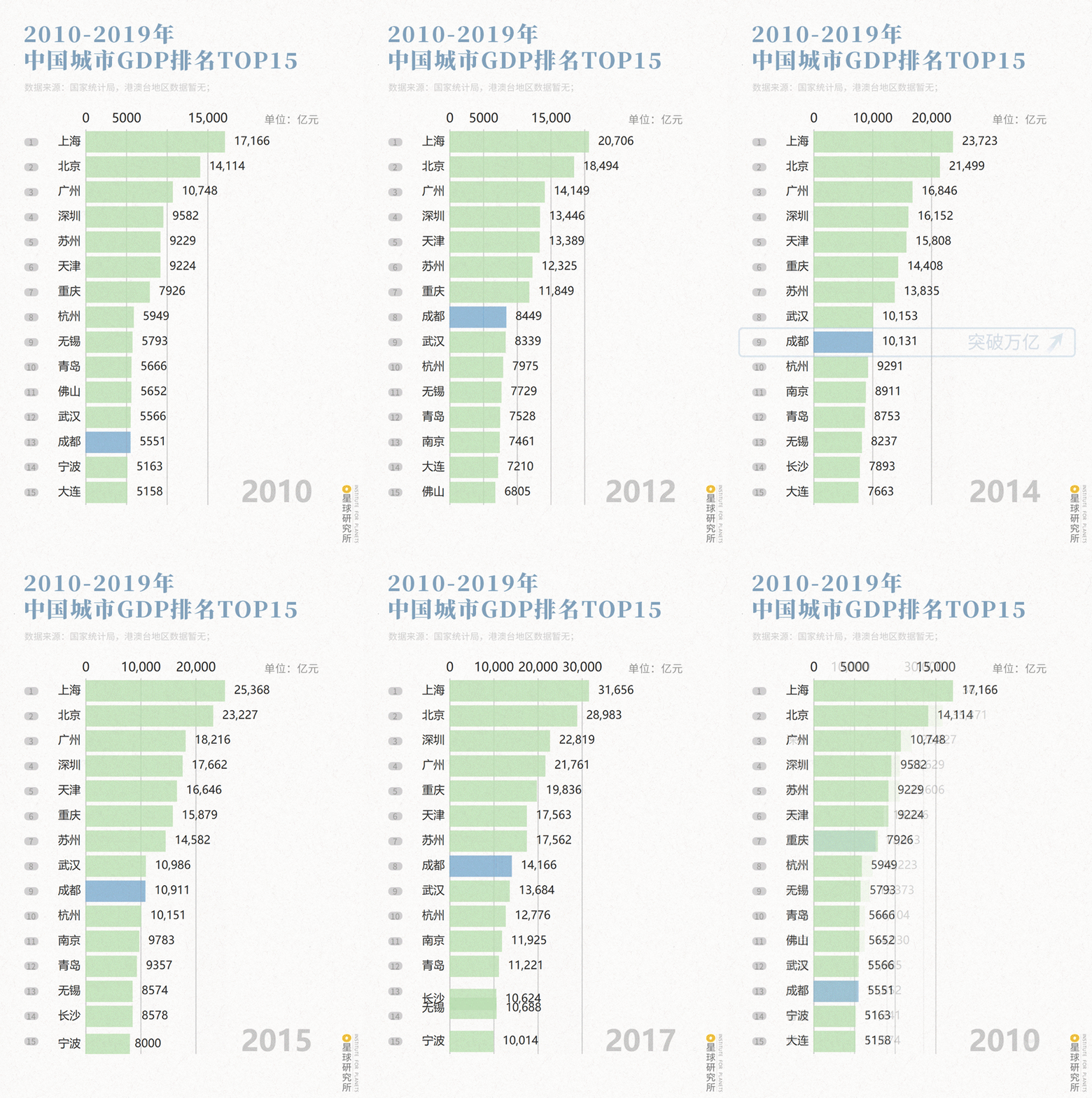
Blue bar indicates data for Chengdu (unit = 100 million yuan)
(diagram: 杨宁&陈志浩, Institute for Planets)
Within 10 years, Chengdu’s urban construction area has more than doubled, making it the second city in the whole country (after Beijing) to have 6 ring roads .
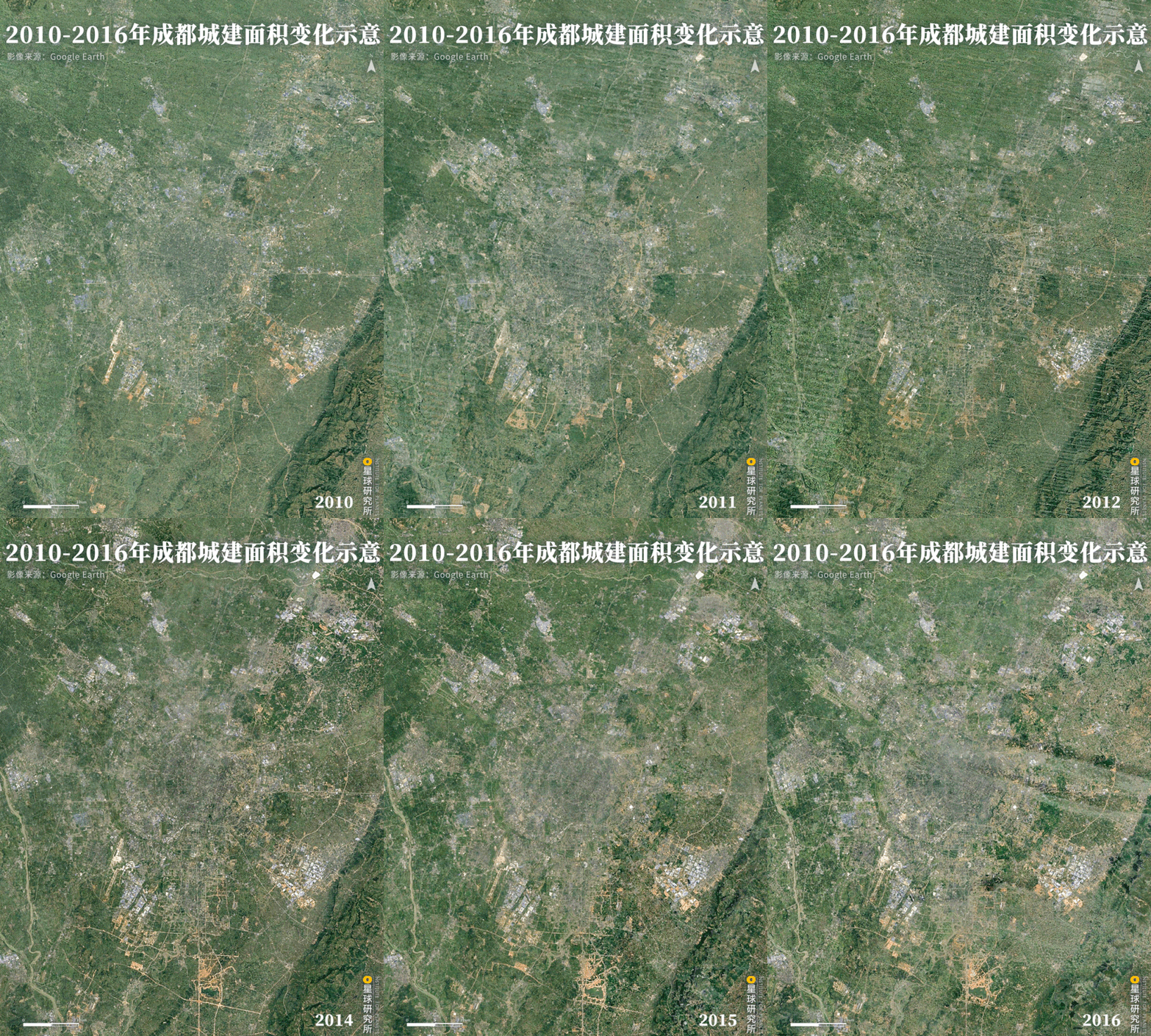
(diagram: 陈志浩, Institute for Planets)
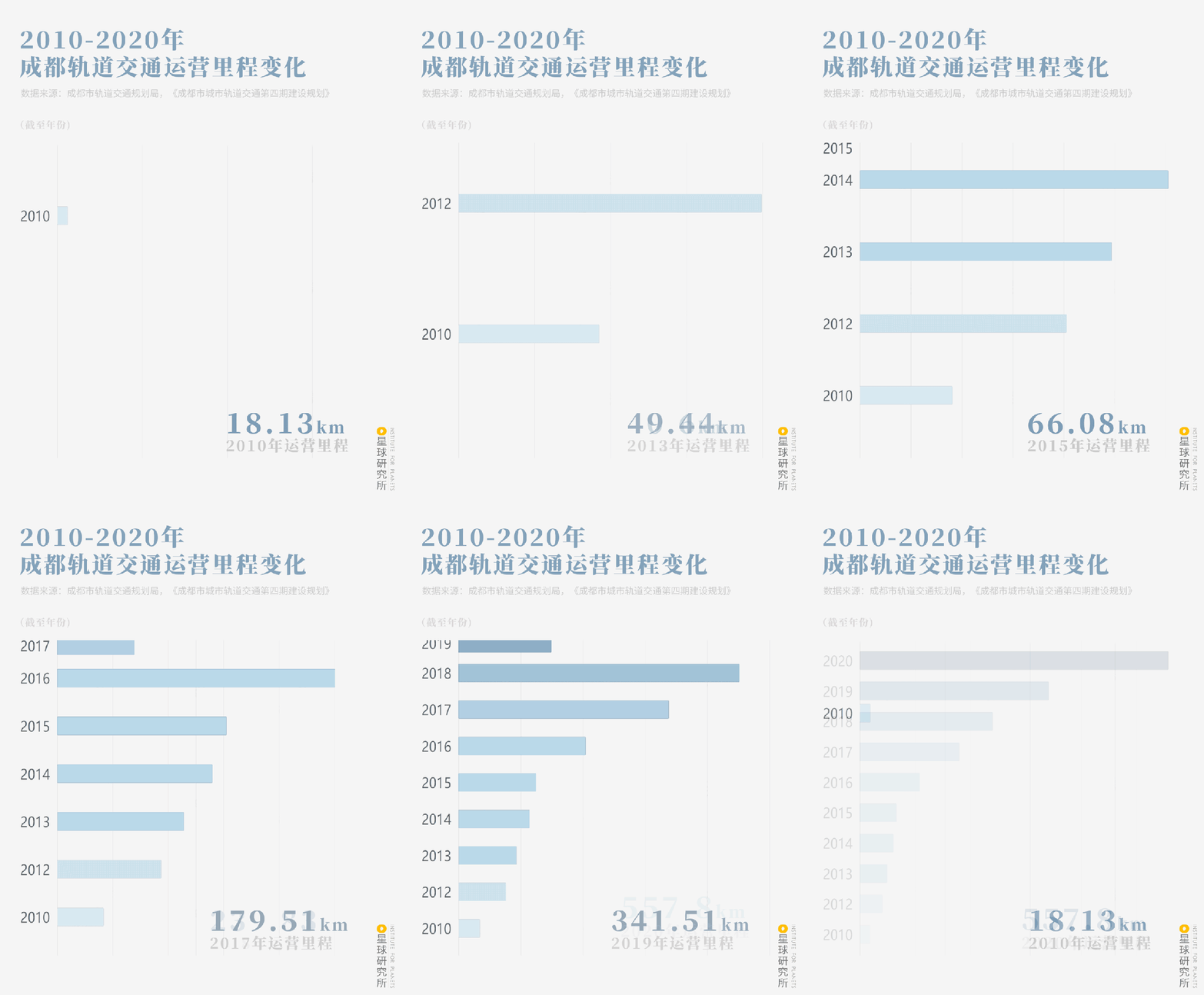
In just 10 years, Chengdu metro network grew at an explosive rate that tops the entire country.
(diagram: 杨宁&陈志浩, Institute of Planets)
Chengdu was bestowed endless titles throughout the past 10 years, including “Fashionpolis”, “City of Music”, “City of Gastronomy”, “Champion of New First Tier Cities” and the “Happiest City in China”, all of which became lasting online trends nationwide.

(photo: 嘉楠)
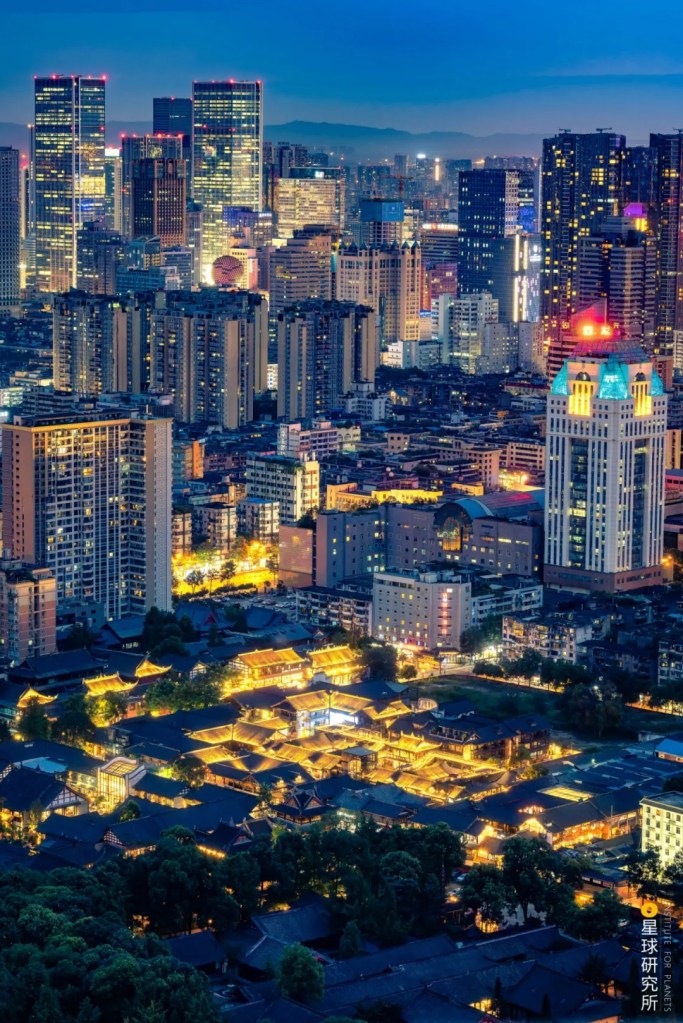
For those living in Chengdu, life can be a quiet stroll through the bamboo forests and historic architectures of temples and shrines* on one day, and some luxurious boutique hopping on the other.
*The Temple of Infinite Compassion (大慈寺), Temple of Marquis Wu (武侯祠) and the Temple of Mañjuśrī (文殊院) are some of the famous touristic spots in Chengdu.
(photo: 余书瀚)
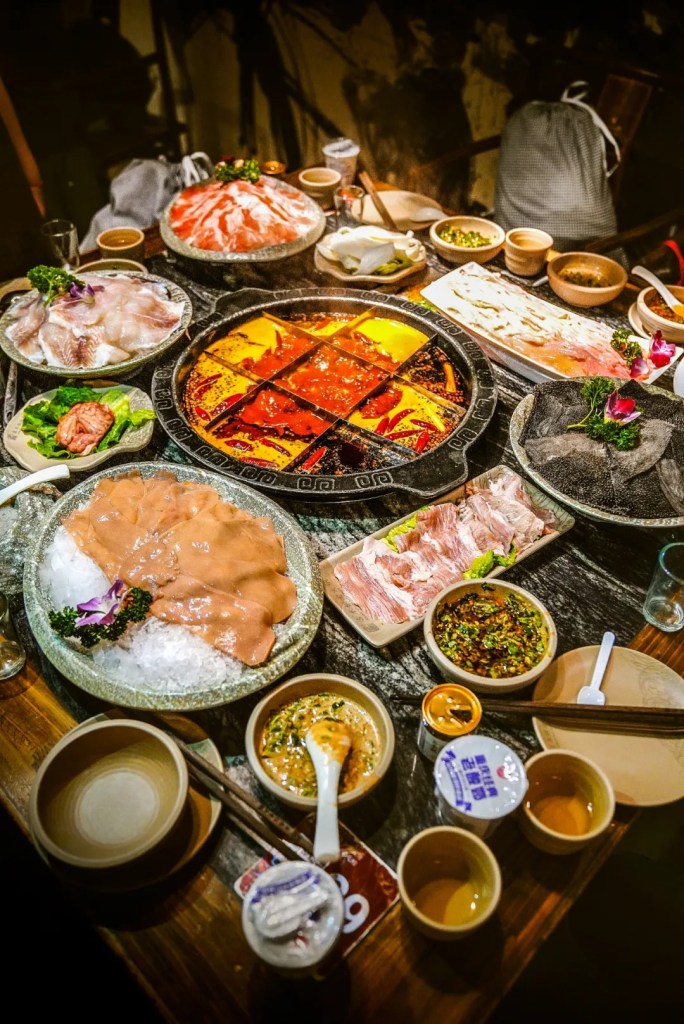
One may choose to indulge in materialistic urban lifestyle, others simply enjoy the leisure of sipping covered-bowl tea, visiting the cute pandas and feasting on hotpot and the maocai stew, something the locals refer to as the bā sì (巴适)* routine.
*A popular slang in Sichuanese dialect describing the feeling of comfort and contentment.
(photo: 视觉中国)
The last decade has unveiled the multimorphic nature of Chengdu. How did a mere decade transform Chengdu, a city with more than 3000 years of history? And what do these changes mean to the city?
1. A new journey (2010-2013)
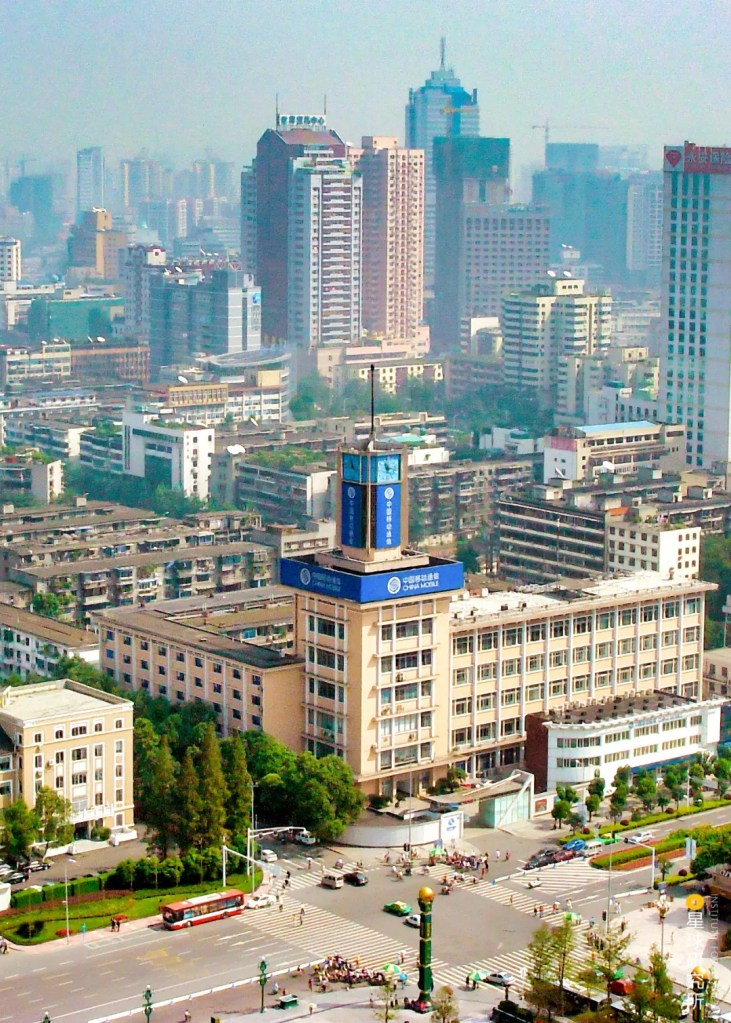
On 19 September 2010, the ‘Tianfu’s first clock’ within the Chengdu Telecom Hub Building was shut down shortly after its 30th birthday. This ‘old clock tower‘ had served as Chengdu’s landmark for much of the previous century, but eventually became history after the demolition of the building.
(photo: 王毅)
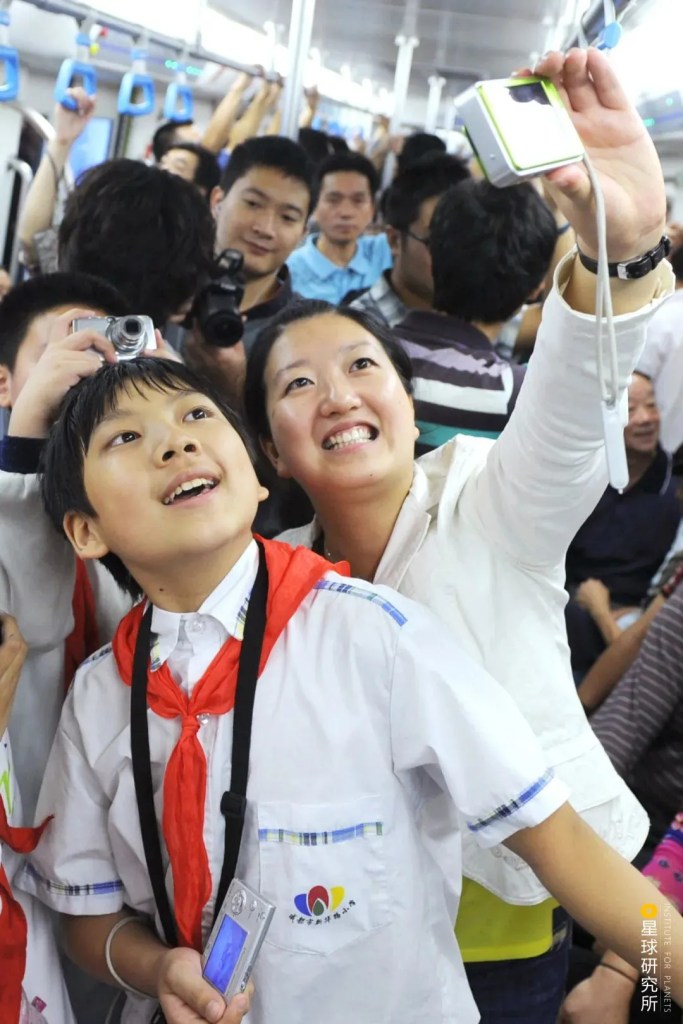
A few days later, the first Chengdu metro line — Line 1 — finally came into service after 5 years of construction. Chengdu was the 7th city in China to have a metro line, and the first in western China to enter the ‘metro era‘. A metro line marks the modernisation of a city, as it not only interconnects the land and resources, but also creates a brand new way of living that gradually remoulds our impression of the city.
(photo: 成都地铁)
On 27 September 2010, excited passengers made a long queue at the metro station waiting to be ticketed and allowed in. Many of them really took the chance to shuttle between Shengxian Lake in the north and Century City in the south multiple times. Although this metro line is only 18.13 km long, it is one of the lifelines connecting the northern and southern districts of Chengdu.

(diagram: 陈志浩, Institute for Planets)
And at the southern end of this metro line, something bigger was coming up. On 1 September 2010, the Sichuan Provincial Committee of CPC and the Sichuan Provincial People’s Government jointly launched the Tianfu New Area (天府新区) project. At this stage, an ambitious project that is going to stun the world was just budding its first leaves in the vast rural fields.

(diagram: 陈志浩, Institute for Planets)
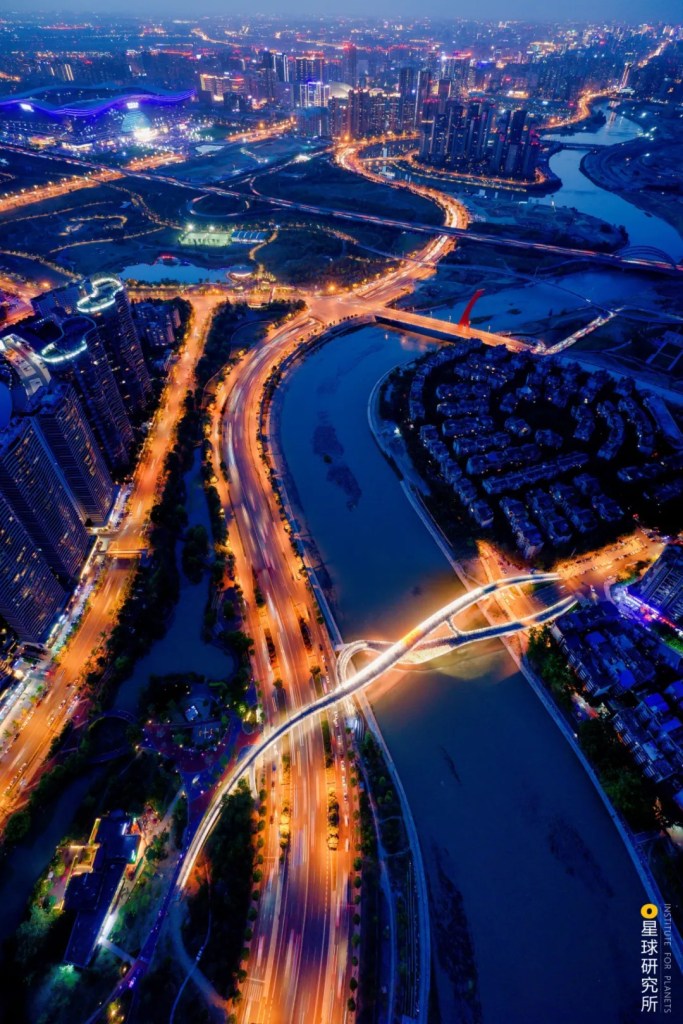
It was an arduous task to come up with such a grand project, but being one of the hub cities in the western regions, Chengdu was obliged to be a role model for the Great Western Development Strategy (21世纪西部大开发战略). Therefore, Chengdu placed enormous effort in developing the southern areas. Roads and bridges were laid across farms and villages, with sky-scraping buildings rising along them one after another.
(photo: 王毅)
It would eventually take more than 10 years for the Tianfu New Area to start functioning in the southern bound of the old urban area.
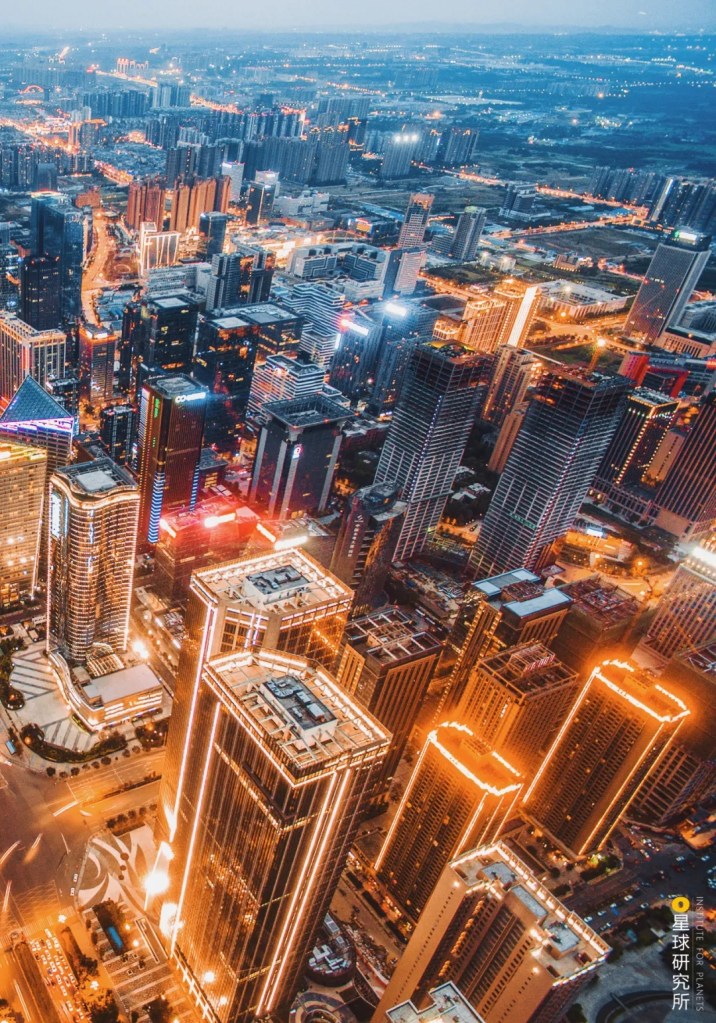
Towards the end of 2011, the Tianfu New Area project officially moved on from planning phase into full-scale development phase with a planned population ranging between 5.8 and 6.3 million. This was equivalent to building a ‘new Chengdu‘ from scratch.
(photo: 姜曦)
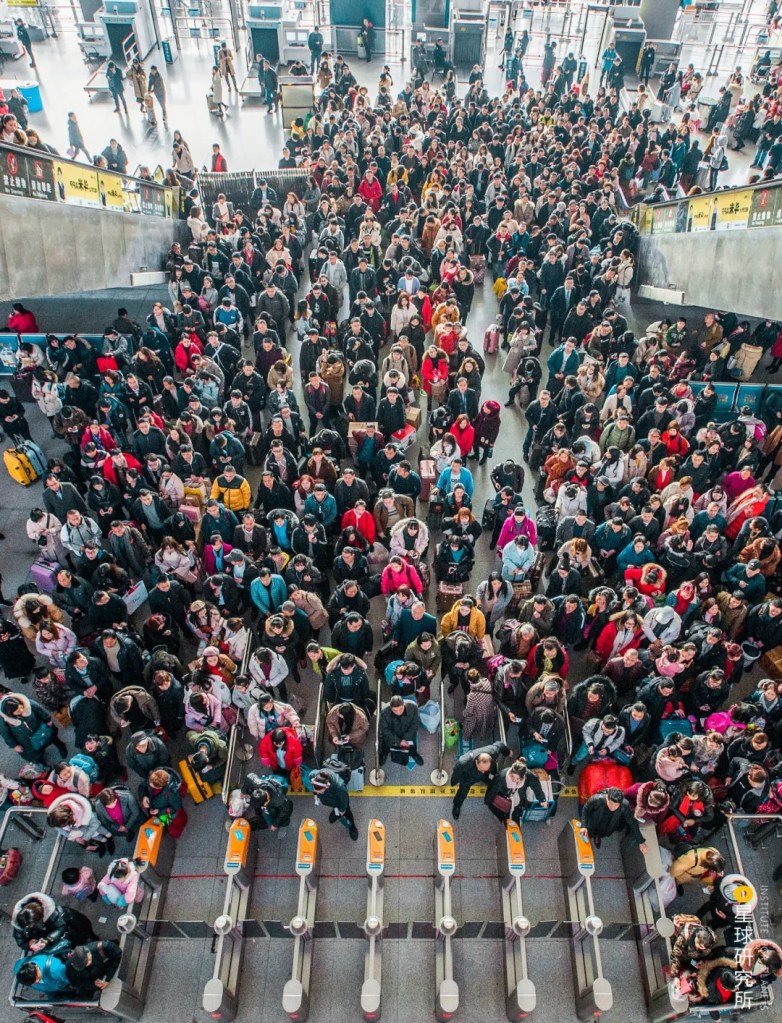
In the same year, the K578 train running between Chengdu East and Changsha made its punctual debut. This was the first train departing from the Chengdu East Railway Station, the largest, most advanced and modernised passenger terminal equipped with the most comprehensive facilities in southwestern China.
(photo: 小艺)
Riding on this train, passengers from Chengdu can reach Chongqing within 1 hour, Lanzhou and Xi’an within 4 hours, Guangzhou and Beijing within 8 hours, and Shanghai within 12. This closely connects Chengdu with the rest of the country.

(photo: 蒋小翼)
In addition, to ensure synergies between national railways and highways and the local urban railways, Chengdu set out to create an integrated transit system to meet the multilevel travel needs, with the metro system playing an incremental role.
In September 2012, Line 2 of Chengdu metro started operating between the northwest and southeast districts while running through the Chengdu East Station. These two intersecting lines opened the ‘X era’ for Chengdu metro.

Changing at Line 2 allows passengers to switch to trains without leaving the metro station
(diagram: 陈志浩, Institute for Planets)
Nine months later in June 2013, the west extension section of Line 2 came into service and became the first metro line to connect the city centre and suburbs together. Thanks to this extension, people from Xipu (Pidu District) can arrive in the city centre within 30 minutes instead of 2 hours.

(photo: 尹攀)
As the saying goes, “gold comes with the metro”. The metro lines greatly expanded the urban area and restructured the entire urban configuration. This also led to soaring property prices and emergence of new business districts along the metro lines.
In just three years, massive ‘urban complexes’ that encompass commerce, administration and entertainment activities swiftly settled in. These complexes, including the Chengdu MixC, Jinniu Wanda Plaza and Raffles City, continued to impact neighbouring traditional business districts, such as Chunxi Road, Luomashi and Yanshikou districts.
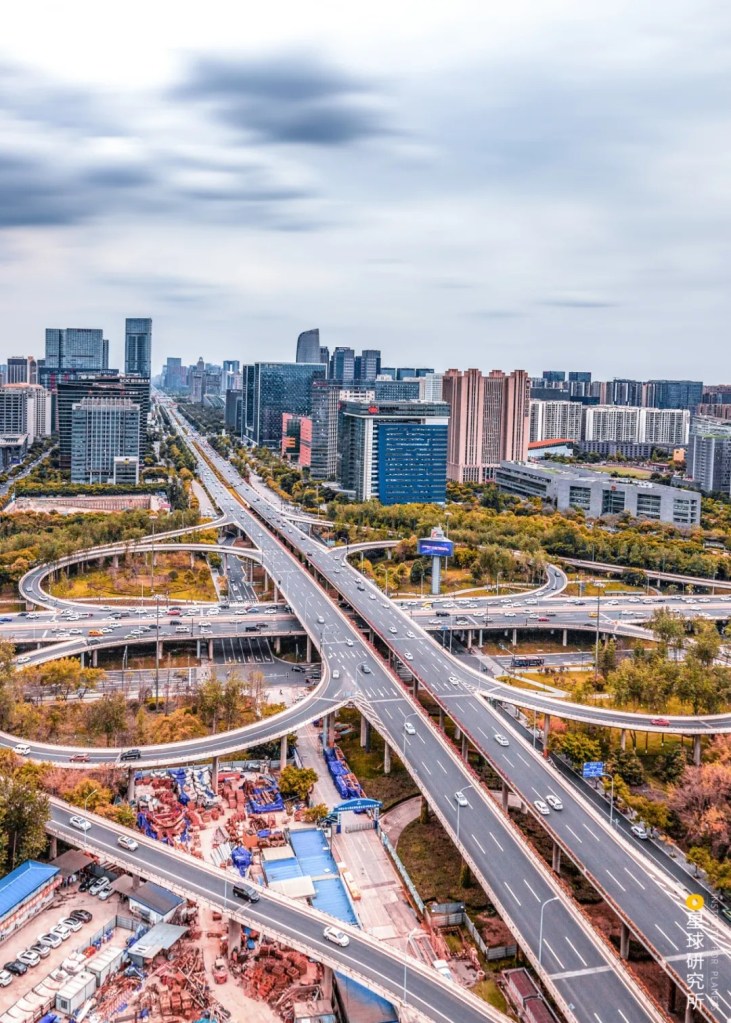
Upgraded in 2012 with a total length of 150 km, it is the longest city central axis in the world
(photo: 蒋小翼)
Around the same time, two internationally recognised landmark buildings rose from the ground by the two metro lines. The one next to Line 2 is the tallest skyscraper in western China — Tianfu Panda Tower, and the one beside Line 1 is the Global Centre, the largest single building in the world. The latter occupies a total area of more than 1.7 million m2, which is equivalent to 7 Bird’s Nest in Beijing and 20 Sydney Opera House. Many have joked about how this “Global” Centre is going to become the “Galactic” Centre in the future.
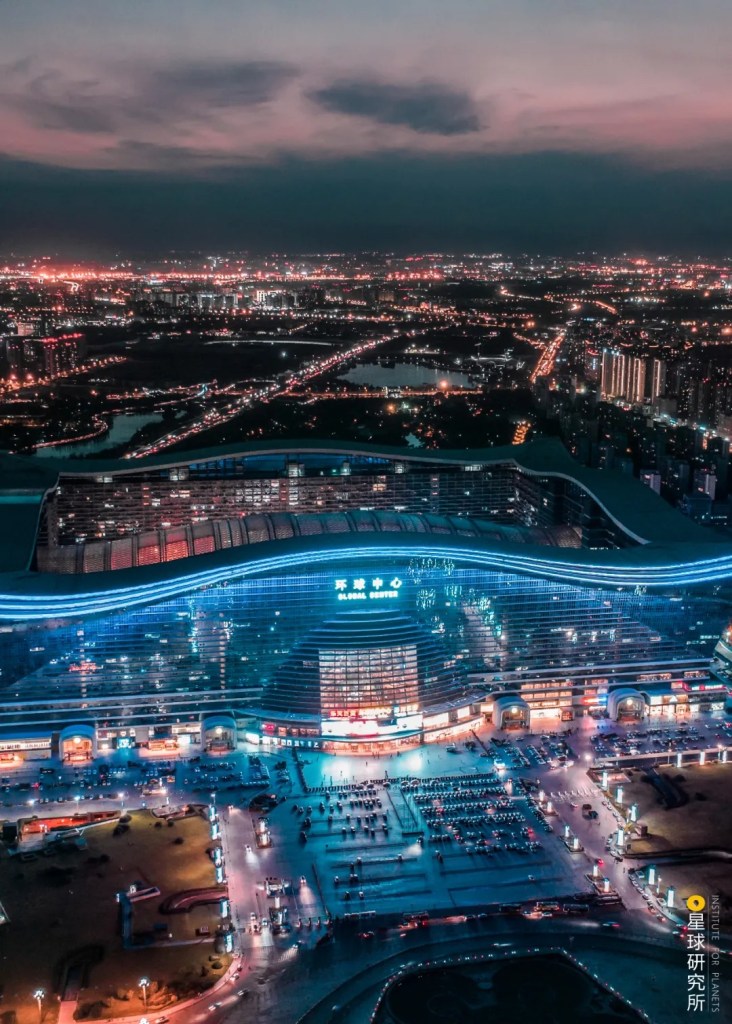
(photo: 天空映像)
But it was the train departing from Chengdu on 26 April 2013 that truly reached the bigger world. This is the Chengdu-Eurasia Express, a branch line of the Trans-Eurasia Logistics and an indispensable land component of the Belt and Road Initiative.
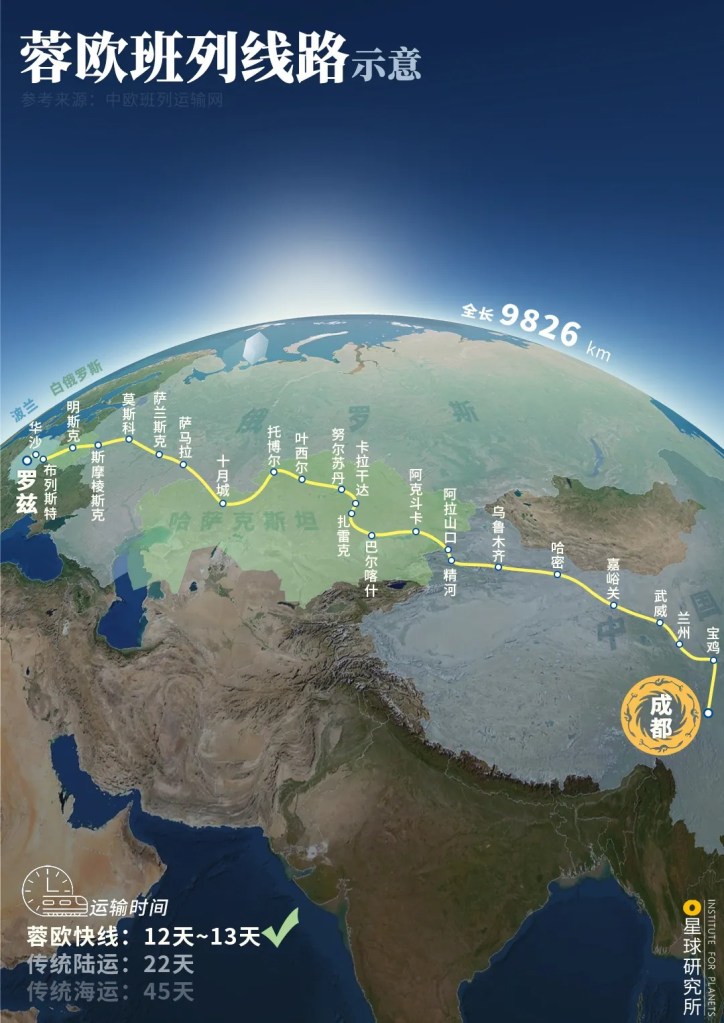
As of 2019, the Chengdu-Eurasia Express has reached 24 cities abroad with 1591 trains in one year, the highest railway traffic volume in the world
(diagram: 陈志浩, Institute for Planets)
Travelling on this train allows the freight coming from near Chengdu and southwestern China to arrive in Germany within 11 days at the earliest, which is only about a third of the time required for conventional shipping but with only 25% of the cost for air freights. Since then, this international channel has been the major bridge between the vast western regions of China and the massive market of the Eurasian continent. By then, Chengdu was all set to play a significant role in the world’s city systems.
2. The explosion phase (2014-2017)
For businesses and property markets in the rapidly developing Chengdu, 2014 was a great year. The most prestigious mall in Chengdu, International Finance Square (IFS), was opened on the first day of the year. Numerous luxury brands including Prada and Dior opened a store here which greatly influenced Chengdu’s street fashion. And the gigantic panda ‘climbing up’ the IFS became a popular spot for tourists who are obsessed with having a photo with its ‘cute bum’ from below.

(photo: 李毅恒)
Ten months later, the Sino-Ocean Taikoo Li was opened just one block away, where stationing brands like Hermès, Givenchy and Gucci keep the district busy as ever. With that, the Chunxi Road business district made an impressive come back and outperformed other emerging first-tier cities with a net worth hitting 10 billion RMB.

(photo: 视觉中国)
Supported by investments, consumption and foreign trade, Chengdu’s GDP crossed the trillion RMB mark for the first time in 2014. This was an outstanding achievement for a city in western China.
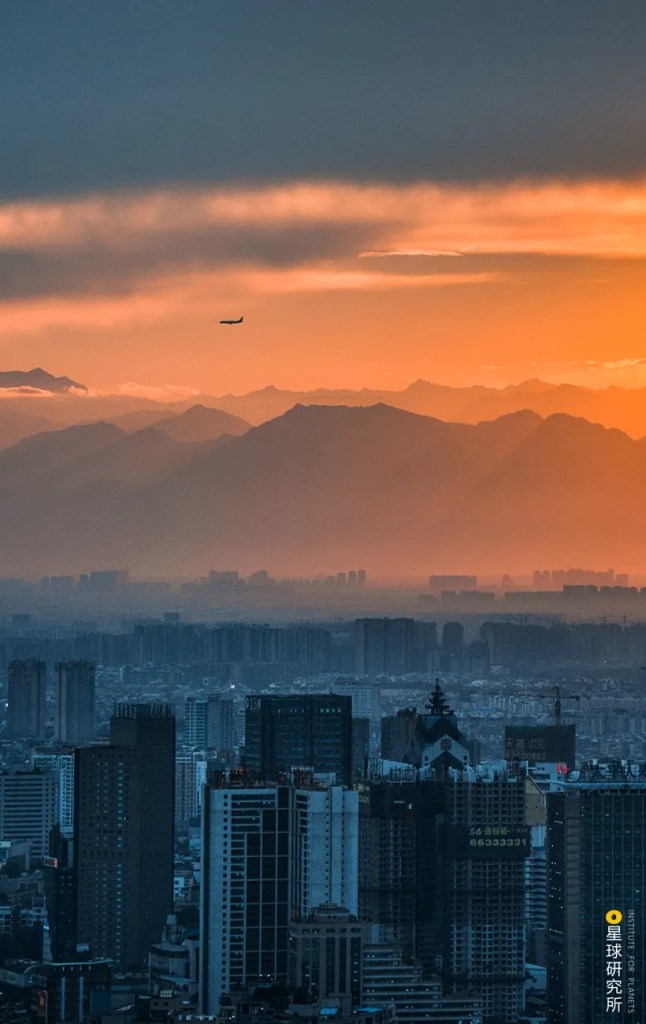
But the rise of a Chengdu is not just about success in commerce. Once infamously labelled as a “daunting route into Shu (Sichuan), 蜀道难”, the geographical barriers put a huge constraint on Chengdu’s development.
(photo: 王钰权)
To travel beyond the barricading mountains, there is nothing more important than to develop the transportation system.
In 2015, with the completion of the second ring expressway, Chengdu was officially connected with 12 neighbouring districts and counties. People can now drive around the city once within 2 hours.
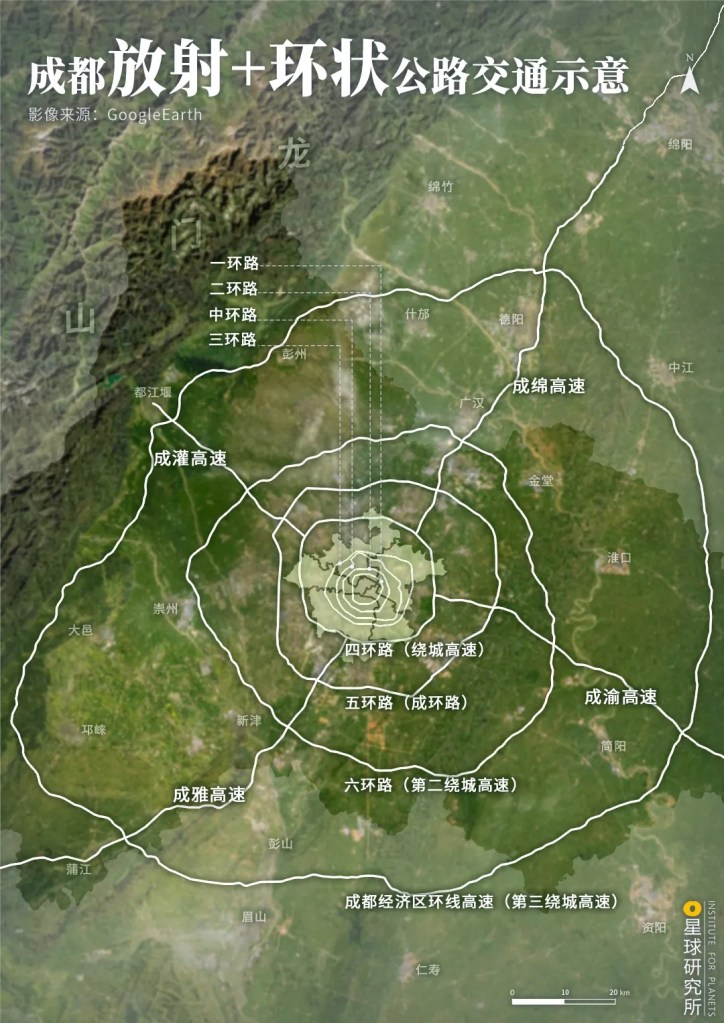
The second ring expressway was renamed the 6th Ring Road in 2017
(diagram: 陈志浩, Institute for Planets)
There was similar progress made for railroads too. The Xi’an-Chengdu High-speed Railway, China’s first railway to traverse the Qin Mountains, started operating in 2017. The 7 extra-long tunnels it runs through reduce the shortest travel time between Xi’an and Chengdu from 11 hours to just 3.5 hours.
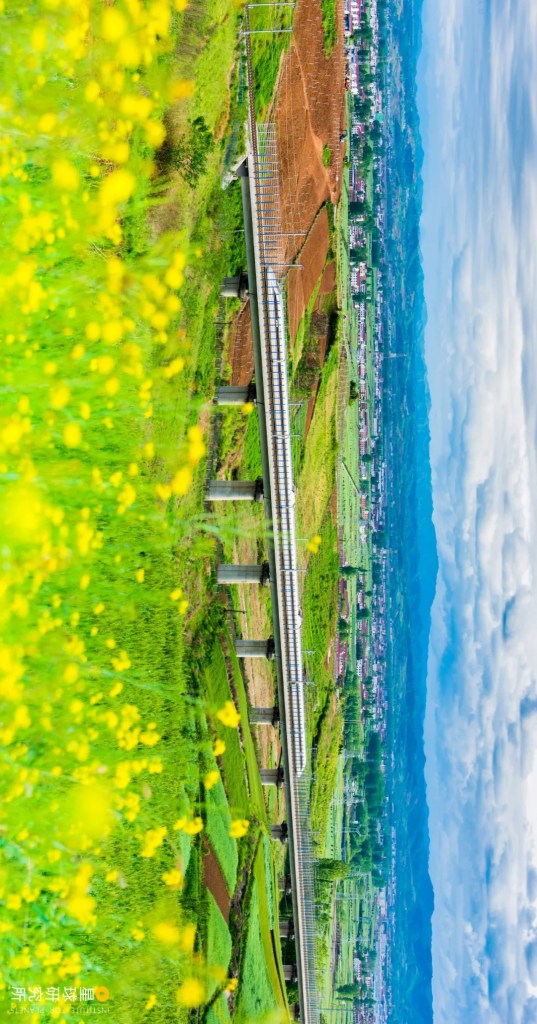
(photo: 靳晰)
But what’s more gratifying was the opening of the Chengdu-Chongqing High-speed Railway in late 2015, the third railway to operate between the two cities. It was not only the first high-speed railway to travel out of Sichuan, but also an accelerator of communications between Chengdu and Chongqing and the development of the Chengdu-Chongqing Economic Circle.
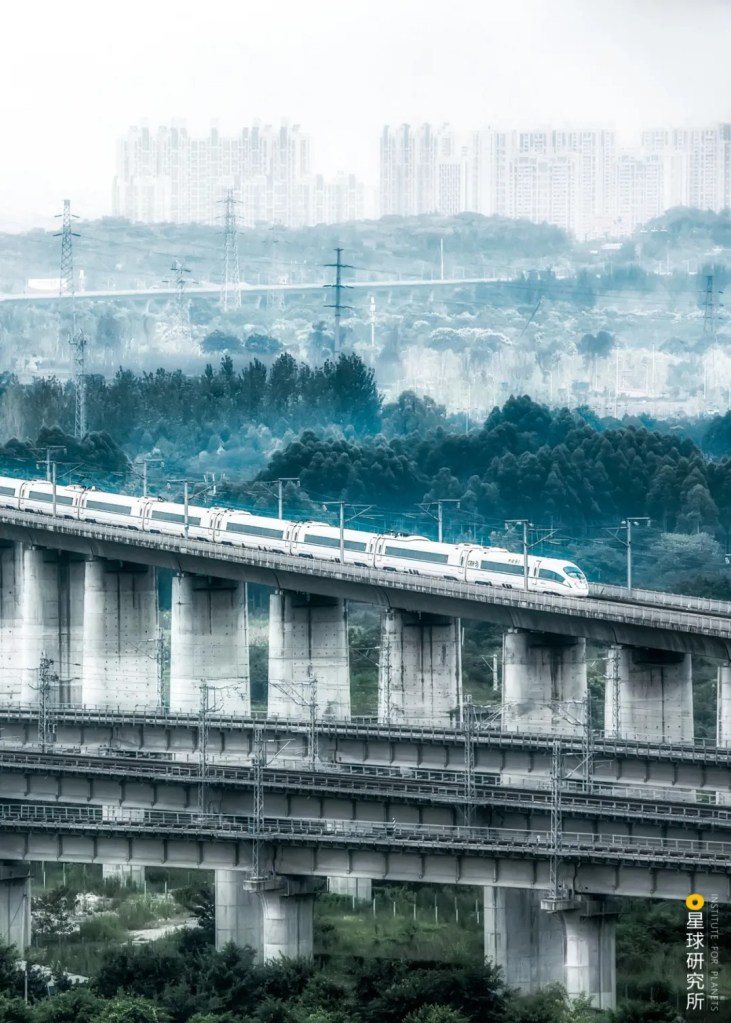
Chengdu and Chongqing are referred to as the “Gemini of southwestern China”
(photo: 蒋人可)
Aviation development was not left behind, as the design for a stylish new airport in Chengdu was finalised in the same year. On the other hand, the Shuangliu International Airport began launching a number of new direct flight routes to major cities like Los Angeles, New York and Auckland, gradually attaining an international status.
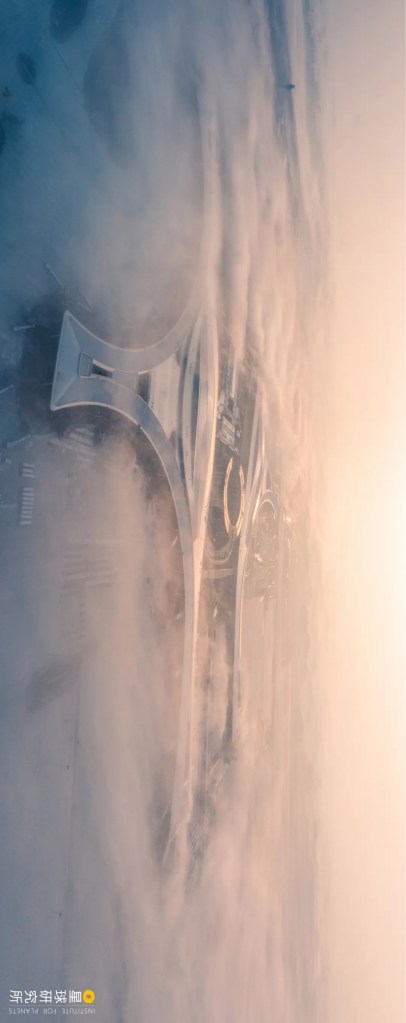
(photo: 天空映像)
The Chengdu metro system was also developing at an equally fast pace during these 4 years. In 2014, the east extension section of Line 2 began its trial operation to connect between Longquan and Xipu, which were previously too far apart to have any efficient communication. Longquan’s automobile industry and Xipu’s electronics industry both benefited massively from the convenience brought about by the new metro line.
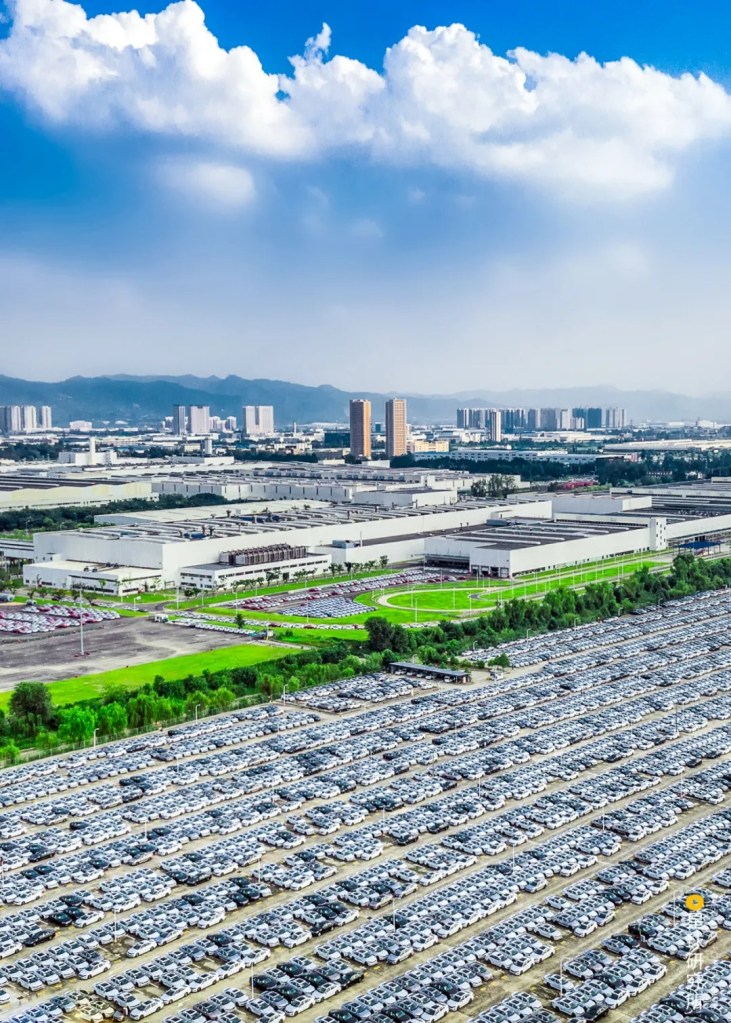
After decades of development, Longquanyi automobile industry is now famous around the world
(photo: 嘉楠)
The south extension section of Line 1 was opened in 2015, and became the new link between the central urban area and the Tianfu New Area. One year later, the phase 1 of Line 3 came into service, marking the true completion of a spider-web metro network the Chengdu residents have been longing for.

(photo: 两忘烟水里)
And just one year later, Line 10, the first route allowing direct transfer at the airport, and Line 7, the first ring metro line, were launched back to back. Chengdu’s metro system wasted no time in building thee “# and O network” era.
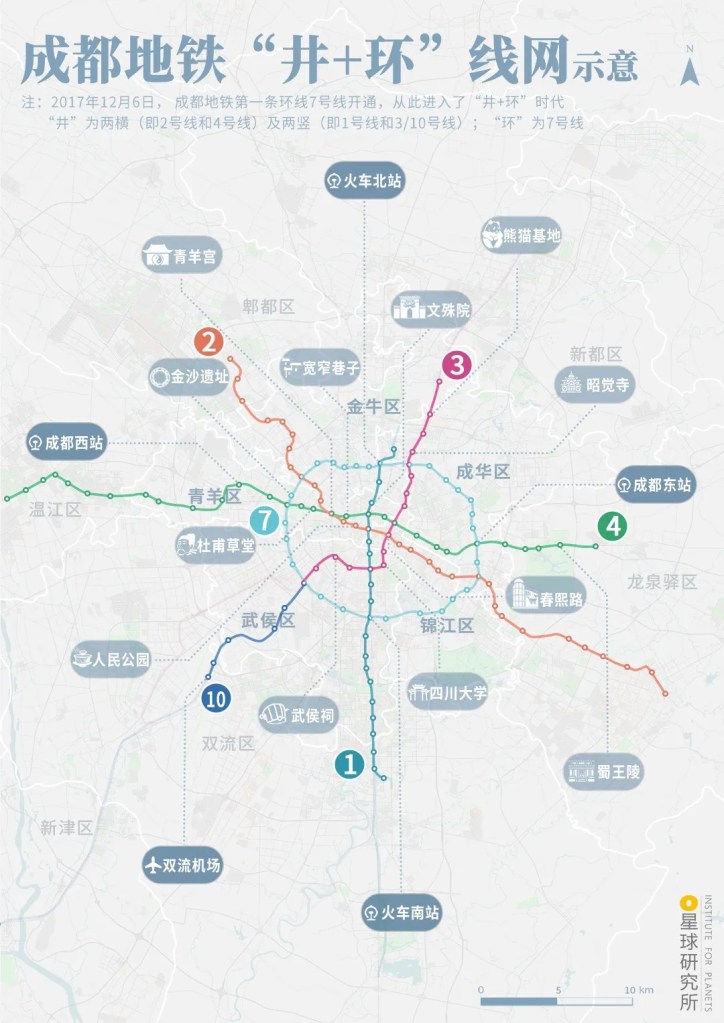
The Taipingyuan Station on Line 10 is the first 5G metro station in China with full WiFi coverage
(diagram: 陈志浩, Institute for Planets)
This increasingly attractive city was the sixth to be official named a National Central City in 2016 as it gradually transitioned from an internationally connected regional centre into an international metropolis. To do so, Chengdu opened its arms even wider to welcome all sorts of talents.
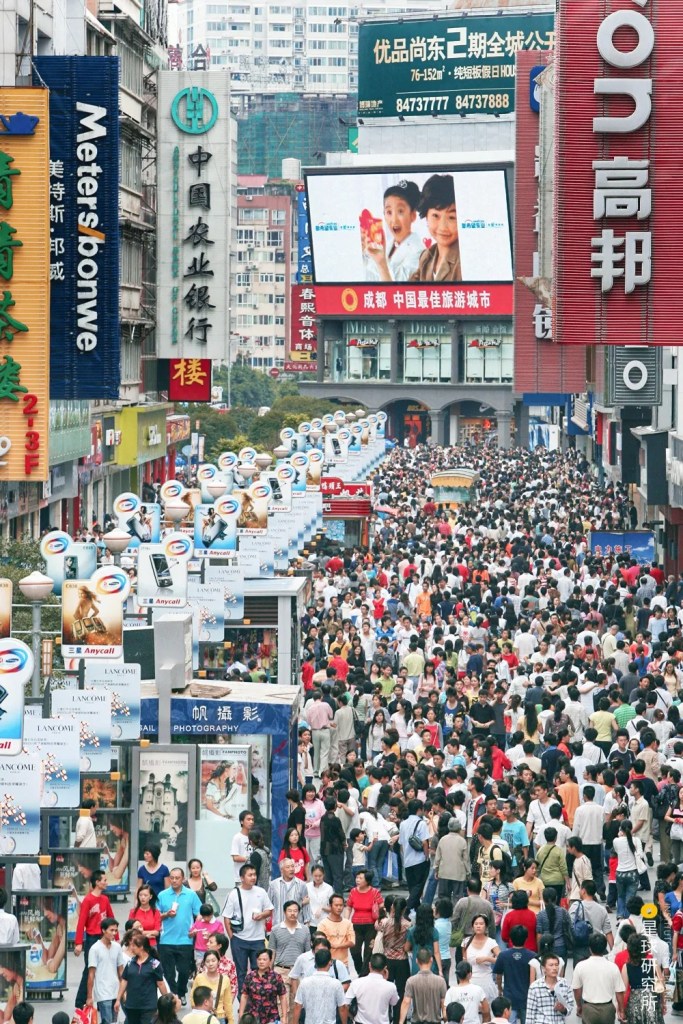
(photo: 朱建国)
In 2017, the Chengdu government even issued the New Deals for Talents (人才新政), which stipulated that all non-local residents (or Chengdu expats, 蓉漂) with a bachelor degree or above may register for permanent residency in the city and apply for governmental subsidies for resettlement. This open and tolerant attitude truly unleashed the immense vigour of this ancient city.
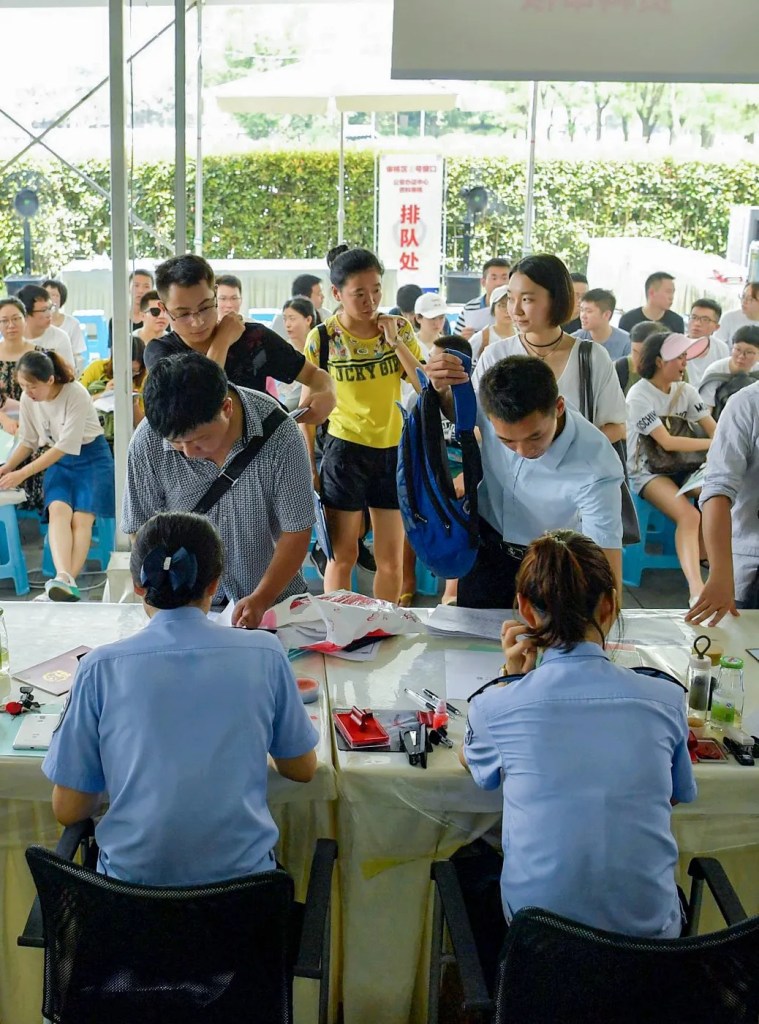
Since the announcement of the New Deals for Talents, there have been more than 300,000 “Chengdu expats” choosing to stay
(photo: 视觉中国)
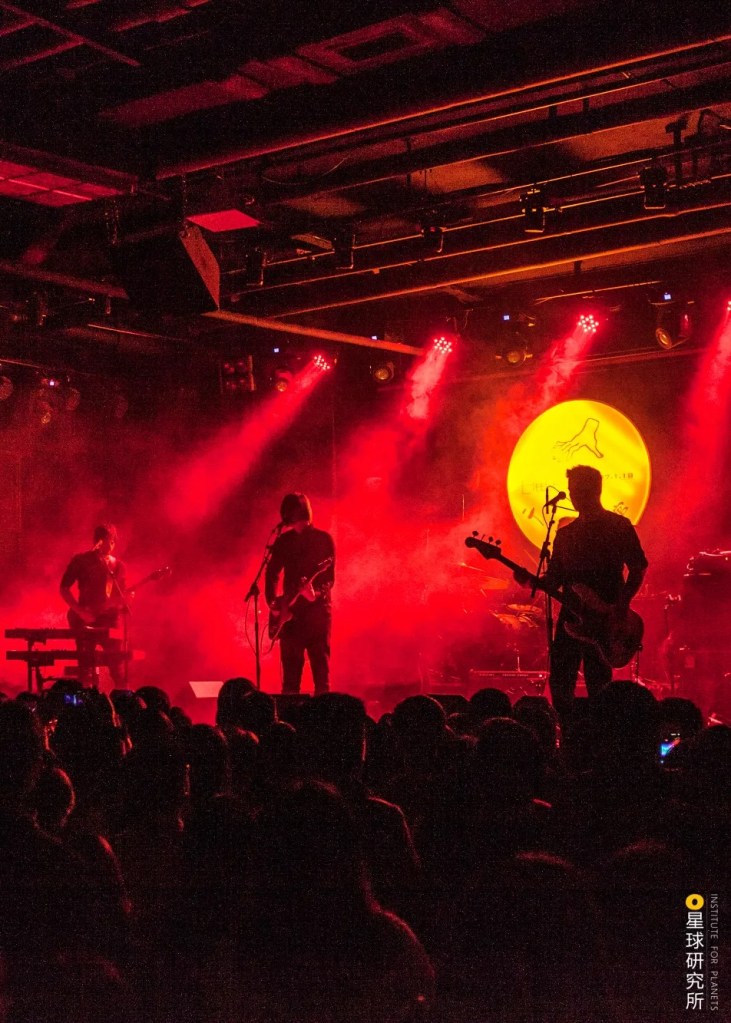
On 4 February 2017, Zhao Lei delivered a moving performance in the singing contest I Am a Singer with his Chengdu, a sentimental indie folk with simple yet sincere melody and lyrics.
Accompany me on the streets of Chengdu for a walk……
Even till all lights fade out we will not stop……和我在成都的街头走一走……直到所有的灯都熄灭了也不停留……
Chengdu by Zhao Lei
(photo: 张艳)
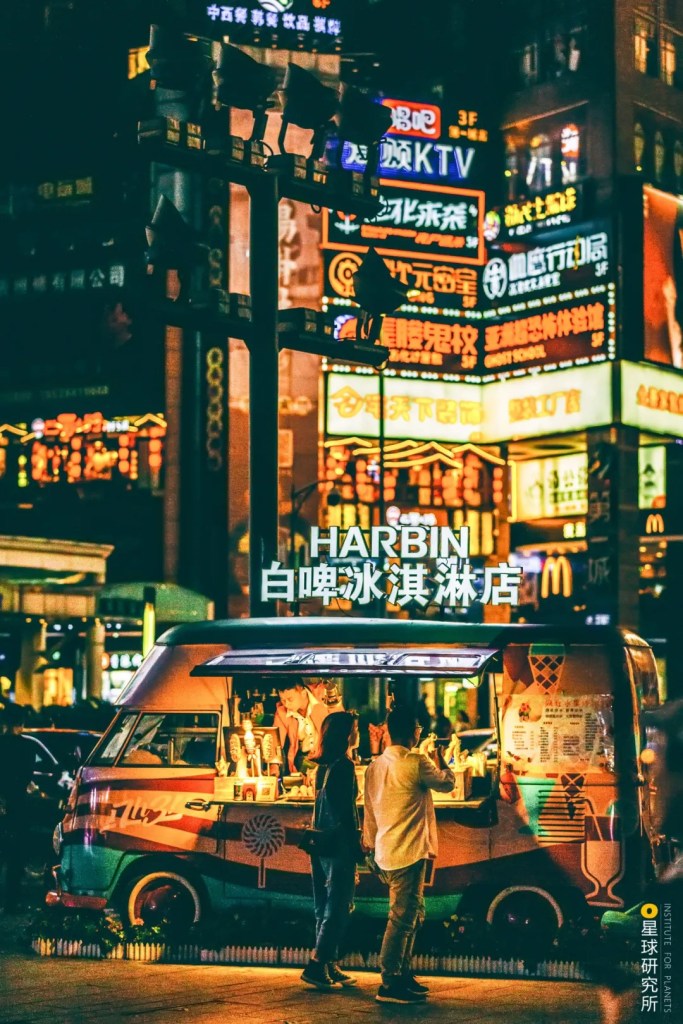
The song became a big hit on WeChat moments of countless netizens overnight, and many were determined to go on a spontaneous trip to Chengdu. The small bistro on the Yulin West Road mentioned in the lyrics also exists in reality, and is almost always packed to the doors every night, with a great atmosphere seasoned with melodious tunes that fill up the entire locale.
(photo: 喜之狼)
Behind all this glamour, who would have expected that yet another even bigger reform was quietly brewing in Chengdu.
3. The big change (2018-2020)
The ever growing population and expanding industry in Chengdu come with a huge problem — land overload! This city had once blocked a gigantic flood with the Dujiangyan irrigation system 2000 years ago, but it seemed to have failed to tame the enormous human wave charging in.
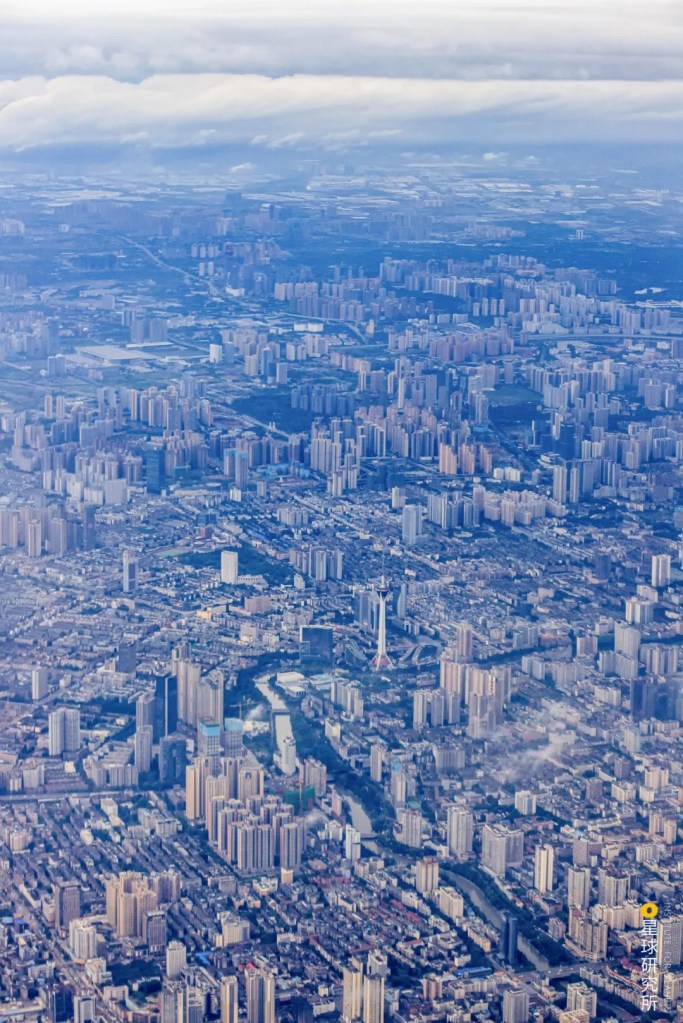
The actual population of Chengdu had reached 21 million according some news report in 2019
(photo: 项玥)
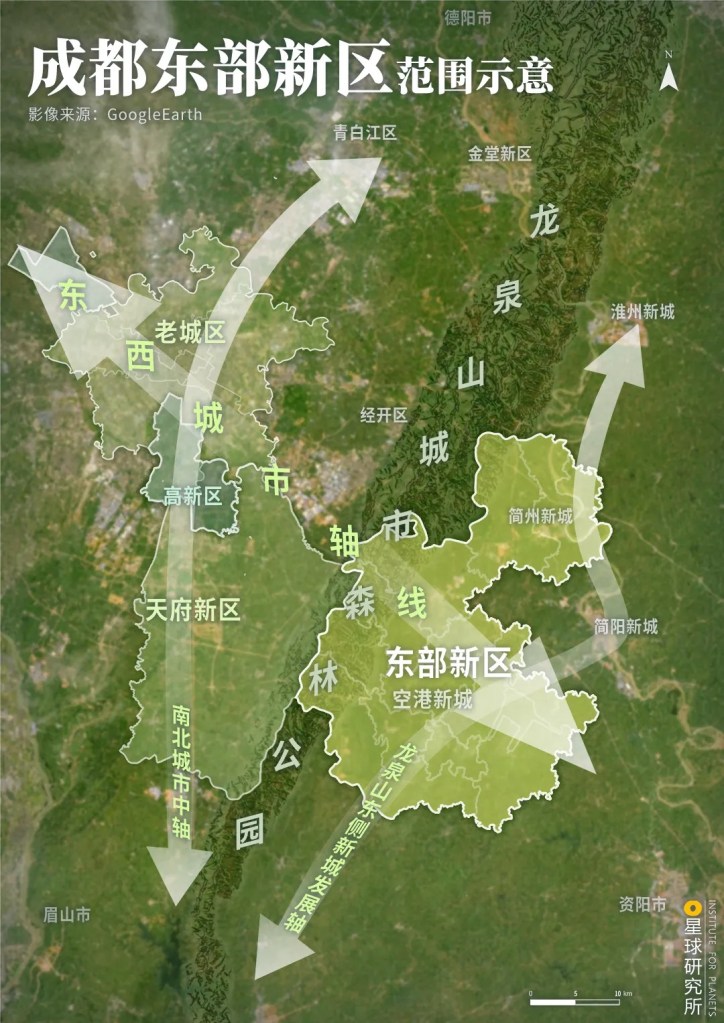
In March 2018, the draft of Comprehensive Urban Plan of Chengdu City (2016-2035) was made public. According to the plan, Chengdu’s urban development would shift eastwards and beyond the Longquan Mountain. This would completely overturn the “one city contained by two mountains” geographical outlook which have persisted for a millennium, and reshape it into a “two-winged city across a mountain“.
(diagram: 陈志浩, Institute for Planets)
By gazing east, Chengdu acquired more space while moving closer to Chongqing, a move further boosting the potential of the economic circle. Chengdu has demonstrated extraordinary wisdom and courage by making such a groundbreaking ‘millennium change‘.

(photo: 嘉楠)
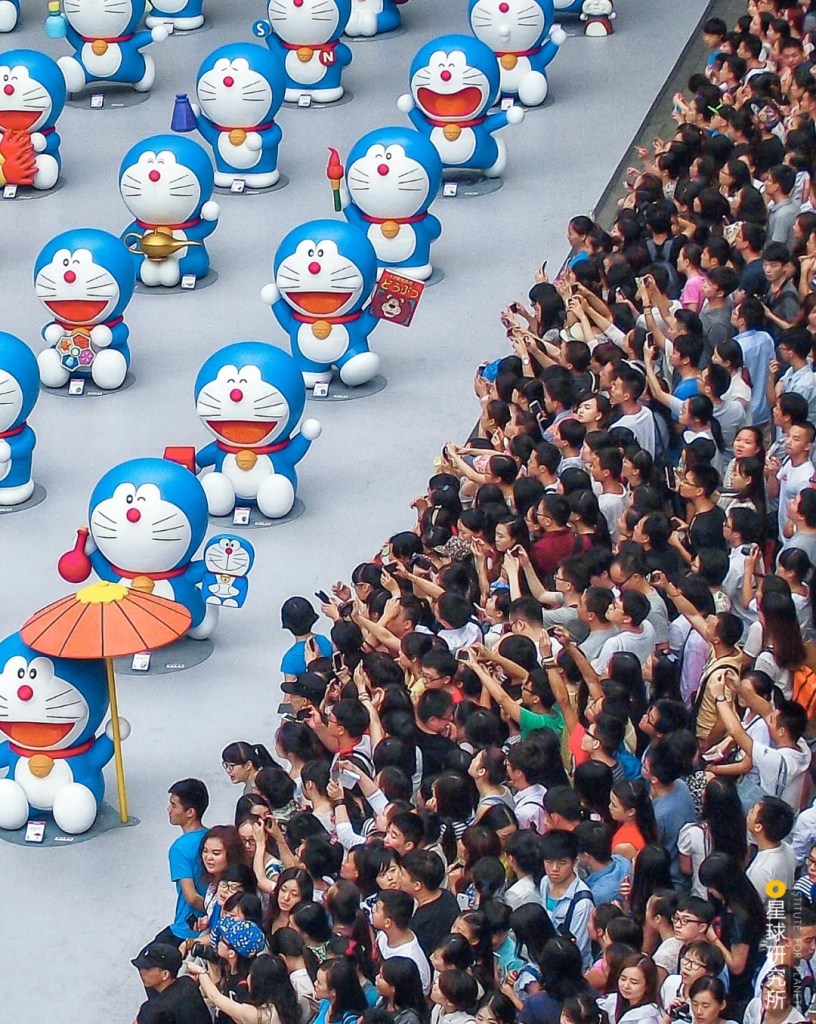
It was the same year when the city harvested even more reputation and attention together with its solid success in reform. In April 2018, Chengdu was reelected as the Champion of New First Tier Cities by the Chinese Business Network, and in October, it was crowned with the China’s Top Fashion City title, and was nicknamed Chaodu (潮都), or Fashionpolis.
(photo: 曹省利)
In November 2018, it was elected the happiest city in the country by the Forum of Happy Cities in China 2018. In addition, it was ranked right after Beijing, Shanghai, Guangzhou and Shenzhen in the Global City Ranking by the GaWC.
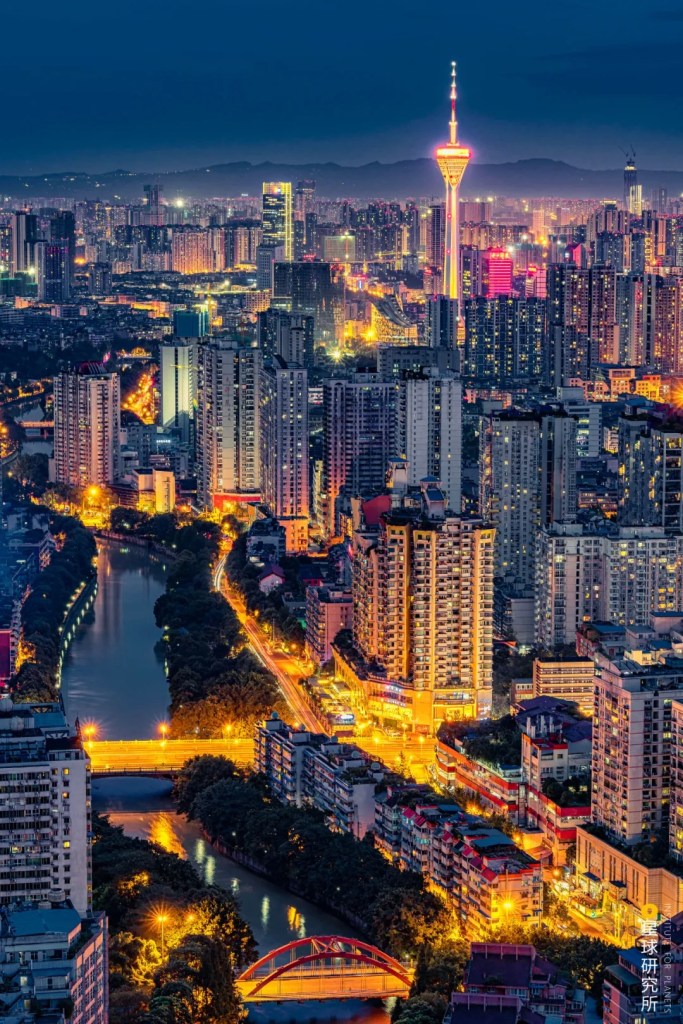
GaWC stands for Globalisation and World Cities Research Network, it is one of the widely recognised organisations for city classification and ranking worldwide
(photo: 余书瀚)
Chengdu enjoyed a reputation bumper year in 2018, earning more than 30 titles of all kind. But apart from titles, its cultural influence was also radiating intensely.
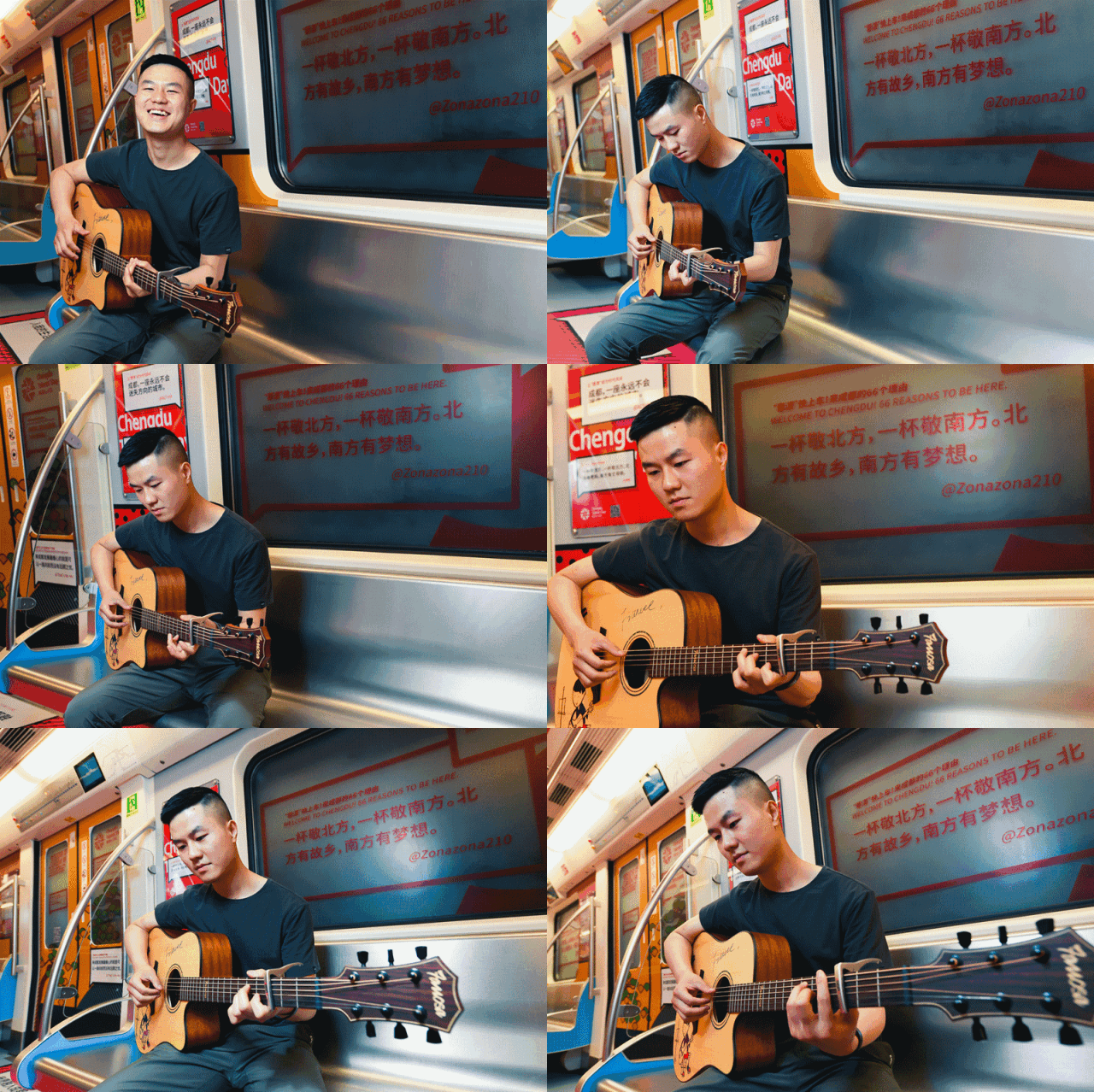
On 28 April 2018, three Chengdu expat-talents*-themed metro trains made their debut on Line 1, 7 and 10. All those captions printed on the train cabins, be they poetic or inspirational or even humorous, were well received by netizens nationwide and praised as the “most sentimental train theme”.
*Mainly refers to Chinese expats — Chinese nationals from around the country travelling or living in Chengdu
(photo: 成都地铁)
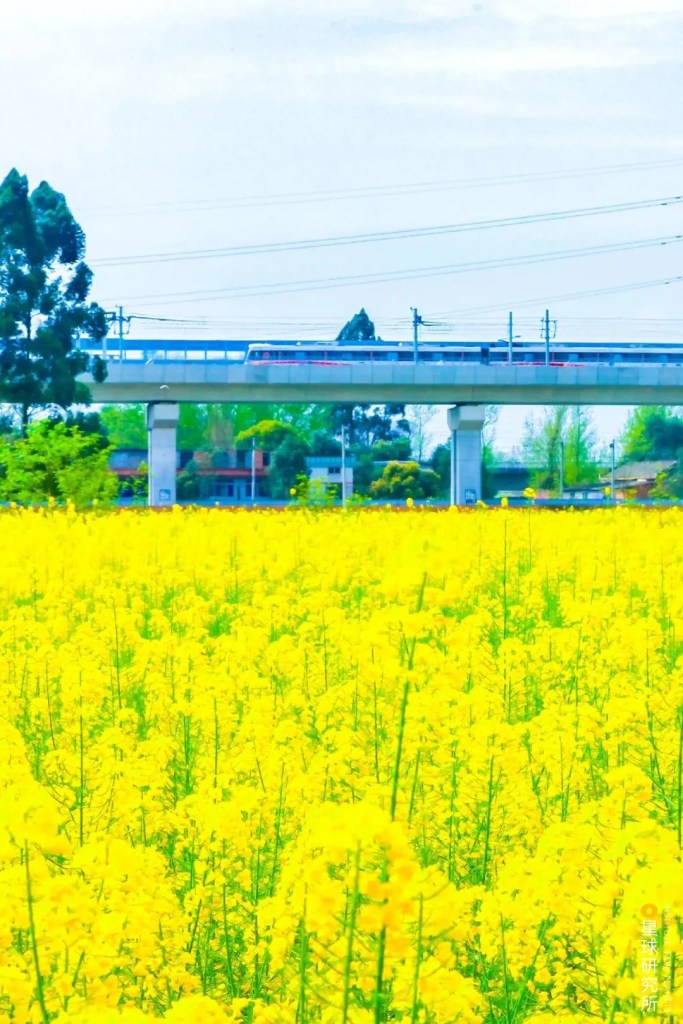
But they were not the first theme trains in Chengdu. There were also the Panda Train, The-Most-Chengdu Train, Jinsha Train, Erudite Train and others, none of which failed to become a hot trend. As these creatively themed trains travelled to all corners in Chengdu, they resonated with the souls of all passengers coming from all over the city.
(photo: 成都地铁)
During the Spring Festival in 2019, the “Evening Tour along the Jin River”-themed cruise made its first appearance, where it staged poetic performances of traditional culture on the banks of the river.
The blockbuster Wandering Earth (流浪地球) was also premiered around these festive moments and heralded a brand new era for China’s science fiction movies. Back in 1979, it was the Science Fiction World Magazine founded in Chengdu which uncovered the squad of renowned science fiction writers in China, namely Liu Cixin, Wang Jinkang and He Xi, among others. Liu Cixin‘s Wandering Earth was initially serialised in this very magazine.
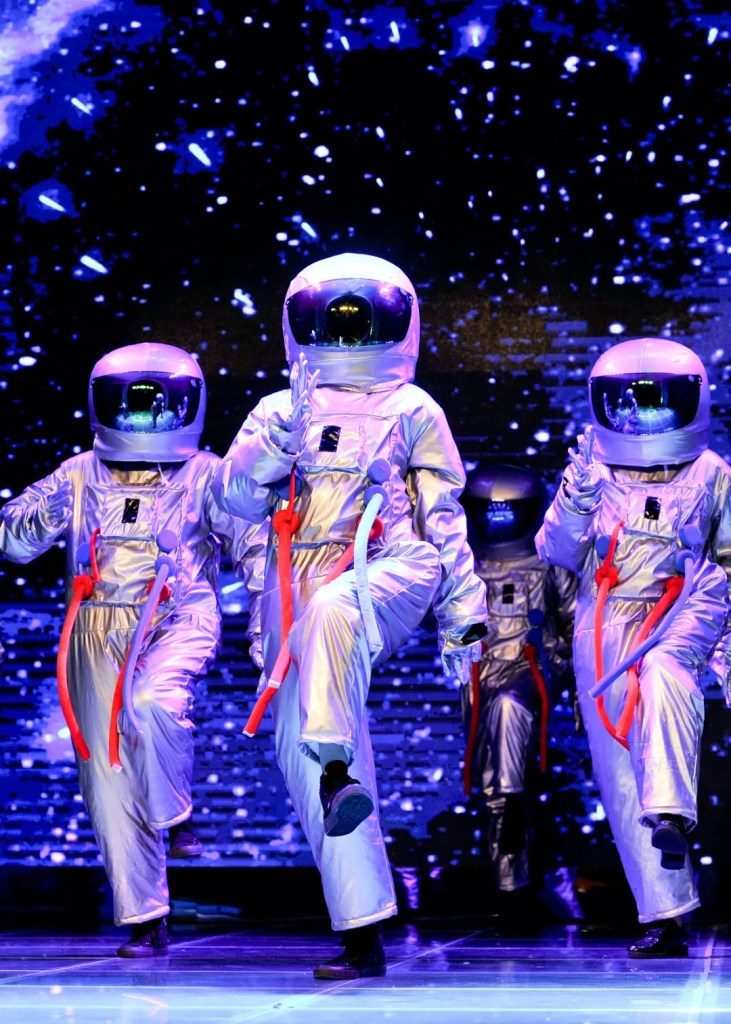
The Chinese Nebular Awards and Masters of Future Sci-Fi Writing Contest were both established in Chengdu
(photo: 视觉中国)
And just 6 months after Wandering Earth came out on screen, another movie produced entirely by a Chengdu-based company again ignited the internet. This was a 3D animation film called Ne Zha (哪吒之魔童降世), the opening of which grossed more than 500 million yuan. It finished with almost 5 billion yuan in box office and became the second highest-grossing film of all time in China.
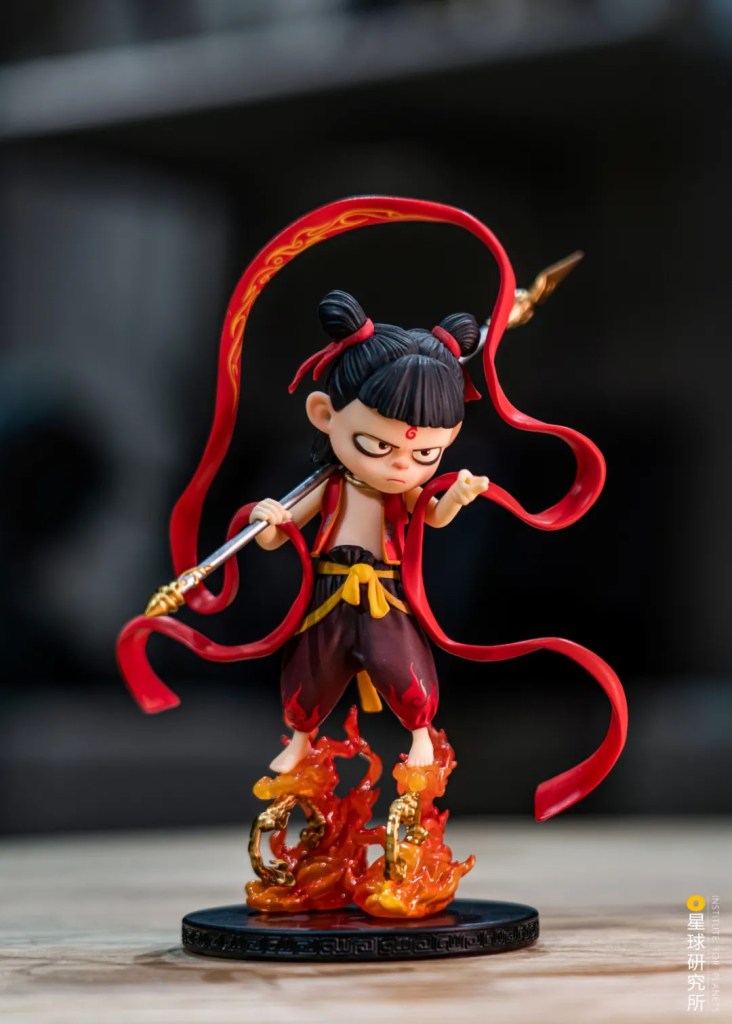
Other big anime hits including One Hundred Thousand Bad Jokes and Rakshasa Street were also produced by Chengdu-based companies
(Figure production: 末那工作室)
“Defying destiny”, the punch line in the animated film, very much describes what the box office had achieved. In addition, it set a new bar for anime production in China for the years to come. The anime industry has long been part of the steering force of Chengdu’s development, that netizens are referring to it as the ‘Capital of Anime‘. Having organised hundreds of anime conventions in recent years, this Capital of Anime surely has a bright future.
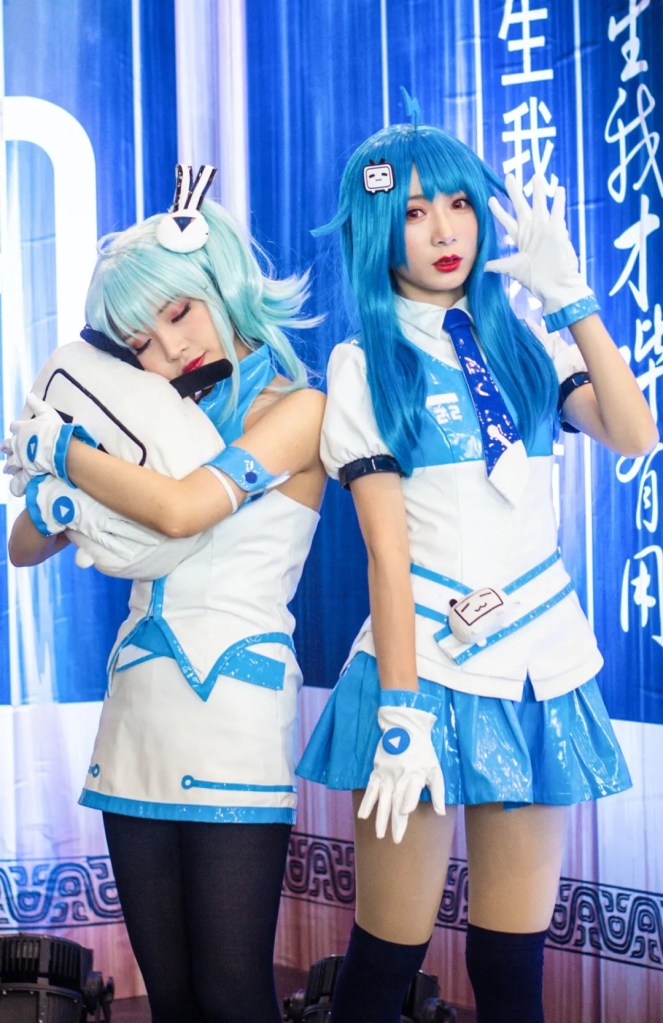
(photo: 视觉中国)
Other cultural industries of Chengdu, such as cuisine, pop music and operas, have also been exerting their charm and contributing to the city’s soft power. With economic and cultural engines both driving at full force, Chengdu finally stepped into a new phase of development on 6 May 2020.
On this day, the Chengdu East New Area project officially commenced, and the “two-winged city across a mountain” initiative transitioned from planning phase to implementation phase. Four months later, Line 18 of the regional express railway came into service. As the first regional express railway in the whole country to extend into city centre area, it traverses the Longquan Mountain and connects the new airport to further accelerate the ‘eastward march’ of Chengdu’s development.
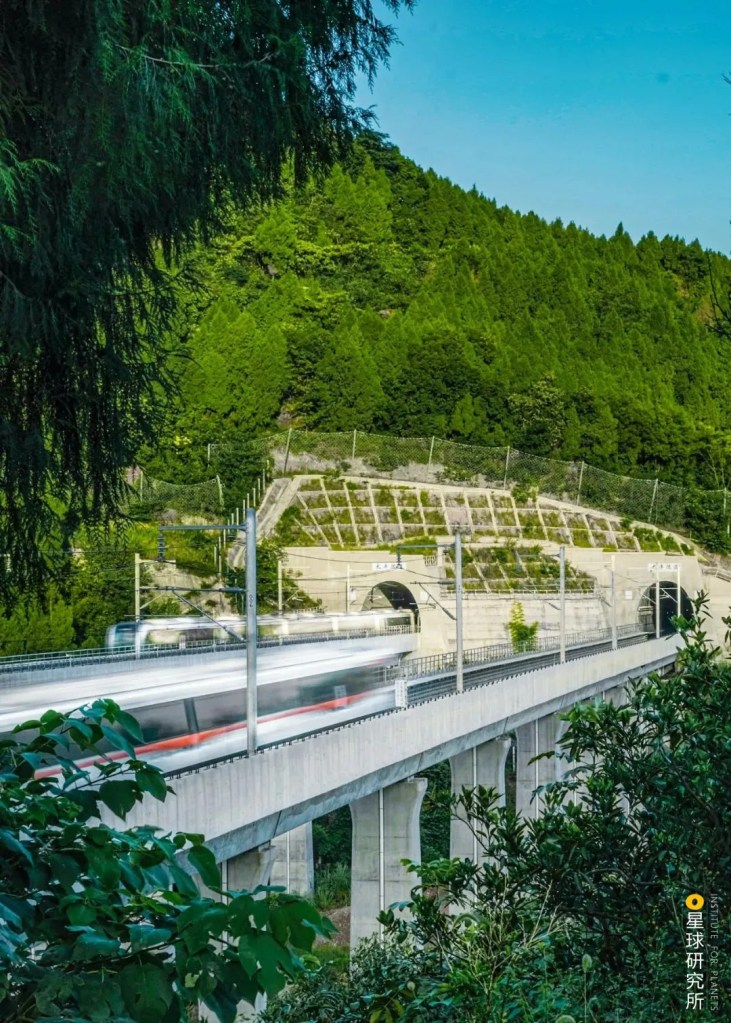
It takes only 32 minutes to go from South Station to Tianfu International Airport.
In addition, it has a mixed-operation mode, where some trains stop at every station, some only at selected stations, and some are non-stop trains to the airport, thereby accommodating different travel needs.
(photo: 视觉中国)
On the morning of 3 November, a calibration aircraft named B-10VC successfully landed on the runway of Tianfu International Airport in Chengdu East New Area. This was the first landing for the much-anticipated new airport.
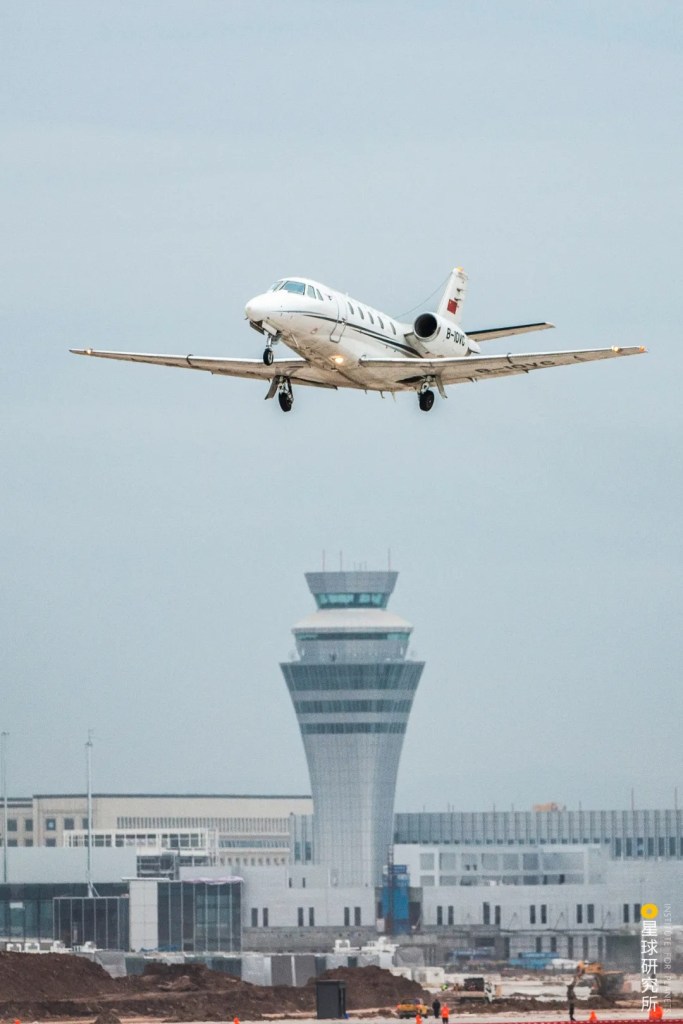
Tianfu International Airport was opened in June 2021
(photo: 岑崚玉)
While the year of 2020 was coming to an end, the changes happening in Chengdu certainly were not. As of 18 December, there were 5 Chengdu metro lines in operation. Among these, Line 6 has the longest mileage and most stations among all the rail-based transport system in the whole country to be built in one construction.

It runs past Chengdu West Expo City, one of the largest Expo exhibition centres in western China
(photo: 尹攀)
And the second ring railway of Chengdu metro, Line 9, is the very first fully automated metro line in the central and western regions of China. The vehicles of this metro line adopted the GoA4 automated operating system, currently the most advanced around the world. From departure, piloting and reverse to cabin cleaning, system wake-up and hibernation, it is capable of automating a wide range of operations.
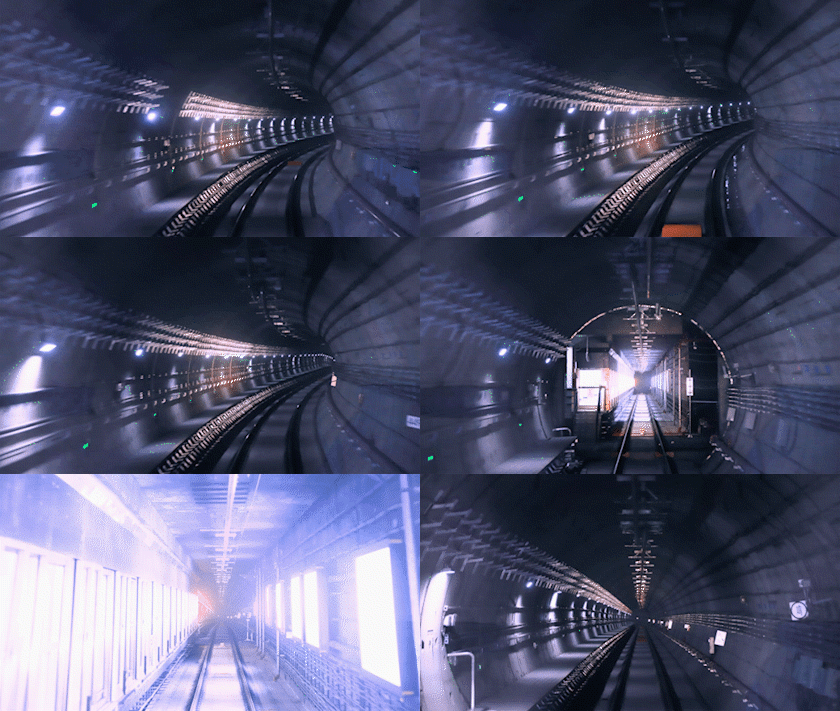
There is no pilot cabin so that passengers can enjoy the cyber tunnel view
(photo: 成都地铁)
The Chengdu metro Line 8, on the other hand, connects the Chengdu University of Technology and the Sichuan University. Via this metro line, the young and energetic students can embark on a magical journey any time to the Eastern Suburb Memory (东郊记忆), a music-themed park where culture and art converge and spark new chemistry.
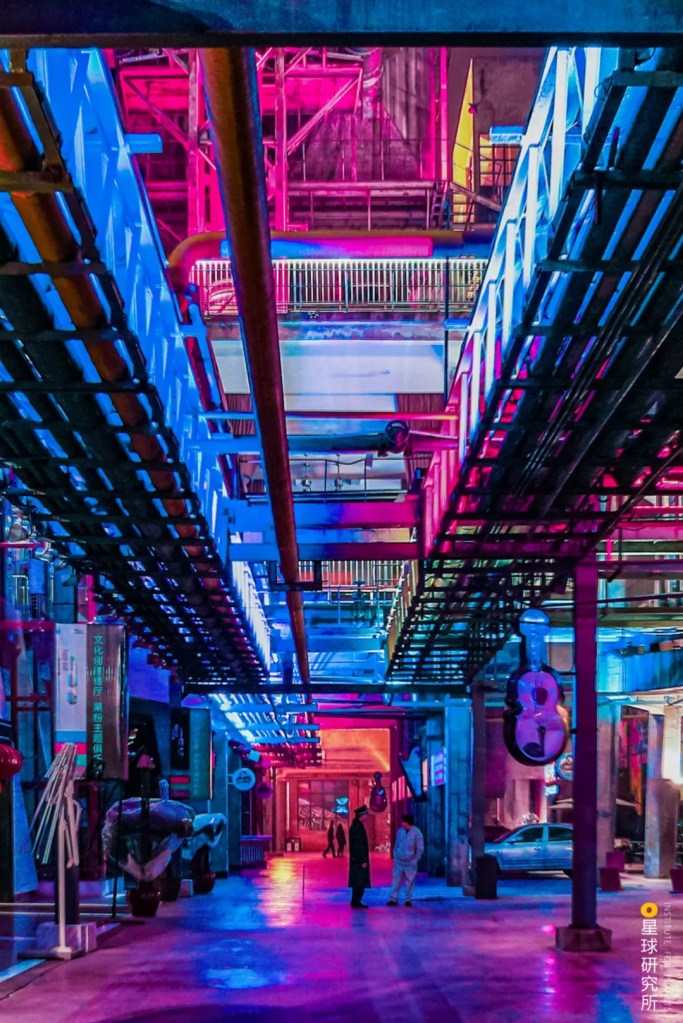
It is an important base for China’s music industry
(photo: 蒋人可)
The elaborate Chengdu metro network has not only become the primary means of travel for the locals, but has also blurred the boundaries between the city centre and the suburbs. The “life in two cities” has finally become “life in one and only Chengdu”.
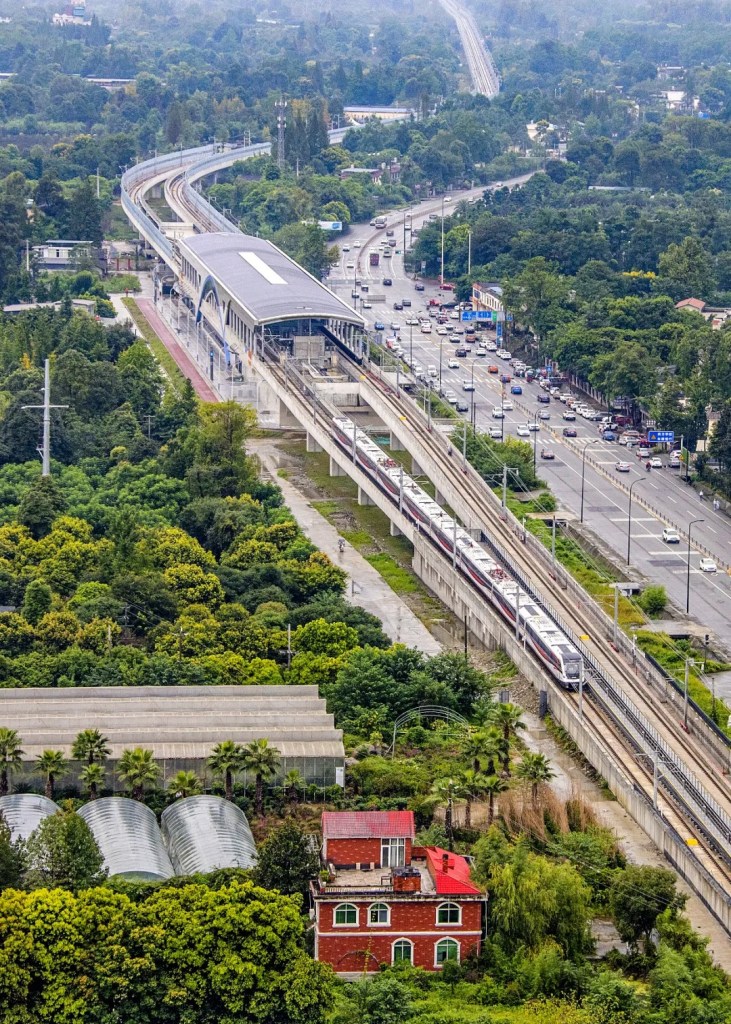
This metro line links up the Chengdu city centre, Wenjiang District and Shuangliu District. It operates with a top speed of 140 km/h
(photo: 视觉中国)
Now with 5 operating metro lines, the metro mileage per ten thousand population of Chengdu is already quite close to that of Tokyo, the world leader in urban metro mileage. The total mileage of Chengdu metro has now exceeded 500 km, surpassing Shenzhen as the city with the 4th longest metro mileage in China.

(photo: 成都地铁)
This is how far Chengdu has come during the past 10 years, the city has progressed almost as fast as time has raced past. The once sparsely populated Tianfu Avenue is now a picturesque central axis for the prosperous city’s economic and transportation activities.
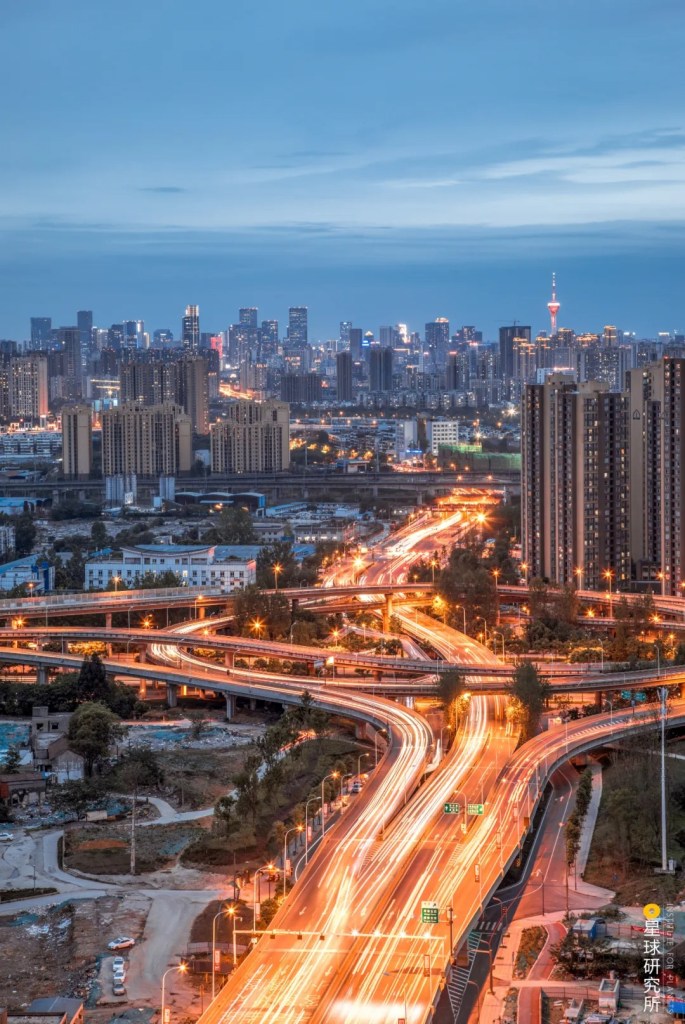
(photo: 朱骏杰)
The once rural fields in the suburbs do not look so different from the old urban area today. A land that did not have any underground infrastructure are now penetrated by a web of busy metro lines.
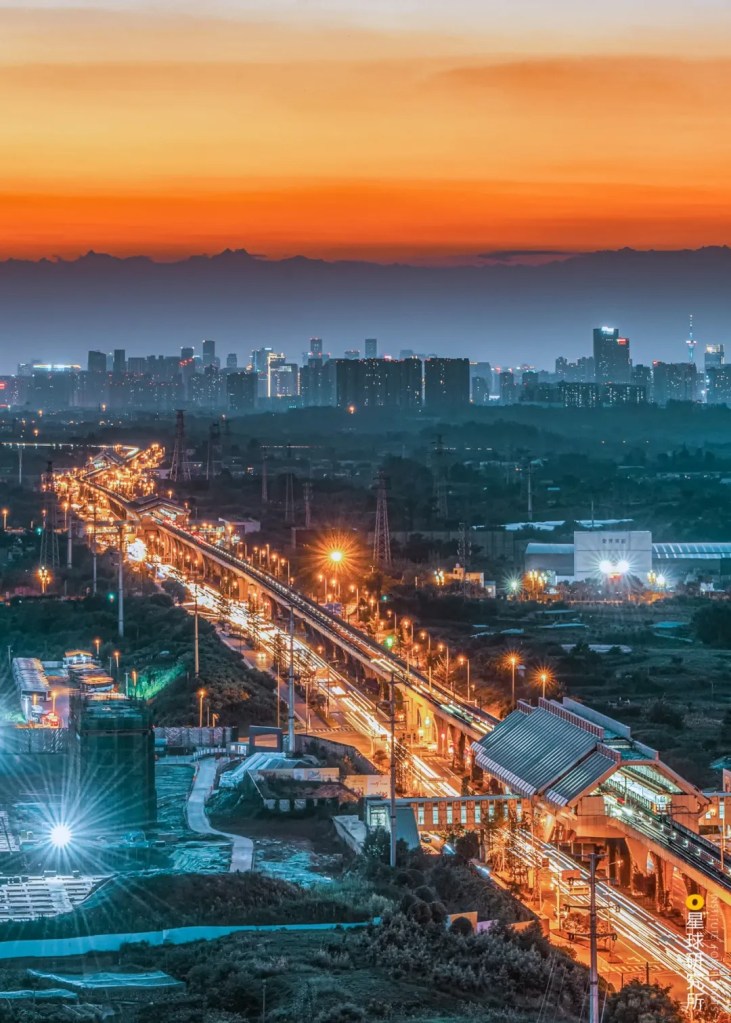
(photo: 嘉楠)
Previously a harsh container of the city’s development, the rolling mountains are now a “green bridge” between the two city wings.
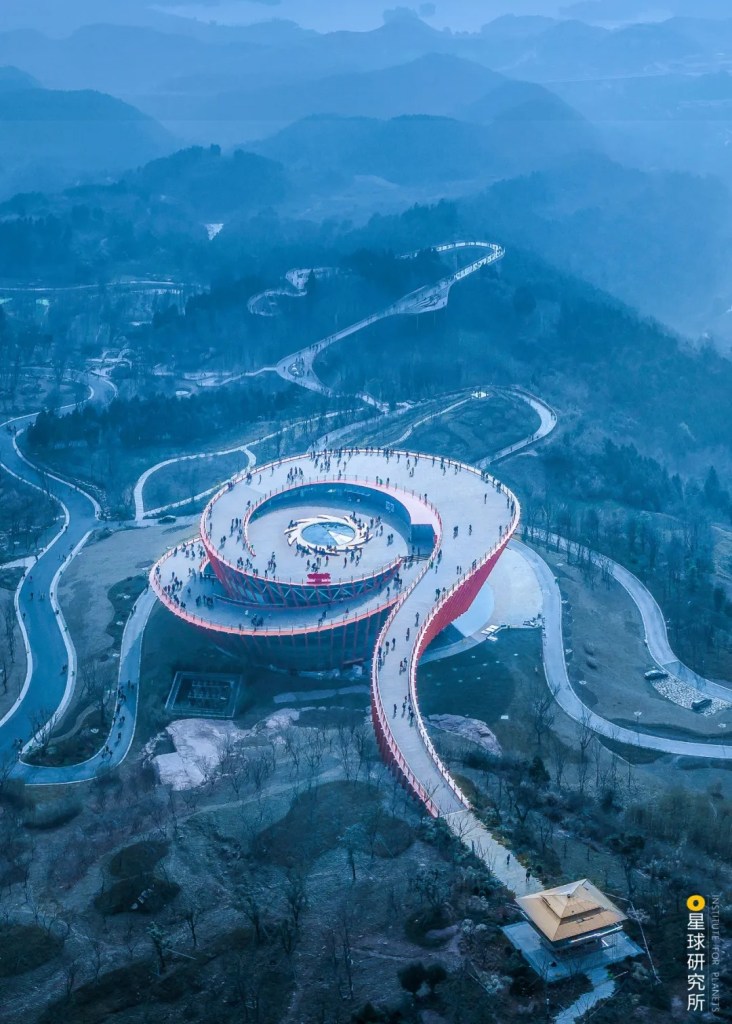
Sometimes called the Chengdu’s green heart, the park is the largest urban forest park in the world
(photo: 王进)
Once locked within the inlands and lacked the openness of its coastal counterparts, Chengdu is now an indispensable inland port city in China. With almost 300 of the Fortune Global 500 settling in here, it is well known for its hospitality towards multinational corporations.
Today, the aged face of Chengdu slowly effuses its rich past with more than 200 historic buildings and remains, while the other face of it continues to shine with fast-paced modernity cultivated by internationalised business districts.

(photo: 樊小喆)
The bā sì-styled leisure and keen sense of fashion displayed by Chengdu are what people around the country have been aspiring to, while the tolerant and open society here are really good at keeping expats. On the streets of Chengdu, you may find glamorous youngsters binging on hedonism, but you will nonetheless spot ambitious all-nighters striving for a better future in office towers on a quiet night.

(photo: 王红强)
A decade flies by in the blink of an eye.
This is not just the Chengdu decade, but also the decade of all those who were part of this new era. As the winter night dissolves the last sun ray of the year, this ancient city shall welcome another brand new start.
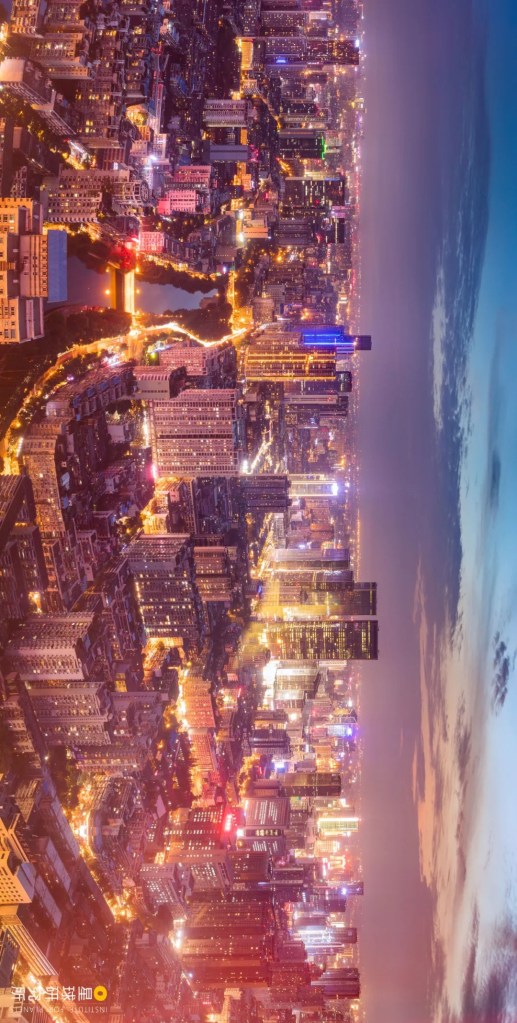
(photo: 天空映像)
Production Team
Text: Choco莉
Photos: 潘晨霞
Design: 杨宁
Maps: 陈志浩
Review: 张照
References
[1]李霞等.改革开放40年成都经济发展道路[M].四川人民出版社,2018.
[2]成都市发展和改革委员会.成都市产业发展白皮书(2019),2019.
[3]成都市规划管理局.成都市城市总体规划(2016-2035年),2016.
… The End …

星球研究所
一群国家地理控,专注于探索极致风光
 K in the clouds